


Wprowadzenie
Wybieranie między Transport morski kontra transport lotniczy kontra transport kolejowy to jedna z najważniejszych decyzji w logistyce międzynarodowej i zarządzaniu globalnym łańcuchem dostaw. Wybór ten ma bezpośredni wpływ na koszty wysyłki, szybkość dostawy, rotację zapasów, zadowolenie klientów i ogólną konkurencyjność firmy na rynkach międzynarodowych.
W dzisiejszym wysoce połączonym środowisku handlu globalnego, Transport morski kontra transport lotniczy kontra transport kolejowy To trzy dominujące metody wysyłki wykorzystywane przez importerów, eksporterów, hurtowników, detalistów i firmy e-commerce na całym świecie. Każdy rodzaj transportu ma swoje mocne strony i ograniczenia. Transport morski jest powszechnie uznawany za opłacalny i odpowiedni do przewozu ładunków wielkogabarytowych, transport lotniczy zapewnia niezrównaną szybkość w przypadku przesyłek pilnych i o dużej wartości, a transport kolejowy oferuje praktyczne rozwiązanie pośrednie między czasem transportu a kosztami wysyłki.
W miarę jak globalne łańcuchy dostaw stają się coraz bardziej złożone, firmy nie koncentrują się już wyłącznie na kosztach transportu. Czynniki takie jak planowanie zapasów, niezawodność dostaw, sezonowe wahania popytu, efektywność odpraw celnych i zrównoważony rozwój są obecnie równie ważne przy wyborze między… Transport morski kontra transport lotniczy kontra transport kolejowyBłędna decyzja logistyczna może prowadzić do opóźnień w dostawach, braków w zapasach, wyższych kosztów magazynowania, a nawet utraty szans sprzedaży. Z drugiej strony, wybór odpowiedniej metody wysyłki może pomóc firmom zoptymalizować przepływy pieniężne, poprawić efektywność operacyjną i wzmocnić zaufanie klientów.
Na przykład wielu importerów mebli i artykułów wyposażenia wnętrz preferuje transport morski ze względu na niskie koszty transportu dużych ładunków. Firmy elektroniczne często polegają na transporcie lotniczym, aby szybko uzupełniać zapasy i reagować na popyt rynkowy. Tymczasem transport kolejowy zyskał na popularności w handlu chińsko-europejskim ze względu na równowagę między szybkością a przystępną ceną. Te praktyczne zastosowania pokazują, że nie ma jednego „najlepszego” rozwiązania transportowego dla każdej sytuacji biznesowej.
Kolejnym ważnym czynnikiem jest rosnąca niepewność w globalnej logistyce. Zatory w portach, rosnące koszty paliwa, zmiany geopolityczne i zakłócenia w łańcuchach dostaw zmusiły firmy do ponownego przemyślenia swoich strategii transportowych. W rezultacie coraz więcej firm stosuje elastyczne i zróżnicowane modele logistyczne, łącząc Transport morski kontra transport lotniczy kontra transport kolejowy Na przykład firmy mogą korzystać z transportu morskiego do regularnego uzupełniania zapasów, transportu lotniczego w przypadku pilnych zamówień i transportu kolejowego w przypadku przesyłek o średnim priorytecie.
Ponadto zrównoważony rozwój środowiska staje się coraz ważniejszym czynnikiem przy podejmowaniu decyzji dotyczących transportu towarów. W porównaniu z transportem lotniczym, transport morski i kolejowy generalnie generują niższą emisję dwutlenku węgla, co czyni je bardziej atrakcyjnymi dla firm stosujących bardziej ekologiczne praktyki w łańcuchu dostaw. Wiele międzynarodowych marek aktywnie dostosowuje obecnie swoje strategie logistyczne, aby zrównoważyć szybkość, koszty i wpływ na środowisko.
Zrozumienie różnic między Transport morski kontra transport lotniczy kontra transport kolejowy Jest zatem niezbędny dla firm, które chcą utrzymać konkurencyjność w handlu międzynarodowym. Niezależnie od tego, czy jesteś początkującym importerem, rozwijającym się sprzedawcą e-commerce, czy dużą międzynarodową korporacją, wybór odpowiedniej metody transportu może bezpośrednio wpłynąć na rentowność i długoterminową stabilność łańcucha dostaw.
W tym przewodniku znajdziesz szczegółowe porównanie Transport morski kontra transport lotniczy kontra transport kolejowy, w tym analiza kosztów, porównanie czasu transportu, zastosowania branżowe, zalety, wady i praktyczne strategie podejmowania decyzji. Pod koniec tego artykułu będziesz lepiej rozumieć, jak wybrać najbardziej odpowiednie rozwiązanie transportowe dla swojego ładunku i celów biznesowych.
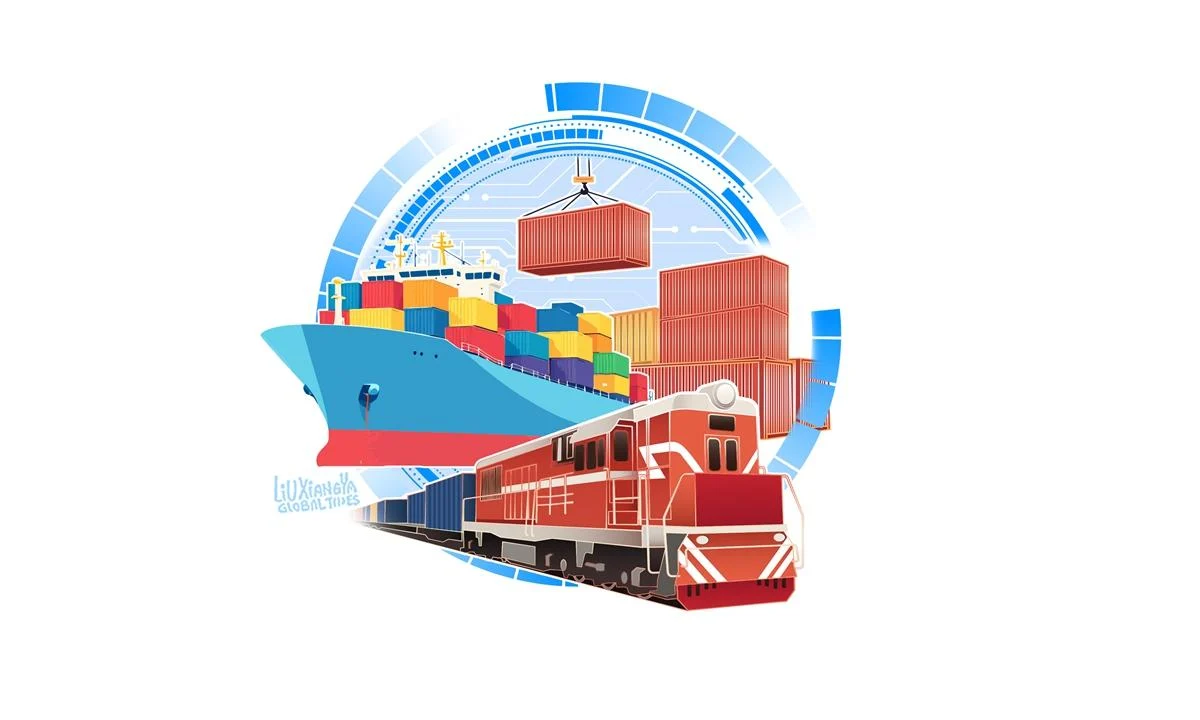
1. Transport morski kontra transport lotniczy kontra transport kolejowy: zrozumienie transportu morskiego
1.1 Czym jest transport morski?
Transport morski oznacza przewóz ładunków statkami towarowymi po wodach międzynarodowych. Jest to najpopularniejszy sposób transportu w handlu światowym i odpowiada za większość międzynarodowego transportu ładunków.
Transport morski odbywa się głównie za pośrednictwem:
- Ładunek pełnokontenerowy (FCL)
- Ładunek drobnicowy (LCL)
Szczególnie nadaje się do transportu ładunków o dużej objętości, ciężkich produktów i przesyłek niepilnych.
1.2 Zalety frachtu morskiego
Transport morski jest nadal bardzo popularny ze względu na kilka istotnych zalet:
- Najniższy koszt wysyłki za CBM
- Nadaje się do przewozu ładunków ponadgabarytowych i ciężkich
- Elastyczne rozwiązania kontenerowe
- Rozległe globalne szlaki żeglugowe
Dla firm importujących meble, tekstylia, maszyny i artykuły wyposażenia wnętrz, transport morski jest często najbardziej ekonomicznym rozwiązaniem.
1.3 Wady frachtu morskiego
Pomimo niższych kosztów, transport morski ma również swoje ograniczenia:
- Długi czas tranzytu (25–45 dni)
- Ryzyko przeciążenia portu
- Opóźnienia związane z pogodą
- Wyższe wymagania dotyczące planowania zapasów
Przedsiębiorstwa korzystające z transportu morskiego muszą starannie przygotowywać harmonogramy zapasów, aby uniknąć niedoborów towarów.

Kontenerowiec morski
2. Transport morski kontra transport lotniczy kontra transport kolejowy: zrozumienie transportu lotniczego
2.1 Czym jest transport lotniczy?
Transport lotniczy oznacza przewóz ładunków samolotami komercyjnymi lub towarowymi. Transport morski kontra transport lotniczy kontra transport kolejowyTransport lotniczy jest najszybszym rozwiązaniem wysyłkowym.
Jest powszechnie stosowany do:
- Elektronika
- Produkty medyczne
- Produkty modowe
- Pilne towary handlowe
2.2 Zalety frachtu lotniczego
Transport lotniczy oferuje szereg istotnych korzyści:
- Najszybszy międzynarodowy czas tranzytu
- Wysoka niezawodność harmonogramu
- Zmniejszone ryzyko uszkodzenia ładunku
- Szybsza odprawa celna
W przypadku pilnych przesyłek transport lotniczy może znacznie skrócić czas realizacji dostawy i zwiększyć zadowolenie klienta.
2.3 Wady frachtu lotniczego
Jednakże transport lotniczy ma również wyraźne wady:
- Najwyższy koszt transportu
- Ścisłe ograniczenia wielkości ładunku
- Drogie dopłaty paliwowe
- Nie nadaje się do przewozu ładunków masowych
Ze względu na wysoki koszt, transport lotniczy jest zazwyczaj zarezerwowany dla towarów o dużej wartości lub pilnych.
Transport lotniczy
3. Transport morski kontra lotniczy kontra kolejowy: zrozumienie transportu kolejowego
3.1 Czym jest transport kolejowy?
Transport kolejowy wykorzystuje pociągi towarowe do przewozu ładunków między krajami i regionami. Staje się coraz ważniejszy na szlakach handlowych między Azją a Europą.
Transport kolejowy zapewnia równowagę pomiędzy:
- Efektywność kosztowa
- Prędkość tranzytowa
- Zrównoważony rozwój środowiska
3.2 Zalety transportu kolejowego
Transport kolejowy oferuje szereg korzyści:
- Szybciej niż fracht morski
- Tańsze niż transport lotniczy
- Bardziej przyjazny dla środowiska
- Stabilne harmonogramy odjazdów
W przypadku przesyłek o średnim priorytecie między Chinami i Europą transport kolejowy staje się coraz atrakcyjniejszym rozwiązaniem.
3.3 Wady transportu kolejowego
Transport kolejowy również napotyka na następujące ograniczenia:
- Ograniczona dostępność trasy
- Opóźnienia na odprawie granicznej
- Zależność od infrastruktury
- Mniejsza elastyczność niż w przypadku transportu lotniczego
Transport kolejowy jest najbardziej efektywny w przypadku określonych geograficznych korytarzy handlowych.
Fracht kolejowy
4. Transport morski, lotniczy i kolejowy: porównanie kosztów
4.1 Struktura kosztów transportu morskiego
Koszty transportu morskiego zazwyczaj obejmują:
- Opłaty za fracht morski
- Opłaty za obsługę portową
- Opłaty za dokumentację
- Koszty odprawy celnej
Mimo że transport morski ma najniższą stawkę, dodatkowe opłaty lokalne mogą mieć wpływ na całkowity koszt logistyki.
4.2 Struktura kosztów transportu lotniczego
Ceny frachtu lotniczego w dużej mierze zależą od:
- Waga
- Waga wolumetryczna
- Dopłaty paliwowe
- Opłaty za obsługę lotniska
Transport lotniczy jest znacznie droższy, ale oferuje bezkonkurencyjną szybkość.
4.3 Struktura kosztów przewozu towarów koleją
Koszty przewozu towarów koleją zazwyczaj obejmują:
- Opłaty za transport kolejowy
- Opłaty za przekroczenie granicy
- Opłaty za obsługę terminala
- Opłaty za tranzyt celny
Ceny przewozu kolejowego plasują się pomiędzy cenami przewozu morskiego i lotniczego.
Porównywarka cen
5. Transport morski, lotniczy i kolejowy: porównanie czasu przewozu
5.1 Czas przewozu ładunków morskich
Transport morski zazwyczaj trwa:
- Z Azji do Europy: 30–45 dni
- Z Chin do USA: 20–35 dni
Czas transportu zależy od tras żeglugowych i zatłoczenia portu.
5.2 Czas przewozu towarów drogą lotniczą
Transport lotniczy zazwyczaj trwa:
- Dostawa międzynarodowa: 2–7 dni
- Usługi ekspresowe: 1–3 dni
Jest to preferowany wybór w przypadku pilnych przesyłek.
5.3 Czas przewozu towarów koleją
Transport kolejowy zazwyczaj wymaga:
- Z Chin do Europy: 12–20 dni
Zapewnia doskonałą równowagę między szybkością a przystępną ceną
Porównanie szybkości wysyłki
6. Transport morski kontra transport lotniczy kontra transport kolejowy: zastosowania w przemyśle
6.1 Branża handlu elektronicznego i sprzedaży detalicznej online
Przedsiębiorstwa zajmujące się handlem elektronicznym i sprzedażą detaliczną online należą do najbardziej elastycznych użytkowników Transport morski kontra transport lotniczy kontra transport kolejowy, często łącząc różne metody wysyłki w celu optymalizacji szybkości i efektywności kosztowej.
W przypadku szybko rotujących produktów, takich jak artykuły będące w modzie, towary sezonowe lub towary promocyjne, firmy zazwyczaj polegają na fracht lotniczy aby zapewnić szybkie uzupełnianie zapasów i uniknąć braków magazynowych. W przeciwieństwie do tego, Spedycja morska jest powszechnie stosowany do długoterminowego planowania zapasów, szczególnie w przypadku stabilnych jednostek magazynowych o przewidywalnych wzorcach popytu.
Wielu dużych sprzedawców e-commerce stosuje również „hybrydowy model logistyczny”, w którym fracht lotniczy służy do testowania nowych produktów na rynku, a fracht morski wspiera uzupełnianie zapasów hurtowych po potwierdzeniu popytu. Strategia ta pomaga ograniczyć ryzyko związane z zapasami, jednocześnie utrzymując konkurencyjną szybkość dostaw.
Ponadto, wraz z rozwojem globalnych platform, takich jak Amazon, Shopify, oraz transgranicznego handlu elektronicznego, elastyczność logistyczna stała się kluczowym czynnikiem w utrzymaniu wysokiej pozycji sprzedawcy i zadowolenia klientów.
6.2 Meble, Wystrój domu & Branża produktów lifestylowych
Importerzy mebli i artykułów wyposażenia wnętrz są w dużym stopniu uzależnieni od Transport morski kontra transport lotniczy kontra transport kolejowy, ale transport morski pozostaje dominującą opcją ze względu na fizyczne cechy produktów.
Większość mebli to:
- Duży rozmiar
- Ciężki w wadze
- Niska pilność, ale duża objętość
Ze względu na te czynniki transport morski (FCL lub LCL) stanowi najbardziej opłacalne rozwiązanie w przypadku wysyłki międzynarodowej.
Transport lotniczy jest rzadko wykorzystywany w tej branży, z wyjątkiem pilnych próbek, ekspozycji w salonach sprzedaży lub luksusowych przedmiotów z krótkim terminem dostawy. Transport kolejowy może być sporadycznie wykorzystywany do dystrybucji regionalnej (zwłaszcza na trasach Chiny–Europa), ale jego rola jest nadal drugorzędna w porównaniu z transportem morskim.
Kolejnym kluczowym czynnikiem w tej branży jest efektywność pakowania i wykorzystanie przestrzeni w kontenerach. Optymalizacja planów załadunku może znacząco obniżyć koszty wysyłki jednostkowej, co jest kluczowe dla utrzymania marży zysku na konkurencyjnych rynkach artykułów wyposażenia wnętrz.
6.3 Przemysł elektroniczny, technologiczny i dóbr o wysokiej wartości
Branża elektroniczna jest jednym z użytkowników najbardziej wrażliwych na czas Transport morski kontra transport lotniczy kontra transport kolejowy, przy czym transport lotniczy odgrywa szczególnie ważną rolę.
Produkty elektroniczne takie jak:
- Smartfony
- Komponenty komputerowe
- Inteligentne urządzenia
- Produkty związane z półprzewodnikami
Są one zazwyczaj bardzo wartościowe i bardzo wrażliwe na zmiany popytu rynkowego. W związku z tym firmy priorytetowo traktują szybkość, bezpieczeństwo i responsywność zapasów.
Transport lotniczy jest powszechnie wykorzystywany do:
- Premiery nowych produktów
- Uzupełnianie zapasów awaryjnych
- Szybko rozwijająca się elektronika użytkowa
Transport morski jest nadal wykorzystywany do przewozu towarów masowych z centrów produkcyjnych do globalnych centrów dystrybucji, zwłaszcza w kontekście długoterminowego planowania zapasów. Transport kolejowy jest sporadycznie wykorzystywany w pośrednich etapach łańcucha dostaw między Azją a Europą, ale jego wykorzystanie jest bardziej ograniczone ze względu na ograniczenia tras.
W tej branży szybkość logistyki bezpośrednio wpływa na przychody, zwłaszcza w przypadku konkurencyjnych cyklów produkcji, w których opóźnienia mogą prowadzić do znacznej utraty udziałów w rynku.
Kontener załadowany
7. Transport morski, lotniczy i kolejowy: Jak wybrać odpowiednią metodę wysyłki
7.1 Wybierz na podstawie pilności
Jeśli Twoja przesyłka jest pilna:
● Wybierz transport lotniczyJeśli czas dostawy jest elastyczny:
● Wybierz transport morski lub kolejowy. Ponadto, pilność należy również ocenić na podstawie wpływu opóźnienia na rynek. Na przykład, jeśli opóźniona dostawa może spowodować wyczerpanie zapasów, utratę szans sprzedaży lub przestoje w produkcji, transport lotniczy staje się najpewniejszym rozwiązaniem, nawet jeśli jest droższy. Jednak w przypadku stabilnych cyklów zapasów lub długoterminowego planowania zakupów, transport morski lub kolejowy pozostaje bardziej opłacalny i zrównoważony.
7.2 Wybierz na podstawie objętości ładunku
W przypadku ładunków ciężkich i wielkogabarytowych:
● Transport morski jest najlepszyW przypadku przesyłek średniej wielkości:
● Transport kolejowy może być efektywny. Ważne jest również uwzględnienie gęstości ładunku i wykorzystania kontenerów. Nawet jeśli wolumen przesyłek nie jest ekstremalnie duży, nieefektywne pakowanie może znacznie zwiększyć całkowite koszty logistyczne. Transport morski staje się bardziej ekonomiczny, gdy przestrzeń w kontenerze może być efektywnie wykorzystana, natomiast transport kolejowy jest bardziej odpowiedni dla przesyłek wymagających równowagi między czasem transportu a optymalizacją kosztów, szczególnie na stałych trasach międzynarodowych.
7.3 Wybierz na podstawie budżetu
Firmy wrażliwe na budżet zazwyczaj preferują:
● Transport morskiFirmy, dla których priorytetem jest szybkość dostawy, wybierają:
● Transport lotniczy. Decyzje budżetowe nie powinny jednak koncentrować się wyłącznie na początkowych kosztach transportu, ale również na całkowitych kosztach transportu, w tym na magazynowaniu, czasie przechowywania zapasów i potencjalnych stratach sprzedaży spowodowanych opóźnieniami. W wielu przypadkach łączenie Transport morski kontra transport lotniczy kontra transport kolejowy w ramach jednej strategii łańcucha dostaw można skuteczniej obniżyć ogólne koszty operacyjne niż polegając na jednym środku transportu.
Transport morski kontra transport lotniczy kontra transport kolejowy
Wniosek
Podsumowując Transport morski kontra transport lotniczy kontra transport kolejowy Każdy z nich odgrywa kluczową rolę we współczesnej logistyce globalnej. Transport morski jest bezkonkurencyjny pod względem efektywności kosztowej, transport lotniczy przoduje pod względem szybkości, a transport kolejowy zapewnia strategiczny kompromis. Najbardziej udane firmy to nie te, które polegają na jednej metodzie, lecz te, które inteligentnie ją łączą. Transport morski kontra transport lotniczy kontra transport kolejowy na podstawie popytu, pilności i budżetu.
Poza samym wyborem metody wysyłki, prawdziwa przewaga konkurencyjna wynika ze zbudowania elastycznego i responsywnego systemu logistycznego, który potrafi dostosować się do zmieniających się warunków rynkowych. Firmy, które stale optymalizują swoją strukturę transportową, są lepiej przygotowane na radzenie sobie z zakłóceniami w łańcuchu dostaw, wahaniami sezonowymi i zmieniającymi się oczekiwaniami klientów bez utraty rentowności.
Dobrze zoptymalizowana strategia logistyczna gwarantuje niższe koszty, szybsze cykle dostaw i większą odporność łańcucha dostaw — kluczowe zalety na dzisiejszym konkurencyjnym rynku globalnym.
Zespół Union Source – czekamy na współpracę z Państwem
W kwestiach logistycznych możesz również skontaktować się z oddziałem naszej grupy Ningbo Port To Port międzynarodowa spedycja towarowa Co., Ltd.

Faye Fang Jest specjalistką ds. zaopatrzenia w Unionsource, której celem jest łączenie międzynarodowych nabywców z rzetelnymi chińskimi dostawcami. Wnosi do firmy wiedzę specjalistyczną w zakresie zaopatrzenia, oceny dostawców i zarządzania zamówieniami, pomagając klientom skutecznie pozyskiwać produkty wysokiej jakości.