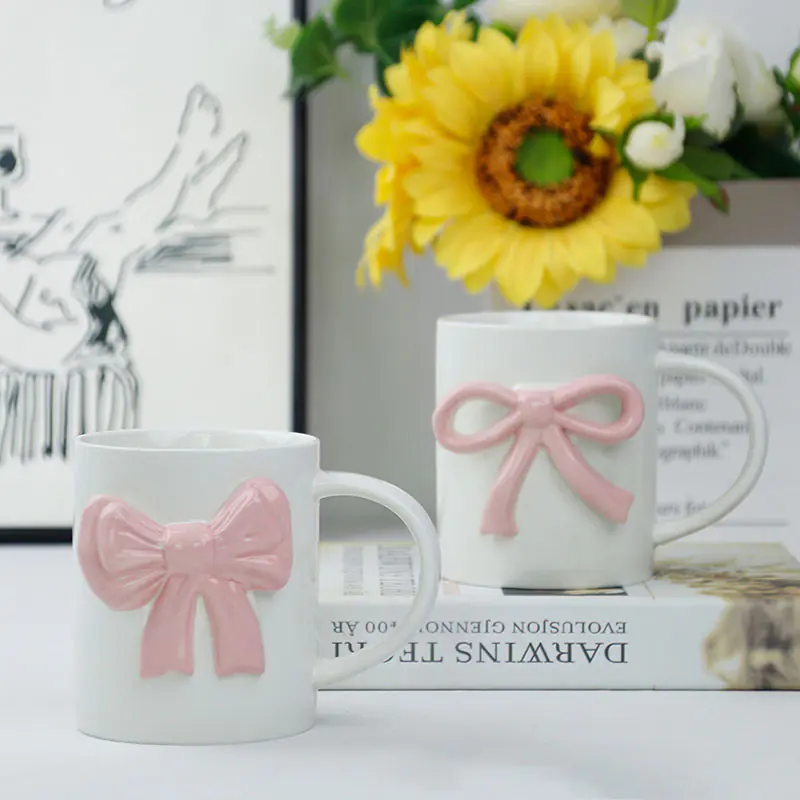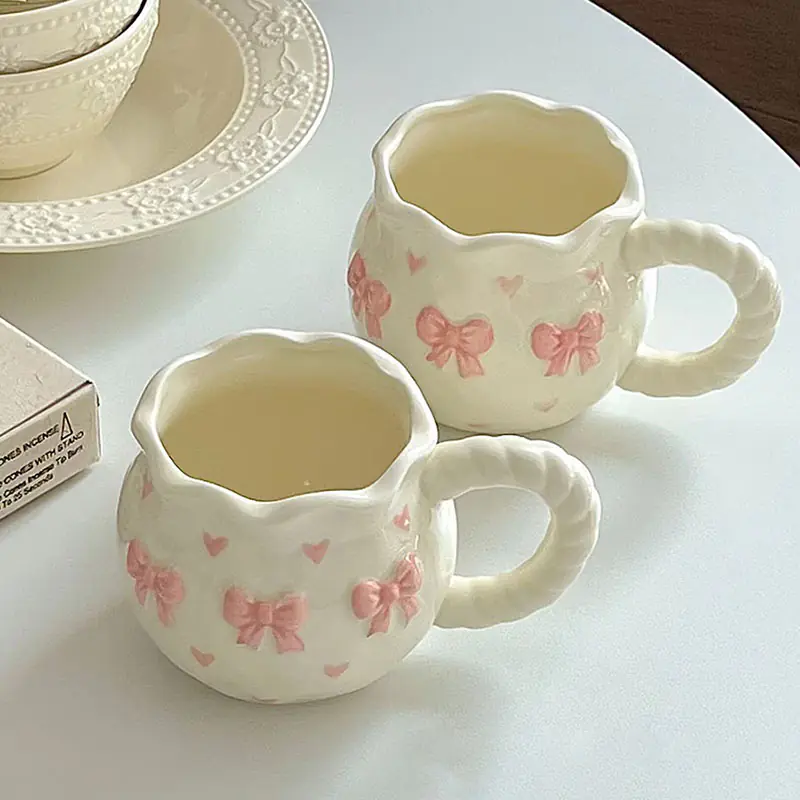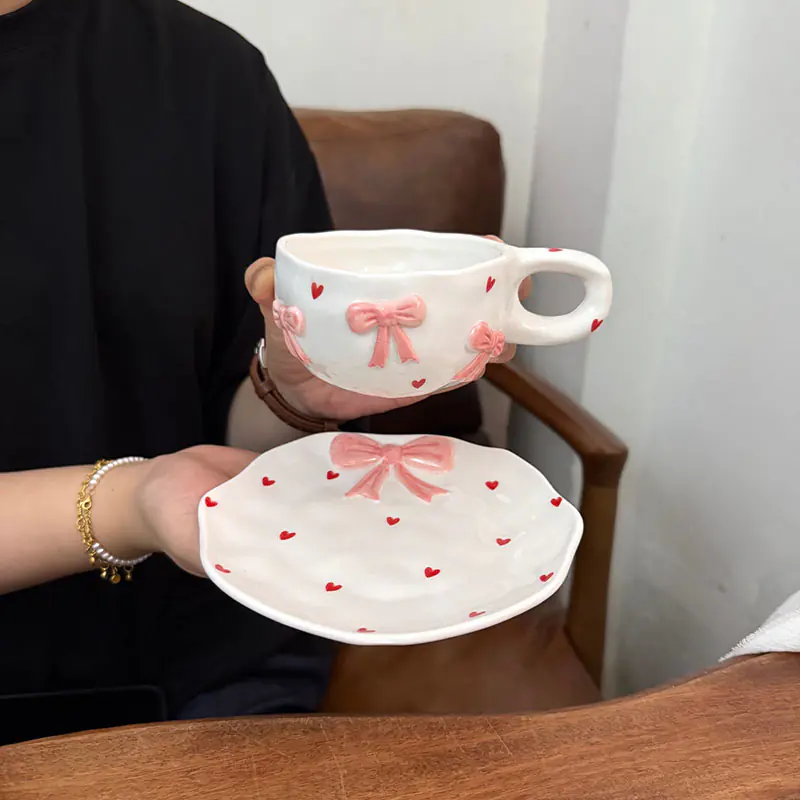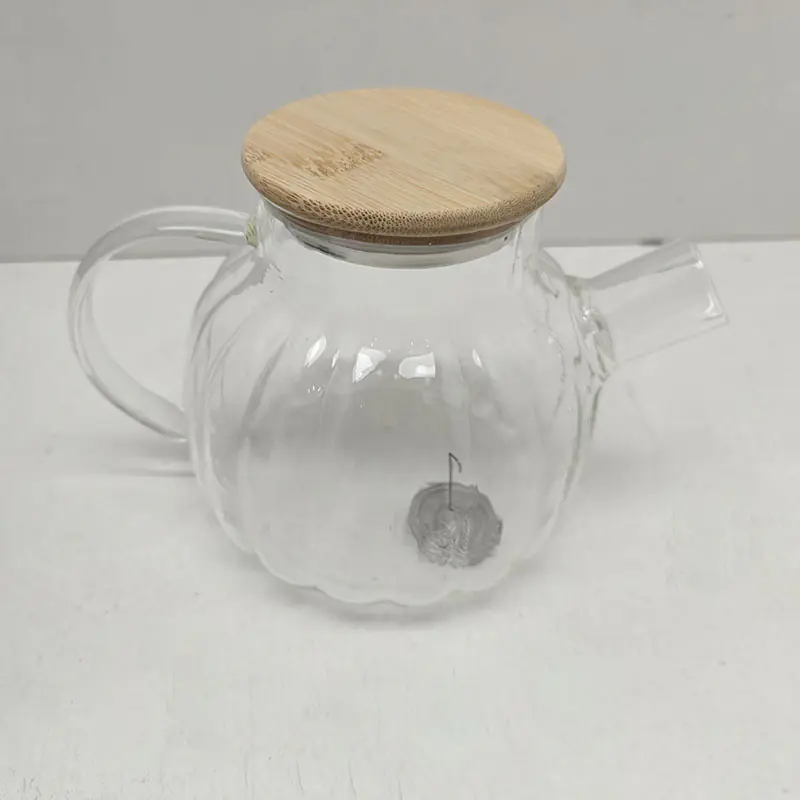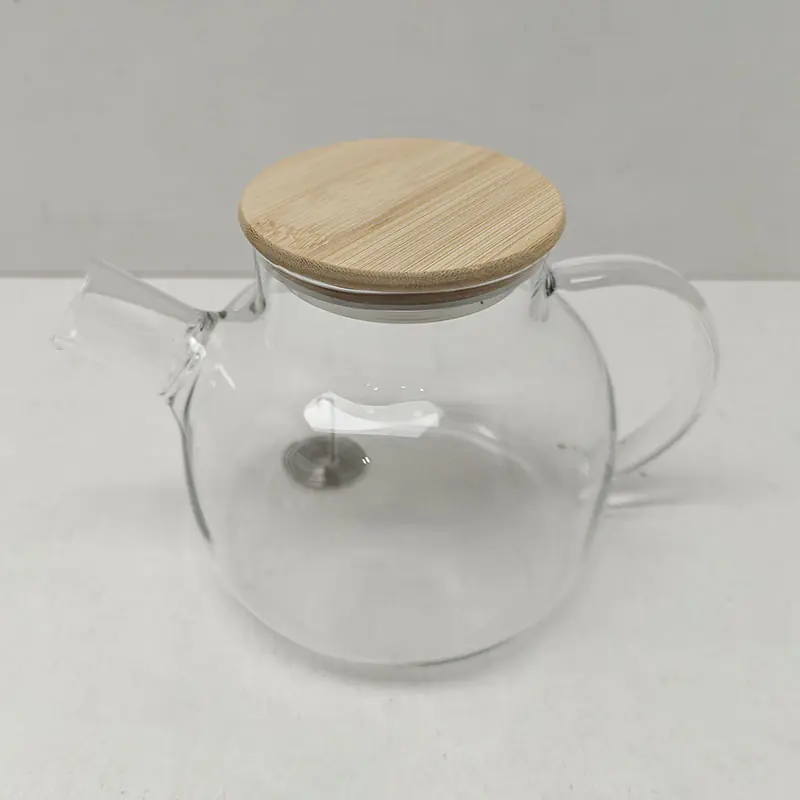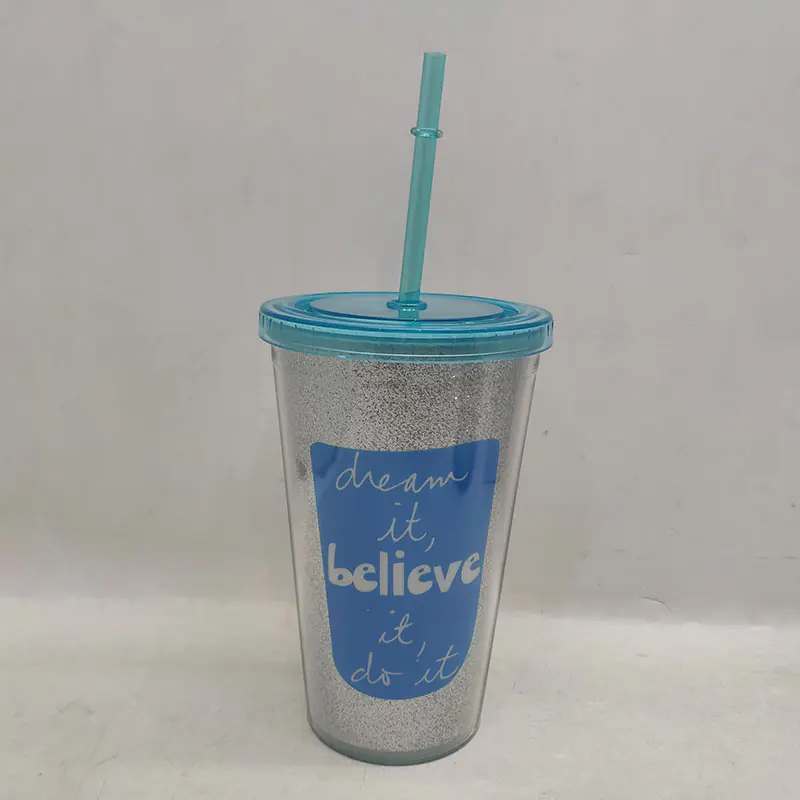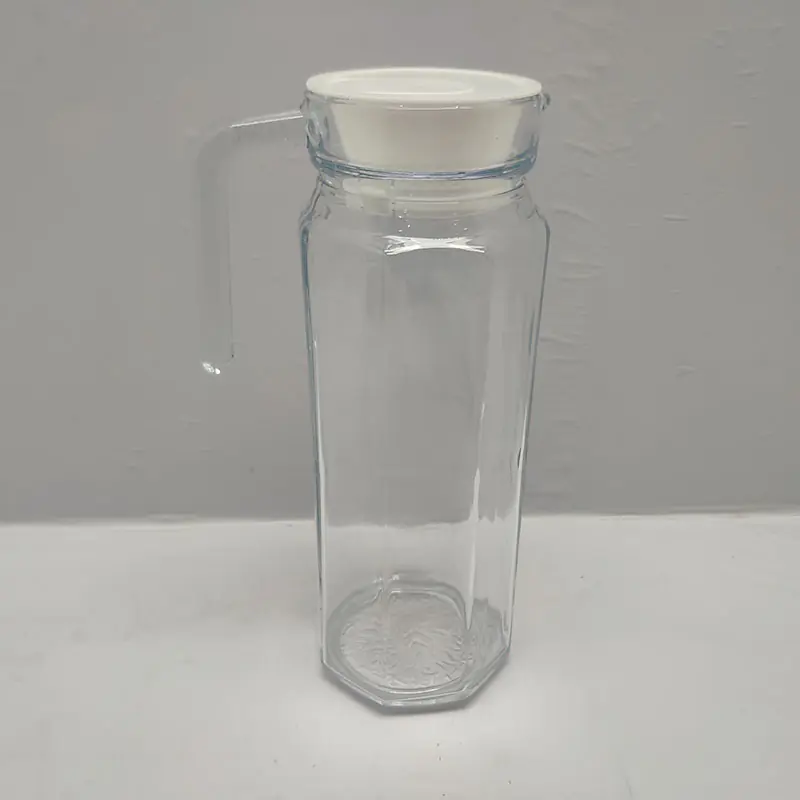


Have you ever wondered why an expensive wine tastes mediocre in a basic glass? Or how one tumbler keeps coffee hot for hours while another fails in minutes? The secret often lies not in the drink itself, but in the vessel you choose.
Selecting the “right” drinkware is far more than an aesthetic decision—it’s a critical choice that directly impacts taste, temperature, user safety, and long-term value. For retailers, hospitality businesses, and procurement managers, knowing how to choose the drinkware that meets functional demands is essential for customer satisfaction and operational efficiency. In a global market flooded with options, the “right” drinkware is defined by a strategic balance of material, function, and context.
A poorly chosen glass can mute the aroma of a fine spirit, while a low-quality tumbler may crack under daily use, leading to disappointed customers and higher replacement costs. This makes partnering with a reliable bulk drinkware supplier who understands these nuances not just an option, but a business necessity. This definitive choose drinkware guide will help you navigate these decisions, ensuring that every product you select or source is truly fit for purpose, delivering an experience that keeps users coming back for more.
1. What Makes the “Right” Drinkware?
Selecting the perfect drinkware begins with understanding the foundation: the material. The right material dictates not only the look and feel but also the performance, durability, and ultimately, user satisfaction. To simplify your selection process, especially when evaluating drinkware wholesale options, use the following comparison table as your quick-reference guide.
| Feature | Glass & Crystal | Stainless Steel | Ceramic & Porcelain | Plastic & Acrylic |
| Best For | Wine, beer, spirits, water (pure taste) | Outdoor, travel, daily tumblers (insulation) | Coffee, tea, breakfast drinks (heat retention) | Pool, beach, kids, events (safety & weight) |
| Durability | Low (fragile) | Very High (shatterproof) | Medium-High (chip-resistant) | High (shatterproof, scratches easily) |
| Heat Retention | Poor (unless double-walled) | Excellent (vacuum insulated) | Good (retains heat well) | Poor |
| Taste Impact | Neutral (pure flavor) | Can impart metallic taste | Neutral | Can impart plastic taste (low-quality) |
| Aesthetics | Elegant, clear (crystal excels) | Modern, industrial | Artistic, versatile designs | Functional, colorful, can look cheap |
| Care | Often hand-wash only (especially crystal) | Generally dishwasher-safe | Usually dishwasher-safe | Dishwasher-safe, may cloud over time |
| Sourcing Note | High shipping risk, handle with care | Higher unit cost, but long lifespan & ROI | High design value, ideal for branding | Cost-effective, ideal for bulk orders |
Drinkware Material Comparison: A Quick Guide for Smart Sourcing
As the table illustrates, there is no single “best” material—only the best material for a specific purpose. This is the first and most critical step in learning how to choose the drinkware.
1.1 Why the Right Cup or Glass is a Game-Changer for Taste & Experience
Have you ever poured a fine whisky into a plastic cup? The experience falls flat because the wrong drinkware undermines the entire beverage. The impact on taste and aroma is profound. A quality glass, with its thin lip for a smooth pour and inert material, preserves the drink’s pure profile. In contrast, low-grade materials like certain plastics can impart unwanted off-flavors. Understanding this material science is the essence of how to choose the drinkware that elevates rather than diminishes, a fundamental insight for any professional bulk drinkware supplier to master and communicate.
Beyond taste, safety and compliance are non-negotiable. This transcends basic durability. It’s about ensuring products are rigorously tested to be lead-free, BPA-free, and compliant with international standards like FDA or LFGB. For procurement managers, this isn’t just risk mitigation; it’s a core component of brand integrity. Finally, everyday functionality—the comfort of the grip, the ease of cleaning, the resistance to chipping—is what transforms a one-time purchase into a daily favorite. A comprehensive drinkware size guide and clear care instructions are not just value-adds; they are essential tools that build consumer trust and ensure the products you source become staples in their lives.
1.2 The Overlooked Secrets: What Really Matters When You Choose Drinkware
Most people select drinkware with their eyes, but the most critical factors are often invisible at first glance. Moving beyond aesthetics to understand these hidden details is what separates an amateur choice from a professional one. For businesses, overlooking these elements leads directly to increased returns, a damaged reputation, and hidden costs.
One must scrutinize material behavior under real-world stress. It’s not just about being “durable.” How does that stainless steel tumbler perform when dropped? Does the ceramic glaze have micro-cracks that lead to chipping over time? Will the color on the glass fade after hundreds of dishwasher cycles? A savvy buyer looks past the catalog image to ask these questions. The table below highlights these often-missed operational details:
| Key Overlooked Factor | Business & Sourcing Implication |
| Thermal Shock Resistance | Can the glassware move from freezer to hot liquid without cracking? Vital for durability in hospitality. |
| Coating & Glaze Quality | A poor coating on steel tumblers will peel; a weak glaze on ceramics will stain. This impacts longevity and reviews. |
| Weight-to-Stability Ratio | A tall, heavy glass that tips easily is a design flaw. Proper ergonomics are a silent sign of quality. |
| Stackability & Storage | For cafes and households, easy, secure stacking is a major usability factor often ignored in design. |
Choose Drinkware Guide
2. How to Choose the Drinkware Material That Fits Your Lifestyle
Selecting the right material is the single most impactful decision when evaluating drinkware. For buyers, retailers, and importers, material determines not only user experience—taste, thermal performance, and durability—but also regulatory compliance, logistic constraints, cost-per-unit, and resale value.
Start by mapping end-use scenarios: table service in restaurants, in-home everyday use, outdoor and travel, children’s products, or premium gifting. Each scenario pushes material requirements in different directions. For example, premium restaurants prioritize sensory neutrality (glass), family retailers emphasize shatter resistance (Tritan or polypropylene), and outdoor or travel-focused brands demand insulation and impact resistance (stainless steel). That simple segmentation is the backbone of any practical choose drinkware guide aimed at buyers who will later need to select SKUs, set price tiers, and negotiate MOQs.
From a procurement perspective, material choice also affects packaging, freight weight, and breakage rates. test-market small batches before large-scale roll-outs. Working with a reliable factory for samples and pilot orders reduces the risk of selecting a material that underperforms in your market.
2.1 Glass, Ceramic, Stainless Steel, Plastic — Which Is Best for You?
When comparing materials, each has a clear value proposition that suits particular buyer profiles. The right choice depends on intended use, brand positioning, regulatory environment, and margin targets.
Glass — Pros: unmatched taste neutrality and visual appeal; ideal for premium dining and branded retail lines. Cons: fragile, heavier freight, higher breakage rates. For hospitality buyers and premium retailers, glass often yields better perceived value and supports premium price points. Quality standards (e.g., tempered or borosilicate variants) improve durability but increase unit cost.

Ceramic — Pros: excellent insulation for hot beverages and high customizability through glazing and printing. Cons: heavier and prone to chipping; requires careful packaging. Ceramic is favorable for homeware collections and gift items where tactile weight and finish matter.

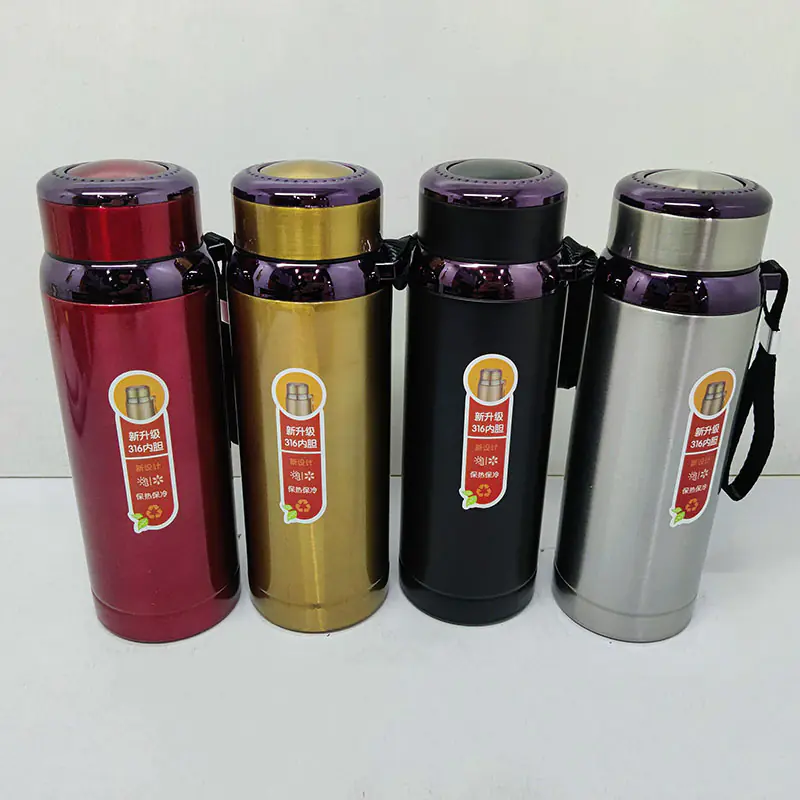
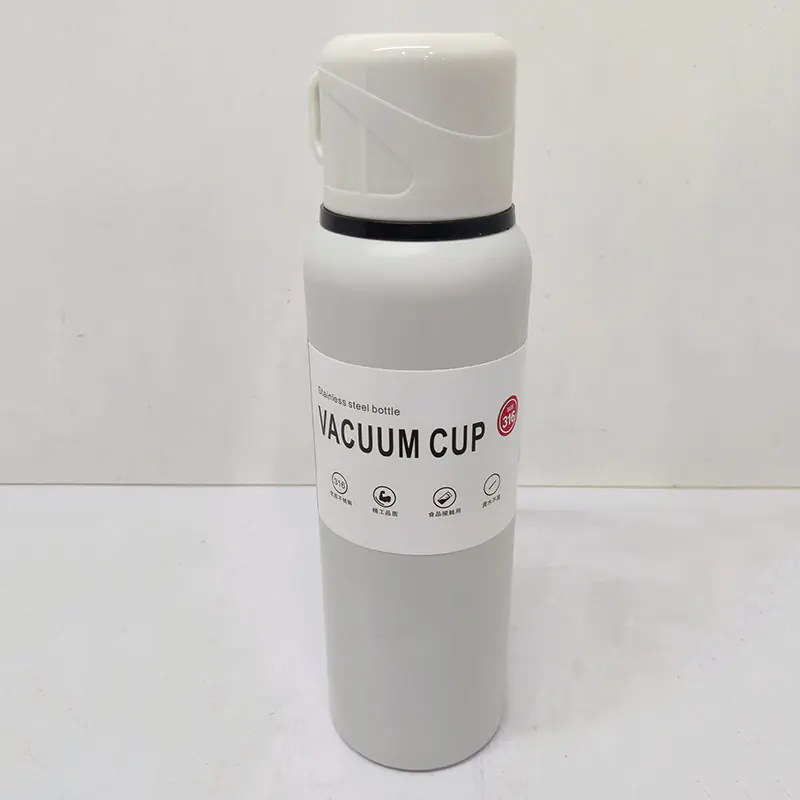
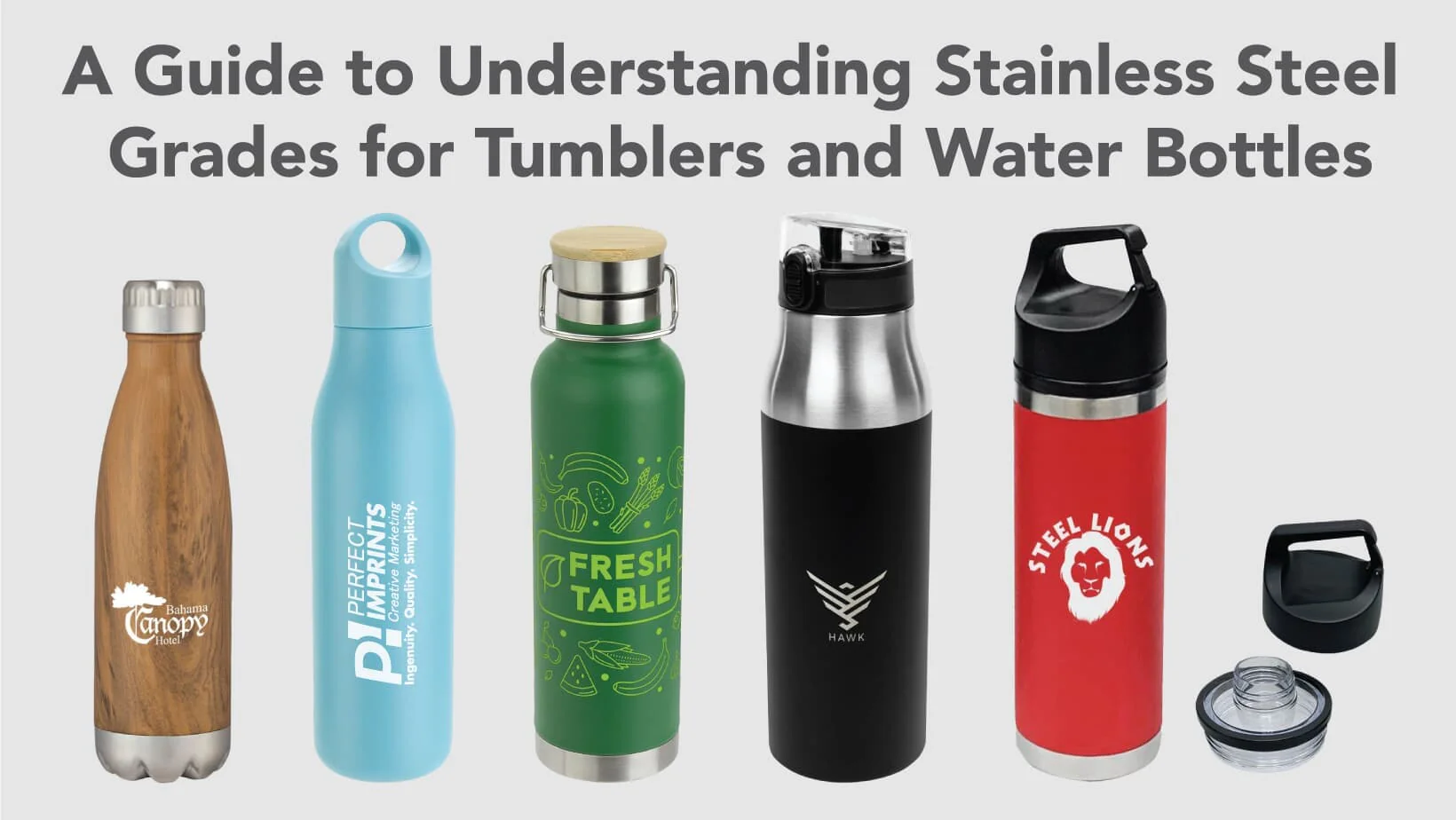
Stainless Steel — Pros: excellent thermal retention (vacuum-insulated variants), highly durable, and popular for travel tumblers. Cons: some metallic aftertaste may appear in lower-grade alloys; customization is limited to surface finishes and wraps. For exporters targeting outdoor, sports, and promotional markets, stainless steel balances performance and durability.
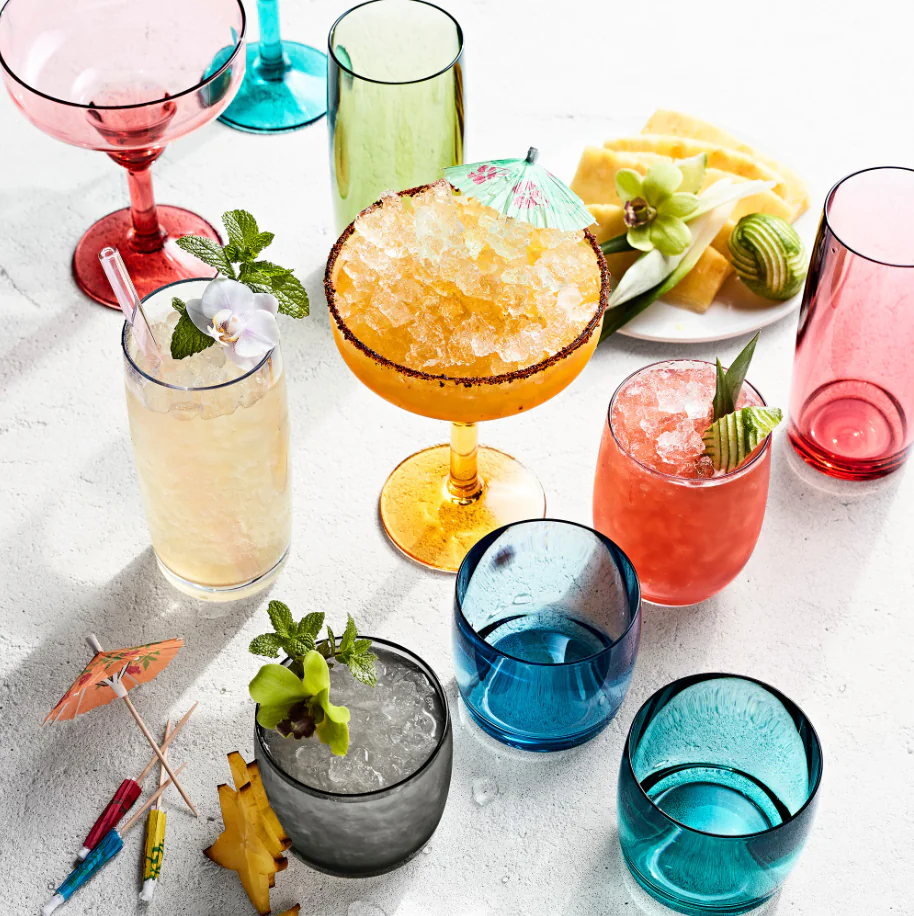
Plastic (Tritan, PP, PC) — Pros: lightweight, shatterproof, cost-efficient, and suitable for children’s lines. Tritan has superior clarity and BPA-free certification, making it a safer premium plastic choice. Cons: perceived as lower-end by some consumers; long-term environmental concerns can limit marketability.
From a wholesale and sourcing perspective, evaluate drinkware wholesale options against MOQ thresholds, tooling costs, and finish options. Some buyers optimize by offering multi-material ranges—glass for premium SKUs, Tritan for family-focused SKUs, and stainless steel for travel lines—allowing segmentation of price tiers and inventory risk. Consider also whether your supplier can provide both small minimums for new designs and competitive pricing for scale production; this flexibility often differentiates competent manufacturers from true partners.
In short, “best” is context-dependent. Match material attributes to your customers’ expectations, your brand promise, and your operational constraints—then validate with samples and small pilot runs to confirm market fit.
2.2 What Is the Healthiest Drinkware? (Pros & Cons of Each Material)
Health and safety are non-negotiable in drinkware sourcing; they directly affect compliance, return risk, and brand reputation. In evaluating the health profile of materials, consider chemical stability, migration risk, ease of cleaning (which affects bacterial growth), and certification availability. This section addresses common materials and their health implications to help procurement teams make informed decisions about how to choose the drinkware with safety in mind.
From a procurement angle, sourcing from a reputable bulk drinkware supplier that provides third-party test reports (e.g., SGS, Intertek) is essential. For buyers comparing best drinkware material options, prioritize suppliers who can supply certificates for LFGB/FDA, BPA-free confirmation, and migration/lead tests. Beyond certifications, consider maintenance: materials that withstand dishwasher sanitization reduce bacterial risks in commercial environments.
Healthiest Drinkware Materials: Safety & Sourcing Guide
| Material | Health & Safety Profile | Key Sourcing Considerations |
| Glass | Excellent. Chemically inert, does not leach, preserves taste purity. Borosilicate glass offers superior thermal shock resistance. | Ensure lead-free and food-safe glazes. Request LFGB/FDA compliance certificates. Easier to clear safety testing than composites. |
| Ceramic | Conditionally Safe. High-quality, properly fired glaze is essential. Low-quality glazes may contain lead or cadmium. | Require heavy metal test certificates. Verify that all decorative finishes are food-safe. Provide clear care instructions to end-users. |
| Stainless Steel | Very Good. Food-grade (304/18/8) is non-reactive and corrosion-resistant. Non-porous surface is hygienic and easy to clean. | Verify inner lining of insulated ware is food-grade. Check for quality of welded seams. Ideal for commercial use due to durability. |
| Plastic (Tritan, PP) | Good for Designated Use. Must be certified BPA-free. Tritan avoids estrogenic activity. Subject to heat-related leaching risks. | Demand BPA-free and migration test reports. Confirm temperature range ratings. Best for kids’ and cold-beverage applications. |
Drinkware Materials: Pros and Cons
In sum, the healthiest drinkware is the one that combines inert material properties with verified third-party testing and appropriate user-care instructions. For importers and retailers, adopting this standard reduces regulatory risk and builds consumer trust—two decisive advantages in competitive markets.
3. How to Choose the Right Glassware for Different Drinks
Selecting the right glassware goes far beyond aesthetics—shape, thickness, and capacity directly influence the flavor, aroma, and overall drinking experience. For retailers, importers, and hospitality buyers, understanding how to choose the drinkware for each beverage category helps build stronger product assortments and avoid stocking mismatched SKUs. In markets where consumer expectations are high, proper glassware selection can also differentiate your brand and elevate perceived value, especially when competing against well-established suppliers.
Different beverages require different functional characteristics. Wine glasses enhance aeration; whiskey glasses emphasize aroma concentration and ice-handling space; juice and water glasses focus on comfort and durability for high-frequency use. A well-structured choose drinkware guide helps buyers quickly determine which shapes align with their customers’ needs and which price tiers to adopt for everyday vs. premium collections.
From a sourcing standpoint, selecting a factory with stable molding capability and consistency in glass thickness is essential. Whether working with small batch suppliers or a bulk drinkware supplier, understanding the purpose behind each glass shape ensures better negotiations and more targeted procurement decisions. Ultimately, matching glassware to specific beverage types leads to stronger resale performance and a more professional product line.
3.1 Wine, Whiskey, Water, Juice — Do You Really Need Different Glasses?
Yes—because each drink interacts with oxygen, temperature, and aromas differently. For example, wine glasses are designed with wider bowls to promote aeration, enhancing flavor complexity. Whiskey glasses typically feature a heavier base and narrower rim to concentrate aromas while accommodating ice or whiskey stones. Water and juice glasses prioritize ergonomics, stability, and durability, especially for restaurants and everyday home use.
Understanding how to choose the drinkware for different beverages allows importers and retailers to tailor assortments that meet both functional expectations and market trends. Choosing the right shapes also reduces product returns and improves long-term customer satisfaction.
For procurement teams, offering a segmented glassware collection increases upselling opportunities and strengthens brand positioning. As you decide on materials, remember that glass clarity and surface smoothness matter—both affect how drinks appear and influence taste perception. In addition, factors such as capacity alignment with a drinkware size guide, dishwasher resistance, and packaging safety play key roles in selecting commercial-ready SKUs.
In short: different beverages deserve different glasses, and this differentiation creates real market value for your product line.
3.2 How to Choose a Correct Glassware Shape (Based on Aroma, Temperature & Experience)
Choosing an everyday tumbler goes beyond looks; it’s about balancing durability, convenience, and consumer expectations. Whether sourcing for retail, e-commerce, or corporate gifting, understanding how to choose the drinkware for daily routines—office, gym, travel, or home—is crucial for high-selling SKUs.
Tumblers offer broad customization potential, from material and insulation type to lid design and color finishes. This flexibility makes them ideal for OEM/ODM development, enabling businesses to differentiate products while controlling unit cost. Working with a reliable bulk drinkware supplier ensures access to consistent molds, quality material, and certifications for food safety.
For buyers, integrating a choose drinkware guide with SKU segmentation—insulated vs. non-insulated, small vs. large capacity—ensures products meet practical daily needs while supporting a scalable inventory strategy.
4. How to Choose the Right Tumbler for Everyday Use
Choosing an everyday tumbler goes beyond looks; it’s about balancing durability, convenience, and consumer expectations. Whether sourcing for retail, e-commerce, or corporate gifting, understanding how to choose the drinkware for daily routines—office, gym, travel, or home—is crucial for high-selling SKUs.
Tumblers offer broad customization potential, from material and insulation type to lid design and color finishes. This flexibility makes them ideal for OEM/ODM development, enabling businesses to differentiate products while controlling unit cost. Working with a reliable bulk drinkware supplier ensures access to consistent molds, quality material, and certifications for food safety.
For buyers, integrating a choose drinkware guide with SKU segmentation—insulated vs. non-insulated, small vs. large capacity—ensures products meet practical daily needs while supporting a scalable inventory strategy.
4.1 Insulated vs. Non-Insulated: Which One Performs Better?
Insulated tumblers, especially double-wall stainless steel vacuum models, excel in temperature retention, keeping beverages hot for 6–12 hours or cold for 12–24 hours. These are ideal for outdoor, travel, or corporate gifting markets due to durability and premium feel.
Non-insulated options, commonly Tritan or PP plastics, are lightweight and cost-efficient. They suit home or office use where temperature retention is secondary. Retailers targeting drinkware wholesale options often adopt a mixed-material strategy—offering both insulated premium products and entry-level non-insulated lines—to capture wider audiences.
Importers should evaluate both types against shipping constraints, unit cost, and target consumer expectations, ensuring a balanced product mix that maximizes both profitability and usability.
4.2 Size, Lid Type, and Portability — What Matters Most?
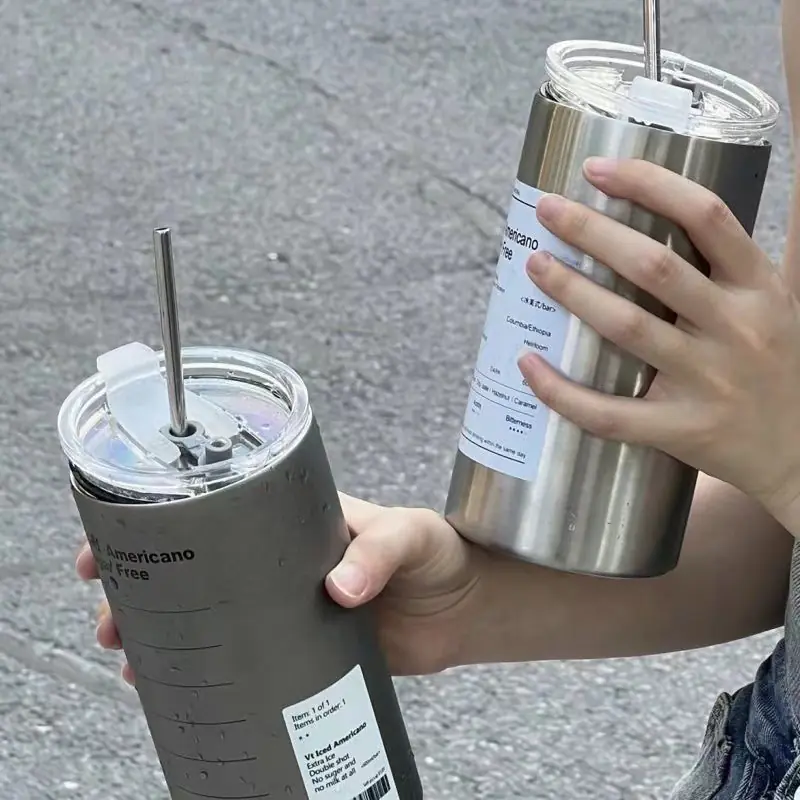
Capacity, lid design, and portability are decisive factors in everyday tumbler usability. Using a drinkware size guide, buyers can align offerings with consumer habits:12–16 oz for coffee and compact use
| Capacity (oz/ml) | Typical Use | Notes |
| 12–16 oz | Coffee/Compact | Fits cup holders, easy grip |
| 20 oz | Daily Hydration | Most versatile, standard SKU |
| 30–40 oz | Travel/Outdoor | Mega tumbler trend, high capacity |
Lid types—flip, straw, screw-top—impact usability, while handles and silicone grips improve portability. Partnering with a bulk drinkware supplier ensures access to durable lids, reliable materials, and compliant certifications. Correct sizing, lid type, and portability are key to delivering consumer satisfaction and minimizing returns.
5. Style vs. Function: What to Look for in Drinkware Design
Design balances visual appeal and practical functionality, influencing both consumer satisfaction and commercial performance. Understanding how to choose the drinkware for style and performance ensures higher sell-through and repeat purchases.
International buyers must consider tooling costs, color consistency, surface finishing (powder coating, printing), and packaging. A strategic choose drinkware guide segments designs by market: minimalist for premium urban consumers, colorful for casual or children’s lines, printed for seasonal or gifting collections.
Selecting the right style mix, aligned with best drinkware material, supports both aesthetics and operational efficiency, strengthening brand value in wholesale and retail channels.
5.1 Minimalist, Modern, Colorful, Printed — What Fits Your Home or Lifestyle?
Consumers often pick drinkware reflecting personal identity. Minimalist designs suit premium or modern aesthetics; stainless steel enhances the look. Colorful designs using Tritan or PP appeal to families and youth, while printed patterns perform well in gifting and seasonal promotions.
From a sourcing perspective, color consistency, print adhesion, and matte finishes require careful QC. Using a best drinkware material reference helps match style with substrate—glass for elegance, stainless steel for modern minimalism, plastic for vibrant designs.
This approach ensures SKUs resonate with target markets and reduce inventory risk for wholesalers sourcing large quantities.
5.2 How Form Affects Grip, Comfort, and Durability
Ergonomics affect daily usability and product satisfaction. Features like tapered bodies for cup holders, handle size, wall thickness, and surface texture impact grip and durability. Thinner walls reduce weight but may dent; thicker walls improve lifespan and insulation.
Sourcing teams should work with a bulk drinkware supplier to confirm mold precision, surface coatings, and dimensional consistency. Using a drinkware size guide ensures ergonomics align with consumer expectations. Well-engineered form enhances comfort, reduces returns, and reinforces brand reputation—critical for high-volume wholesale operations.
6. How to Choose Drinkware Based on Occasion
Occasion dictates priorities—durability, insulation, or elegance. Understanding situational needs is vital for sourcing SKUs that satisfy both consumers and retail clients. A strategic choose drinkware guide helps match products with real-world use.
6.1 Everyday Home Use
For everyday home use, the key words are durability, versatility, and ease of maintenance. While end-consumers want their daily drinkware to look good on the table, the primary requirement is that it stands up to the rigors of dishwashers, frequent handling, and potential knocks. As a buyer, you should focus on materials like high-quality, tempered glass (such as Duran or Borosilicate), which offers excellent thermal shock resistance for moving from fridge to table, and high-fired ceramic, which provides a sturdy, chip-resistant finish for mugs and tumblers.
Design should prioritize stackability for efficient storage and a consistent aesthetic across a set. Consider offering bundles or sets that include versatile mid-sized tumblers (around 400-500ml) for water and juice, and standard 300-350ml mugs for coffee and tea. This choose drinkware guide for the home segment isn’t about specialty items; it’s about reliable workhorses. When sourcing, partner with a bulk drinkware supplier that can provide large quantities with consistent quality and a range of minimalist, universally appealing designs. This ensures your clients—whether retail stores or hospitality venues—can offer products that become the dependable foundation of their customers’ daily routines.
6.2 Outdoor Activities & Travel
The demands of outdoor activities and travel shift the priority entirely to portability, insulation, and unbreakable durability. The core consideration here is material science. Stainless steel, particularly double-walled vacuum-insulated steel, is the gold standard. It keeps beverages hot or cold for hours and is virtually indestructible. For more budget-conscious lines, high-grade Tritan™ copolyester plastic is an excellent alternative—it’s lightweight, BPA-free, and highly shatter-resistant, making it perfect for hiking and family outings.
The design must feature secure, leak-proof lids and ergonomic handles or grips. Sizes should be practical: larger 500ml-1L tumblers for all-day hydration and smaller 350-400ml options for shorter trips. This is where understanding the best drinkware material for the environment is critical. A glass wine glass is unsuitable for a picnic, but a sleek, shatterproof acrylic one is perfect. When evaluating drinkware wholesale options for this category, rigorously test samples for leak-proof performance and insulation claims. Sourcing reliable, adventure-ready products will position you as a supplier that understands the functional needs of active lifestyles and the businesses that cater to them.
6.3 Parties, Entertaining & Gifting
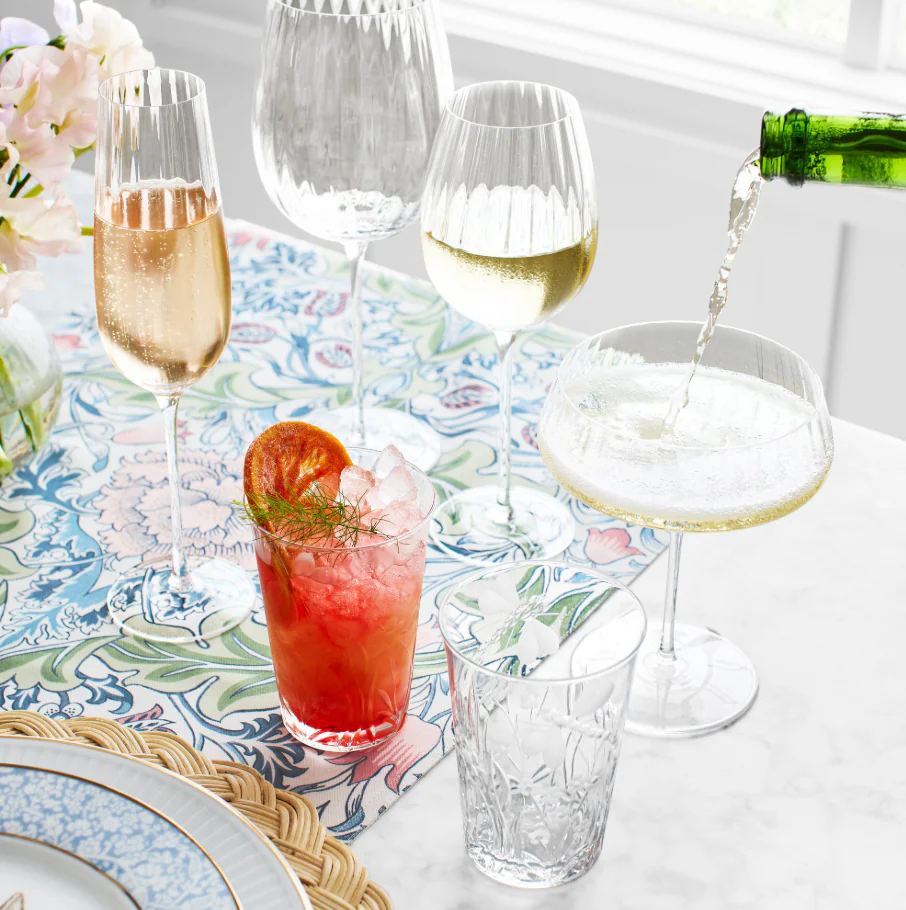
For parties, entertaining, and gifting, the focus moves from pure function to aesthetics, presentation, and perceived value. This is the segment where you can showcase elegance and thematic designs. Crystal-clear glassware and fine ceramic are paramount for creating a sophisticated tablescape. Think champagne flutes, elegant wine stems, and highball glasses that enhance the visual appeal of the drinks served. Cohesive sets, such as a matching cocktail kit or a gift box of espresso cups, have a high perceived value and are popular for gifting.
Offering customization—such as etching, monograms, or branded packaging—can dramatically increase the value proposition for corporate gifting or wedding clients. A clear drinkware size guide is also essential here; for instance, recommending a 180ml coupe for cocktails or a 400ml highball for mixed drinks shows expertise. This is the final layer in learning how to choose the drinkware, where emotion and experience take precedence. As a wholesaler, curating a collection of aesthetically distinctive and well-packaged drinkware allows your clients to create memorable moments for their customers, turning a simple transaction into an experience and ensuring repeat business.
Conclusion:
Navigating the vast landscape of drinkware options can be complex, but by following a structured decision-making process, you can make confident and profitable sourcing choices. This final checklist distills the key considerations from this guide into a quick, actionable workflow. Use this as your definitive roadmap to ensure you are selecting products that align perfectly with market demand, functional requirements, and your business objectives. Let this be the final step in mastering how to choose the drinkware that will satisfy your clients and strengthen your supply chain.
Before finalizing any order, systematically run through these 4 critical questions: this flowchart outlines the four critical steps in selecting the perfect drinkware, whether for personal use or business sourcing.

Drinkware Selection Guide: From Use Case to Sourcing
By methodically applying this checklist, you transform a complex decision into a simple, repeatable process. This disciplined approach ensures that every purchase order you place is informed, strategic, and poised for success in the market. This is the essence of knowing how to choose the drinkware wisely and strategically for long-term business growth.

Berry Bian, Marketing Director at UnionSource, brings years of experience in global sourcing and brand strategy. Berry focuses on analyzing market trends and sharing insights that help international buyers and business partners stay ahead in the fast-changing world of wholesale trade.