


Home decor is one of the most reliable — and most profitable — categories in global consumer sourcing. Demand keeps growing as consumers refresh their living spaces more frequently than ever, driven by social media trends, seasonal decorating cycles, and the continued rise of home-focused e-commerce. And when it comes to sourcing home decor at scale, no country matches China’s combination of cluster depth, MOQ flexibility, and price-to-quality ratio.
The challenge isn’t whether to source home decor from China — it’s which categories deserve your attention in 2026, and how to avoid the quality traps that catch first-time importers.
This guide breaks down the top 10 home decor categories to source from China in 2026. For each category, you’ll get the trend picture, the key production clusters, typical MOQs, and the red flags to watch for before you place an order.
List of Top Home Decor Categories to Source from China
| Category | Best-Sourcing Cluster | Typical MOQ | Best For |
| Ceramic Vases & Porcelain Decor | Jingdezhen, Chaozhou, Dehua | 100–500 pcs | Retailers, boutique brands |
| Wall Art, Frames & Canvas Prints | Shenzhen (Dafen), Yiwu | 50–200 pcs | E-commerce, dropshippers |
| Decorative Lighting | Zhongshan (Guzhen), Yiwu | 100–300 pcs | Retail, project sourcing |
| Home Textiles | Nantong, Shaoxing, Yiwu | 200–1,000 pcs | Private-label brands |
| Candles & Home Fragrance | Zhejiang, Fujian | 500–2,000 pcs | Gift brands, high-margin retail |
| Artificial Plants & Dried Florals | Yiwu, Dongguan | 50–500 pcs | Year-round stock rotation |
| Rugs & Area Carpets | Tianjin, Cao County (Shandong) | 50–200 pcs | Home-focused retailers |
| Woven Storage & Baskets | Linyi (Shandong), Guangxi | 100–500 pcs | Eco/lifestyle brands |
| Decorative Mirrors & Metal Decor | Yiwu, Foshan | 50–200 pcs | Statement-piece sellers |
| Seasonal & Holiday Decor | Yiwu | 1–5 cartons (market) | Seasonal margin plays |
1. Ceramic Vases & Porcelain Decor
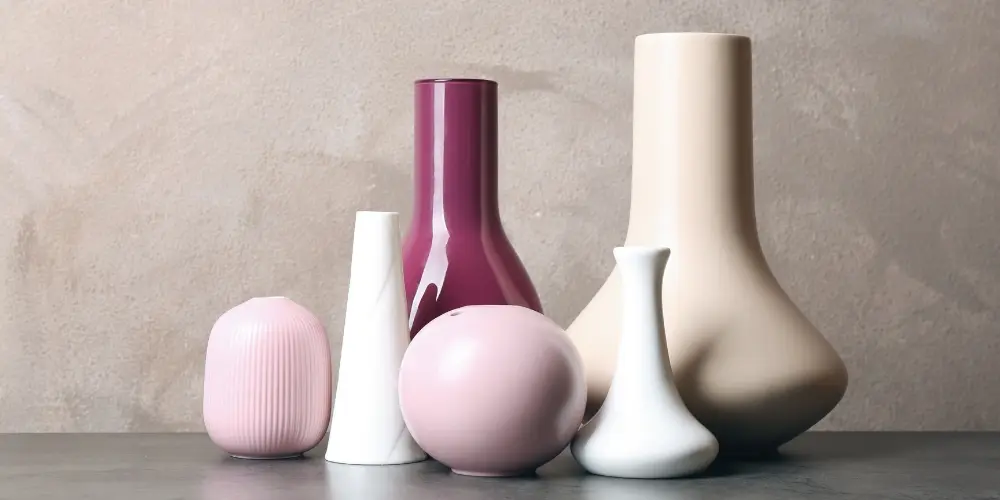
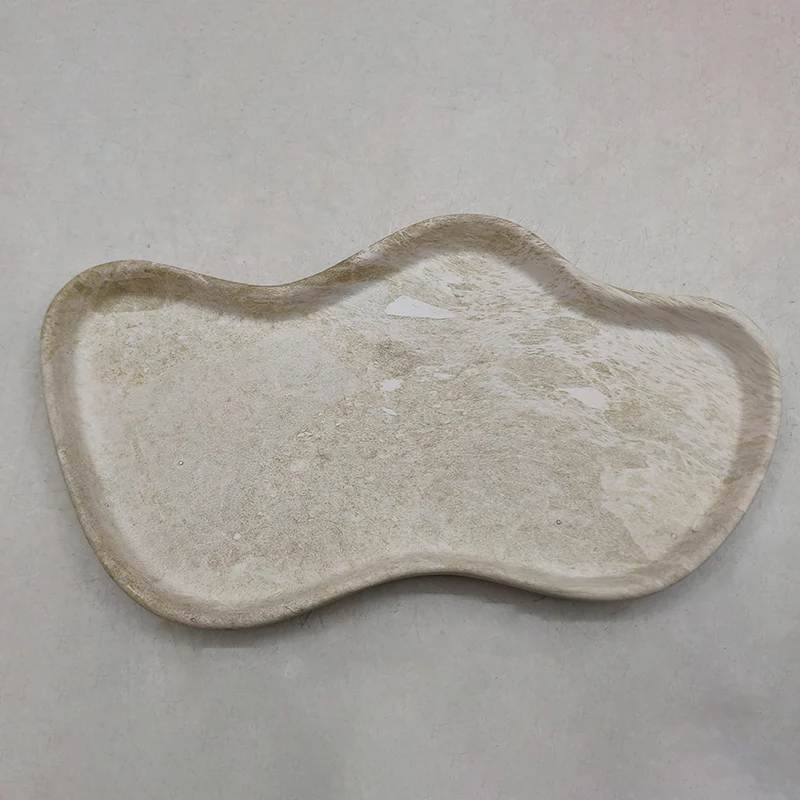
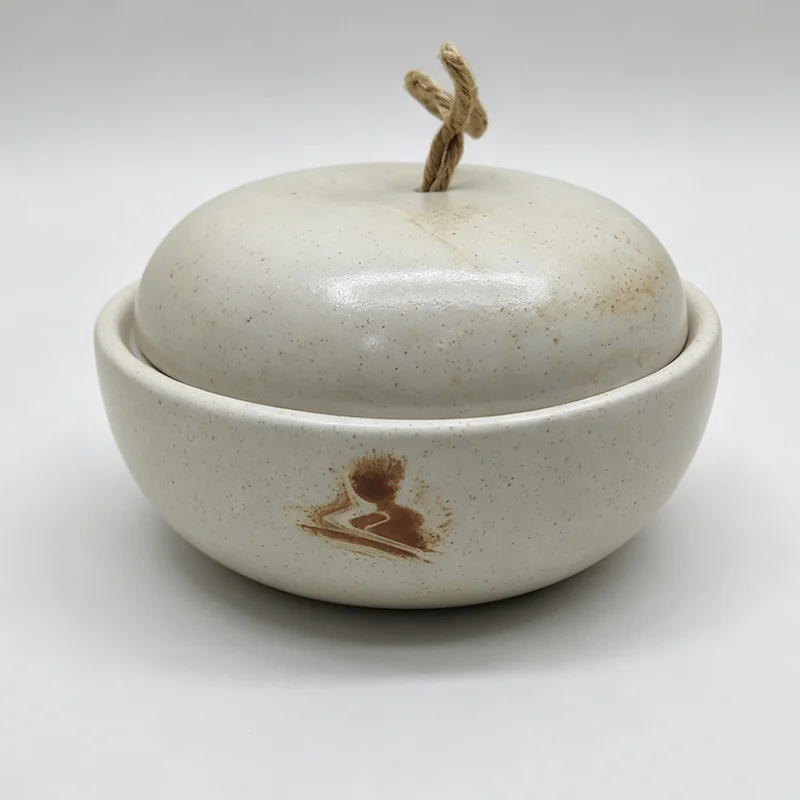
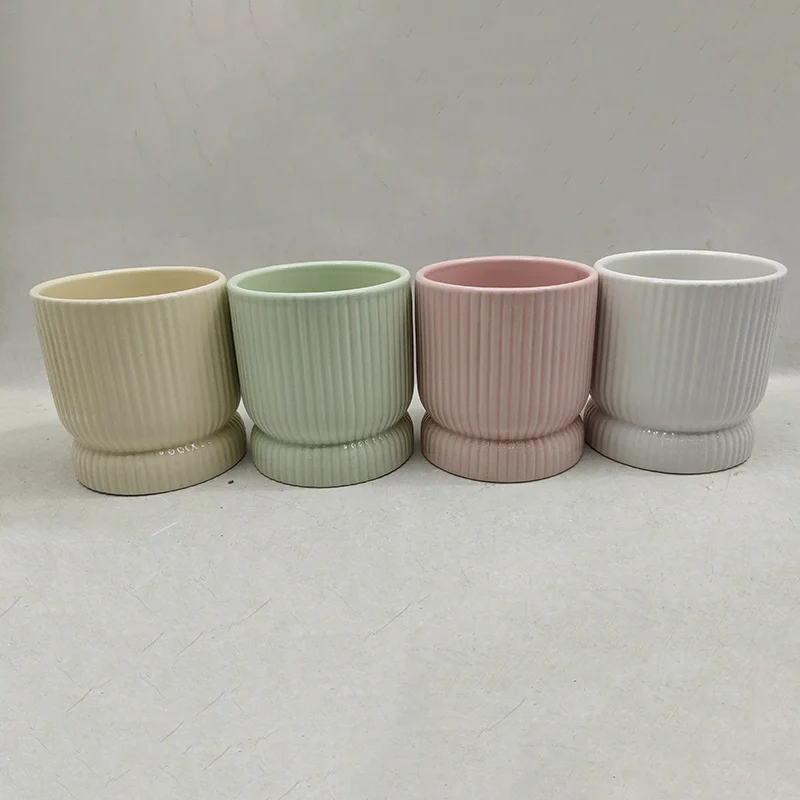
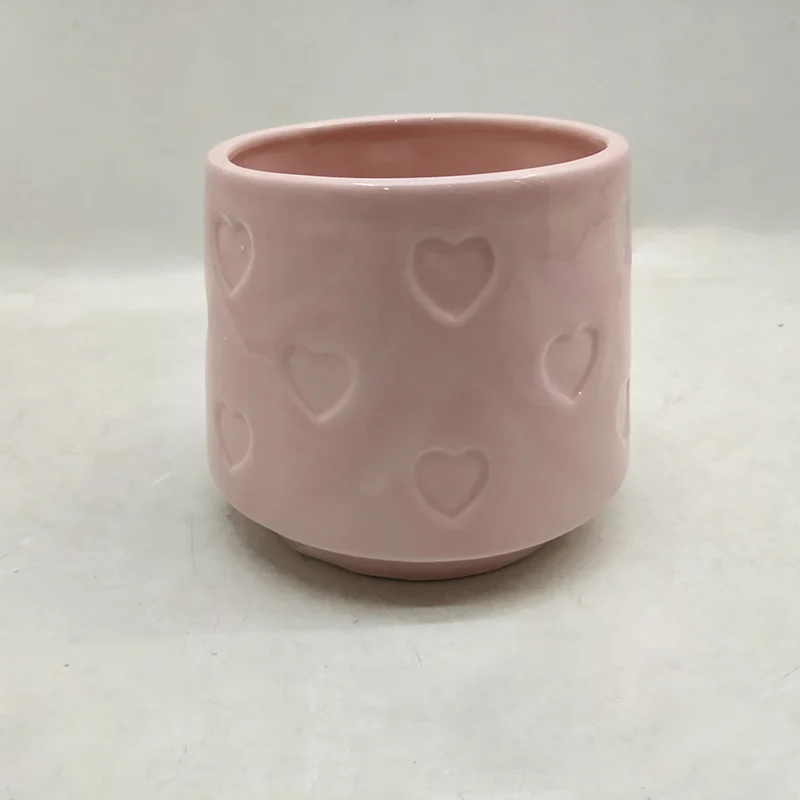
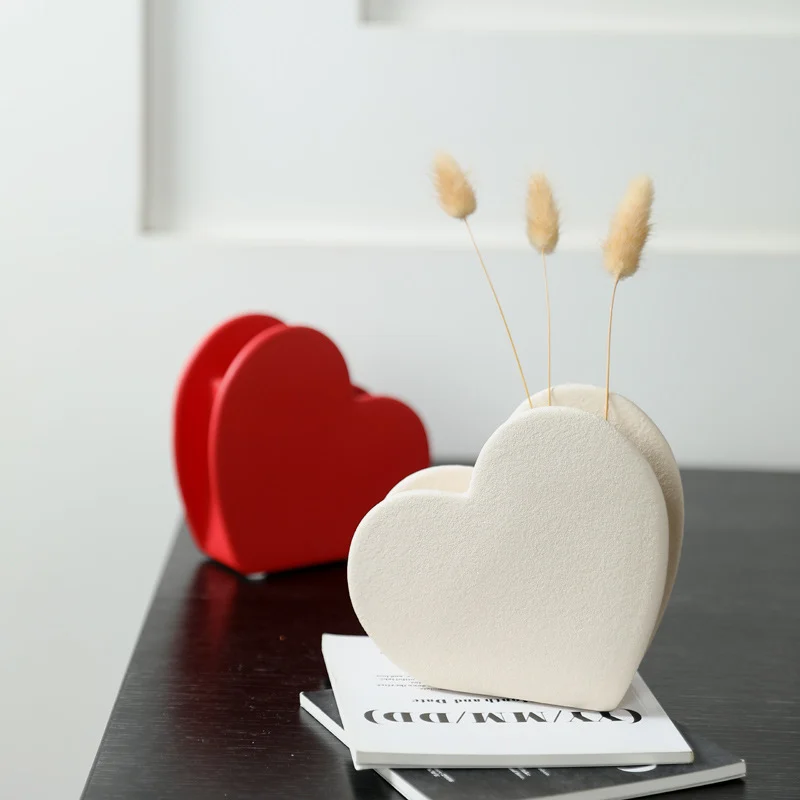
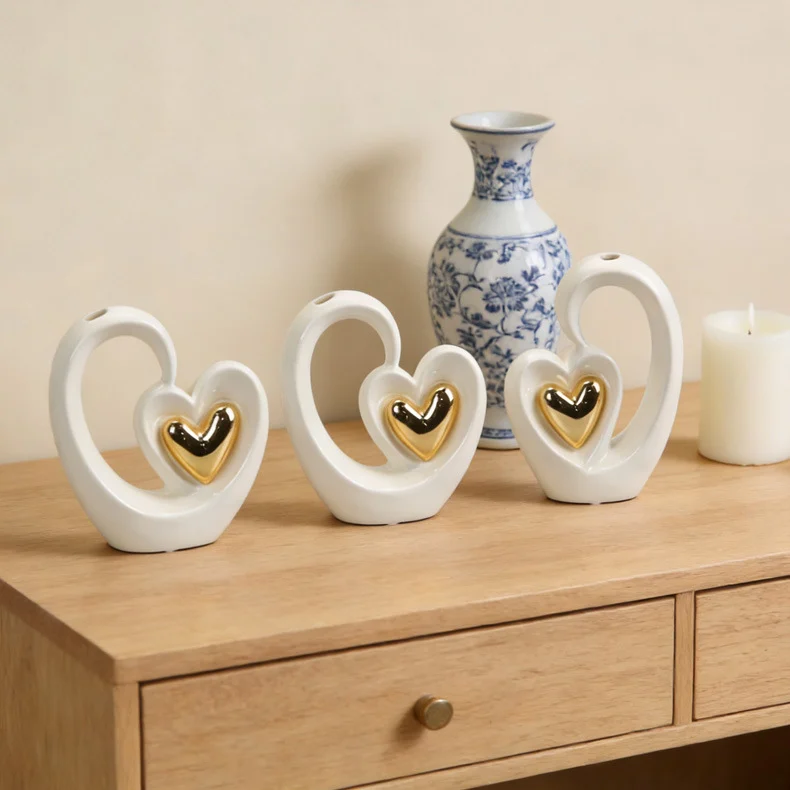
2026 trend overview. Organic shapes, matte glazes, and an “artisanal-made-affordable” aesthetic continue to dominate. Earthy tones — terracotta, sand, olive — outsell glossy traditional finishes in Western markets, and slightly imperfect, hand-thrown-look pieces command premium margins.
Key product lines & clusters. Jingdezhen remains China’s porcelain capital for high-end and artistic pieces; Dehua specializes in blanc de Chine and export-grade ceramics; Chaozhou handles high-volume daily-use ceramics. Yiwu’s market consolidates mid-range vases and decor sets for mixed orders.
Typical MOQ. Factory MOQs run 100–500 pcs per SKU; Yiwu market suppliers often sell by the carton (10–30 pcs), which is ideal for testing designs before committing to production.
Red flags. Glaze defects (pinholes, uneven color) and breakage in transit are the two biggest risks. Demand packed samples, require 5-layer export cartons with foam or honeycomb wrap, and specify a breakage rate allowance (typically ≤2%) in your contract. Always check the bottom of samples — foot rims are where firing cracks hide.
2. Wall Art, Frames & Canvas Prints
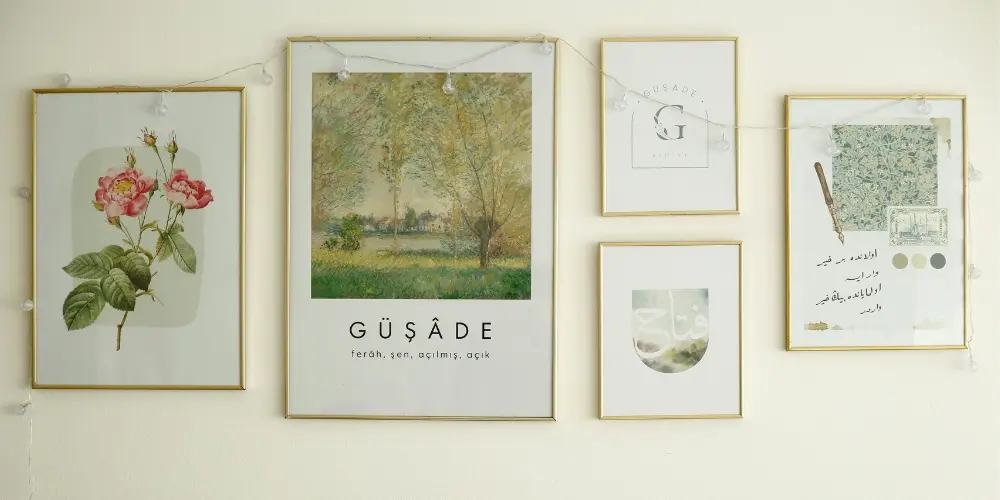
2026 trend overview. Gallery walls are back, and textured art is the story of the year — impasto-style canvases, fabric-wrapped panels, and framed prints in warm wood tones. Custom and personalized prints are strong e-commerce performers.
Key product lines & clusters. Shenzhen’s Dafen Oil Painting Village is the world’s largest hand-painted art cluster, capable of both original designs and reproduction at scale. Yiwu handles framed prints, photo frames, and mass-market wall decor.
Typical MOQ. Canvas prints from 50–100 pcs; hand-painted pieces can often start at 20–50 pcs per design.
Red flags. Color deviation between the approved sample and bulk production is the #1 complaint — insist on a pre-production sample for every SKU and check under daylight conditions. Watch for frame warping (moisture content too high in MDF frames) and inadequate corner protection in packing.
3. Decorative Lighting
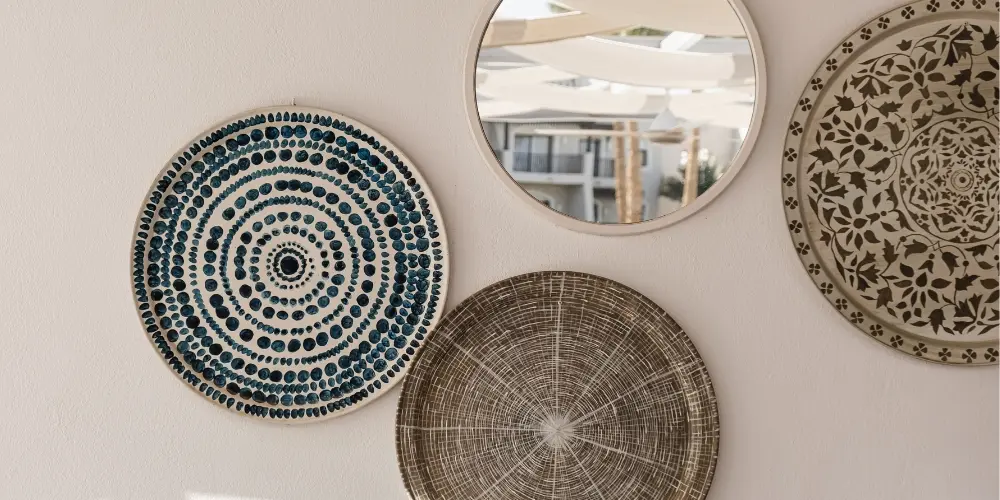
2026 trend overview. Sculptural lighting leads: paper-lantern spheres, rattan pendants, mushroom-table-lamp silhouettes, and warm-dim LEDs that shift color temperature in the evening. Lighting is increasingly treated as decor first and fixture second.
Key product lines & clusters. Guzhen in Zhongshan is China’s lighting capital — an entire town dedicated to lighting manufacturing, from components to finished fixtures. Yiwu covers decorative accent and seasonal lighting.
Typical MOQ. 100–300 pcs per model from factories; Guzhen’s component ecosystem keeps prices competitive relative to anywhere else in the world.
Red flags. Certification is non-negotiable: CE for Europe, UL/ETL for North America, SAA for Australia. Uncertified wiring will be seized at customs or rejected by retailers — ask for certificates before paying a deposit, and verify they match the exact model you’re ordering. Inconsistent color temperature between batches is a second, quieter problem worth specifying in writing.
4. Home Textiles — Cushions, Throws & Curtains
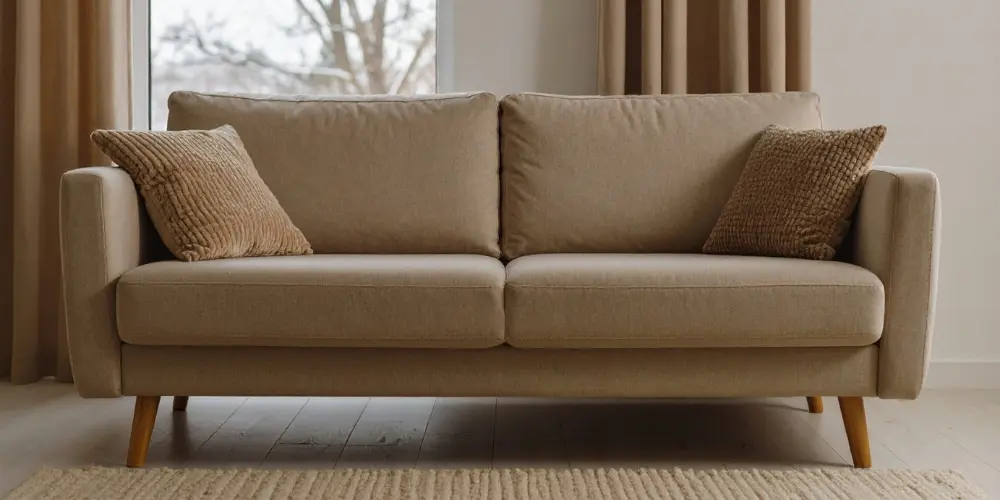
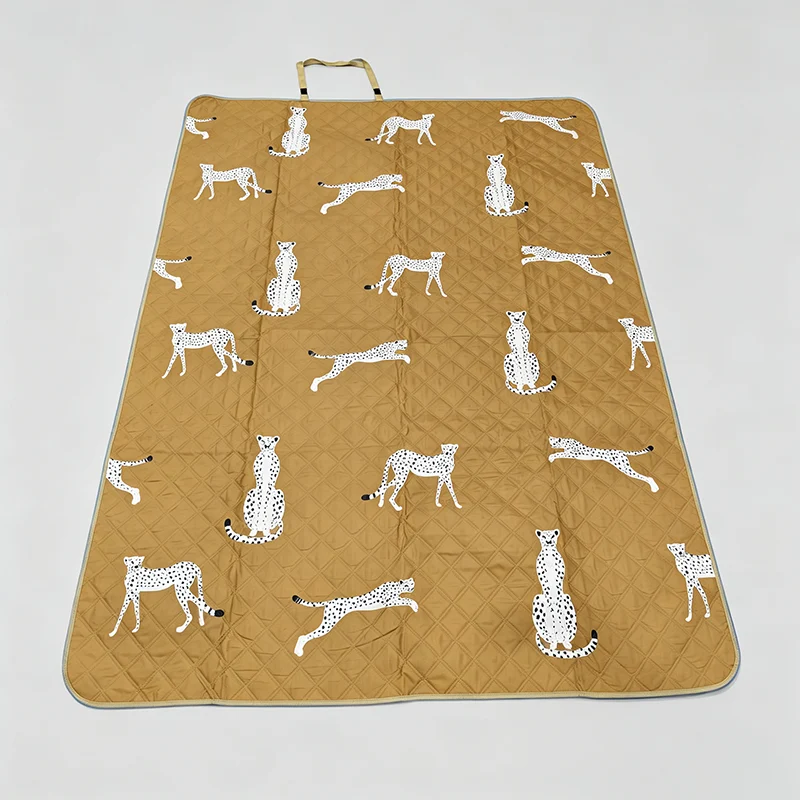
2026 trend overview. Boucle has moved from furniture to accessories; washed linen, waffle weaves, and earth-toned palettes continue to run Western home retail. Cushion covers are among the best margin-per-cubic-meter products in the entire decor category.
Key product lines & clusters. Nantong is China’s home-textile hub for bedding and curtains; Shaoxing (Keqiao) is the upstream fabric capital; Yiwu consolidates cushion covers, throws, and table textiles at market-friendly MOQs.
Typical MOQ. 200–1,000 pcs per design for covers; fabric grading (gram weight, cotton vs. poly blends) drives most of the price variance.
Red flags. Fabric weight misrepresentation is common — a “300gsm” cover arriving at 240gsm is a classic dispute. Specify tolerance (±5%) in your PO. Also test shrinkage after one and three washes; anything beyond 3–5% will generate returns in e-commerce.
5. Candles, Diffusers & Home Fragrance
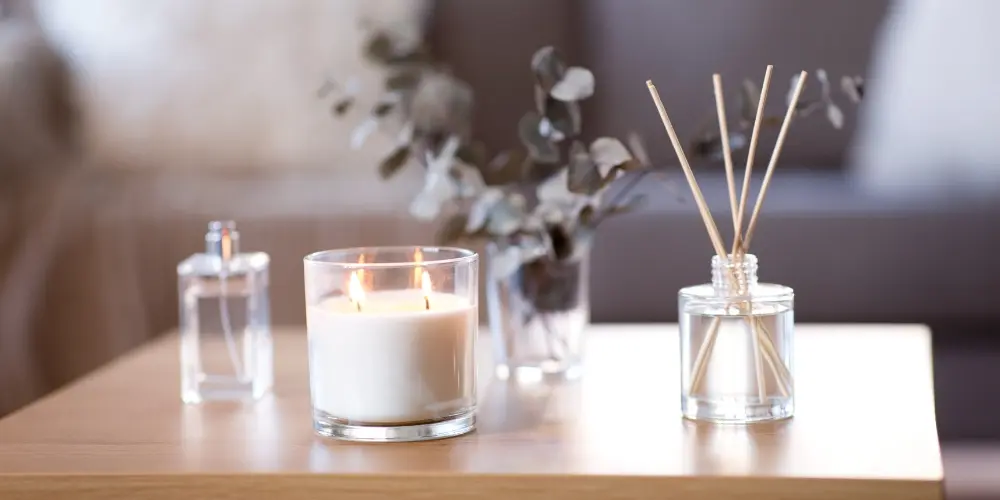
2026 trend overview. Sculptural candles that double as decor, gift-ready fragrance sets, and “clean-burn” claims (soy, coconut wax) are the growth engines. Home fragrance is a repeat-purchase category — which makes it a retention machine for retail brands.
Key product lines & clusters. OEM/white-label candle factories cluster in Zhejiang and Fujian, many with in-house fragrance labs and full private-label capability: vessel, wax, scent, and packaging.
Typical MOQ. 500–2,000 pcs for private-label production.
Red flags. Two structural risks: heat and freight classification. Candles deform in high-temperature transit — specify heat-resistant formulations for summer shipping and avoid lengthy unventilated container dwell. Check carrier restrictions on flammable goods for your lane. Fragrance load inconsistency between production batches is the quality issue to catch at pre-shipment inspection.
6. Artificial Plants, Dried & Preserved Florals
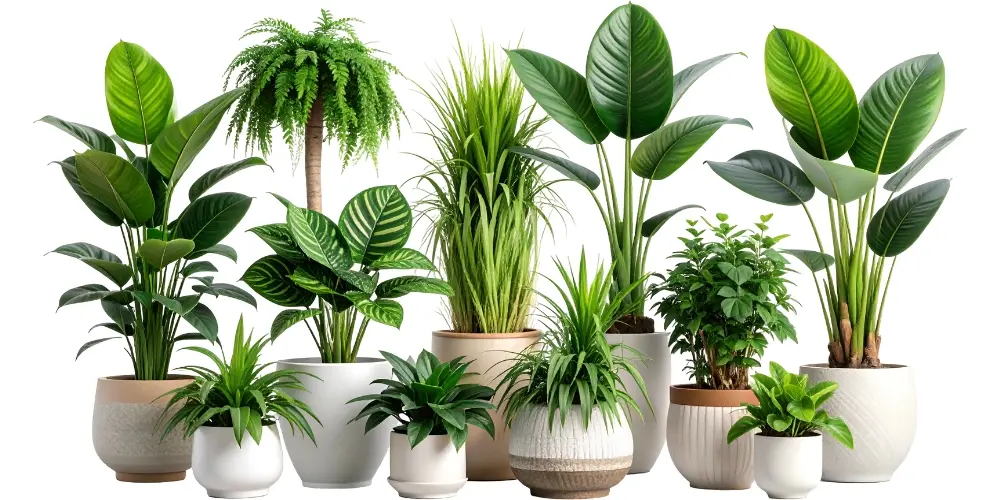
2026 trend overview. The “biophilic” look isn’t fading: statement olive branches, pampas, and preserved eucalyptus continue to anchor neutral-toned interiors. Low-maintenance greenery sells year-round to both residential and commercial buyers (cafés, offices, staging).
Key product lines & clusters. Yiwu is the primary hub for artificial plants and florals, with Dongguan hosting many of the larger factories behind the market stalls.
Typical MOQ. Market MOQs as low as a few cartons; mixed-container strategies work extremely well here — a single Yiwu order can combine plants, vases (category 1), and baskets (category 8) into one cohesive assortment.
Red flags. UV fading for items sold as “outdoor-safe,” plasticky odor (a sign of low-grade PE/PVC), and shedding leaves are the three recurring complaints. Request UV-treatment certificates where relevant, and open cartons at inspection to check for compression damage — artificial greenery ships best with proper internal support.
7. Rugs & Area Carpets
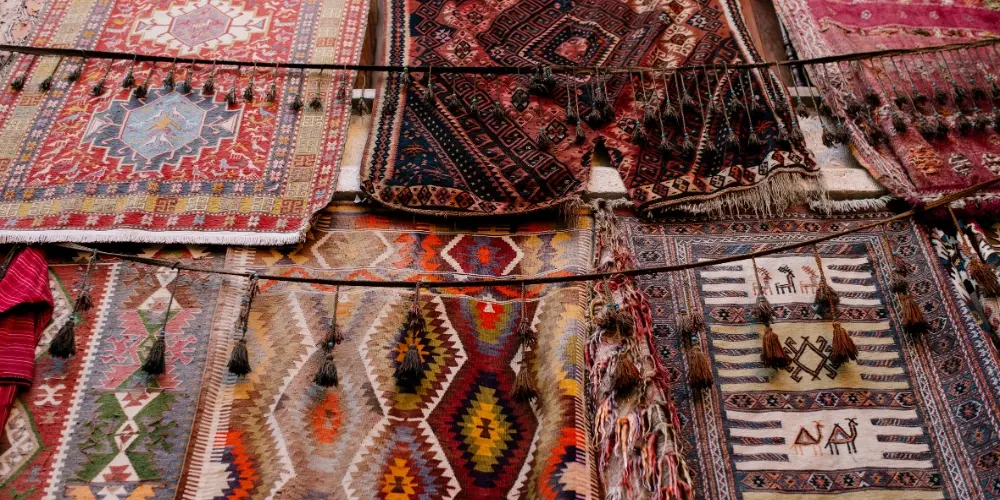
2026 trend overview. Machine-washable rugs keep converting strongly in e-commerce, while vintage-look distressing (reproduction Persian and Turkish styles at accessible prices) dominates the mid-market. Rugs anchor entire decor looks — and carry correspondingly strong order values.
Key product lines & clusters. Tianjin leads in machine-made rugs; Cao County in Shandong has become the cluster for machine-washable and low-pile styles at aggressive price points.
Typical MOQ. 50–200 pcs per size/colorway; sampling fees usually apply but are commonly credited back on bulk orders.
Red flags. Shedding on new production, curled or uneven edges, and colorfastness failures (dye bleeding after cleaning) are the top three quality issues. Spec a shedding tolerance, check edge-stitching on samples, and request colorfastness testing reports for dark or saturated colorways.
8. Woven Storage — Baskets, Rattan & Seagrass Organizers
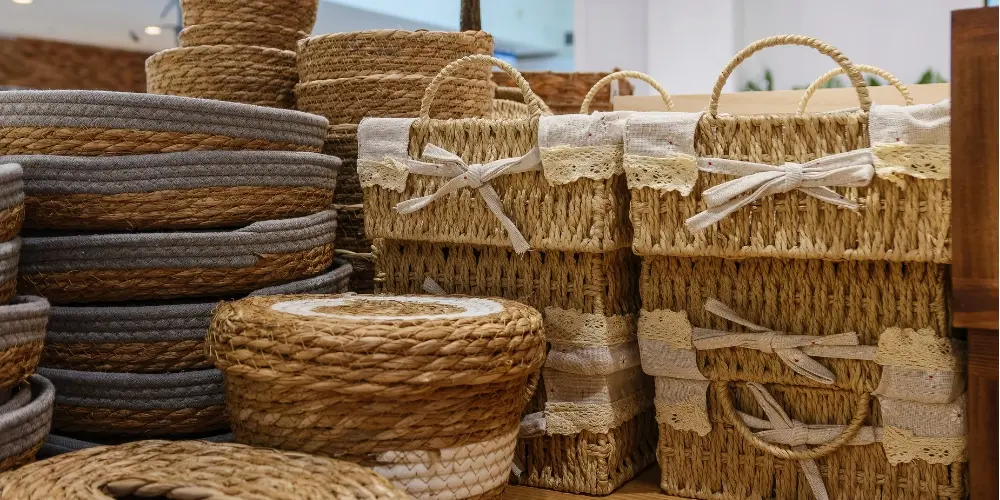
2026 trend overview. Natural materials plus the decluttering trend keep woven storage in growth. Multifunctional pieces — baskets that work as planters, storage, and shelf styling — are the sweet spot.
Key product lines & clusters. Linyi in Shandong is the hub for straw and seagrass weaving; Guangxi and Hainan supply rattan; Yiwu consolidates it all for export buyers.
Typical MOQ. 100–500 pcs per SKU; hand-woven items from weaving cooperatives can be negotiated at lower MOQs with longer lead times.
Red flags. Mold in transit is the biggest risk for natural-fiber goods — require full drying before packing, silica gel in cartons, and consider fumigation certificates depending on destination regulations. Weaving consistency varies piece to piece; define acceptable variation with photos at sampling stage. For genuine rattan, verify sustainability claims if your market requires documentation.
9. Decorative Mirrors & Metal Wall Decor

2026 trend overview. Arched and organic-shaped mirrors, thin brass-frame profiles, and statement metal wall pieces continue their multi-year run. Mirrors are high-perceived-value items with some of the strongest markup potential in home decor.
Key product lines & clusters. Yiwu is the consolidation hub; Foshan’s hardware and metalworking ecosystem supports higher-end frame production.
Typical MOQ. 50–200 pcs per design; heavier pieces shift the economics toward sea freight and palletized packing.
Red flags. Silvering defects (cloudy patches, black-edge corrosion) appear under humid conditions — test samples in a humidity chamber or at minimum inspect under strong angled light. Frame finish bubbling on plated metals is a common bulk issue. Most importantly: mirrors need export-grade packing (corner protectors, full foam, “this side up” cartons) — inadequate packing, not product quality, causes most mirror losses.
10. Seasonal & Holiday Decor (Christmas, Halloween, Festive)

2026 trend overview. The smartest decor sellers now run a year-round seasonal rotation — Halloween has grown into a peak season rivaling Christmas in the US market, and smaller moments (Easter, harvest, Valentine’s) fill the calendar between them. Seasonal decor is a margin play: urgency-driven buying supports full-price selling.
Key product lines & clusters. Yiwu is the world’s largest seasonal-decor hub, full stop. The majority of the world’s Christmas decorations move through its market and factories. Canton Fair Phase 2 consolidates the category’s newest launches each spring and autumn.
Typical MOQ. Yiwu market suppliers sell by the carton — the lowest effective entry point of any category on this list.
Red flags. Three: lead times (seasonal goods miss their season = dead stock — order Christmas by April–May, Halloween by February–March); IP risk (unlicensed character designs appear at market stalls — buying them can expose you to customs seizures and legal claims); and tariff exposure on certain product lines into certain markets, worth checking with your customs broker before committing volume.
How to Choose the Right Categories for Your Business
The best category depends on your channel:
| Your Channel | Best-Fit Categories | Why |
| E-commerce/dropshipping | Wall art, artificial plants, candle accessories | Low weight, low breakage risk, high visual appeal |
| Brick-and-mortar retail | Ceramics, textiles, mirrors | Margin depth, display impact, trend rotation |
| Wholesale / distribution | Rugs, seasonal decor, woven storage | Volume demand, proven turnover |
| Private-label brand | Candles, textiles, lighting | Full OEM ecosystem, repeat purchase potential |
Two structural trade-offs to weigh: margin vs. logistics weight (a container of cushion covers outsells a container of rugs per dollar of freight, but rugs carry higher order values), and testing vs. commitment — for first-time importers, a mixed container across 3–4 low-MOQ categories beats a full commitment to one.
7 Ways to Source Home Decor from China
- Canton Fair (Phase 2) — the home decor phase, held each spring and autumn. Best for meeting verified manufacturers face to face and seeing new launches first.
- Yiwu International Trade City — 75,000+ booths across the world’s largest small-commodities market. Best for low MOQs, mixed containers, and category breadth.
- Factory-direct sourcing — highest margins and deepest customization, but requires due diligence and usually higher MOQs.
- Online B2B platforms (Alibaba, Made-in-China) — efficient for discovery and RFQs; still verify suppliers independently.
- A professional sourcing agent — handles supplier vetting, QC, consolidation, and export paperwork; pays for itself quickly on mixed or multi-supplier orders.
- Specialized trade shows — cluster-specific fairs (e.g., lighting fairs in Guzhen, textile fairs in Shanghai) go deeper than the mega-fairs.
- OEM/ODM partnerships — for brands building proprietary product lines with design ownership.
For most importers building a home decor program, the realistic question isn’t which channel — it’s which combination. A sourcing agent with a physical presence at Yiwu and Canton Fair can run several of these channels in parallel on your behalf, consolidating dozens of suppliers into one quality-controlled shipment.
Conclusion
Home decor sourcing in 2026 rewards specificity: the winners pick two or three categories, understand their clusters deeply, and lock down quality at the sampling stage rather than the inspection stage. Ceramics, wall art, lighting, textiles, fragrance, florals, rugs, woven storage, mirrors, and seasonal decor — each offers a distinct mix of margin, MOQ accessibility, and trend momentum.
You don’t have to navigate it alone. Union Source is a Yiwu-based sourcing company with a 10,000 m² showroom holding more than 80,000 products across home decor and general merchandise, a booth at Canton Fair Phase 2, and over $250 million in annual sourcing volume. Whether you’re testing your first mixed container or scaling a private-label decor brand, our team sources, inspects, and consolidates so you receive exactly what you approved.
Ready to start sourcing home decor from China? Contact Union Source for a free sourcing consultation.
FAQ
When should I order seasonal decor?
Christmas goods by April–May, Halloween by February–March, accounting for 30–45 days of production plus 25–40 days of ocean freight.
Do I need product certifications for home decor?
Depends on category and destination market. Lighting requires electrical certification (CE, UL/ETL, SAA); textiles may need labeling compliance; candles face shipping restrictions. Check before ordering — not after.
Can a sourcing agent handle mixed-category orders?
Yes — that’s where they add the most value. A single agent can consolidate ceramics, textiles, and decor from dozens of suppliers into one QC’d, consolidated shipment.

Zack, Marketing Manager at Union Source, brings years of experience in global sourcing and market strategy. Zack focuses on analyzing market trends and sharing practical insights that help international buyers and business partners stay ahead in the fast-changing world of wholesale trade.