

Induction
Ever wondered where your popular Ninja Air Fryer is actually made? The answer is more strategic than you might think. As a dominant name in kitchenware, Ninja’s manufacturing choices are a topic of great interest for businesses and consumers alike. This article uncovers the truth about the Ninja air fryer manufacturer and explores why production is primarily located in China kitchen appliance factory hubs. We’ll delve into the reasons behind this global supply chain model, from cost-efficiency to sophisticated kitchen appliance OEM/ODM capabilities. Furthermore, we’ll address how Ninja maintains rigorous quality control and how you can leverage similar kitchenware manufacturer in China networks to source high-quality products. Ready to learn the full story behind your favorite kitchenware? Let’s dive in.
1. What Is Ninja and Why Is It So Popular in Kitchenware?
Before we delve into the manufacturing details, it’s crucial to understand the brand itself. What exactly is Ninja, and how did it rise to become a household name in kitchens worldwide? As a leading Ninja kitchenware manufacturer and brand, its success isn’t accidental. This chapter explores the powerful combination of innovative product design, savvy marketing, and a sharp focus on solving real cooking pains. Understanding what makes this kitchenware manufacturer so popular provides the essential context for why its production choices, which we will uncover next, are so strategically sound.
1.1 The American Brand with a Global Reach
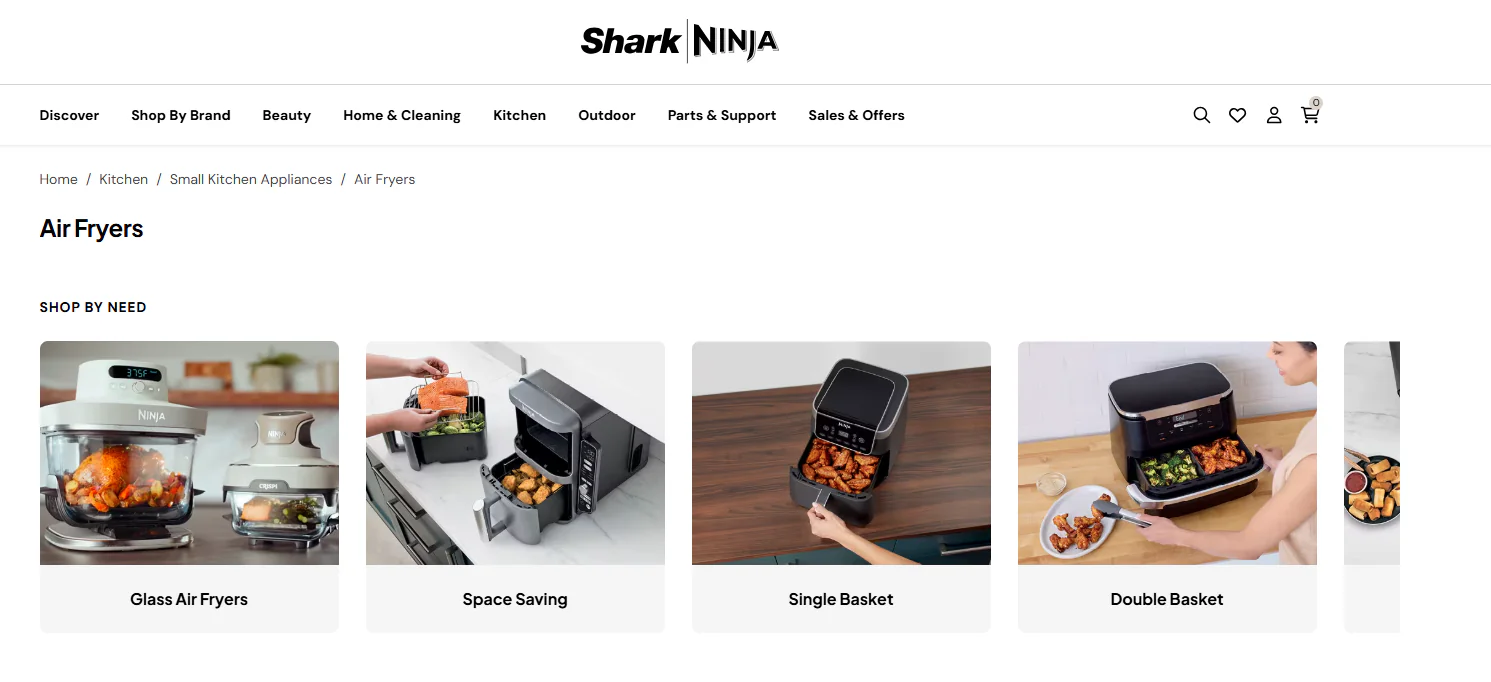
While our exploration into the Ninja air fryer manufacturer leads to a global supply chain, the brand’s heart is unmistakably American. Ninja is a flagship brand under SharkNinja Operating LLC, a company renowned for its innovative and user-focused home appliances. This American heritage is central to its brand identity, driving its marketing and product development to meet the dynamic needs of modern households, primarily in North America.
However, Ninja’s vision extends far beyond its national borders. The brand has achieved a formidable global reach, with its products, from versatile air fryers to high-performance blenders, gracing kitchens across Europe, Australia, and Asia. This international acclaim sets the stage for a critical question: how does an American brand efficiently meet such massive, worldwide demand? The answer lies in a strategic global manufacturing model, which leverages the expertise of international kitchenware manufacturers to scale production while maintaining the quality and innovation the brand is known for.
1.2 Key Factors Behind Ninja’s Market Success
Ninja’s journey from a newcomer to a kitchenware powerhouse is no accident. Its remarkable success stems from a strategic formula that resonates deeply with modern consumers. First and foremost is its relentless focus on innovation and multi-functionality. Products like the iconic Ninja Foodi series, which combines multiple appliances into one, directly address the desire for countertop simplicity and efficiency. This “all-in-one” solution solves a real pain point for home cooks, making it an irresistible proposition.
Beyond the products themselves, Ninja excels in effective marketing and building a strong brand presence. The brand masterfully utilizes social media and influencer partnerships to showcase its products in action, creating relatable and aspirational content. This, combined with a strategy of competitive pricing and high perceived value, makes their appliances feel both accessible and premium. Consumers believe they are investing in quality that justifies the cost, a perception carefully cultivated by the Ninja kitchenware manufacturer and its parent company. This powerful combination of smart design, sharp marketing, and strategic pricing is the core engine behind its widespread popularity and market dominance.
2. Where Are Ninja Air Fryers Made? Uncovering the Production Country
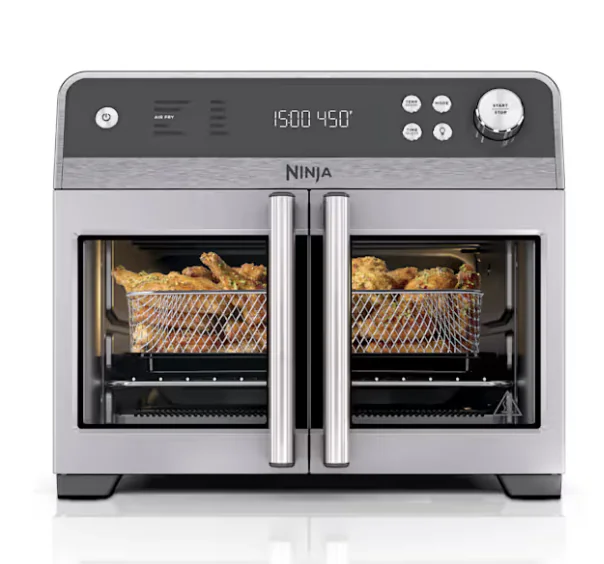
Now that we understand Ninja’s market appeal, let’s address the core question: where are these popular appliances actually produced? While Ninja is an American brand, its manufacturing footprint tells a global story. The truth is, your Ninja Air Fryer most likely bears a “Made in China” label. This chapter will definitively answer the search query “where are Ninja air fryers made” by examining the pivotal role of China kitchen appliance factory partners. We’ll move beyond the simple country of origin to explore how this strategic decision is integral to the Ninja air fryer manufacturer’s business model, setting the stage for understanding the “why” behind this global supply chain choice.
2.1 The Direct Answer: Sourcing from a China Kitchen Appliance Factory
When consumers inquire, “Where are Ninja air fryers made?” the definitive answer points to specialized manufacturing hubs in China. This revelation often surprises those who assume an American brand would produce domestically, yet this strategic manufacturing choice is precisely what enables Ninja to deliver innovative products at competitive prices. The brand’s success is intrinsically linked to its partnerships with sophisticated kitchen appliance OEM/ODM specialists across China’s industrial regions.
These manufacturing collaborations form the backbone of the Ninja air fryer manufacturer ecosystem. By leveraging the advanced capabilities of China kitchen appliance factory partners, Ninja accesses world-class production technology, skilled engineering workforce, and mature supply chains that would be cost-prohibitive to replicate elsewhere. This manufacturing framework ensures not only efficient mass production but also maintains the rigorous quality standards expected from a premium kitchenware brand.
The “Made in China” designation, therefore, represents more than just a country of origin—it signifies a carefully orchestrated manufacturing strategy. This global production model allows the Ninja kitchenware manufacturer to focus on design innovation and market expansion while relying on specialized manufacturing partners to deliver products that consistently meet global safety and performance standards.
2.2 Beyond the Label: Understanding the Global Supply Chain
While the “Made in China” label provides a straightforward answer, the reality of Ninja’s supply chain is far more complex and strategically sophisticated. The production of a single Ninja air fryer represents a truly global endeavor, coordinated by the core Ninja air fryer manufacturer through an intricate network of international suppliers. This global supply chain model is key to understanding how Ninja maintains both quality and cost-effectiveness.
The sophisticated kitchen appliance OEM/ODM partners in China serve as the crucial hub in this global network. They expertly manage the influx of specialized components sourced worldwide—from German-engineered heating elements to Japanese-designed digital sensors and Southeast Asian-produced housing materials. This intricate sourcing strategy allows the kitchenware manufacturer in China to leverage global expertise while maintaining stringent quality control. The final assembly in China represents just one phase in a meticulously orchestrated production process that spans continents.
This globalized approach to manufacturing demonstrates why simply identifying the production country tells only part of the story. The success of the Ninja kitchenware manufacturer lies in its ability to integrate the best available global resources—from component sourcing to final assembly—creating products that benefit from international expertise while meeting precise quality specifications and market demands.
3. Why Does Ninja Produce Its Kitchenware in China?
Having established that Ninja products are manufactured in China, a logical question arises: why would a successful American brand make this strategic choice? The decision goes far beyond simple cost savings and reflects a sophisticated global manufacturing strategy. This chapter delves into the compelling advantages that make China the preferred production base for the Ninja kitchenware manufacturer. We will explore how leveraging a Chinese kitchen appliance factory provides unparalleled benefits in scale, expertise, and supply chain efficiency. Understanding these reasons is crucial for any business looking to comprehend modern global manufacturing or considering partnership with a kitchen appliance OEM/ODM supplier.
3.1 The Strategic Advantages of a China-Based Kitchenware Manufacturer
The decision to manufacture in China is a strategic imperative for Ninja, driven by compelling economic and operational advantages that directly support its global market position. By partnering with a China kitchen appliance factory, the Ninja kitchenware manufacturer achieves unprecedented cost-effectiveness without compromising on scale or capability. This strategic choice provides a dual advantage: access to highly competitive labor markets and a mature ecosystem of material suppliers, which collectively lower production costs significantly. These savings can then be reinvested into research, design, and marketing—key drivers behind Ninja’s continuous innovation cycle.
Beyond initial cost benefits, the massive manufacturing scale and capacity available in China are indispensable for meeting Ninja’s global demand. When a new product like an air fryer gains viral popularity, the extensive network of kitchen appliance OEM/ODM partners can rapidly scale production to millions of units, ensuring timely delivery to markets across North America, Europe, and beyond. This operational agility, combined with the sophisticated infrastructure of a specialized kitchenware manufacturer in China, creates a resilient supply chain. It is this powerful combination of economic efficiency and industrial scalability that forms the cornerstone of Ninja’s ability to dominate the competitive kitchenware landscape, proving that the choice of manufacturing location is a calculated component of its overall business strategy.
3.2 Expertise and Supply Chain Ecosystem
China’s dominance in kitchen appliance manufacturing extends far beyond cost advantages, resting fundamentally on a deeply integrated and specialized industrial ecosystem. The country has developed a remarkably mature and specialized supply chain for kitchen appliances, where every component—from precision heating elements to high-quality non-stick coatings—is readily available within a concentrated geographic radius. This allows a custom kitchen appliances supplier to source materials with exceptional speed and efficiency, drastically reducing production lead times compared to fragmented global sourcing models.
At the heart of this ecosystem lies the profound technical expertise and experience of Chinese manufacturers. Decades of specialization have cultivated a skilled engineering workforce and management teams with deep institutional knowledge in appliance design, material science, and manufacturing processes. When Ninja partners with a kitchenware manufacturer in China, it is tapping into this vast reservoir of collective know-how. These custom kitchen appliances suppliers are not merely assembly plants; they are innovation partners capable of value engineering, solving complex production challenges, and transforming conceptual designs into mass-producible, high-quality goods. This synergistic partnership, where Ninja provides brand vision and market intelligence while the manufacturer delivers technical execution and production excellence, is a critical yet often overlooked factor in the brand’s global success.
4. How Does Ninja Ensure Quality Control During Production?
A common concern that arises upon learning about Ninja’s manufacturing location is quality assurance. How can a brand maintain its premium standards when producing overseas? This chapter directly addresses this critical question by revealing the meticulous quality control framework implemented by the Ninja kitchenware manufacturer. We will explore the rigorous protocols—from factory audits to production line inspections—that ensure every air fryer bearing the Ninja name meets exacting global standards. Understanding these processes is essential for any business evaluating a custom kitchen appliances supplier and demonstrates that geographic location does not define quality, but rather the systems put in place do.
4.1 Rigorous Standards and Factory Audits
For the Ninja kitchenware manufacturer, maintaining consistent quality across global production begins long before the assembly line starts. The cornerstone of this process is the implementation of rigorous standards and comprehensive factory audits. Ninja and its parent company enforce a multi-layered quality assurance system that demands compliance with international certifications such as UL, CE, and RoHS, ensuring products meet the strict safety and performance requirements of North American and European markets. This commitment to standardized excellence is non-negotiable for any kitchen appliance OEM/ODM partner in its supply chain.
The process initiates with stringent factory audits, where Ninja’s quality teams or designated third-party inspectors rigorously evaluate a potential custom kitchen appliances supplier. These audits assess everything from manufacturing capabilities and equipment maintenance to worker training and ethical labor practices. This due diligence ensures that only partners with proven infrastructure and operational discipline are selected. By establishing these high benchmarks from the outset, the Ninja air fryer manufacturer creates a foundation of excellence. This proactive governance of its supply chain is a critical strategy to mitigate risks and uphold the brand’s reputation, demonstrating that quality control is an integrated, systemic process rather than a mere final inspection.
4.2 The Role of a Reliable Kitchen Appliance OEM/ODM Partner
The assurance of quality extends far beyond initial audits, deeply embedded in the daily production processes managed by a reliable kitchen appliance OEM/ODM partner. These manufacturers implement a comprehensive, multi-stage inspection system that scrutinizes the product at every phase of creation. This begins with Incoming Quality Control (IQC), where all raw materials and components are verified against strict specifications before entering the production line, ensuring that only superior elements are used in the manufacturing of Ninja appliances.
As production progresses, In-Process Quality Control (IPQC) plays a pivotal role. Quality inspectors continuously monitor the assembly line, checking critical steps such as the installation of heating elements, electrical safety tests, and the calibration of digital controls. This real-time oversight allows for the immediate correction of any deviations, preventing minor issues from escalating into systemic defects. The final gatekeeper is the Final Random Inspection (FRI), where completed units are randomly sampled and subjected to rigorous functional and aesthetic checks, simulating real-world usage. This meticulous, process-oriented approach, championed by a qualified custom kitchen appliances supplier, transforms quality assurance from a theoretical standard into a tangible, delivered reality, ensuring that every product reaching the consumer upholds the brand’s promise of excellence and reliability.
5. Can You Source Similar Air Fryers from China?
Understanding Ninja’s successful manufacturing model naturally leads to a compelling question: can other businesses leverage the same supply chain? The answer is a definitive yes. This chapter explores the accessible pathway of sourcing high-quality air fryers directly from China’s manufacturing ecosystem. We will demystify how businesses can partner with a kitchenware manufacturer in China to develop their own branded products. From custom kitchen appliances supplier networks to kitchen appliance OEM/ODM services, we’ll uncover the practical steps to create competitive products that mirror the quality and innovation that made Ninja a market leader.
5.1 The Opportunity for White-Label and Custom Designs
The manufacturing ecosystem that produces Ninja air fryers is not an exclusive club; it represents a readily accessible opportunity for businesses worldwide. The key lies in understanding the flexible service models offered by Chinese manufacturers, primarily through OEM (Original Equipment Manufacturing) and ODM (Original Design Manufacturing) partnerships. This is precisely how a kitchenware manufacturer in China operates to serve diverse client needs. With OEM, you provide your specific design and specifications, and the factory manufactures the product accordingly. This is ideal for businesses with established product designs seeking a reliable production partner.
The even greater opportunity for many businesses lies in the ODM model. Here, the custom kitchen appliances supplier offers their own existing product designs and platforms that can be customized with your branding, colors, and selected features. This dramatically lowers the barrier to entry, as it eliminates the need for extensive research and development investment. Many of these kitchen appliance OEM/ODM factories have extensive catalogs of proven, market-ready air fryer designs that have passed rigorous safety and performance tests. This means you can source a product with quality and functionality comparable to leading brands, but with your unique branding, allowing for rapid market entry and brand establishment. This flexible manufacturing approach is the secret behind many successful private-label kitchenware lines.
5.2 Benefits of Partnering with a Chinese Kitchen Appliance Factory
Choosing to partner with a qualified China kitchen appliance factory delivers substantial competitive advantages that extend far beyond initial cost savings. The most immediate benefit is achieving significant cost savings and high profit margins. By leveraging optimized production scales and efficient supply chains, businesses can access manufacturing costs that are substantially lower than in Western countries, creating healthier margins while maintaining competitive retail pricing. This economic advantage provides crucial flexibility in marketing and distribution strategies.
Furthermore, collaborating with a sophisticated kitchen appliance OEM/ODM partner offers remarkable flexibility in product customization and branding. Unlike rigid manufacturing systems, these factories specialize in adapting to client needs—whether modifying existing designs or creating completely custom solutions. This adaptability ensures your products stand out in a crowded marketplace. Most importantly, this partnership enables dramatically accelerated speed to market with proven product designs. By utilizing a custom kitchen appliances supplier with existing technical expertise and pre-tested platforms, businesses can bypass years of R&D and testing, transforming concepts into shelf-ready products in months rather than years. This rapid deployment capability is invaluable in capturing emerging market trends and establishing early leadership positions.
6. How to Find a Reliable Kitchenware Supplier in China?
Recognizing the opportunity is the first step; the crucial next step is identifying the right manufacturing partner. Navigating China’s vast industrial landscape can be challenging for businesses new to international sourcing. This chapter provides a practical roadmap for connecting with trustworthy and competent manufacturers. We will explore effective sourcing channels for a trusted kitchenware manufacturer, from digital B2B platforms to international trade shows. More importantly, we’ll detail the essential steps for vetting your potential custom kitchen appliances supplier to ensure they meet your standards for quality, reliability, and communication, turning a complex process into a manageable and successful endeavor.
6.1 Sourcing Channels for a Trusted Kitchenware Manufacturer
Finding a reliable manufacturing partner in China requires knowing where to look and how to leverage the most effective platforms. The digital age has made initial discovery more accessible than ever through major B2B platforms such as Alibaba, Global Sources, and Made-in-China.com – Manufacturers, Suppliers & Products in China. These platforms serve as comprehensive directories where thousands of verified kitchenware manufacturer in China companies showcase their capabilities, product catalogs, and factory certifications. Businesses can efficiently filter suppliers based on product specialization, production capacity, and verified audit reports, making these platforms an essential starting point for any sourcing journey.
While online platforms offer convenience, nothing replaces the tangible experience of attending international trade shows like the Canton Fair (China Import and Export Fair) or the Hong Kong Houseware Fair. These events provide a unique opportunity to meet suppliers face-to-face, inspect product samples firsthand, and gauge the professionalism of a potential custom kitchen appliances supplier directly. For businesses seeking a more hands-off approach, working with established sourcing agents can be a game-changer. These agents possess local expertise, conduct factory audits on your behalf, and navigate language and cultural barriers, ensuring you connect with pre-vetted, reliable manufacturing partners from the outset.
6.2 Vetting Your Potential Custom Kitchen Appliances Supplier
Identifying potential suppliers is only the beginning; the crucial next phase involves rigorous due diligence to ensure a successful partnership. The vetting process begins with verifying fundamental credentials, including business licenses, export records, and relevant product certifications such as ISO 9001, BSCI, or specific electrical safety standards. This foundational step confirms the legal and operational legitimacy of the kitchenware manufacturer in China.
Beyond paperwork, evaluating practical capabilities and systems is paramount. Always request and thoroughly inspect product samples to assess actual quality, craftsmanship, and functionality. A reputable custom kitchen appliances supplier will readily provide samples. Furthermore, if possible, arrange a factory audit, either conducted by your team or a trusted third-party inspection service. This on-site evaluation assesses production facilities, quality control processes, and working conditions. Finally, pay close attention to communication efficiency and transparency during all interactions. A reliable partner should be responsive, provide clear answers to technical and commercial questions, and openly discuss their capacity, MOQ (Minimum Order Quantity), pricing structure, and lead times. This comprehensive vetting process significantly de-risks the sourcing journey and lays the groundwork for a strong, long-term manufacturing relationship.


Berry Bian, Marketing Director at UnionSource, brings years of experience in global sourcing and brand strategy. Berry focuses on analyzing market trends and sharing insights that help international buyers and business partners stay ahead in the fast-changing world of wholesale trade.