

In today’s competitive global market, home decor sourcing from China remains a vital strategy for importers seeking quality products at competitive prices. As we step into 2025, understanding the top Chinese home decor production hubs, emerging 2025 home decoration trends, and efficient regional sourcing strategies China-based is more important than ever. Whether you are sourcing wholesale interior accessories or eco-friendly decor items, having a clear grasp of where to source, what to source, and how to manage lead times can dramatically impact your supply chain success. This comprehensive guide will walk you through the best regions, trending product categories, sourcing clusters, supplier verification methods, and lead time management tips to help you optimize your home decor procurement from China.

1. Which Chinese Regions Are the Best for Home Decor Sourcing in 2025?
When it comes to home decor sourcing in China, understanding the top regions for manufacturing and supply is crucial for businesses aiming to streamline procurement and enhance product quality. In 2025, certain Chinese home decor production hubs continue to dominate the landscape, each offering unique advantages that align with various sourcing strategies.
1.1 Overview of Major Home Decor Production Hubs
China’s expansive manufacturing base is geographically diversified, making regional expertise a significant factor in supplier selection. Key hubs such as Guangdong, Zhejiang, Jiangsu, and Fujian provinces have emerged as leaders in the home decor industry due to their mature supply chains and specialized production capabilities.
Guangdong province, particularly cities like Shenzhen and Foshan, is renowned for its vast array of wholesale interior accessories. The region excels in producing modern decorative items, lighting fixtures, and home textiles. Its advanced logistics network and close proximity to major ports make it a favored choice for exporters focusing on speed and variety.
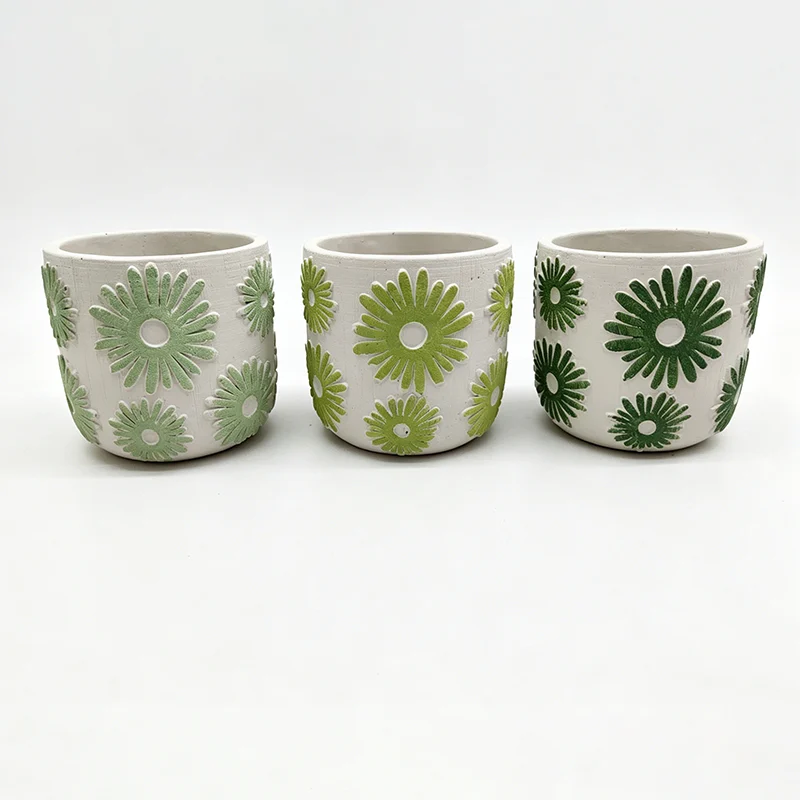
Zhejiang and Jiangsu provinces are known for their craftsmanship and innovation in ceramics, wood products, and glassware. These regions boast numerous eco home decor factories China-wide that have adopted sustainable practices in response to global environmental trends. Their production facilities frequently implement green manufacturing processes, making them ideal for buyers prioritizing eco-friendly product lines.
Meanwhile, Fujian offers a competitive edge with its large-scale production of rattan, bamboo, and wicker furniture. Its factories leverage both traditional techniques and modern technology, aligning with 2025 home decoration trends that emphasize natural materials and artisanal quality.
By tailoring a regional sourcing strategy China-focused, buyers can optimize costs, quality, and lead times by tapping into these hubs’ specialized ecosystems.

2. What Home Decor Product Categories Are Trending in 2025?
The dynamic nature of the home decor market requires suppliers and buyers to stay ahead of emerging styles and consumer preferences. As we move further into 2025, several product categories have gained significant traction, reflecting evolving tastes and a stronger emphasis on sustainability.
2.1 Sustainable and Eco-Friendly Decor Items
One of the most prominent trends in home decor sourcing is the surge in demand for sustainable and eco-friendly products. Consumers worldwide are increasingly aware of environmental issues, influencing manufacturers and wholesalers to prioritize green alternatives.
Eco home decor factories China-wide are responding by developing products made from renewable resources such as bamboo, recycled glass, and reclaimed wood. These factories often hold certifications proving compliance with environmental standards, helping importers meet regulatory requirements in target markets.
Items such as biodegradable planters, organic cotton cushions, and recycled metal sculptures are not only attractive from a design standpoint but also align with buyers’ sustainability goals. Incorporating these products into a sourcing portfolio can enhance brand reputation and open doors to environmentally conscious retail channels.
2.2 Popular Styles and Materials to Watch
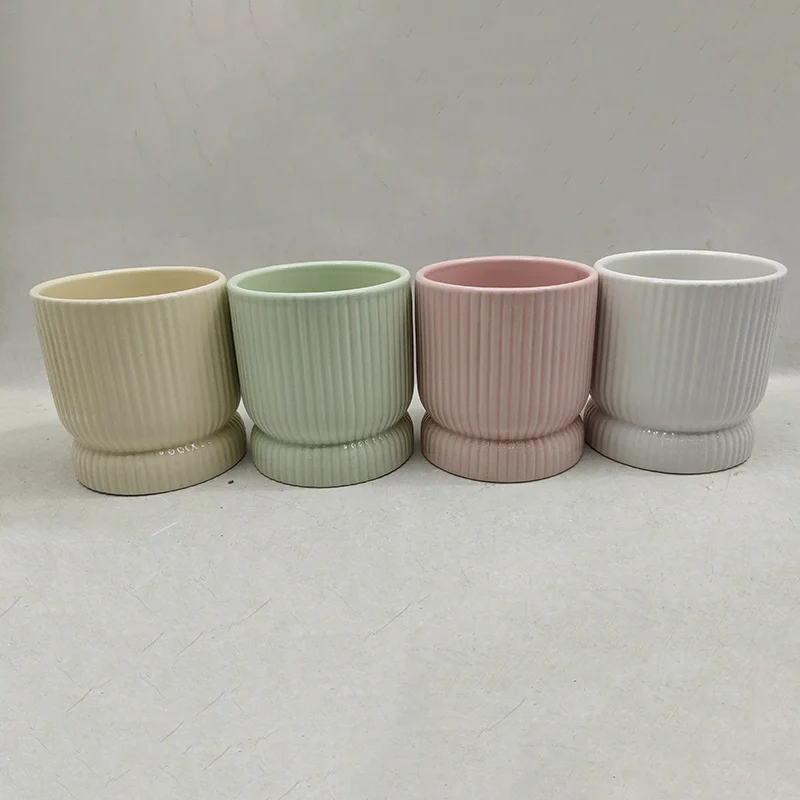
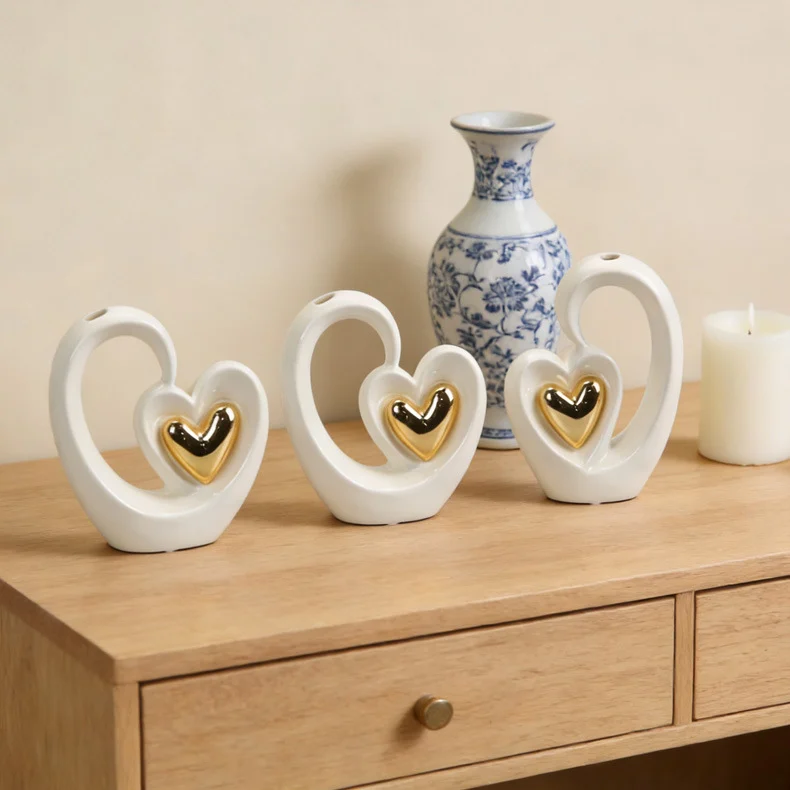
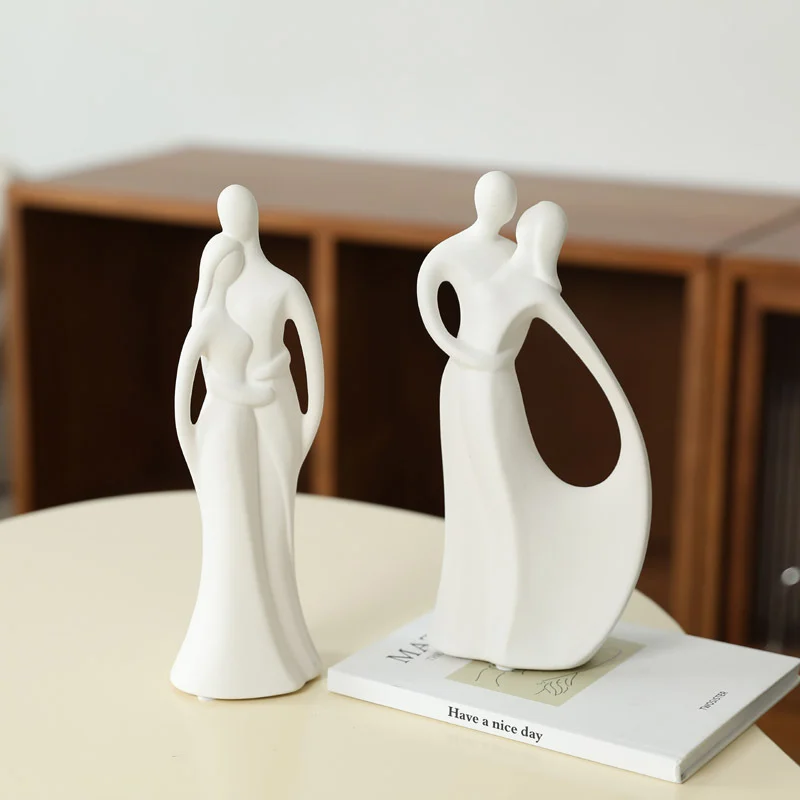
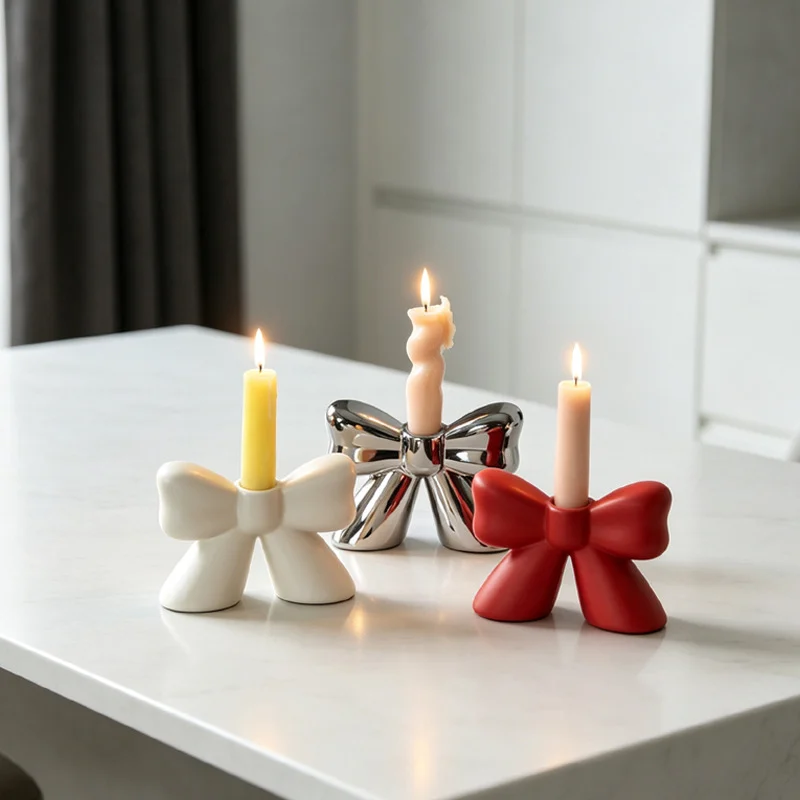
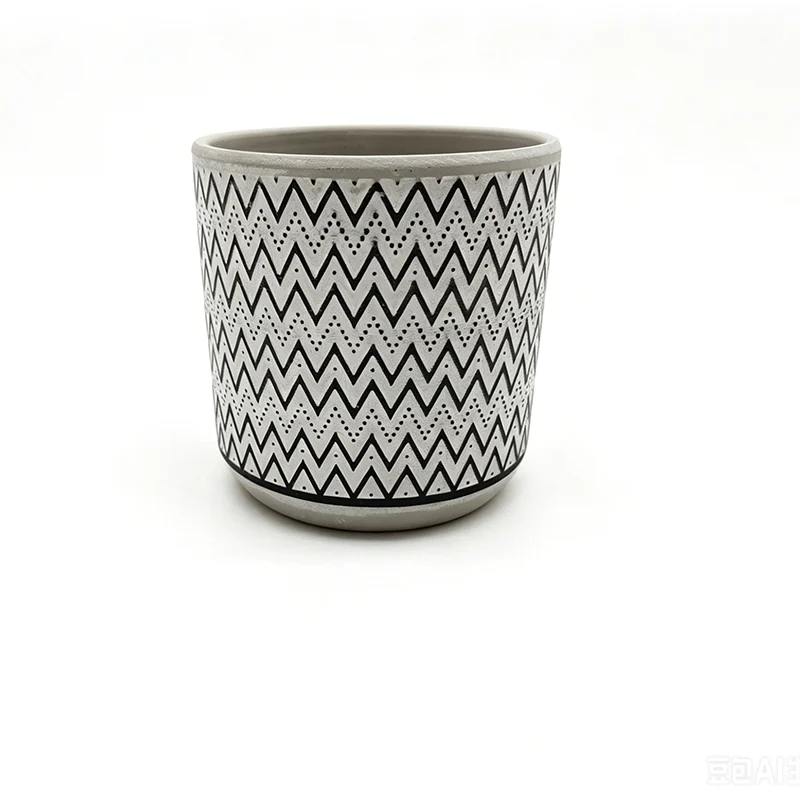
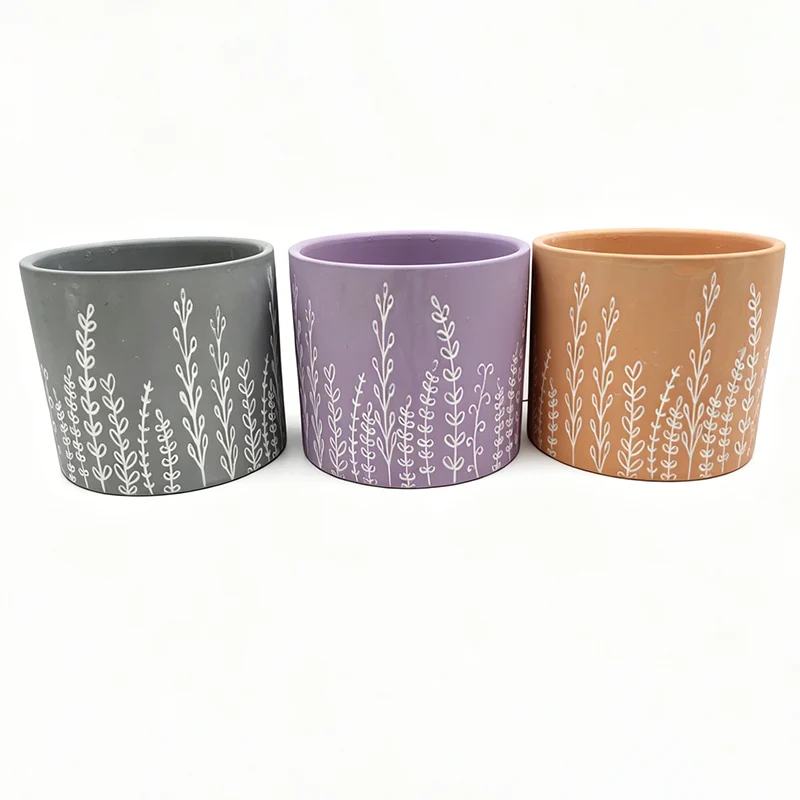
In addition to sustainability, 2025 home decoration trends highlight the popularity of minimalist designs, warm earth tones, and multifunctional decor pieces. Materials like matte ceramics, brushed brass, and natural fibers continue to gain momentum.
Chinese home decor production hubs are agile in adapting to these styles, offering extensive options that cater to wholesale interior accessories buyers targeting both mass market and niche segments. For instance, modular shelving units and space-saving furniture reflect the ongoing demand for versatility in modern living spaces.
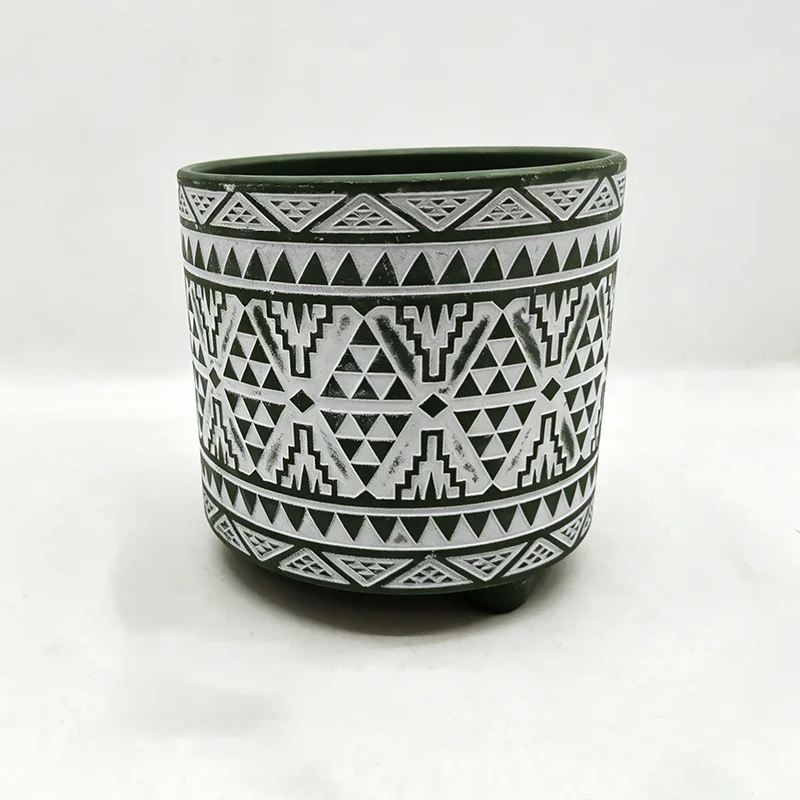
Moreover, hand-crafted textures and artisanal finishes are experiencing a renaissance, appealing to consumers who value authenticity and craftsmanship. Regions with strong artisan communities provide suppliers that can deliver unique, high-quality decor items blending tradition with contemporary appeal.
By understanding these trends and sourcing from the right Chinese hubs, importers can ensure they offer fresh, competitive products that resonate with 2025 consumer demands.
3. Where are China’s Top Home Decor Clusters for Factory Visits?
For buyers involved in home decor sourcing, visiting factories and industrial clusters in China remains a critical step to ensure product quality, verify supplier capabilities, and build trustworthy partnerships. Understanding where these key clusters are located can streamline sourcing trips and maximize return on investment.
3.1 Key Industrial Parks and Marketplaces
China’s home decor production hubs are often centered around industrial parks and specialized marketplaces that aggregate manufacturers, suppliers, and wholesalers. Notable clusters include:
Foshan (Guangdong Province): Famous for ceramic and lighting manufacturers, Foshan hosts large industrial parks where visitors can explore thousands of factories producing everything from decorative tiles to wholesale interior accessories. Its well-organized supply chain and close access to ports support efficient export operations.
Hangzhou and Shaoxing (Zhejiang Province): These cities are pivotal in textile-based home decor, such as curtains, cushions, and upholstery. The presence of eco home decor factories China-wide with advanced sustainable processes is a highlight, offering buyers options that align with 2025 home decoration trends focused on green materials.
Taizhou and Wenzhou (Zhejiang Province): Known for plastic and metal decorative items, these hubs also feature modern manufacturing techniques suited for mass production and customization. The markets here allow direct factory visits, giving buyers hands-on assessment of quality and production workflow.
Quanzhou (Fujian Province): Specializes in rattan, wicker, and natural fiber furniture production. Quanzhou’s cluster is a key destination for those sourcing rustic and artisanal designs favored in international markets seeking authentic craftsmanship.
When planning factory visits, it is important to understand the regional sourcing strategy China buyers adopt—focusing visits on clusters that match their product categories and quality requirements. Many clusters also feature trade shows and exhibitions which can consolidate multiple supplier meetings into one trip.
3.2 Tips for Efficient Factory Sourcing Trips
To get the most out of factory visits, buyers should plan meticulously:
· Pre-Arrange Visits: Contact suppliers in advance to schedule factory tours and sample reviews. This avoids wasted time and ensures key decision-makers are present.
· Segment by Product Type: Organize visits by industrial clusters that specialize in your target products to minimize travel time and gain deeper insights into production capabilities.
· Bring a Quality Checklist: Prepare a detailed list covering product specifications, material sources, certifications, and production timelines to evaluate each supplier objectively.
· Understand Local Logistics: Familiarize yourself with transportation options between clusters. Some regions have better infrastructure, which affects shipping lead times.
· Leverage Local Sourcing Agents: Consider hiring professional agents familiar with the local landscape who can facilitate negotiations and factory assessments.
Successful sourcing trips not only verify product quality but also build relationships essential for long-term partnerships in home decor sourcing. A strategic, well-planned approach aligned with China’s industrial geography maximizes sourcing efficiency and competitive advantage.
4. How to Identify Reliable and Eco-Friendly Home Decor Suppliers?
Finding trustworthy suppliers who meet quality standards and sustainability requirements is pivotal for businesses involved in home decor sourcing. As eco-consciousness grows among consumers, distinguishing reliable and eco-friendly manufacturers in China’s diverse market is essential.
4.1 Certifications and Compliance to Check
One of the most objective ways to verify a supplier’s reliability and environmental commitment is through certifications. Some key certifications to look for include:
ISO 9001: Demonstrates robust quality management systems, ensuring consistent product standards.
ISO 14001: Highlights the supplier’s environmental management practices, critical when sourcing from eco home decor factories China-based.
BSCI (Business Social Compliance Initiative): Confirms ethical labor practices and corporate social responsibility.
REACH and RoHS Compliance: Essential for products destined for European markets, indicating non-toxic materials and restricted substances adherence.
FSC (Forest Stewardship Council) or PEFC: Important for wood-based decor products, ensuring sustainable forestry sourcing.
Reviewing these certifications provides confidence that suppliers not only produce high-quality goods but also follow legal and ethical standards in line with global expectations.
4.2 Questions to Ask Your Suppliers
Beyond documentation, engaging suppliers directly with targeted questions can uncover vital insights about their processes and capabilities:
What materials do you use, and are they sourced sustainably?
Can you provide recent factory audit reports or third-party inspection results?
How do you handle waste and emissions in your production process?
Are you familiar with the latest 2025 home decoration trends, and can you customize products accordingly?
What is your typical lead time for orders, and how do you manage urgent requests?
Do you offer product samples, and what quality control measures do you implement before shipping?
Asking these questions during factory visits or virtual meetings aligns with a regional sourcing strategy China buyers adopt to mitigate risks and ensure product compliance. Transparency and willingness to share such information often correlate with supplier reliability and professionalism.
In the competitive field of home decor sourcing, combining thorough certification checks with detailed supplier interrogation helps importers secure partners who deliver quality, sustainability, and consistency—key pillars for long-term success.
5. What Is the Typical Lead Time for Home Decor Orders from China?
In home decor sourcing, understanding the typical lead times for orders is essential to plan inventory, marketing, and sales strategies effectively. Lead time affects everything from cash flow management to meeting market demand, especially with rapidly changing 2025 home decoration trends. Buyers must be well-informed about the factors that influence production and shipping schedules to set realistic expectations and maintain strong supplier relationships.
5.1 Factors Influencing Production and Shipping Times
Several variables determine the total lead time for home decor orders sourced from China’s diverse manufacturing landscape:
· Product Complexity and Customization
Highly customized products, such as bespoke furniture or eco-friendly designs from specialized eco home decor factories China-based, require longer production times due to detailed craftsmanship and material sourcing.
· Order Quantity
Bulk orders often extend lead times since larger quantities demand more production cycles, quality inspections, and packaging. Conversely, smaller orders can sometimes be fulfilled faster, but unit costs may rise.
· Supplier Capacity and Workload
During peak seasons aligned with global retail calendars or new home decoration trends in 2025, factories in key Chinese home decor production hubs may experience capacity constraints, leading to delays.
· Raw Material Availability
Disruptions in raw material supply, particularly for natural fibers, metals, or sustainable components, directly affect manufacturing schedules.
· Shipping Method
Air freight offers faster transit but is costlier, while sea freight, the most common for wholesale interior accessories, is slower but more economical. Port congestion and customs clearance also add variability.
· Regional Logistics and Infrastructure
Depending on the regional sourcing strategy China buyers implement, some clusters may benefit from superior logistics infrastructure, reducing transit times.
Understanding these factors enables buyers to communicate more effectively with suppliers and anticipate potential bottlenecks in their supply chain.
5.2 Best Practices to Manage Delivery Expectations
To mitigate risks and improve predictability in lead times, importers can adopt several best practices:
· Establish Clear Production Schedules: Work with suppliers to define detailed timelines covering each stage—from raw material procurement, manufacturing, quality control to packaging.
· Regular Communication and Updates: Maintain consistent contact with factory contacts or sourcing agents to receive timely status reports, enabling proactive issue resolution.
· Order Early for New Trends: Since 2025 home decoration trends can shift quickly, planning orders well in advance ensures products arrive ahead of market demand, avoiding missed sales opportunities.
· Use Buffer Time for Shipping: Factor in potential delays at ports or customs by adding buffer days, especially when relying on sea freight for bulky home decor items.
· Leverage Technology: Utilize supply chain management tools to track order progress and shipment status in real time, improving visibility.
· Diversify Suppliers and Shipping Routes: A regional sourcing strategy China-focused approach may involve multiple factories across different hubs to balance capacity and reduce dependency risks.
By implementing these strategies, businesses engaged in home decor sourcing can better manage customer expectations, reduce the impact of unforeseen delays, and maintain a competitive edge in a rapidly evolving marketplace.
Conclusion
Successful home decor sourcing requires more than just finding suppliers—it demands insight into regional advantages, market trends, supplier reliability, and logistics planning. By leveraging the knowledge of China’s key production hubs and staying aligned with 2025 home decoration trends, buyers can secure quality products that meet evolving consumer preferences. Whether you prioritize sustainability from eco home decor factories China offers or seek versatile wholesale interior accessories, a strategic approach will ensure your business thrives in the competitive market.
Ready to elevate your sourcing strategy and connect with trusted suppliers? Contact us today to get expert assistance tailored to your home decor sourcing needs, and take the first step towards smarter, more efficient procurement.

Berry Bian, Marketing Director at UnionSource, brings years of experience in global sourcing and brand strategy. Berry focuses on analyzing market trends and sharing insights that help international buyers and business partners stay ahead in the fast-changing world of wholesale trade.