

1. MOQ Basics: What’s Low in 2025?
Struggling with high minimum order quantities when sourcing home decor products? You’re not alone. In 2025, understanding MOQ benchmarks is more critical than ever for retailers and startups aiming to balance cost, quality, and flexibility. This chapter breaks down realistic low-MOQ expectations for key categories like décor, lighting, and textiles, reveals the hidden factors behind supplier requirements, and teaches you how to distinguish between negotiable and non-negotiable terms. Unlock the insights needed to plan efficiently, reduce inventory risk, and build a agile supply chain—starting with your very first order.
1.1 MOQ Benchmarks: Decor, Lighting & Textiles
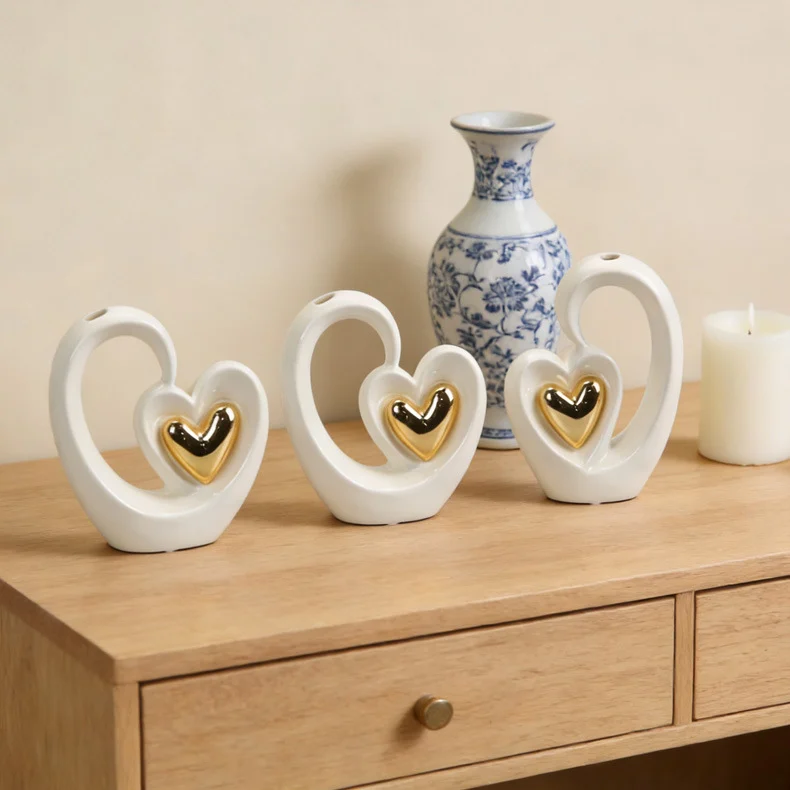
Navigating MOQs is the first critical step in successfully sourcing home decor products from China. While “low” is a relative term, 2025 sees clear benchmarks emerge. For standard home decor items like vases, photo frames, and wall art, you can often find flexible suppliers accepting trial orders between 50 to 200 units. This range allows for market testing without overwhelming financial commitment.
In lighting products, such as lamps and pendants, MOQs are typically higher due to complex components and safety testing. Expect initial quotes from 100 to 500 units. However, a key strategy is to negotiate on simpler designs or modify existing stock models to significantly lower these numbers.
Textiles, including throw pillows and blankets, sit in the middle. MOQs are heavily influenced by fabric type and customization. For common materials, orders starting at 100-300 pieces per design are attainable. The golden rule? Always start by asking for their “sample order” or “trial quantity” – terms that signal your serious intent while paving the way for smaller, manageable initial purchases. This approach is fundamental to building a sustainable and profitable sourcing strategy.
1.2 Key Factors Driving MOQ: Cost, Process & Customization
Understanding why suppliers set MOQs is your ultimate leverage when sourcing home decor products. The minimum order quantity isn’t arbitrary; it’s a calculated balance of their costs and your customization level.
The primary driver is Cost Recovery. For Chinese suppliers, setting up production lines, creating molds, and customizing materials for home decor items incurs significant upfront expense. A higher MOQ allows them to amortize these fixed costs effectively, bringing your per-unit price down. The more complex the product—like a intricately carved decor piece or a lamp with unique wiring—the higher the MOQ required to make the run profitable.
Production Process also dictates volume. Textiles involve lengthy setup for dyeing and printing, favoring larger batches. Conversely, assembled items allow for negotiation; you might source components in bulk but have final assembly done in smaller batches.
Finally, the degree of Customization is paramount. Using existing designs (ODM) drastically slashes MOQs. However, requesting unique packaging, custom colors, or proprietary designs (OEM) increases cost and risk for the factory, inevitably raising the minimum order. To secure a lower MOQ, always ask: “What’s the MOQ if we use your stock design?” This simple question can be the key to unlocking a feasible trial order.
1.3 How to Gauge a Supplier’s True Minimum
Unlocking a supplier’s true minimum order quantity is a crucial skill in successfully sourcing home decor products. The first quoted MOQ is often a starting point for negotiation, not their final底线 (dǐxiàn – bottom line). Your goal is to tactfully discover how low they can truly go.
Begin by demonstrating professionalism and serious intent. A well-prepared supplier inquiry that references specific product codes and outlines clear long-term business potential can work wonders. Suppliers are far more likely to flex their MOQ for a credible partner than for an uncertain inquiry. Ask direct but respectful questions: “What is the absolute smallest trial order we can place for initial market testing?” or “If we pay a slightly higher unit cost, could you accommodate a order of just [Your Target Number] units?”
Pay close attention to their response. A willingness to discuss alternatives often signals flexibility. Conversely, a rigid refusal may indicate a factory optimized solely for large-scale production, making them a poor fit for your needs. Remember, the key to sourcing home decor items profitably lies not just in finding a supplier, but in identifying the right partner who aligns with your business scale and growth vision. This investigative step saves invaluable time and builds a foundation for a agile supply chain.

2. Smart Negotiation: Winning Over Suppliers
Mastering the art of negotiation is essential when sourcing home decor products from China. It’s not just about pushing for lower numbers—it’s about building relationships, demonstrating value, and crafting agreements that benefit both sides. In this chapter, you’ll learn how to establish trust with Chinese suppliers, leverage the promise of long-term collaboration to secure smaller orders, and implement creative contractual terms that make low MOQs possible. Turn negotiation from a hurdle into your competitive advantage.
2.1 Building Trust: The Foundation of Chinese Business
In the world of sourcing home decor products from China, trust is not just a soft skill—it’s your most powerful negotiating asset. Chinese suppliers prioritize long-term, stable partnerships over one-time transactions. Establishing trust can significantly increase your leverage, especially when requesting lower MOQs or flexible terms.
Begin by demonstrating professionalism and commitment. Use clear, detailed communication and show respect for their processes. Mentioning past experience or future growth plans signals that you are a serious buyer, not just testing the waters. Phrases like “we plan to scale this product line” or “you are a key potential partner” can positively influence their willingness to accommodate smaller orders.
Small gestures also build rapport. Respecting time zones, being patient during discussions, and showing interest in their business culture go a long way. Remember, suppliers are more likely to make exceptions—like reducing MOQs—for someone they see as a reliable, long-term partner. When sourcing home decor items, trust turns transactional conversations into collaborative opportunities, laying the groundwork for mutual success.
2.2 Leveraging Long-Term Value vs. Low Quantity
When sourcing home decor products from China, one of the most effective strategies to secure a lower MOQ is to shift the conversation from a single small order to the promise of long-term collaboration. Suppliers are often willing to accommodate smaller trial runs if they see tangible potential for future growth and repeated business.
Start by clearly articulating your business vision. Explain how this initial order is the first step in a larger strategy—mention upcoming seasons, product variations, or market expansion plans. Phrases like “We’re starting with this order to validate demand before scaling up” or “If this performs well, we plan to introduce two more designs next quarter” demonstrate foresight and credibility.
You can also propose a formal roadmap, such as a phased ordering plan where small initial quantities gradually increase based on sales performance. This reduces the supplier’s perceived risk and aligns your goals with theirs. Remember, in the world of sourcing home decor items, suppliers invest in partners, not just orders. By positioning yourself as a growing, dependable buyer, you transform a low-quantity request into an attractive long-term opportunity.
2.3 Creative Terms: Deposits, Mixing Items & Phased Orders
When sourcing home decor products from China, thinking beyond simple price haggling can unlock surprisingly flexible MOQs. Creative negotiation tactics allow you to align with supplier needs while achieving your goal of smaller, manageable orders.
One highly effective approach is offering a higher deposit—50% instead of the standard 30%. This upfront commitment reduces financial risk for the factory, making them more amenable to a lower production volume. Alternatively, propose mixing items within a product family. For instance, combine 50 units of a vase with 50 units of a matching tray to meet a 100-piece MOQ across two home decor items. This lets you diversify your trial assortment without exceeding your budget.
For custom designs, suggest a phased order plan: produce a small batch now with a commitment to a larger reorder within a specific time frame if the product sells well. This demonstrates serious intent and spreads the supplier’s setup costs over multiple orders. By introducing such flexible terms when sourcing home decor products, you transform a potential “no” into a “yes,” building a foundation for both initial validation and steady growth.
3. Trial Orders: How to Start Small
Launching your journey in sourcing home decor products from China doesn’t require massive initial orders. In fact, starting small with well-executed trial orders can significantly reduce risk while testing market response and supplier reliability. This chapter introduces practical strategies such as strategic sampling, piggybacking on existing production runs, and leveraging stock designs to minimize customization requirements. Whether you’re a new importer or expanding your product range, these approaches will help you build flexibility, gain trust, and lay a strong foundation for scaling your business—one thoughtful order at a time.
3.1 Convincing Suppliers with Strategic Sampling
Securing a trial order is the critical first step in successfully sourcing home decor products from China, but convincing a supplier to produce a small batch requires strategy, not just persuasion. The key is to present your sampling request in a way that minimizes the factory’s perceived risk and highlights your professionalism as a potential long-term partner.
Begin by being specific and prepared. Instead of a generic inquiry, provide technical details, target market information, and even mock-ups if available. This demonstrates that you are a serious buyer, not just browsing. Clearly communicate that the initial sample order is for quality verification and market testing, with a clear roadmap for larger production runs upon success. Phrases like, “We need to validate the production quality before committing to our first full container order,” align your goals with the supplier’s desire for substantial future business.
Furthermore, show flexibility. Offer to pay a reasonable unit price for the samples, covering their setup costs. This goodwill gesture builds immediate trust. By framing the small order not as a hurdle, but as the essential foundation for a profitable, long-term collaboration in sourcing home decor items, you transform the conversation and dramatically increase your chances of approval.
3.2 Piggybacking: Tapping into Existing Production Runs
Unlocking lower MOQs when sourcing home decor products from China doesn’t always require traditional negotiation—sometimes it’s about clever timing and resourcefulness. “Piggybacking” offers an ingenious solution: joining an existing production run scheduled for another client to create your small batch without the typical minimums.
This strategy works exceptionally well for standardized home decor items where color or material adjustments can be made without disrupting overall production. Imagine adding 50 units of your custom-colored vase to a 2000-unit order already confirmed by another buyer. The supplier avoids additional setup costs, and you gain access to production efficiency normally reserved for large-volume partners. The key is to ask suppliers directly: “Do you have similar items already in production where we could add a small custom batch?”
Success hinges on flexibility with specifications and delivery timelines. By aligning your needs with the factory’s production schedule, you transform your small order into a low-risk, high-value addition. This method isn’t just about getting products—it’s about building collaborative relationships that benefit both parties. For savvy importers sourcing home decor products, piggybacking represents the ultimate hack for accessing quality manufacturing at truly accessible quantities.
3.3 Using Stock Designs to Minimize Custom MOQ
When sourcing home decor products from China, customization often comes with high MOQ requirements that can challenge new importers. The solution? Leverage supplier stock designs to dramatically reduce your minimum order quantities while maintaining quality and style.
Most Chinese manufacturers maintain catalogs of existing designs that require no new tooling or development. By selecting from these home decor items, you bypass the extensive setup costs that drive up MOQ for custom work. Imagine ordering as few as 50-100 units of a beautiful vase that already exists in their production system, versus 500+ units for a completely new design. This approach lets you test markets efficiently while building your brand with professionally designed products.
The strategic advantage is twofold: you gain access to proven designs while establishing your relationship with the supplier. Many factories will even allow minor modifications to stock designs—like changing colors or adding your logo—at relatively low MOQ once the partnership is established. For smart businesses sourcing home decor products, embracing stock designs isn’t a compromise; it’s a powerful strategy to launch faster, reduce risk, and scale smarter. Ask suppliers: “What are your most popular stock designs with the lowest MOQ?”—you might be surprised by the quality and flexibility available.
4. OEM vs ODM: MOQ Differences Decoded
Understanding the distinction between OEM and ODM is crucial when sourcing home decor products from China, as your choice directly impacts MOQs, cost, and creative control. OEM (Original Equipment Manufacturing) involves producing your unique designs, while ODM (Original Design Manufacturing) utilizes supplier-created designs. This chapter decodes how each model affects minimum order quantities and helps you determine which approach aligns with your business scale, budget, and branding strategy. Whether you seek full customization or adaptable solutions, making an informed choice will optimize your sourcing process and drive profitability.
4.1 OEM MOQ: Higher Investment, Full Control
When sourcing home decor products from China through the OEM (Original Equipment Manufacturing) model, higher Minimum Order Quantities reflect the significant investment suppliers make to bring your unique vision to life. Unlike ODM, which adapts existing designs, OEM requires creating custom molds, specialized tooling, and entirely new production processes—all of which demand substantial upfront resources.
For home decor items like custom-shaped vases, proprietary lamp designs, or branded textile patterns, OEM MOQs often start at 500–5,000 units per design, depending on complexity. This volume ensures the supplier can amortize their initial costs while maintaining quality across your exclusive products. While these numbers may seem daunting, they grant you complete control over materials, design details, and intellectual property—a critical advantage for building a distinct brand identity.
The key to negotiating OEM MOQs lies in demonstrating commitment. Suppliers respond positively to buyers who show clear branding strategy, provide detailed technical packages, and signal potential for repeat orders. Though the initial investment is higher, OEM offers unmatched originality for businesses sourcing home decor products with a strong brand vision and strong ambitions.
4.2 ODM MOQ: Lower Volume, Design Flexibility
Choosing the ODM (Original Design Manufacturing) pathway offers a strategic advantage for businesses sourcing home decor products from China, particularly when aiming for lower minimum order quantities and faster market entry. By selecting from a supplier’s existing catalog of proven designs, you bypass the high costs and extended lead times associated with custom development.
For home decor items such as cushions, ceramic décor, or lighting fixtures, ODM MOQs can be remarkably accessible—often starting as low as 50–300 units per design. This approach allows you to quickly assemble a diverse product range without the financial burden of exclusive tooling or design investment. While you sacrifice some uniqueness, many suppliers offer flexible customization options within ODM frameworks, such as color variations, material substitutions, or private labeling, enabling you to maintain brand relevance without exceeding budget constraints.
Ideal for startups and businesses testing new markets, ODM reduces risk while providing access to professionally designed, market-ready products. When sourcing home decor products through ODM, you leverage the supplier’s expertise and existing infrastructure, creating a efficient, scalable foundation for growth without compromising on style or quality.
4.3 Choosing the Right Path for Your Business Model
Selecting between OEM and ODM when sourcing home decor products from China is a strategic decision that directly impacts your costs, scalability, and brand identity. There’s no one-size-fits-all answer—the right choice depends entirely on your business goals, budget, and stage of growth.
If you are a new brand or testing new markets, ODM offers a low-risk entry with smaller MOQs (as low as 50–300 units), faster turnaround, and lower upfront investment. It allows you to leverage proven designs and quickly build a diverse product range. For established brands with a clear vision, OEM, though requiring higher MOQs (typically 500–5,000+ units), provides full creative control, exclusive designs, and stronger intellectual property protection—key elements for long-term differentiation.
Consider a hybrid approach: use ODM to quickly launch foundational home decor items while developing OEM products for your signature collections. Ask potential suppliers: “Can you support both ODM and OEM options?” The answer will reveal their flexibility and capability to grow with your brand. Making an informed choice ensures you optimize resources, minimize risk, and build a supplier relationship that scales with your success in sourcing home decor products.
5. Where to Find Low-MOQ Suppliers
Finding reliable suppliers offering low MOQs is a game-changer for businesses sourcing home decor products from China. Your success depends not just on how you negotiate, but where you look. This chapter reveals the most productive regions, trade shows, and digital platforms to connect with factories open to small-batch orders. Whether you prioritize in-person validation at global fairs or efficient online sourcing, these targeted strategies will help you build a resilient and scalable supply chain—transforming your sourcing process from a challenge into a competitive advantage.
5.1 Top Chinese Regions for Small-Batch Home Decor
Finding the right manufacturing region is crucial when sourcing home decor products from China with low MOQs. Different areas specialize in specific materials and production scales, and targeting these hubs can dramatically improve your efficiency and negotiation success.
For small-batch home decor items, these regions stand out:
Guangdong Province (especially Foshan and Dongguan): A powerhouse for metalware, lighting, and modern decor, with many factories open to flexible orders due to intense competition and export experience.
Zhejiang Province (Yiwu and Hangzhou): The go-to destination for textiles, cushions, and decorative fabrics, offering extensive ODM options and lower MOQs from wholesale market networks.
Jiangsu & Fujian Provinces: Known for ceramics, glassware, and artisan-style decor. Smaller workshops here often accommodate customized trial orders.
These regions combine specialized expertise with flexibility. When contacting suppliers, mention your focus on sourcing home decor products in smaller volumes—many factories in these areas have experience with international small-batch buyers. By focusing your search geographically, you not only increase your chances of finding low-MOQ partners but also tap into regional supply chain efficiencies that reduce costs and lead times.
5.2 Recommended Trade Shows: Canton Fair & Beyond
Want to find low-MOQ suppliers for sourcing home decor products without compromising on quality or reliability? Get off your screen and step onto the trade show floor! These events are your golden ticket to meeting verified factories face-to-face and negotiating terms in person.
The Canton Fair is the undeniable giant. Its massive Home Decor section allows you to compare countless suppliers under one roof. The key to low-MOQ success here? Target smaller, specialized booths and approach them during quieter hours. These suppliers are often more flexible and eager to build new relationships.
For a more focused approach, explore niche shows like the China International Furniture Fair (CIFF) in Guangzhou or the HomeLife China show. These attract dedicated manufacturers where you can dive deep into specific product categories like wooden decor, textiles, or ceramics, making it easier to find a partner willing to accommodate your initial order size.
Pro Tip: Always ask directly about their MOQ flexibility—you’ll be surprised how many are open to negotiation, especially when you present a clear plan for future growth.
5.3 Online Platforms: Alibaba, 1688 & Niche B2B Sites
Your journey for sourcing home decor products with low MOQs isn’t limited to physical events. The digital marketplace is your 24/7 gateway to a world of suppliers! Mastering online platforms is key to finding and vetting the right manufacturing partner from anywhere in the world.
Start with the titan: Alibaba. Use filters like “Trade Assurance,” “Verified Supplier,” and critically, “Low MOQ.” Don’t just browse—actively use the RFQ (Request for Quotation) tool to broadcast your specific product needs. This signals to suppliers that you are a serious buyer, prompting them to compete for your business, often with more flexible terms.
For the adventurous, 1688.com (Alibaba’s domestic Chinese platform) offers even lower prices and direct access to factories. However, navigate with a local agent or a strong translation tool, as English support is minimal.
Beyond the giants, don’t overlook niche B2B sites like Global Sources or Made-in-China.com, which often cater to specific niches within the home decor industry and can be goldmines for unique, small-batch producers.
Pro Tip: Your first message is everything. Clearly state your product, desired MOQ, and target price to immediately filter for willing and capable partners.
6. Action Plan: Your MOQ Negotiation Checklist
You’ve found the perfect supplier for sourcing home decor products—now it’s time to seal the deal on your terms. Successful MOQ negotiation isn’t just about getting a lower number; it’s about building a partnership that supports your growth. This chapter gives you a actionable, step-by-step checklist to confidently negotiate flexible minimum orders, secure favorable terms, and turn a one-time order into a long-term sourcing advantage. Let’s turn your preparation into profit.
6.1 Pre-Talk Prep: Research, Targets & Alternatives
Ready to negotiate like a pro when sourcing home decor products from China? Success is won before the conversation even begins. Strategic preparation is your ultimate leverage for securing low MOQs and building strong supplier relationships.
Start with deep research. Investigate potential suppliers on Alibaba, 1688, and industry directories. Study their product ranges, client reviews, and business certifications. Most importantly, analyze their standard MOQ policies – this gives you a baseline for negotiation.
Set clear targets before you reach out. Define your ideal MOQ, but also determine your acceptable fallback position. Know exactly what you can compromise on – whether it’s payment terms, product customization, or future order commitments.
Crucially, always develop your BATNA (Best Alternative to a Negotiated Agreement). Identify backup suppliers for each product category. This knowledge gives you incredible confidence – you’re negotiating from strength rather than desperation.
Pro Tip: Prepare specific data to support your position. Show projected order growth, market testing plans, or comparable quotes from competitors. Suppliers respond much better to reasoned business cases than simple price/MQO requests.
Remember: The best negotiators aren’t the toughest – they’re the most prepared. Your homework today will determine your profit margins tomorrow.
6.2 During Negotiation: Phrases, Concessions & Closing
The moment of truth has arrived. You’re now live with a potential supplier for sourcing home decor products—how you navigate this conversation will make or break your MOQ goals. This is where preparation meets persuasion, and the right strategy turns resistance into agreement.
Start strong with collaborative language. Instead of “Your MOQ is too high,” try “We’re very impressed with your quality and want to build a long-term partnership. To help us grow together, is there flexibility on the initial order quantity?” This frames you as a valuable future asset, not just a one-time buyer.
Master the art of strategic trading. Be prepared to offer concessions that cost you little but value them much. In exchange for a lower MOQ, consider:
Offering a slightly higher unit price
Agreeing to faster payment terms (e.g., T/T instead of LC)
Committing to a larger follow-up order if the first sells well
Simplifying packaging or opting for standard colors
Pro Tip: Always get the final agreement in writing before ending the call. A simple “Thank you for your flexibility. I’ll confirm these details in our order confirmation – 500 units at [price] with our next order planned for Q4” prevents misunderstandings and solidifies your win.
Close with confidence, knowing you’ve created a deal that works for both sides.
6.3 Post-Deal Steps: Maintaining Good Relations
You’ve successfully negotiated a lower MOQ for sourcing home decor products—but the real work begins now. Transforming a single transaction into a valuable long-term partnership is how you secure even better terms, priority production, and unwavering support for future orders.
Your first step is flawless execution. Pay on time, provide clear specifications, and respond promptly to any factory queries. This builds immediate trust and establishes you as a professional, reliable buyer rather than a risky newcomer.
Maintain warm communication after order completion. Share photos of your products in your market, customer feedback, or even your marketing plans. This shows the supplier they’re investing in your shared success and makes them more invested in your growth.
Most importantly, always honor your commitments. If you promised larger future orders based on the initial low MOQ, make good on that promise. This credibility becomes your strongest negotiating tool for your next product line.
Pro Tip: Schedule a relationship-building call after your first successful shipment. Discuss what worked well and explore new product ideas. This forward-looking approach transforms your supplier from a vendor into a strategic partner for sourcing home decor products.

Berry Bian, Marketing Director at UnionSource, brings years of experience in global sourcing and brand strategy. Berry focuses on analyzing market trends and sharing insights that help international buyers and business partners stay ahead in the fast-changing world of wholesale trade.