

2026 Spring Canton Fair
1. Why Should You Care About the 2026 Spring Canton Fair?
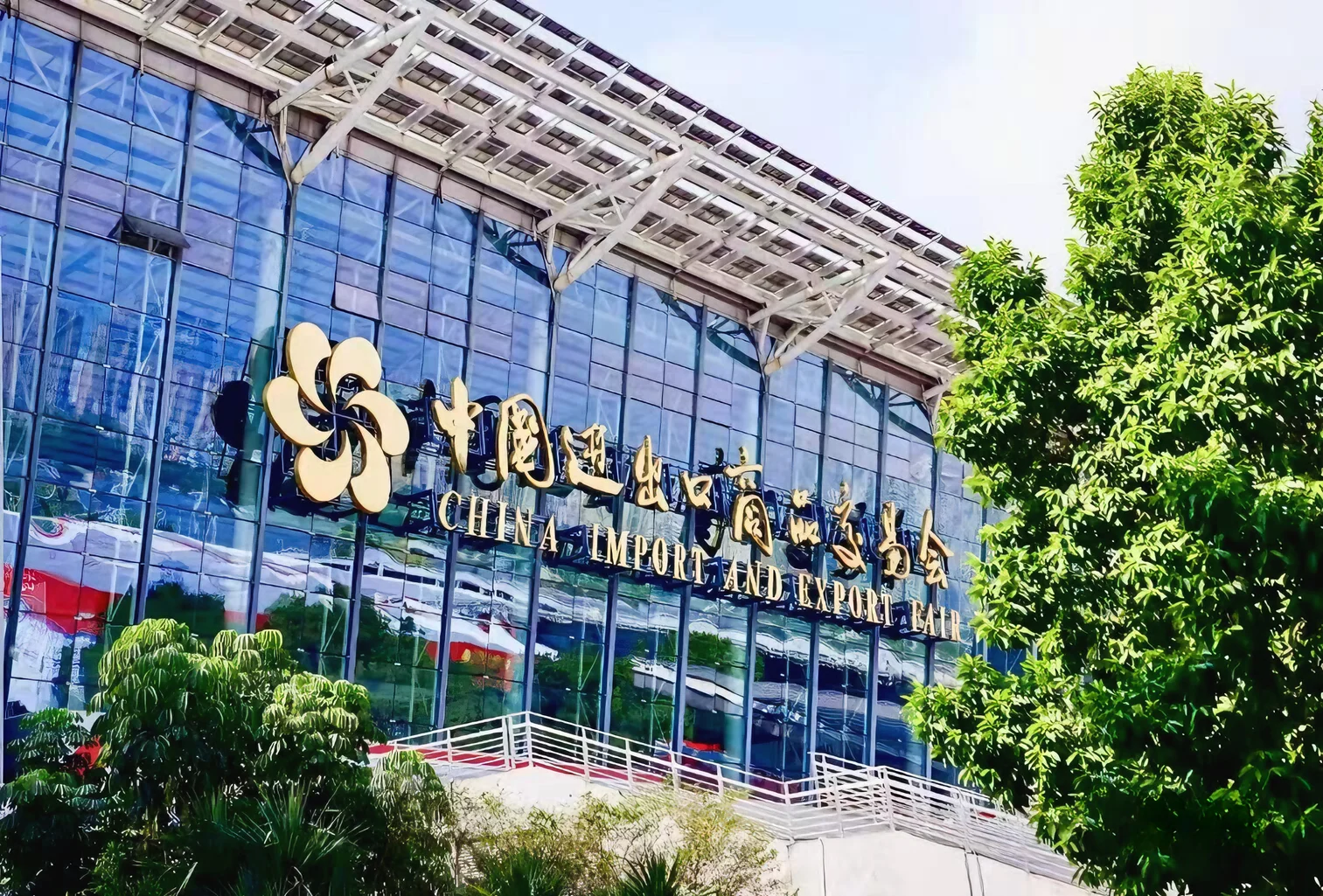
In the global international trade landscape, understanding the 2026 Spring Canton Fair is far more than a calendar reminder—it’s a strategic imperative for importers, retailers, and supply chain professionals. As the world’s largest comprehensive trade fair, the Canton Fair (also known as the China Import and Export Fair) has served as the primary gateway to Chinese manufacturing for over 60 years. For businesses sourcing from China, the spring edition—running from April 15 to May 5, 2026—represents the critical starting point for the year’s product launches and the early sourcing window for the second half of the year and the Christmas season.
Beyond timing, this knowledge shapes sourcing efficiency. A U.S.-based importer deciding between sourcing from Phase 1 (Electronics & Home Appliances) or Phase 2 (Consumer Goods & Home Decor) must weigh factors like lead times, seasonal demand, and supplier specialization—all tied to how the Canton Fair structures its exhibition phases. Today’s buyers increasingly prioritize supplier reliability, quality consistency, and cost transparency, making the Canton Fair’s verified exhibitor base a key factor in purchasing decisions. If a buyer learns that a particular product category has a dedicated exhibition zone with hundreds of pre-vetted manufacturers, it reinforces confidence in sourcing from that platform. Additionally, understanding 2026 Spring Canton Fair logistics helps stakeholders anticipate market shifts—such as when the fair’s online platform integration enables year-round sourcing, a move that has transformed how international buyers approach procurement.
1.1 How the Canton Fair Shapes Global Sourcing Decisions
Global sourcing strategies are increasingly influenced by access to comprehensive trade platforms, a trend that international trade professionals cannot ignore. The Canton Fair’s unique structure—55 specialized exhibition sections across three phases—offers buyers an unmatched opportunity to source across multiple categories in a single trip. For instance, a European buyer looking for both electronics (Phase 1) and home decor (Phase 2) can complete their entire annual procurement in just two weeks, dramatically reducing travel costs and coordination time.
The fair also signals supplier credibility. Buyers concerned about quality control may favor exhibitors who have passed the Canton Fair’s rigorous participation requirements—which include business license verification, export track records, and compliance with international standards. For importers, this means aligning sourcing with risk management: if demand for reliable suppliers rises, partnering with Canton Fair exhibitors (known for their verified credentials) can give businesses a competitive edge. Moreover, the fair’s location in Guangzhou—a major logistics hub—impacts availability: products sourced here can leverage well-developed shipping networks, a key advantage for time-sensitive buyers.
1.2 What It Means for Understanding China’s Manufacturing Dominance
The Canton Fair’s status as a global sourcing platform is deeply intertwined with China’s manufacturing capabilities—and grasping this connection is critical for anyone in the international trade industry. The fair’s ability to showcase China’s full manufacturing spectrum (from raw materials to finished goods) allows buyers to access specialized suppliers and respond quickly to market demands—all pillars of efficient sourcing. For example, by leveraging the fair’s “Smart Home” section, buyers can connect with China’s leading electronics manufacturers, enabling them to source cutting-edge products like AI-powered home automation systems.
This platform also supports supply chain resilience, a key factor in maintaining market competitiveness. During global disruptions, the Canton Fair’s diversified exhibitor base allows buyers to shift sourcing from affected regions to operational hubs—like turning to Fujian-based footwear suppliers when Guangdong faced production delays. For international trade professionals, this demonstrates how centralized trade platforms are not just about product discovery, but about securing long-term sourcing partnerships. Additionally, the fair’s presence in Guangzhou—the heart of the Pearl River Delta manufacturing region—helps buyers stay connected to key production clusters: sourcing locally reduces communication barriers and allows for faster adaptation to regional trends (e.g., finding suppliers specializing in sustainable materials). In short, understanding the Canton Fair reveals the operational backbone of China’s manufacturing dominance—essential knowledge for businesses looking to compete or partner in global trade.
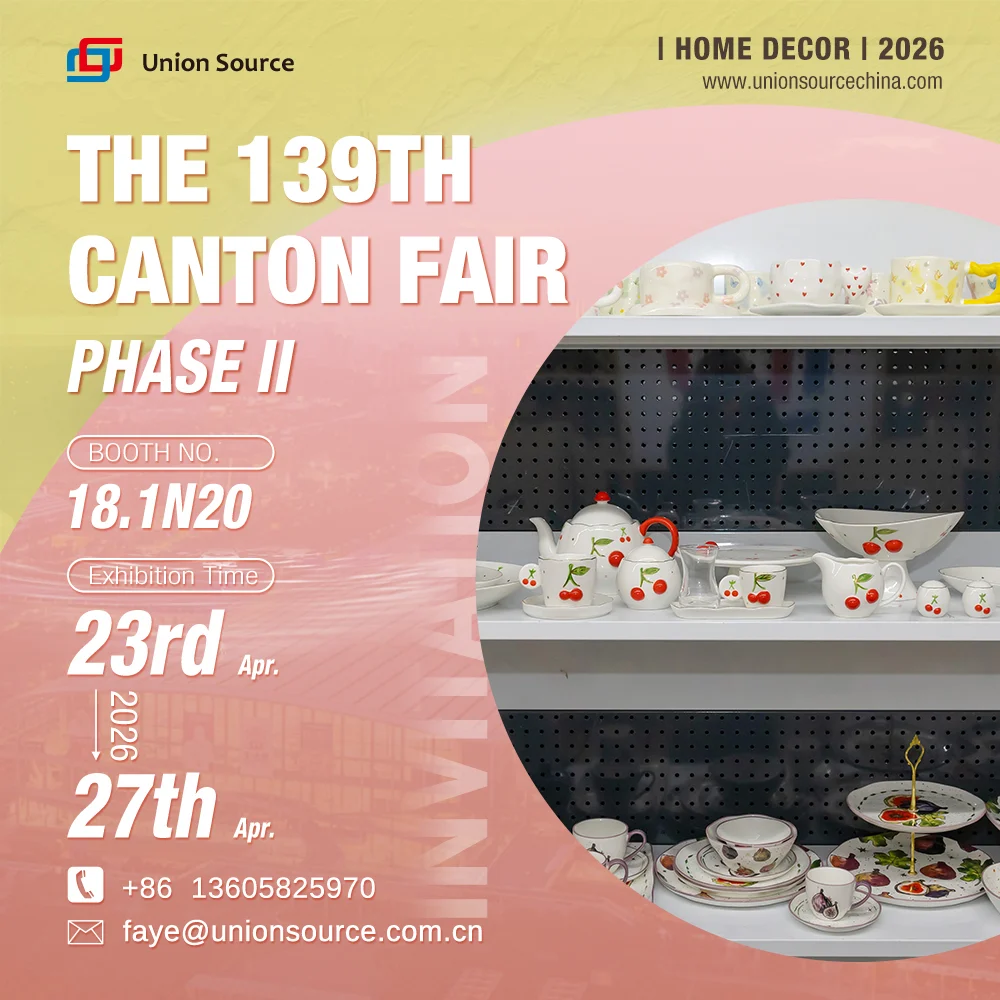
2026 Spring Canton Fair Booth
2. What Makes Up the Canton Fair’s Global Sourcing Platform?
The Canton Fair’s global sourcing platform is a textbook example of strategic trade event design, built around a phased exhibition model that prioritizes specialization, accessibility, and geographic representation. Unlike general trade shows, the Canton Fair partners with over 26,000 exhibitors per session—representing China’s top manufacturers—and attracts approximately 200,000 buyers from more than 230 countries. At its core, the platform links three critical components: specialized exhibition phases (tailored to product categories), proximity to manufacturing clusters (e.g., electronics in Guangdong, footwear in Fujian), and seamless logistics integration with Guangzhou’s world-class port facilities. For international trade professionals, this structure reveals how to balance product diversity with sourcing efficiency—lessons mirrored by leading global sourcing platforms. Understanding this platform also answers the fundamental question: What makes the Canton Fair the ultimate sourcing destination? The answer lies in this interconnected ecosystem of Chinese manufacturers, with Guangdong and Fujian as primary hubs.
2.1 Key Stages in Building the Canton Fair’s Global Reputation
The Canton Fair’s evolution traces the history of China’s opening to global trade, starting with its first session in 1957. Originally designed to showcase Chinese export products to socialist countries, the fair gradually expanded to welcome global buyers after China’s reform and opening-up in 1978. By the 1990s, the Canton Fair had become the premier gateway to Chinese manufacturing, with exhibitors from across the country representing every major industry. The 2000s brought the introduction of specialized exhibition phases (Phase 1: Electronics & Industrial, Phase 2: Consumer Goods, Phase 3: Textiles & Apparel), allowing buyers to focus their sourcing efforts. The 2010s saw the launch of the Canton Fair online platform, enabling year-round sourcing—a move that has revolutionized how international buyers approach procurement. This journey underscores a key international trade lesson: successful trade platforms evolve with buyer needs, supplier capabilities, and global market trends.
2.2 How the Platform Supports Global Sourcing Efficiency
The platform is the backbone of sourcing efficiency, enabling two critical advantages: product diversity and supplier verification. By partnering with specialized exhibitors across China, the Canton Fair turns buyer requirements into matched supplier connections. The fair’s “Trade Matching” program reduces sourcing time, letting buyers find qualified suppliers in days—not months. Supplier verification further strengthens confidence: the Canton Fair’s exhibitor screening process includes business license verification, export track record checks, and compliance with international standards. For importers, this demonstrates how a centralized platform mitigates risks—e.g., ensuring that all exhibitors are legitimate manufacturers rather than middlemen. Ultimately, the platform answers why the Canton Fair remains synonymous with global sourcing leadership: it merges product diversity, supplier reliability, and sourcing efficiency—essential for dominating the international trade landscape.
3. Which Product Categories Dominate the 2026 Spring Canton Fair?
For anyone involved in global sourcing—from importers to retailers—identifying the core product categories dominating the 2026 Spring Canton Fair is critical to strategic decision-making. While the fair covers over 55 specialized sections, three overarching categories stand out as the backbone of buyer interest: Electronics & Home Appliances (Phase 1), Consumer Goods & Home Decor (Phase 2), and Textiles & Apparel (Phase 3). Together, these categories account for over 60% of total transaction volume, a statistic that underscores their irreplaceable role in global procurement.
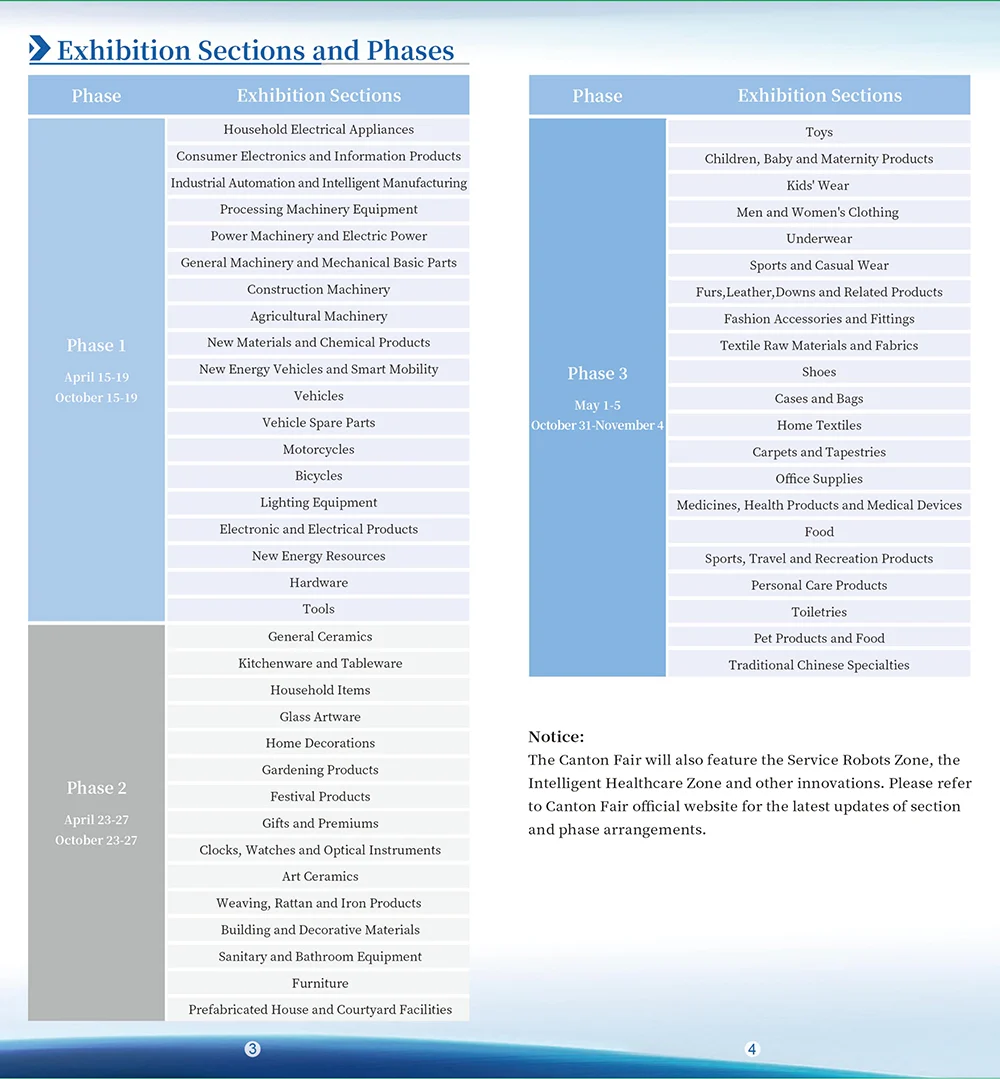
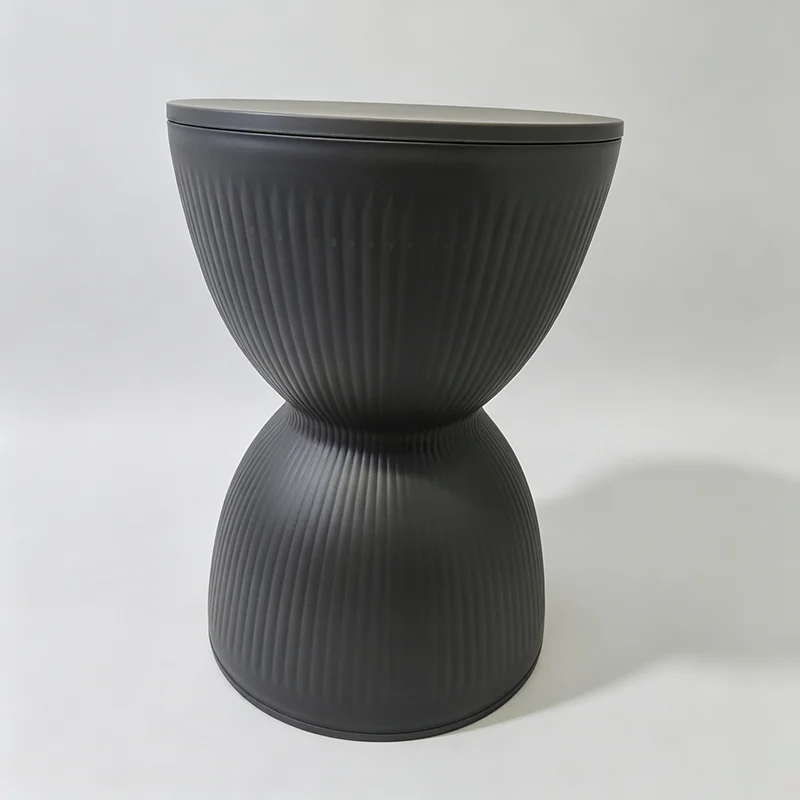
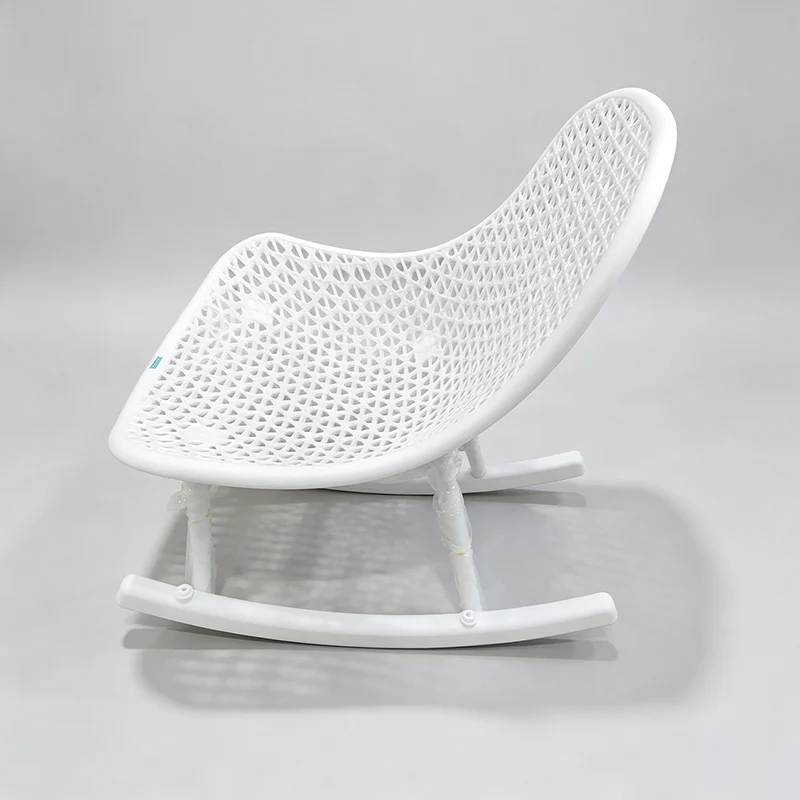
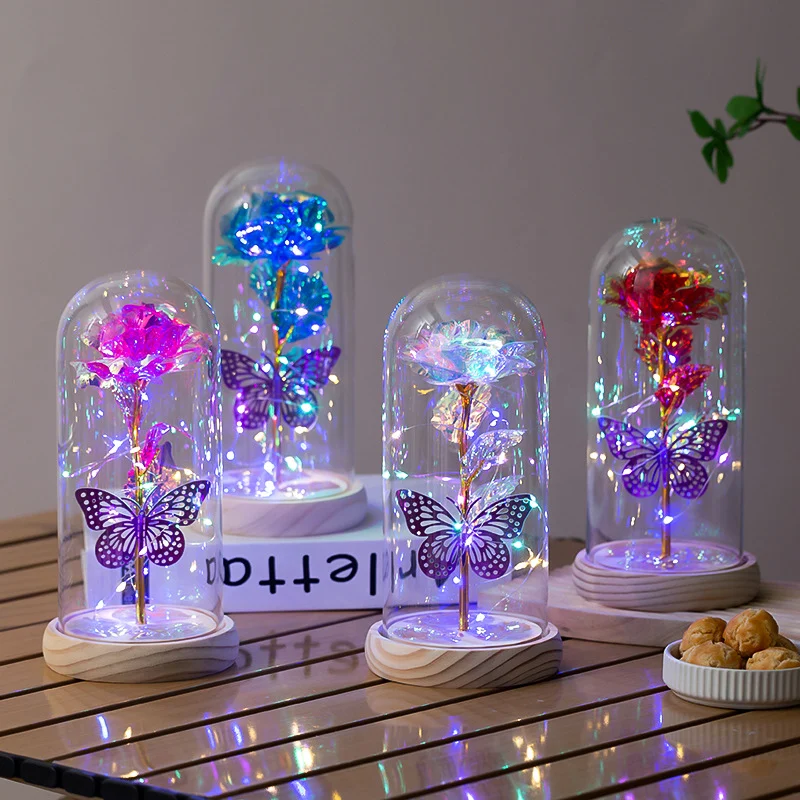
2026 Spring Canton Fair Exhibit Date and Main Products
From an international trade perspective, this concentration is no accident. Each category offers unique advantages that align with buyer goals of balancing cost efficiency, quality, and seasonal relevance. For instance, Electronics & Home Appliances leads in innovation-driven sourcing due to China’s advanced manufacturing capabilities, while Consumer Goods & Home Decor excels in volume-driven procurement for the spring and summer seasons. Textiles & Apparel, meanwhile, serves as a reliable hub for trend-driven, fast-fashion sourcing. Understanding which category specializes in what allows buyers to anticipate lead times, negotiate better terms with suppliers, and mitigate risks like seasonal demand fluctuations. It also directly answers the fundamental question: What should I source at the 2026 Spring Canton Fair? —a query that guides both strategic planning and on-site purchasing decisions worldwide.
3.1 Deep Dive into Top Categories: Electronics, Consumer Goods, Textiles
When breaking down the Canton Fair’s top categories, each phase’s strengths become clear, especially when viewed through an international trade lens. Phase 1 (April 15–19): Electronics & Home Appliances—this section boasts a network of exhibitors spanning Guangdong, Fujian, and Jiangsu provinces, China’s premier electronics manufacturing regions. These exhibitors are not just large—they’re technologically advanced, capable of producing cutting-edge products like smart home systems, AI-powered appliances, and industrial automation equipment. Electronics suppliers here have decades of experience exporting globally, meaning they understand international quality standards (CE, FCC, RoHS) and can adapt quickly to design changes. This expertise has kept Guangdong relevant even as production costs have risen, with many factories now focusing on value-added processes like sustainable manufacturing.
Phase 2 (April 23–27): Consumer Goods & Home Decor—this section has leveraged China’s position as the world’s largest producer of consumer goods to attract over 8,000 exhibitors specializing in kitchenware, home decor, gifts, and pet products. Unlike some product categories, the consumer goods sector’s infrastructure—including design studios, prototyping facilities, and logistics networks—is well-developed, making it easy to move from concept to finished product. This efficiency is a major draw for buyers looking to meet spring and summer market deadlines. Phase 3 (May 1–5): Textiles & Apparel—this section focuses on seasonal and trend-driven products, with exhibitors concentrated in Zhejiang, Jiangsu, and Guangdong specializing in functional fabrics, sustainable materials, and fast-fashion apparel. While it may not match Phase 1’s tech prowess or Phase 2’s volume, Phase 3 offers flexibility, with a skilled workforce and shorter lead times for small-batch orders. Together, these three phases create a diversified sourcing base that keeps the Canton Fair relevant for all types of buyers.
3.2 What Roles Do These Categories Play in Global Supply Chains?
Each of the Canton Fair’s top categories plays a distinct, complementary role in global supply chains—a dynamic that’s key for international trade professionals to understand. Electronics & Home Appliances acts as the “innovation and technology hub.” The fair’s electronics section is integrated with local suppliers that provide specialized components, from advanced sensors to custom PCBs, allowing buyers to source complete smart home systems. For example, when the smart kitchen appliance market exploded in 2025, exhibitors in this section were among the first to offer Wi-Fi-enabled, AI-powered air fryers and coffee makers, ensuring buyers could meet market demand.
Consumer Goods & Home Decor, by contrast, is the “volume workhorse.” Its exhibitors focus on mass-producing core items like kitchenware, home storage solutions, and decorative accessories, which require high output at competitive costs. This category’s role is vital for keeping consumer product prices accessible while maintaining profit margins—a balance that keeps retailers competitive in global markets. Textiles & Apparel serves as the “trend and flexibility hub,” stepping in to handle fast-fashion orders or fill gaps when other regions face disruptions. For example, during a 2025 raw material shortage, suppliers in this category increased output of sustainable fabrics to meet growing demand. This flexibility is supported by suppliers that often collaborate across categories, sharing materials and expertise to create cross-industry support systems.
Beyond their individual roles, these categories work together to meet diverse buyer needs. If a buyer needs both smart home devices and kitchenware, they can source both in a single trip to the fair—a strategy that protects importers from supply chain fragmentation and ensures consistent quality. For anyone in global sourcing, recognizing these roles isn’t just about knowing what the Canton Fair offers; it’s about building smarter, more integrated procurement strategies that align with global supply chain realities.
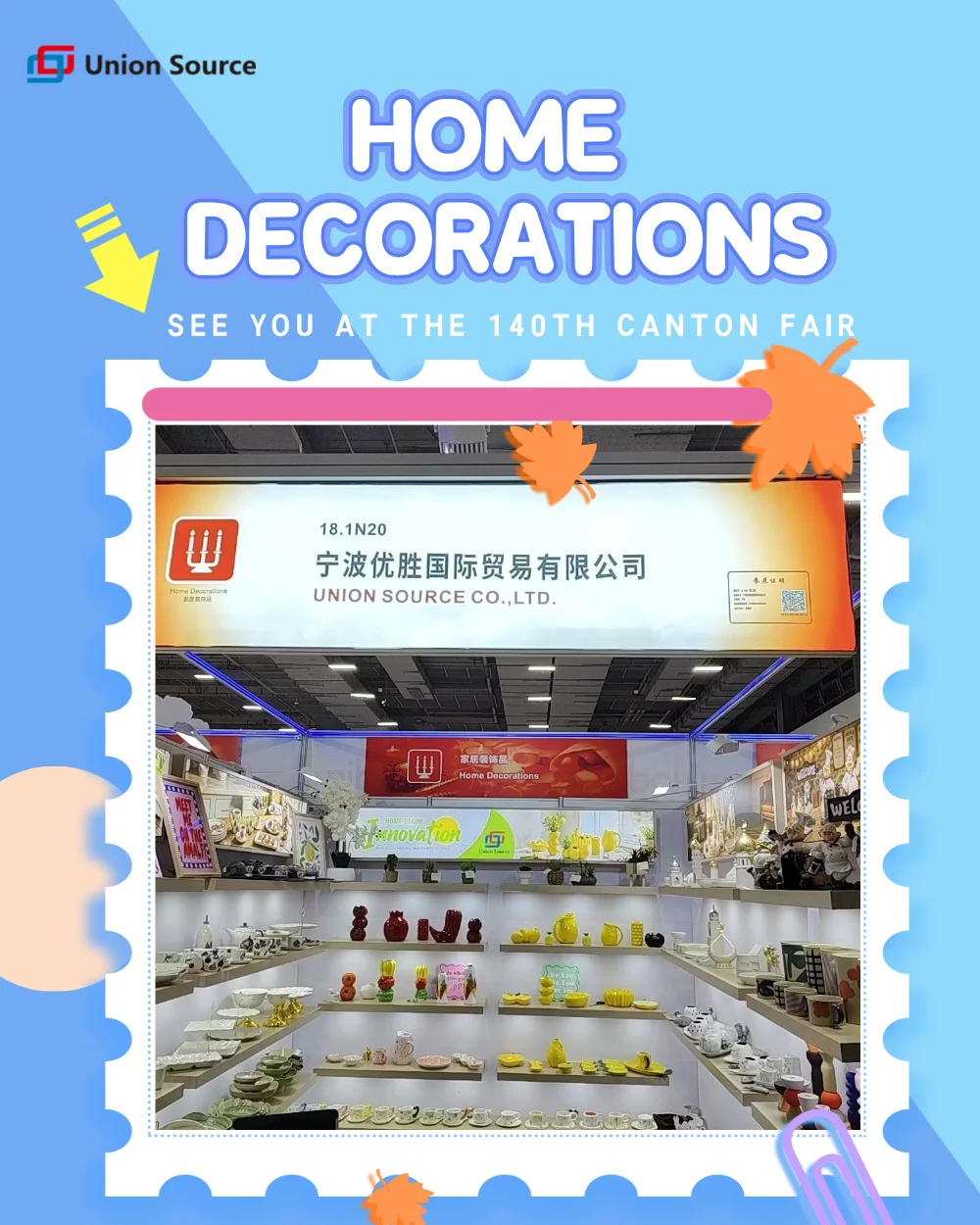
UNION SOURCE in Canton Fair
4. Why Does the Canton Fair Spread Across Three Phases?
For global buyers, the Canton Fair’s phased exhibition structure is never random—and its decision to divide the fair into three specialized phases is a masterclass in international trade efficiency. This approach isn’t just about managing crowd flow; it’s about building a scalable, focused system that aligns with buyers’ need to source efficiently across multiple categories. By spreading product categories across three phases (Electronics, Consumer Goods, Textiles), the fair allows buyers to concentrate on their target industries without distraction. It also allows exhibitors to prepare specialized product lines, whether that’s Guangdong’s tech-advanced electronics or Zhejiang’s trend-driven apparel.
From an international trade perspective, this phased structure is critical for maintaining sourcing efficiency. In an industry where buyer time is limited—think importers who need to visit hundreds of suppliers in days—having dedicated phases lets buyers focus their efforts. For example, if a buyer needs kitchenware for the spring market, they can attend Phase 2 exclusively, visiting thousands of relevant suppliers without wading through unrelated categories. This structure also directly addresses the question many stakeholders ask: How can I source efficiently at the Canton Fair? —the answer, rooted in the fair’s phased approach, reveals how the platform balances product diversity with focused sourcing. Most importantly, this structure strengthens the fair’s value proposition, turning potential inefficiencies (like large crowds) into opportunities for targeted, efficient procurement.
4.1 Time-Related Reasons Behind the Phased Structure
Time optimization is the backbone of the Canton Fair’s phased structure, and each phase offers distinct scheduling advantages that resonate with international trade professionals. Buyer time, a major constraint in trade shows, varies across phases—but all are designed to maximize efficiency. Phase 1 (Electronics), for instance, runs for five days, giving buyers ample time to explore the vast electronics section, which covers over 40,000 square meters. Phase 2 (Consumer Goods & Home Decor), while also five days, is scheduled to align with the spring and summer procurement cycle, allowing buyers to place orders with enough lead time for mid-year delivery. Phase 3 (Textiles & Apparel), meanwhile, is positioned after the spring rush, letting buyers focus on summer and fall collections.
Beyond timing, the phased structure offers cost savings in logistics and travel—two pillars of international trade profitability. Buyers can plan their trips around their target phases, reducing hotel and transportation costs. For example, a buyer sourcing only from Phase 2 can arrive just before that phase starts and leave immediately after, avoiding unnecessary accommodation expenses. The phased structure also allows for focused supplier engagement: buyers can dedicate full days to specific categories, ensuring they don’t miss key exhibitors. For importers, this efficiency translates to better sourcing outcomes—more suppliers vetted, more orders placed, and more time for factory visits post-fair.
4.2 How the Phased Structure Benefits Buyer Efficiency
The Canton Fair’s phased structure is a hidden gem in trade show design, offering advantages that go far beyond crowd management—especially for buyers focused on sourcing scale and category specialization. Phase 1, in particular, creates a “one-stop” experience for electronics sourcing: from component suppliers (via local industrial zones) to finished product assemblers, all under one roof. This concentration means a buyer can visit a smart lock exhibitor in the morning and a smart lighting supplier in the afternoon, covering multiple product lines in a single day. For international trade professionals, this efficiency is a game-changer: it allows buyers to place orders across complementary product categories, minimizing coordination costs and reducing the risk of missing trend opportunities.
The phased structure also fosters specialization, letting buyers leverage each phase’s unique sourcing strengths. Phase 2 has invested heavily in consumer goods-focused infrastructure, including dedicated showrooms for kitchenware, home storage, and decorative accessories. Phase 3, meanwhile, excels in fast-fashion apparel, with a network of suppliers that specialize in flexible, small-batch runs—perfect for testing new designs before scaling up. Even cross-phase collaboration is seamless: a buyer sourcing from Phase 2 might identify a packaging supplier that also exhibits in Phase 3, creating synergies across product lines. This interconnectedness strengthens the fair’s overall value by turning it into a comprehensive sourcing platform rather than a series of isolated trade shows. For buyers, this structure means consistent supplier quality (exhibitors across phases adhere to the fair’s screening standards) and unmatched category diversity—critical for meeting the demands of modern retail. For importers and retailers, it means reliable access to a diverse range of products, backed by a platform that can adapt to any sourcing need.
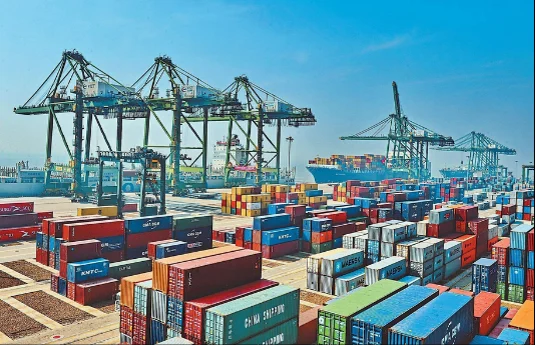
Exhibition supply chain
5. What You Need to Know About Sourcing from the 2026 Spring Canton Fair?
For anyone navigating global supply chains—importers, retailers, or procurement managers—understanding how to effectively source from the Canton Fair is non-negotiable. The fair isn’t just a “trade show” for Chinese manufacturers; it’s a strategic platform that has shaped global sourcing practices for over six decades. In the context of answering How to source from the Canton Fair?, the fair stands out as a consistent, high-value hub, even as alternative sourcing channels have emerged. Today, while digital platforms offer convenience, the Canton Fair remains irreplaceable for its ability to blend face-to-face interaction, supplier verification, and product diversity—making it a critical focus for international trade professionals seeking reliable, high-quality sourcing partners.
What makes sourcing from the Canton Fair unique is its balance of scale and specialization. Unlike some digital platforms where supplier legitimacy is unclear, the fair’s exhibitors are pre-vetted, ensuring buyers connect with genuine manufacturers rather than middlemen. This verification means products sourced here cater to both mass markets and premium segments, a flexibility that keeps buyers competitive globally. Additionally, the fair’s role in global sourcing extends beyond product discovery: it’s a testing ground for new supplier relationships and a gateway to China’s manufacturing ecosystem. For importers, this translates to opportunities to access verified suppliers with shorter lead times, thanks to the fair’s proximity to key production clusters. In short, ignoring the Canton Fair means missing a critical piece of the puzzle when answering How to source from China effectively? —and risking gaps in your sourcing strategy.
5.1 Overview of Sourcing Best Practices at the 2026 Spring Canton Fair
Successful sourcing at the Canton Fair is a masterclass in preparation, designed to streamline every step from pre-fair research to post-fair follow-up—a model that global buyers have refined over decades. At its core, this process is built on three pillars: pre-fair preparation, on-site execution, and post-fair follow-through.
Pre-fair preparation starts with researching exhibitors. The fair’s official website allows buyers to search by product category, exhibitor name, and even booth number, letting them build a targeted list of must-visit suppliers. Buyers should also use the fair’s online platform to schedule meetings in advance, ensuring they have dedicated time with key suppliers. For example, a U.S.-based retailer sourcing smart home devices can pre-select 20 exhibitors, request product samples, and schedule meetings—all before arriving in Guangzhou.
On-site execution involves efficient booth visits. Unlike trade shows with scattered exhibitors, the Canton Fair’s categorized sections mean related suppliers are grouped together, allowing buyers to visit multiple booths in a single area. This proximity is a major advantage for time-pressed buyers. For instance, a buyer sourcing kitchenware can visit 50 suppliers in Phase 2’s dedicated consumer goods section within two days, compared to a week at a less organized show. What’s more, the fair’s layout means these suppliers have quick access to nearby sourcing partners, enabling them to provide accurate lead times and pricing.
Post-fair follow-through is where deals are finalized. Successful buyers use the connections made at the fair to request samples, negotiate terms, and place trial orders. This follow-up phase, often completed within 30 days of the fair, ensures that momentum isn’t lost. For importers, this efficiency translates to faster time-to-market and reduced risk of supplier drop-off.
5.2 How the Canton Fair Became a Core Part of Global Sourcing
The Canton Fair’s journey to becoming a core part of global sourcing is a story of strategic alignment—between buyer needs and China’s evolving manufacturing landscape. It all began in 1957, when the first Canton Fair opened in Guangzhou. At the time, China was establishing itself as a manufacturing hub, offering abundant, skilled labor at a fraction of the cost of Western markets. For global buyers, which were then seeking cost-effective sourcing, this was a chance to scale procurement without sacrificing quality. Early on, the fair focused on basic consumer goods, but as China’s industrial capabilities grew—with investments in technology and infrastructure—the fair expanded to include more complex, high-value products.
A turning point came in the 2000s, when the Canton Fair shifted from a “general trade show” to a “specialized sourcing platform.” The fair’s organizers invested heavily in category segmentation, and exhibitors upgraded their facilities to meet global standards. Global buyers seized this opportunity, using the fair to source their most innovative products. For example, when the smart home market took off in the 2010s, the fair’s electronics section was among the first to showcase AI-powered appliances—solidifying its role as a leader in advanced product sourcing. Additionally, China’s rise as a consumer market played a key role: by sourcing locally, buyers could quickly respond to trends in China’s domestic market, turning the fair into a “local-for-global” powerhouse. Today, as global sourcing prioritizes sustainability and digital integration, the Canton Fair remains at the forefront—showcasing eco-friendly products and AI-powered sourcing tools—proving that its status as a core sourcing platform is not just historical, but future-focused. For international trade professionals, this history highlights a key lesson: successful global sourcing relies on partnering with platforms that can grow and adapt alongside market needs—and the Canton Fair has done exactly that for over 60 years.
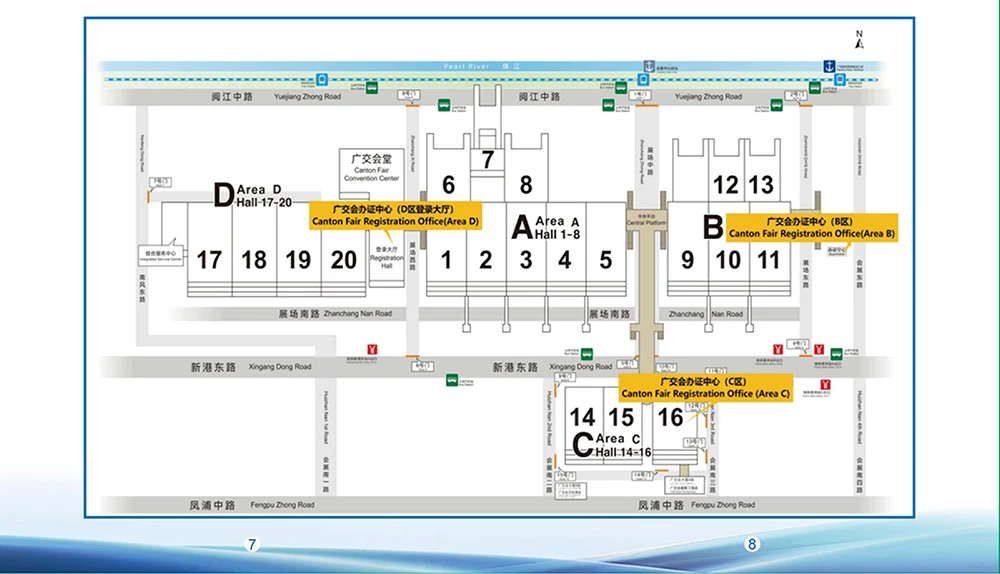
2026 Spring Canton Fair-Map
6. What Are the Key Chinese Hubs Showcased at the 2026 Spring Canton Fair?
For anyone in global sourcing, identifying China’s key manufacturing hubs showcased at the Canton Fair is essential to optimizing sourcing strategies. When answering Where do Canton Fair exhibitors come from? within China, it’s not just about “China as a whole”—but specific regions that have built specialized ecosystems to meet global standards. These hubs aren’t random; they’ve emerged due to a mix of infrastructure, skilled labor, and proximity to supply chain partners, making them critical nodes in China’s manufacturing landscape.
Each hub caters to different product categories, from mass-market consumer goods to high-tech, premium lines. This specialization means products sourced from the Canton Fair can vary by region, but all maintain consistent quality—a key advantage for buyers seeking to diversify their product offerings without compromising on reliability. Understanding these hubs also helps international trade professionals anticipate lead times and cost variations, as each region has unique logistics and labor dynamics. In short, these hubs are the backbone of the Canton Fair’s success, and ignoring their distinct roles means missing out on strategic sourcing opportunities.
6.1 Top Regions for Canton Fair Exhibitors
Three regions stand out as the primary hubs for Canton Fair exhibitors, each with a focus that aligns with sourcing needs. First, Guangdong Province—home to cities like Guangzhou, Shenzhen, and Dongguan—is the “electronics and manufacturing capital” of China, hosting over 40% of the fair’s exhibitors. Guangzhou, in particular, specializes in smart home devices and consumer electronics, with factories equipped for high-volume production. Its proximity to local component suppliers cuts lead times, a major plus for international trade efficiency.
Second, Zhejiang Province, including Ningbo and Yiwu, is the fair’s hub for consumer goods and gifts. Exhibitors here produce everything from kitchenware to home decor, leveraging Zhejiang’s reputation as a small-commodity powerhouse. Ningbo’s well-developed port also makes it easy to export finished goods globally, reducing logistics costs for importers.
Third, Fujian Province, centered in Jinjiang and Xiamen, focuses on textiles, footwear, and apparel. Jinjiang’s expertise in sports footwear and casual apparel makes it ideal for buyers sourcing from this category. Like Guangdong, Fujian benefits from local supply chains, ensuring factories have quick access to specialized materials. Together, these three regions account for over 70% of Canton Fair exhibitors, making them the go-to spots for anyone sourcing from China.
6.2 Why These Hubs Stand Out Among Chinese Suppliers
What sets these hubs apart from other Chinese suppliers is their deep integration with global sourcing needs—built over decades of export experience. First, they offer “end-to-end” supply chain support: from raw material sourcing to finished product delivery, every step is localized. For example, Guangdong’s Shenzhen has thousands of local suppliers providing everything from PCBs to plastic casings, so electronics manufacturers don’t need to import components. This integration slashes lead times (often to 2–3 weeks for components) and reduces costs, a huge advantage for international trade operations.
Second, these hubs have invested heavily in export-aligned infrastructure. Guangdong’s factories, for instance, have adopted international quality standards (like ISO 9001) and digital quality control tools, ensuring compliance with global buyer requirements. This level of alignment is rare among smaller Chinese suppliers, making these hubs more reliable for long-term partnerships.
Finally, they have a skilled, specialized workforce. Guangdong’s workers, for example, have years of experience in electronics assembly, while Zhejiang’s teams excel at consumer goods manufacturing. This expertise means fewer production errors and faster ramp-up times for new designs—critical for global sourcing cycles. For importers, this translates to consistent quality, on-time deliveries, and access to the full range of Chinese manufacturing capabilities, making these hubs irreplaceable in the global supply chain.
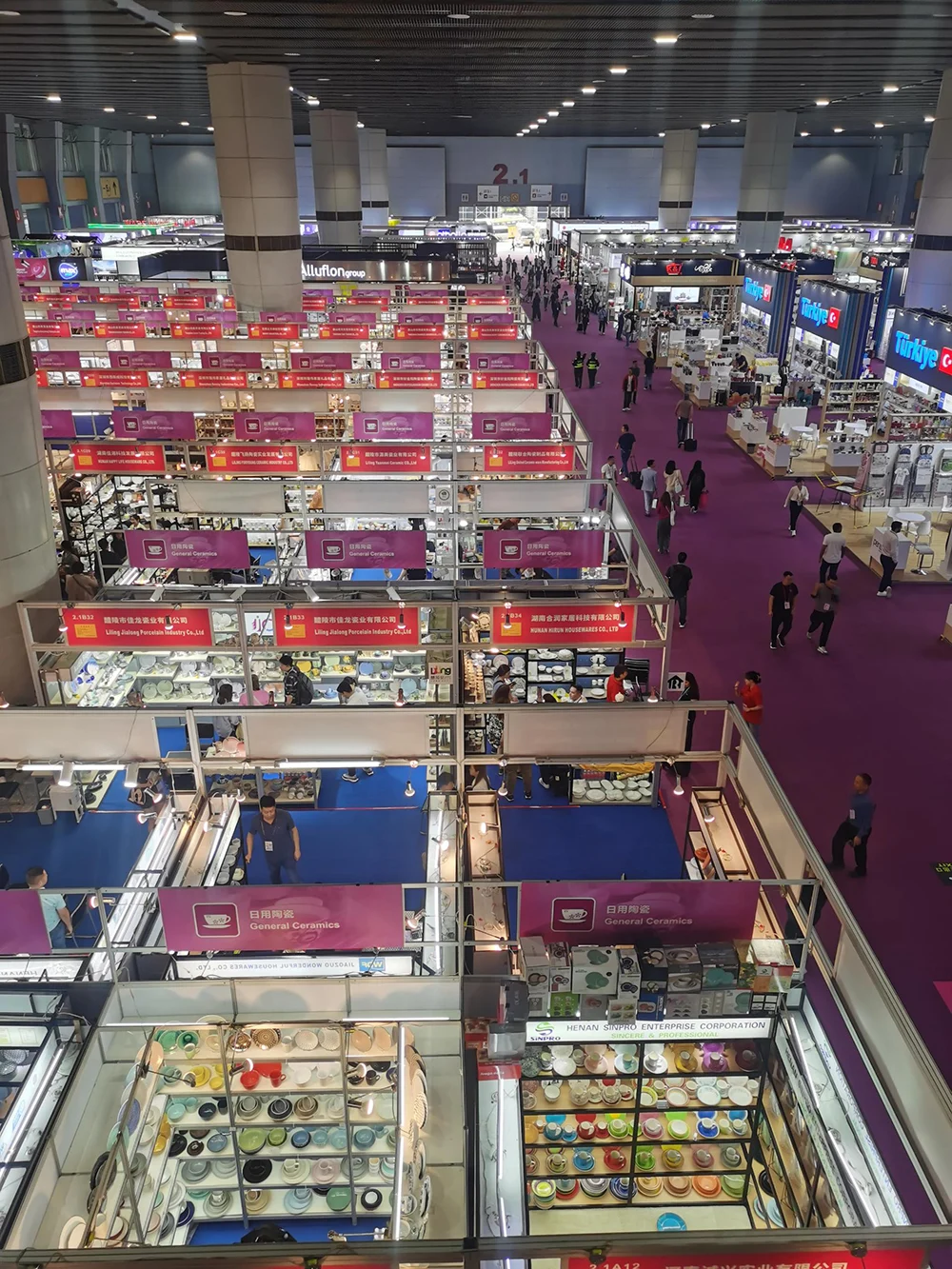
On-site scene-Canton Fair

Faye Fang is a Sourcing Specialist at Unionsource, focused on connecting international buyers with reliable Chinese suppliers. She brings expertise in product sourcing, supplier evaluation, and order management, helping clients secure quality products efficiently.