

Introduction: Why Choosing the Right Pruning Shear Size Matters for Your Garden Supply Business
In today’s competitive garden tool market, selecting the right pruning shears is no longer just about sharpness — it’s about precision, comfort, and the right fit for every user. Whether your clients are professional landscapers or casual home gardeners, the pruner size you offer directly influences their satisfaction and long-term loyalty.
For wholesalers, importers, and distributors, understanding the science behind pruner sizing and design can turn an ordinary catalog into a powerful sales driver. The best size pruners balance blade efficiency, ergonomic handle design, and durability — all key factors that separate high-quality garden tools from low-end alternatives.
In this guide, we’ll explore how to choose the ideal pruner size for different users, analyze blade-to-handle ratios, and offer practical sourcing advice for businesses looking tobuy pruning shears in bulk. By mastering these insights, your company can strengthen its garden tool sourcing strategy, expand product appeal, and meet the diverse needs of both local and international customers.
1. What Are the Common Pruner Sizes and Why Do They Matter?
1.1 Understanding the Standard Pruning Shear Size Range
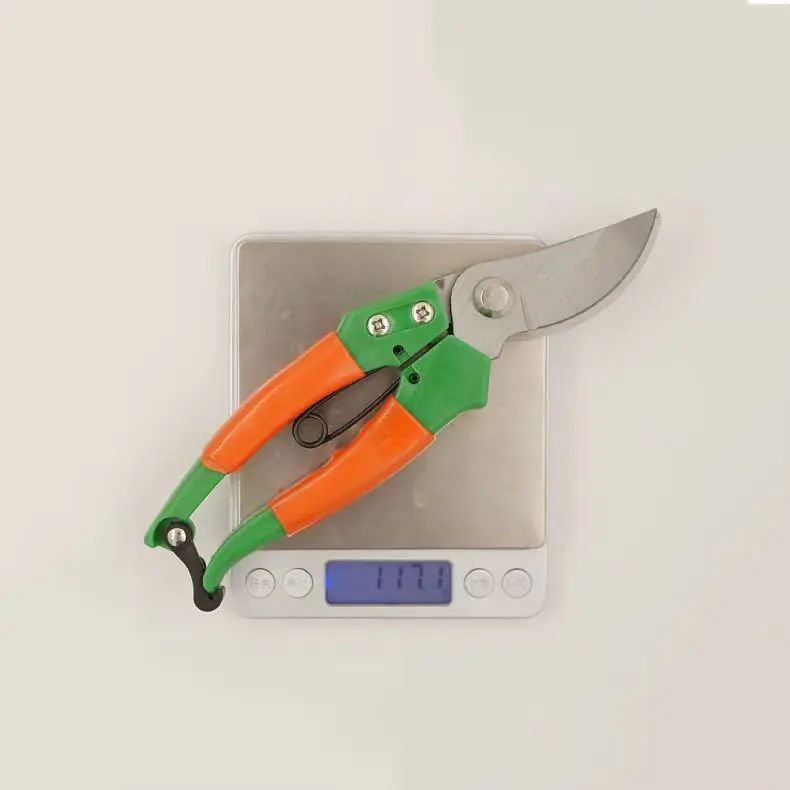
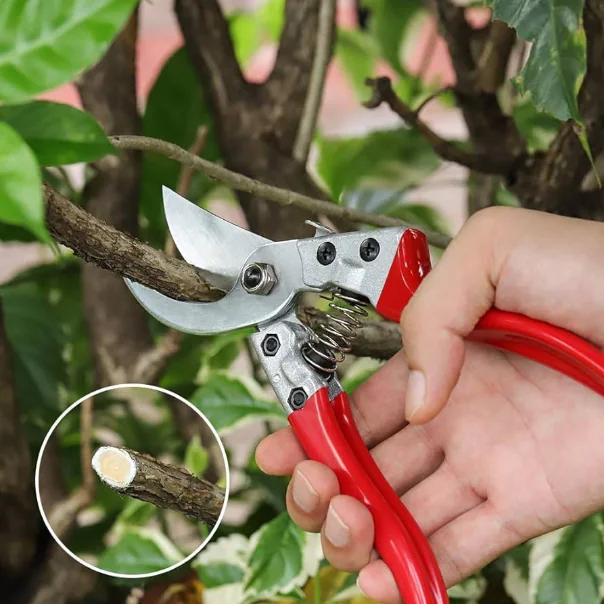
In the professional garden-supply market, understanding the standard pruner size range is essential for selecting products that truly meet customer demand. Most pruning shears fall between 6 to 9 inches (15 to 23 cm) in overall length. Smaller hand pruners, around 6 inches, are ideal for delicate plants, herbs, and light branches under ½ inch thick. Mid-sized models of 7 to 8 inches provide the perfect balance between cutting power and control, favored by both home gardeners and retail customers. Heavy-duty bypass or anvil types of 8 to 9 inches cater to professionals who handle thicker stems or woody shrubs.
When you manage wholesale garden tools or deal with pruning shears in bulk, offering a full range of sizes helps meet diverse retail and landscaping needs. Sourcing from factories that specify blade length, handle ergonomics, and cutting diameter allows your business to tailor shipments for different market segments. In garden-tool sourcing, size variation directly reflects quality perception—buyers associate longer handles with strength and smaller models with precision work. Therefore, understanding these standard sizes is the foundation for product differentiation, pricing strategy, and customer satisfaction.
1.2 How Pruner Size Impacts Cutting Performance, Comfort, and Plant Health
The right pruner size affects not only how efficiently a branch is cut but also how long the user can work without fatigue. A small pair of pruning shears offers precision but requires more effort on thicker stems, increasing the chance of crushing or tearing plant tissue. Conversely, oversized pruners deliver more leverage but may reduce accuracy on finer tasks. Poorly sized tools lead to incomplete cuts that damage plant fibers, inviting disease or slower regrowth.
For suppliers, understanding how to choose pruning shears size means balancing blade leverage with ergonomic design. Handles must fit comfortably in both male and female hands, while blade alignment should allow smooth closure. When sourcing wholesale garden tools, look for manufacturers using lightweight aluminum or reinforced nylon handles combined with high-carbon steel blades—these features enhance performance across all sizes.
Comfort translates to repeat sales: professionals and retailers favor products that minimize strain. By categorizing your pruning shears in bulk according to ergonomic suitability and performance rating, you not only meet gardeners’ functional needs but also strengthen your reputation for reliability and care in product selection. Ultimately, correctly sized pruners support both healthier plants and a healthier business.
1.3 Choosing Between Bypass, Anvil, and Ratchet Pruners for Different Garden Needs
While pruning shears share the same goal—clean, efficient cuts—their design differences are significant. Bypass pruners operate like scissors, offering the cleanest cuts on living stems. They are typically lighter and come in medium pruner size ranges, ideal for flower growers or nursery work. Anvil pruners, by contrast, feature a single straight blade closing onto a flat surface; they handle thicker, dead, or woody branches. Ratchet pruners use a step-by-step mechanism to multiply cutting force, enabling users to handle dense material with minimal hand strain.
From a garden tool sourcing perspective, stocking a balanced mix of these types in various sizes ensures complete coverage of your customers’ requirements. Retailers often request different models in the best size pruners category depending on regional plant species or professional versus DIY use. When you supply pruning shears in bulk, providing detailed product specifications—cutting diameter, handle length, material, and target application—helps distributors market each type effectively.
Selecting the correct pruner design not only enhances garden productivity but also signals your understanding of market segmentation. A smart exporter who offers size and type variations gains flexibility in pricing tiers and customer satisfaction. In short, the ideal assortment of bypass, anvil, and ratchet pruners equips your garden-supply business to meet every gardener’s need from precision to power.
2. How to Choose Pruning Shear Size Based on Your Target Customers
2.1 Matching Pruner Size to User Hand Size, Skill Level, and Frequency of Use
Every garden-supply buyer—whether retailer or landscape contractor—serves users with different needs, and selecting the correct pruning shears size for them determines both comfort and performance. Smaller-handed gardeners or beginners usually prefer compact models under 7 inches. Professionals who prune daily require larger handles and stronger spring mechanisms for endurance. Matching pruner size to skill level and hand strength reduces return rates and increases customer satisfaction.
In wholesale garden tools, precision sizing also influences brand loyalty. Offering multiple handle designs and adjustable grips allows you to meet diverse ergonomic expectations in different export markets. When evaluating factories, prioritize those that can customize handle lengths or supply mixed-size cartons of pruning shears in bulk. This flexibility demonstrates understanding of how to choose pruning shears size based on end-user comfort rather than a one-size-fits-all approach.
As buyers spend more time comparing products online, detailed sizing descriptions become a sales advantage. Include measurements, material data, and recommended usage frequencies in your catalog or product page. By aligning pruner size with user profiles, you help retailers and consumers achieve better results in the field—creating a win-win for both gardeners and your garden-tool business.
2.2 Selecting the Right Models for Different User Groups — Hobby Gardeners vs. Professional Landscapers
For distributors and exporters, understanding your target segments defines the entire sourcing strategy. Hobby gardeners value affordability and lightweight pruning shears suited for casual weekend use. Professionals demand heavy-duty construction, replaceable parts, and ergonomic handles that endure continuous work. The correct pruner size varies accordingly: smaller, nimble versions for home use, and larger, power-leveraged ones for landscape contractors.
If you are involved in garden tool sourcing, collaborate with manufacturers capable of offering both categories. Request performance testing and handle material samples to ensure consistency across models. Position your catalog clearly—“DIY Series” vs. “Pro-Grade Series”—to guide retailers and wholesalers effectively. Including the best size pruners in each category enables customers to make quick, informed decisions.
When supplying pruning shears in bulk, packaging options and branding must reflect the buyer persona: bright retail blister packs for hobbyists, durable pouches or kits for professionals. The ability to provide differentiated models strengthens your reputation as a reliable partner in wholesale garden tools. By tailoring product sizes and styles to each customer tier, your garden-supply business becomes not only a tool vendor but a trusted advisor in product strategy.
2.3 Why Offering a Range of Pruning Shears Boosts Your Garden Supply Sales
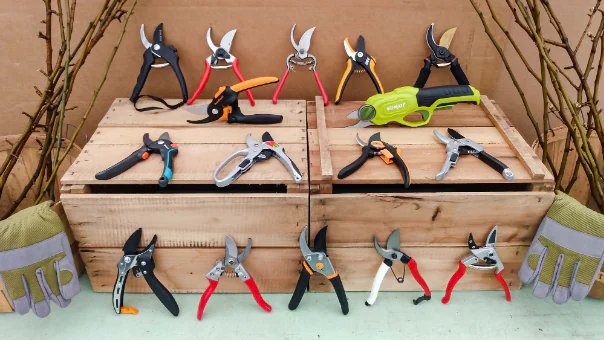
Variety sells. A garden-supply business that provides multiple pruning shears sizes and types attracts broader market attention and builds long-term relationships with retailers. From a B2B perspective, diversified inventory communicates professionalism and flexibility. Stocking various pruner size options—small ergonomic models for precision trimming, medium all-purpose versions for nurseries, and large heavy-duty types for commercial landscaping—means your catalog appeals to every user profile.
Offering pruning shears in bulk across different price tiers also enhances negotiation leverage with distributors. When combined with consistent quality assurance, this assortment supports brand credibility in wholesale garden tools. For export markets, particularly in Europe and North America, customers increasingly seek suppliers who can deliver full product lines rather than single-item shipments. Strategic garden tool sourcing that emphasizes comprehensive size coverage ensures your business meets these evolving expectations.
Knowing how to choose pruning shears size for diverse end users enables you to anticipate demand trends and optimize logistics. Instead of overstocking one model, you distribute risk and maximize revenue opportunities. Ultimately, a well-balanced size portfolio reflects a customer-centric mindset—and that’s what turns a supplier into a global leader in the garden-supply trade.

3. The Ideal Balance: Size, Blade Type, and Handle Ratio Explained
3.1 How Blade-to-Handle Ratio Affects Cutting Leverage and Precision
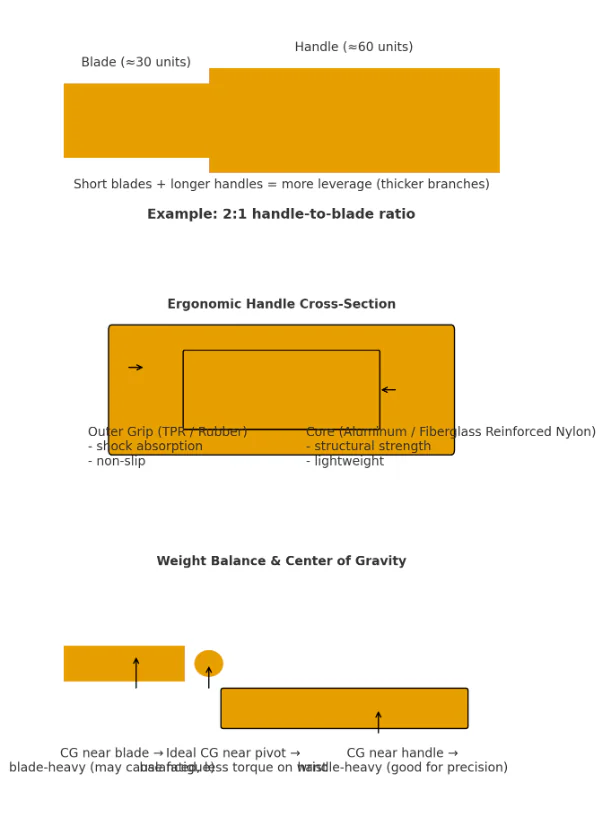
When selecting pruning shears, understanding the blade-to-handle ratio is key to achieving both efficiency and comfort. A well-proportioned ratio allows users to apply maximum cutting leverage with minimal effort — an essential factor for those handling long hours of pruning in commercial gardening or landscaping operations. Short blades paired with longer handles provide better force and reach for thick branches, while shorter handles with mid-length blades enhance precision for delicate trimming work.
For distributors and importers, offering various pruner size options ensures you meet the diverse needs of both hobbyists and professional gardeners. The best size pruners for large-scale trimming, for example, typically feature reinforced handles that maintain balance even with heavy-duty steel blades. Conversely, compact pruning shears are favored by greenhouse or bonsai specialists who prioritize control over power.
In bulk procurement, it’s important to confirm that manufacturers adhere to consistent size ratios across models. A 2:1 handle-to-blade ratio, for instance, is often the sweet spot for ergonomic performance. Buyers focusing on wholesale garden tools should request detailed specifications from suppliers to ensure each unit’s balance meets the same quality standard, minimizing return rates and maximizing customer satisfaction.
3.2 Comparing Ergonomic Handles, Grip Materials, and Weight Balance
The handle design of pruning shears plays a crucial role in user experience, especially when tools are used continuously throughout the day. Ergonomic handles reduce strain on the wrist and hand muscles, making them a preferred feature for professional landscapers. Rubberized grips offer shock absorption, while aluminum or fiberglass handles help reduce total weight without compromising strength.
Weight distribution is equally vital — a poorly balanced shear can lead to user fatigue or even repetitive strain injuries. Manufacturers that understand the importance of balance often design shears with reinforced central pivots and precision-molded grips. When sourcing pruning shears in bulk, businesses should test sample units for handle comfort, balance, and cutting efficiency before finalizing orders.
For importers and wholesalers, promoting ergonomic designs in your garden tool sourcing strategy adds significant marketing value. Highlighting comfort-driven features in your product catalog not only attracts professional buyers but also positions your brand as a reliable supplier of quality-oriented garden tools. This attention to detail will help strengthen your foothold in the competitive gardening supply market.
3.3 Blade Materials and Sharpness: Ensuring Long-Term Durability for Bulk Buyers
Blade material directly influences the longevity and performance of pruning shears, which is especially critical when purchasing for large-scale distribution. High-carbon steel blades remain sharp longer and resist bending, making them ideal for commercial-grade tools. Stainless steel options, while slightly softer, offer better rust resistance — a valuable feature for humid climates or regions with unpredictable weather.
For importers ordering pruning shears in bulk, ensuring consistent blade quality across shipments should be a top priority. Request material certifications and hardness test reports (such as HRC ratings) from suppliers. This not only demonstrates professionalism but also safeguards your business reputation.
Additionally, consider the finish of the blade — titanium-coated or Teflon-treated blades reduce friction, allowing smoother cuts and easier cleaning. Pairing these materials with ergonomic handles and balanced pruner size options results in the best size pruners for both retail and wholesale clients. In a competitive wholesale garden tools market, offering long-lasting, sharp, and durable models helps you stand out as a trusted sourcing partner.
4. Practical Buying Guide for Garden Supply Businesses
4.1 How to Source Pruning Shears in Multiple Sizes from Reliable Manufacturers
For B2B importers and distributors, finding the right supplier for pruning shears means more than just comparing prices. Reliability, quality control, and communication are the real differentiators. Start by shortlisting manufacturers with strong production capabilities, verified export experience, and ISO or BSCI certifications.
When sourcing pruning shears in bulk, request detailed samples across multiple pruner size ranges — from compact hand shears to large bypass models. Evaluate each sample’s cutting smoothness, material consistency, and comfort level. This due diligence ensures that the tools you import meet the expectations of both professional landscapers and casual gardeners.
Additionally, diversification is key. Partnering with suppliers who can produce matching tool lines (such as loppers, hedge shears, and saws) under the same brand family strengthens your portfolio of wholesale garden tools. Using clear specifications and professional sourcing practices enhances efficiency, reduces defective rates, and builds long-term business partnerships.
4.2 Key Specifications to Include in Your Product Listing or Catalog
A well-prepared catalog is your silent salesperson. When listing pruning shears, make sure each model includes full specifications: blade length, handle material, blade type (bypass or anvil), total tool weight, and intended cutting capacity. Clear visuals showing handle design and grip material are also important, as buyers often evaluate ergonomics visually before purchase.
Adding a “recommended usage” note — for example, “ideal for fruit trees” or “suitable for small branches up to 20mm” — helps customers choose pruning shears size with confidence. In garden tool sourcing, transparency and detailed technical descriptions not only increase trust but also enhance your search visibility in online B2B platforms and marketplaces.
4.3 Maintenance Tips and Packaging Ideas to Increase Customer Satisfaction
Even the best size pruners lose performance without proper maintenance. Educate your customers by including care tips in packaging or catalogs — such as oiling the blades regularly, cleaning after use, and storing in dry areas. Offering replacement blade kits or sharpening tools as part of your wholesale package can add extra value and encourage repeat business.
Packaging also plays a key role in customer perception. Eco-friendly materials, hanging tags with multilingual instructions, and barcode-ready designs make your products more appealing to international retailers. For distributors handling wholesale garden tools, professional packaging ensures products remain protected during transport while reinforcing brand identity.
By combining practical design, durable materials, and smart presentation, your pruning shears line can establish itself as a reliable choice in the competitive global garden supply industry — driving both B2B trust and end-user satisfaction.
Conclusion: Build a Profitable Garden Tool Line with the Right Pruning Shear Selection
The success of your garden supply business depends on more than just offering a wide range of tools — it’s about offering the right tools. From understanding how to choose pruning shears size to sourcing high-quality materials and ergonomic designs, every detail contributes to your brand reputation and customer trust.
As demand for durable and user-friendly pruning shears continues to grow worldwide, now is the perfect time to review your catalog and upgrade your sourcing strategy. Partnering with reliable manufacturers who can provide consistent quality across multiple pruner sizes will help you capture both retail and wholesale markets efficiently.
👉 Looking to import or wholesale pruning shears directly from trusted factories in China?
Our team specializes in garden tool sourcing, quality control, and customized packaging for international buyers.
Contact us today to get expert guidance, factory quotes, and product catalogs tailored to your business needs — and start building your next best-selling garden tool line.


Berry Bian, Marketing Director at UnionSource, brings years of experience in global sourcing and brand strategy. Berry focuses on analyzing market trends and sharing insights that help international buyers and business partners stay ahead in the fast-changing world of wholesale trade.