

1、Introduction to Sourcing Home Decor from China
Overview of China’s Home Decor Market
China is recognized globally as one of the largest manufacturers and exporters of home decor products. With a rich history in craftsmanship and a modern approach to design, the country offers a diverse array of suppliers ranging from small family-owned workshops to large-scale factories. These suppliers are capable of producing everything from traditional to contemporary designs, catering to a wide range of tastes and preferences.
The Chinese home decor market is known for its:
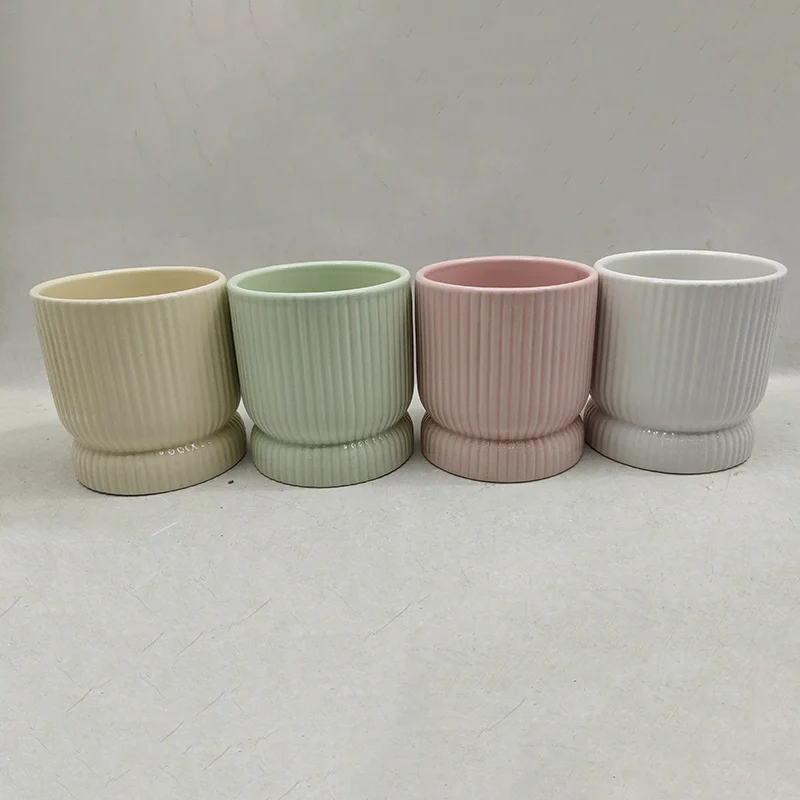
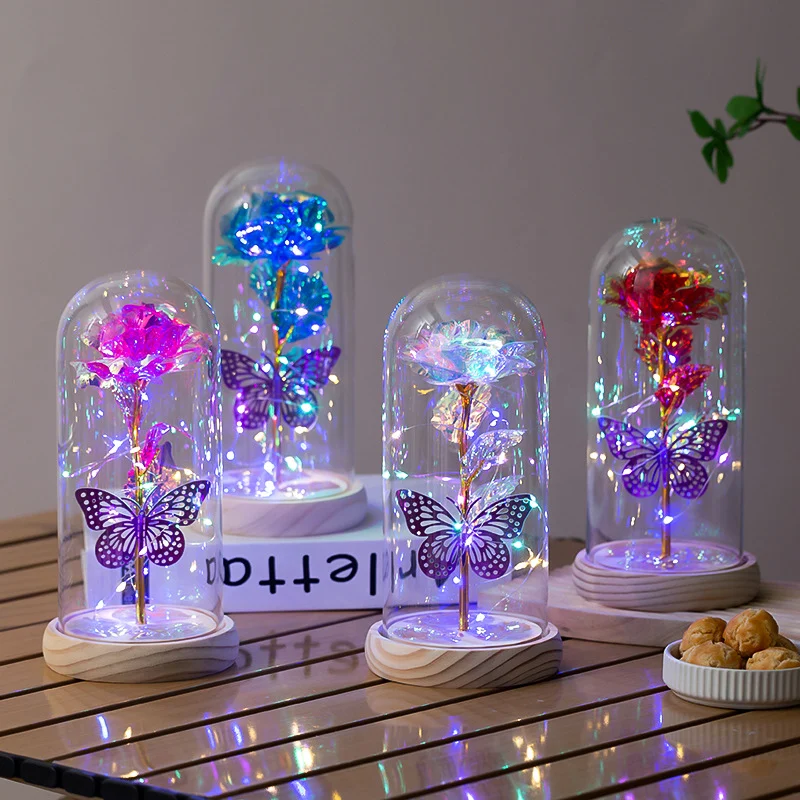
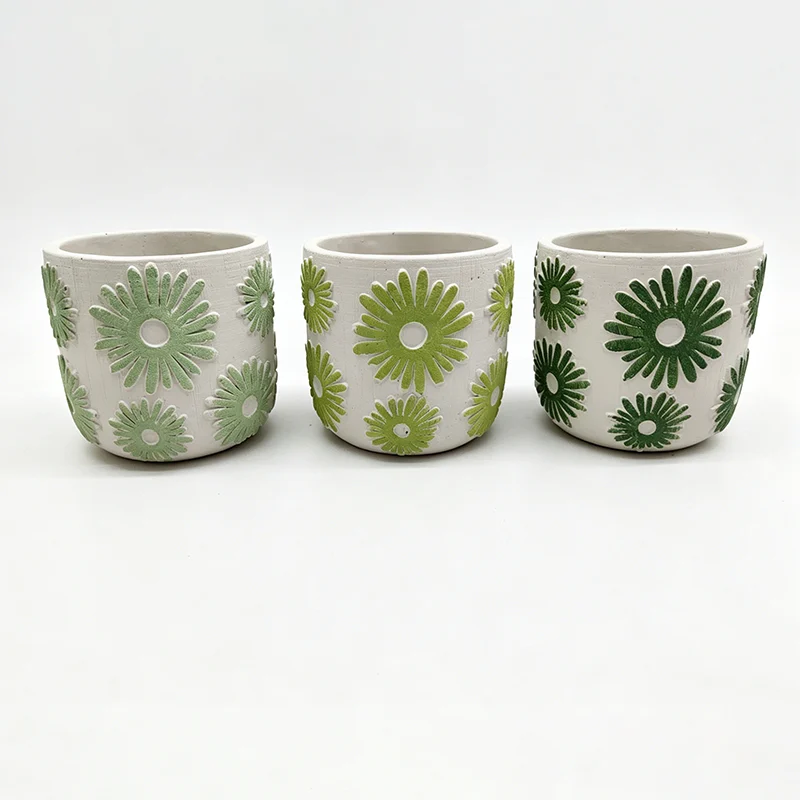
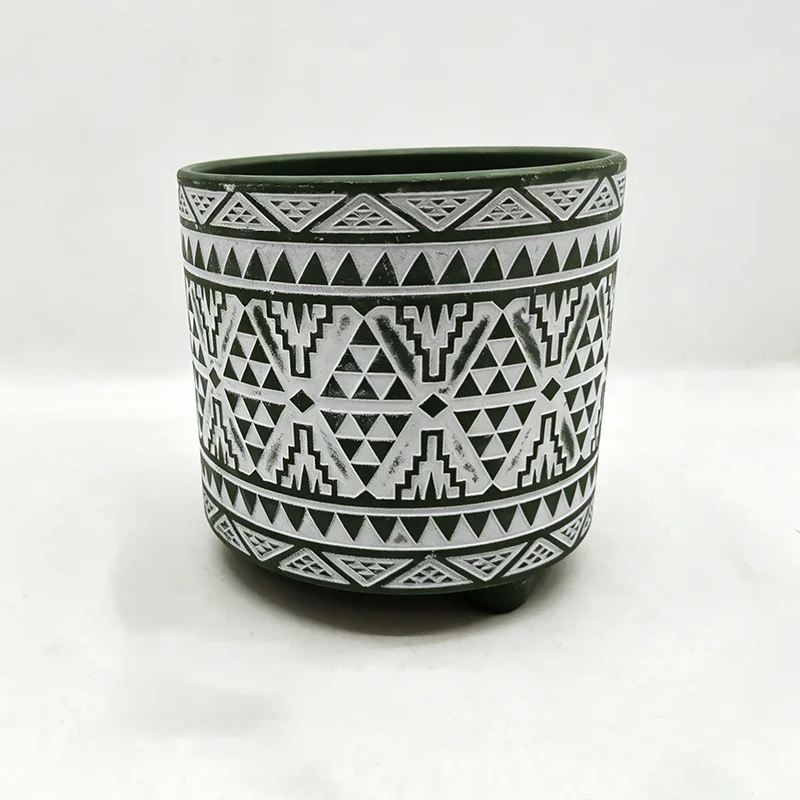
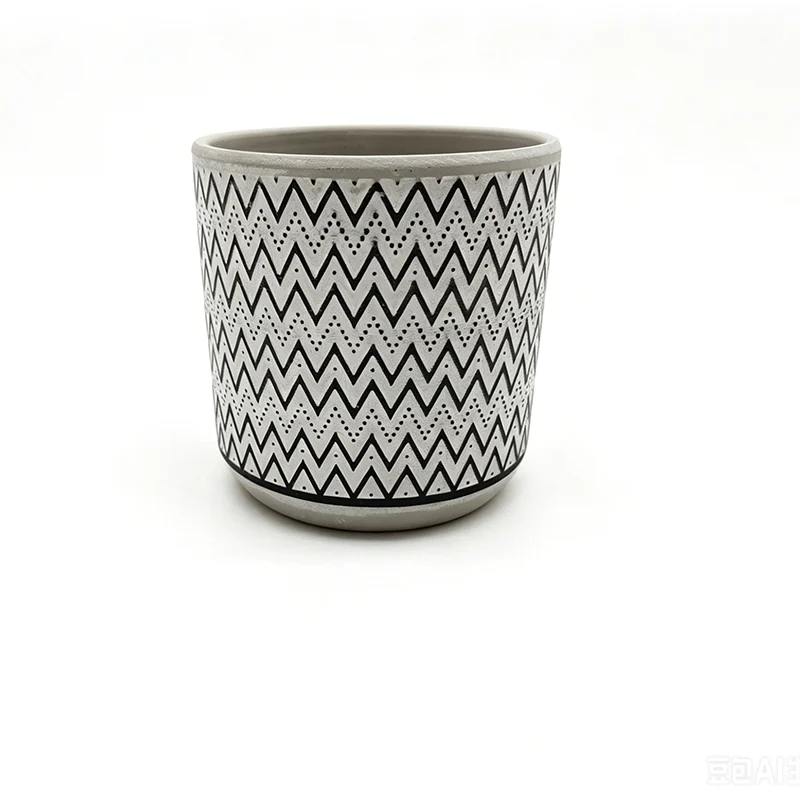
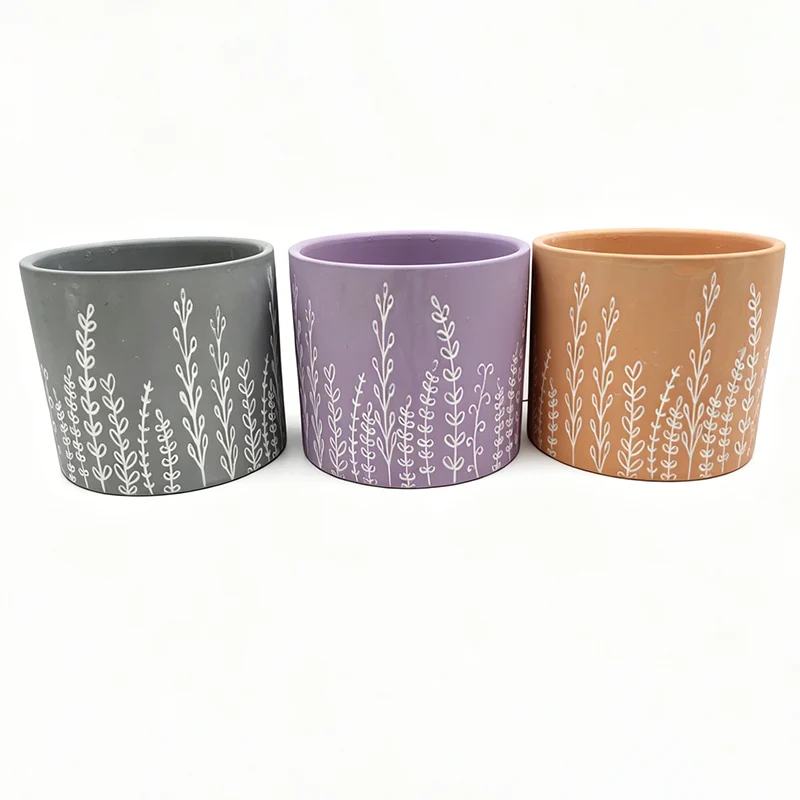
Variety: A vast selection of products, including furniture, lighting fixtures, textiles, and decorative items. This diversity allows buyers to find virtually any style or material they need, from rustic wood furniture to modern glass vases.
Quality: High-quality materials and craftsmanship, often rivaling those found in Western markets. Chinese manufacturers have access to a wide range of raw materials and skilled labor, enabling them to produce high-quality products at competitive prices.
Affordability: Competitive pricing due to lower labor costs and economies of scale. This affordability makes it possible for retailers to offer high-quality products at prices that are accessible to a broader customer base.
Benefits of Sourcing Home Decor from Chinese Suppliers
Sourcing home decor from China offers several significant advantages that can benefit businesses looking to enhance their product offerings:
1. Cost-effectiveness: Lower production costs mean more affordable prices for retailers. The combination of lower labor costs, efficient production processes, and the availability of raw materials at competitive prices enables suppliers to offer products at a fraction of what they might cost elsewhere.
2. Diverse Selection: A wide range of styles and materials to choose from. Chinese suppliers are adept at producing a variety of home decor items, from minimalist designs to ornate and intricate pieces. This diversity means that businesses can source unique and exclusive products that stand out in a crowded marketplace.
3. Flexibility: The ability to customize products to meet specific needs and preferences. Many Chinese suppliers are willing to work closely with buyers to tailor products according to their specifications, whether it’s adjusting dimensions, changing colors, or incorporating custom designs. This flexibility can be a significant advantage for businesses looking to differentiate themselves and offer personalized solutions to their customers.
4. Reliable Supply Chain: Established logistics networks and efficient production processes. China has a well-developed infrastructure that supports the seamless movement of goods from factories to ports and beyond. This reliability ensures that products are delivered on time, minimizing disruptions and providing a stable supply chain.
5. Innovation: Access to cutting-edge technology and design trends. Chinese manufacturers are at the forefront of innovation, constantly developing new materials, techniques, and designs. This innovation ensures that businesses sourcing from China can stay ahead of the curve and offer the latest in home decor trends to their customers.
6. Scalability: The ability to handle both small and large orders. Chinese suppliers can accommodate orders of varying sizes, making it easier for businesses of all sizes to source home decor products. Small businesses can start with smaller orders to test the market, while larger enterprises can benefit from bulk purchasing discounts.
7. Quality Assurance: Robust quality control systems. Many Chinese suppliers have implemented rigorous quality control measures to ensure that products meet high standards. This focus on quality assurance provides peace of mind to buyers and helps maintain the integrity of the final product.
8. Market Access: Access to a global market. China’s strategic location and extensive export network make it easy to ship products worldwide. This global reach allows businesses to tap into international markets and expand their customer base.
9. Cultural Influence: Incorporation of traditional and modern design elements. Chinese culture has a rich heritage that influences the design of home decor products. From traditional motifs to modern interpretations, these designs can add a unique touch to any home decor collection.
10.Eco-friendly Options: Availability of eco-friendly and sustainable materials. As sustainability becomes increasingly important, many Chinese suppliers are now offering eco-friendly options made from sustainable materials, such as bamboo, recycled glass, and organic cotton. This trend aligns with the growing demand for environmentally conscious products.
In summary, sourcing home decor from China presents a wealth of opportunities for businesses seeking to enhance their product offerings. From cost savings and customization to access to innovative designs and a reliable supply chain, China offers a compelling proposition for those looking to enter or expand within the home decor market. By leveraging these benefits, businesses can differentiate themselves, improve profitability, and ultimately deliver exceptional value to their customers.
2.Identifying Reliable Chinese Suppliers
Tips for Finding Reputable Supplier
Utilize these resources to research potential suppliers:
Alibaba: One of the most popular B2B platforms for sourcing from China.
Global Sources: Specializes in connecting buyers with high-quality suppliers.
Made-in-China.com:A comprehensivedirectory of Chinese manufacturers and wholesalers.
Local trade associations:Join relevant associations to gain access to vetted suppliers.
3.Understanding the Wholesale Process
Step-by-Step Guide to the Wholesale Purchasing Process
1. Market research: Determine the products you need and assess the demand.
2. Supplier search: Identify potential suppliers based on your criteria.
3. Initial contact: Reach out to suppliers to inquire about products, minimum order quantities, and pricing.
4. Samples request: Request samples to evaluate quality and craftsmanship.
5. Negotiations: Discuss pricing, payment terms, and other conditions.
6.Order placement:** Place an initial order, usually via a formal purchase agreement.
7. Production: Monitor production progress and ensure quality control.
8. Shipping: Arrange for shipping and handle customs clearance.
9. Receipt and inspection: Receive the goods and inspect them upon arrival.
10. Payment: Finalize payments according to agreed terms.
Key Terms and Conditions Commonly Used in Chinese Wholesale
MOQ (Minimum Order Quantity): The smallest amount of a product a supplier will sell.
FOB (Free On Board): A term indicating the seller is responsible for loading the goods on board the vessel at the port of shipment.
EXW (Ex Works): The buyer is responsible for all transportation costs and risks involved in bringing the goods from the seller’s premises to the destination.
Incoterms: International Commercial Terms that define the responsibilities of sellers and buyers for the delivery of goods under various shipping terms.

4.Assessing Supplier Credibility and Quality
How to Evaluate the Credibility of a Supplier
Business registration: Check if the supplier is legally registered.
Company history: Look into the supplier’s track record and years in business.
Online presence: Review the supplier’s website and online reviews.
Trade references: Ask for references from previous clients.
Checking Product Quality and Compliance with Standards
Request samples: Inspect the quality and craftsmanship of the samples.
Certifications: Ensure the supplier complies with relevant safety and quality standards (e.g., CE, UL, RoHS).
On-site inspections: Visit the factory to assess production facilities and quality control processes.
Third-party inspections:Hire a third-party inspection company to conduct audits and quality checks.

5.Negotiating Prices and Terms
Effective Negotiation Strategies with Chinese Suppliers
Preparation: Know your budget and the market value of the products.
Volume discounts: Discuss discounts for larger orders.
Payment terms: Negotiate favorable payment terms, such as longer payment periods.
Shipping costs: Explore options for shared shipping costs.
Exclusive deals: Ask about exclusive product lines or special offers.
Understanding Pricing Structures and Payment Terms
Unit price: The cost per unit of the product.
Total cost: Includes unit price plus any additional charges (e.g., packaging, shipping).
Deposit: An upfront payment, typically a percentage of the total order value.
Balance payment: Paid upon completion of the order or after receiving the goods.
Escrow services: Use secure payment platforms like Alibaba’s Trade Assurance for added protection.

6.Placing Orders and Managing Production
Best Practices for Placing Wholesale Orders
Clear communication: Provide detailed specifications and expectations.
Purchase orders: Send a formal purchase order outlining all terms and conditions.
Contracts: Have a written agreement to protect both parties’ interests.
Regular updates: Maintain open lines of communication for production updates.
Managing Production Timelines and Quality Control
Production schedule:Confirm the timeline and milestones for production.
Quality checkpoints:Set up quality control checkpoints throughout the production process.
Final inspection: Conduct a final inspection before shipment to ensure the products meet your standards.
Adjustments:Be prepared to make adjustments if quality issues arise.

7.Shipping and Logistics
Shipping and logistics play a crucial role in the success of any business that involves importing goods from overseas suppliers. The right shipping method can make a significant difference in terms of cost, delivery time, and overall customer satisfaction. This chapter will guide you through the various shipping options available, as well as provide an overview of the customs and regulatory landscape.
Choosing the Right Shipping Method for Your Orders
When deciding on a shipping method, consider factors such as the urgency of the order, the size and weight of the shipment, and your budget. Here are some common shipping methods and their characteristics:
1. Sea Freight: This is the most cost-effective method for transporting large quantities of goods over long distances. It is particularly suitable for businesses that have ample lead time and do not require immediate delivery. However, sea freight is slower than other methods, typically taking several weeks to reach its destination.
Advantages: Low cost per unit volume, suitable for bulky items.
Disadvantages: Longer transit times, potential for delays due to weather or port congestion.
2. Air Freight: Air transport is much faster than sea freight, making it ideal for urgent shipments or high-value goods that need to arrive quickly. It is generally more expensive than sea freight, but the speed and security it offers may justify the additional cost.
Advantages: Quick delivery, higher security, less risk of damage.
Disadvantages: Higher cost, limited capacity for oversized or heavy goods.
3. Express Courier: For small or time-sensitive shipments, express courier services like FedEx, DHL, UPS, or TNT offer the fastest delivery options. These services are ideal for samples, small orders, or urgent shipments that require next-day or two-day delivery.
Advantages: Rapid delivery, door-to-door service, tracking capabilities.
Disadvantages: Can be expensive, especially for heavier packages.
4. Container Sharing (Less Than Container Load – LCL): If your shipment does not fill an entire container, consider sharing a container with other importers. This can significantly reduce shipping costs by splitting them among multiple parties.
Advantages: Cost-effective for smaller shipments.
Disadvantages: Longer transit times, more handling which increases the risk of damage.
5. Full Container Load (FCL): For larger volumes, booking an entire container for your goods ensures that they are not mixed with those of other shippers, reducing the risk of damage and loss.
Advantages: Greater control over the handling of your goods, reduced risk of damage.
Disadvantages: Higher cost, minimum volume commitment required.
Understanding Customs, Duties, and Import Regulations
Navigating the customs and regulatory landscape can be complex, but it is essential for ensuring smooth and legal imports. Here are key points to consider:
1. Customs Clearance: Each country has its own customs procedures. Familiarize yourself with the specific requirements in your country, including any necessary permits or licenses. Customs clearance can involve a series of steps, from declaration to inspection and payment of duties.
2. Import Duties: Research the applicable tariffs and taxes for home decor products. These fees vary depending on the type of product, its country of origin, and the destination country. Understanding these costs upfront helps in budgeting and pricing your products competitively.
3. Documentation: Prepare all necessary documentation accurately and in advance. Common documents include:
Commercial Invoice: A detailed list of the goods being shipped, including value and quantity.
Bill of Lading (B/L): This document serves as proof of ownership of the goods and confirms that they have been loaded onto the vessel.
Certificate of Origin: Required by some countries to determine the country of manufacture and assess the appropriate duty rates.
Packing List: Provides details about the packaging of the goods, such as dimensions and weight.
4. Compliance: Stay informed about changes in import regulations, which can affect everything from labeling requirements to restrictions on certain materials. Non-compliance can result in delays, fines, or even the seizure of goods.
In conclusion, choosing the right shipping method and understanding the customs and regulatory environment are critical components of successful international trade. By carefully considering these factors, you can optimize your supply chain, minimize costs, and ensure timely delivery of your home decor products to your customers.

8.Handling Communication and Language Barriers
Tips for Effective Communication with Chinese Suppliers
Use simple language: Avoid complex sentences and jargon.
Be clear and concise: Clearly state your requirements and expectations.
Confirm understanding: Regularly check that both parties understand each other.
Patience: Be patient and allow extra time for responses.
Tools and Resources for Overcoming Language Barriers
Translation apps: Use apps like Google Translate for quick translations.
Professional translators: Hire a professional translator for important communications.
Cultural awareness: Learn about Chinese business culture and etiquette.
English-speaking representatives: Work with suppliers who have English-speaking staff.

9.Building Long-Term Supplier Relationships
How to Establish and Maintain Strong Relationships with Suppliers
Regular communication: Maintain consistent and open lines of communication.
Feedback loops: Provide regular feedback to help suppliers improve.
Visits and meetings: Plan regular visits to the supplier’s facilities to build trust.
Mutual growth: Explore opportunities for mutual growth, such as co-developing new products.
Benefits of Long-Term Partnerships and Loyalty
Price stability: Long-term partners may offer more stable pricing.
Priority service: You might receive priority treatment during busy seasons.
Customized solutions: Suppliers are more likely to develop customized solutions for loyal customers.
Risk reduction: Stable partnerships can reduce the risk of supply chain disruptions.

10.Case Studies and Success Stories
Real-world examples of businesses that have successfully sourced home decor from China can provide valuable insights into the strategies and practices that contribute to success. In this chapter, we’ll explore two case studies of companies that have thrived by leveraging the vast manufacturing capabilities of China, along with lessons learned and best practices that can be applied to your own sourcing endeavors.
Examples of Businesses Successfully Sourcing Home Decor from China
Case Study 1: Artisanal Accents
Artisanal Accents is a boutique home decor store based in San Francisco that specializes in unique, handcrafted items. The company began sourcing unique ceramic vases from a small workshop in Jingdezhen, China, known as the “Porcelain Capital.” Jingdezhen has a rich history dating back over 1,700 years and is renowned for its exquisite porcelain craftsmanship.
Background:
Artisanal Accents was looking to expand its product line with exclusive, artisanal pieces that would resonate with its target market of design-conscious consumers. The owner, Sarah Thompson, had always been fascinated by the artistry and cultural significance of Chinese ceramics.
Approach:
Sarah traveled to Jingdezten to personally meet with local artisans and select a workshop that aligned with her vision. She chose a family-owned business that had been crafting ceramics for generations. Through close collaboration, Sarah and the artisans developed a series of exclusive designs that combined traditional techniques with modern aesthetics.
Results:
The exclusive vases were a hit with Artisanal Accents’ customers, who appreciated the unique designs and the story behind each piece. The relationship with the workshop proved to be mutually beneficial, as the artisans gained exposure to a new market while Artisanal Accents secured a steady supply of high-quality, distinctive products.
Lessons Learned:
Personal Connections: Building a personal connection with suppliers can foster trust and cooperation.
Exclusive Designs: Offering unique, custom-made products can differentiate a brand and attract loyal customers.
Quality Assurance: Working directly with skilled artisans ensures high-quality craftsmanship.
Case Study 2: Green Haven
Green Haven is an online retailer that focuses on eco-friendly and sustainable home decor products. The company has built a reputation for offering a wide range of environmentally conscious items at affordable prices. One of its key suppliers is a manufacturer located in Guangdong, China, that specializes in sustainable materials such as bamboo, recycled glass, and organic cotton.
Background:
Green Haven’s founder, Alex Lee, was passionate about sustainability and wanted to offer a comprehensive selection of eco-friendly home decor items. He realized that partnering with a manufacturer in China could help him achieve his goals while maintaining competitive pricing.
Approach:
Alex conducted extensive research to find a reliable supplier that shared his values regarding environmental responsibility. After several rounds of discussions and sample evaluations, he selected a manufacturer that used sustainable materials and had a strong track record of ethical practices.
Results:
The partnership enabled Green Haven to expand its product line with a diverse range of eco-friendly items, including bamboo wall hangings, recycled glass vases, and organic cotton throw pillows. Customers appreciated the wide selection and the commitment to sustainability, leading to increased sales and positive feedback.
Lessons Learned:
Sustainability Matters: Consumers increasingly prioritize eco-friendliness, so offering sustainable products can be a significant selling point.
Competitive Pricing: Partnering with manufacturers in China can help keep costs low while maintaining high standards.
Quality and Ethics: Ensuring that suppliers adhere to ethical practices is crucial for maintaining a positive brand image.
Lessons Learned and Best Practices from Real-World Experiences
Here are some key takeaways and best practices from these case studies:
1.Due Diligence:
Conduct thorough research to find reputable suppliers. Utilize platforms like Alibaba, Global Sources, and Trade Shows to vet potential partners.
Request references and samples to evaluate quality and craftsmanship.
2. Communication:
– Establish clear lines of communication to ensure mutual understanding and expectations.
– Use tools like Skype, WeChat, or email to maintain regular contact.
3. Quality Control:
– Implement quality control measures such as third-party inspections during production.
– Set up a quality control checklist to verify that the finished products meet your standards.
4. Flexibility:
– Be prepared for unexpected changes in production schedules or shipping times.
– Have contingency plans in place, such as backup suppliers or alternative shipping methods.
5. Long-Term Thinking:
– Focus on building long-term relationships with suppliers for sustainable business growth.
– Consider signing long-term contracts or establishing ongoing communication channels.
6. Cultural Sensitivity:
– Understand the cultural nuances and business etiquette of working with Chinese partners.
– Show respect for local traditions and practices, which can help build trust and strengthen relationships.
7. Legal Compliance:
– Ensure compliance with both Chinese and your home country’s laws and regulations.
– Consult with legal experts to navigate intellectual property rights, contract law, and import/export regulations.
By following these best practices and learning from real-world experiences, you can increase your chances of success when sourcing home decor from China. Whether you’re a small boutique or an established online retailer, careful planning and execution can lead to a fruitful partnership that benefits both your business and your customers.
This guide provides a comprehensive overview of how to successfully source home decor products from Chinese suppliers. By following these steps and best practices, you can navigate the wholesale process smoothly and build a successful business relationship.

Dujuan is a sourcing specialist at UnionSource China, experienced in global procurement, product development and supplier coordination. She focuses on helping overseas buyers find quality products with reliable service, clear communication and efficient order follow-ups.