

As global environmental awareness grows, consumers are shifting from disposable sanitary products to sustainable, high-performance period underwear, creating a vast blue ocean market for B2B buyers. Simultaneously, flexible supply chain support enables brands to rapidly capture market share in the expanding wellness trend through private labeling and customized designs. To succeed in this competitive landscape, importers must prioritize technical excellence and material innovation.
Why Period Underwear is a Growing B2B Market.
The period underwear market has transitioned from a niche eco-friendly alternative to a dominant force in the global hygiene sector.
Rising Consumer Awareness and Demand
Modern consumers are actively seeking ways to reduce their environmental footprint. The average person uses thousands of single-use plastic pads and tampons in a lifetime. Period underwear offers a sophisticated, reusable solution that resonates deeply with environmentally conscious demographics.
Comfort, Health, and Sustainability Trends
Health-conscious shoppers are increasingly wary of the chemicals, plastics, and fragrances found in traditional disposable products. Period underwear, particularly those utilizing organic cotton or OEKO-TEX certified materials, provides “chemical-free” peace of mind. According to industry data from Grand View Research, the market’s trajectory is fueled by a global move toward “period equity” and sustainable living.
Opportunities for Private Label and OEM/ODM
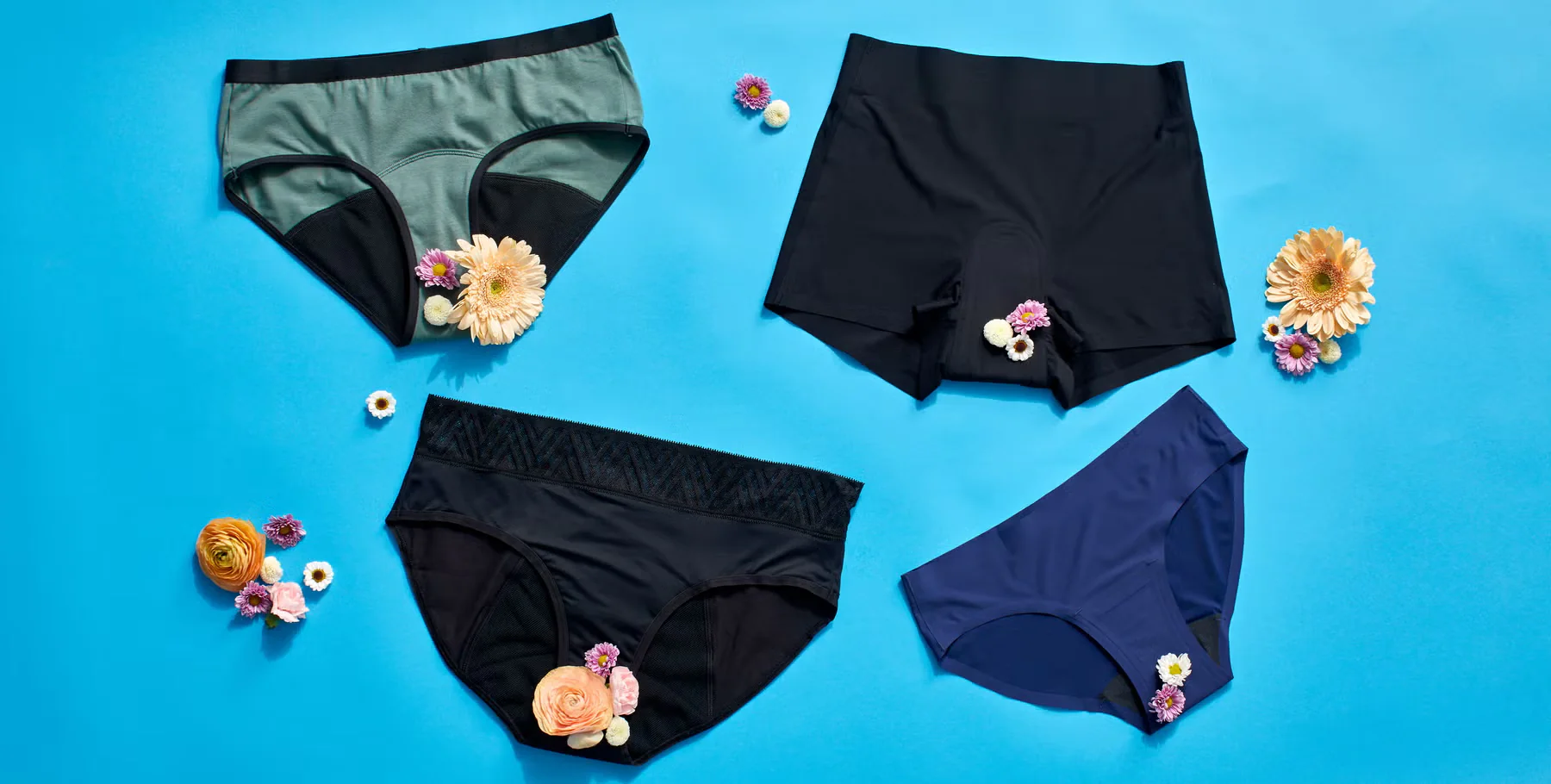
For B2B buyers, the “Green Wave” presents a prime opportunity for brand differentiation. Manufacturing infrastructure now allows for deep customization—from gusset thickness to aesthetic lace trimmings—allowing brands to occupy unique market positions without the overhead of independent textile R&D.
Feature 1: Absorbency and Leak Protection
The primary function of period underwear is utility; if a product fails to prevent leaks, the brand reputation suffers immediate damage.
Core Materials and Layering Technology
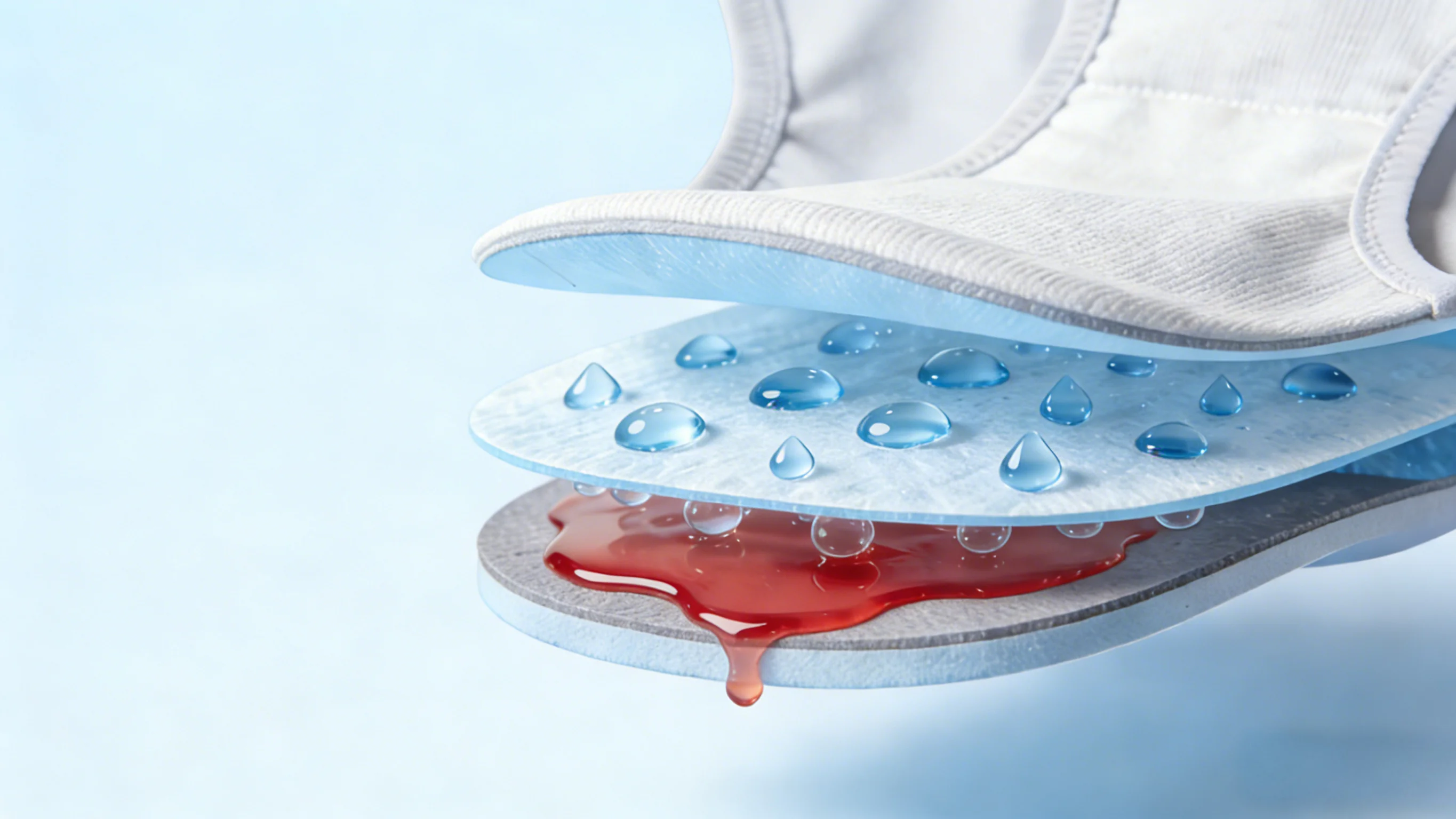
High-quality period panties typically utilize a four-layer construction designed for maximum security:
Top Layer (Wicking): Usually a polyester or cotton blend that pulls moisture away from the skin to keep the wearer dry.
Middle Layer (Absorbent): A high-density microfiber or terry blend designed to trap and hold fluid.
Third Layer (TPU/Leak-proof): A breathable but waterproof Thermoplastic Polyurethane (TPU) film that prevents liquid from passing through to clothing.
Outer Layer (Body): The main aesthetic fabric, often nylon, spandex, or modal.
Flow Capacity and Design Considerations
B2B inventory should cater to various needs:
Light Flow: Equivalent to 1-2 tampons, featuring a thinner gusset for discreet wear.
Heavy/Overnight: Features extended gussets that reach the back waistband to prevent “back-leaks” while sleeping.
Testing Methods for Quality Assurance
Reputable manufacturers use saline solution tests to measure “Absorbency Time” (how fast the liquid sinks in) and “Total Capacity” (how much it holds before saturation). Buyers should request a technical data sheet (TDS) for every style.
Feature 2: Breathability and Comfort
Since these garments are often worn for 8–12 hours at a time, breathability is a non-negotiable comfort factor.
Natural Fabric vs. Synthetic Fabric Options
Bamboo/Cotton: Naturally breathable and hypoallergenic, making it the preferred choice for sensitive skin.
Nylon/Polyamide: Offers superior elasticity and a “slick” aesthetic, often used in activewear-style period panties.
Seamless Designs for Everyday Wear
The “Visible Panty Line” (VPL) remains a major deterrent for consumers. Laser-cut, seamless edges are a trending B2B requirement, allowing users to wear tight leggings or formal wear without the bulk associated with traditional menstrual products.
User Comfort Factors (Stretch, Fit, Softness)
High spandex content (typically 5-15%) ensures the garment remains snug against the body. A gap between the gusset and the skin is a leading cause of sideway leaks, making precise sizing and elasticity crucial for performance.
Feature 3: Odor Control and Antibacterial Properties
Given the combination of moisture and body heat, effective hygiene management is a technical necessity.
Fabric Treatments and Technologies
Leading manufacturers often integrate Silver Ion technology or zinc-based antibacterial finishes. These treatments inhibit the growth of bacteria that cause odors, ensuring the garment remains fresh during extended wear.
Health & Hygiene Compliance
B2B buyers must verify that these antibacterial treatments are skin-safe and non-leaching. Documentation should confirm that the finishes do not disrupt the vaginal microbiome and remain effective after multiple washes.
Importance for B2B Buyers Evaluating Suppliers
When vetting manufacturers, always request SGS or Intertek antibacterial test reports (typically following AATCC 100 or ISO 20743 standards). These certifications serve as powerful trust signals for the end consumer.
Feature 4: Durability and Washability
Because period underwear is marketed as a sustainable investment, it must withstand frequent laundering without losing its protective properties.
Repeated Wash Performance
A premium product should maintain its full absorbency and leak-proof integrity for at least 50 to 100 wash cycles. Lower-quality iterations may suffer from TPU delamination or “clumping” of the absorbent core after only a few washes.
Stitching and Material Strength
Flatlock stitching is the industry standard for minimizing chafing and ensuring seams do not fail under the stress of high-waisted compression or repeated stretching.
Long-Term Product Reliability for Customers
Promoting “long-lasting protection” reduces customer churn. Utilizing high-tenacity threads and reinforced gusset attachments ensures the garment remains a reliable staple in the user’s wardrobe for years.
Feature 5: Sizing and Inclusive Fit
The modern hygiene market demands inclusivity; limited sizing is a significant barrier to market entry.
Plus-Size and Standard Sizing Considerations
Demand for sizes 2XL through 6XL is surging in Western markets. Buyers must ensure their manufacturer has the grading expertise to expand the leak-proof zone proportionally with the size, rather than just enlarging the waistband.
Adjustable or Adaptive Features
Innovation in this space includes “Side-Opening” models with hooks or Velcro, designed for users with mobility issues or for those who need to change in public restrooms without removing shoes and trousers.
Consumer Expectations and Market Trends
Inclusivity also extends to gender-neutral styles. Period boxers and briefs are gaining significant traction, reflecting a broader cultural shift toward inclusive menstrual care.
Feature 6: Branding, Packaging & Customization Options
The “unboxing experience” and brand presentation are vital for high-margin retail success.
Private Label Opportunities
Most large-scale exporters offer Private Label services, allowing for heat-sealed logos or custom-woven waistbands. This provides a professional, unified brand identity across the entire product line.
OEM/ODM Capabilities in China
The Chinese manufacturing landscape offers unparalleled flexibility. If a brand requires a specific innovation—such as a hidden pocket for heat packs or proprietary fabric blends—ODM (Original Design Manufacturer) services can bring these concepts to mass production.
Packaging Design for Retail and E-Commerce.
Retail-Ready: Compact boxes with clear windows and educational diagrams.
E-Commerce Optimized: Minimalist, eco-friendly mailers that reduce shipping costs and appeal to the “zero-waste” ethos of the target audience.
Tips for Sourcing Period Underwear from China
Sourcing from specialized hubs provides a competitive edge in both pricing and technical variety.
How to Identify Reliable Manufacturers
Focus on factories that specialize in hygiene-tech or functional apparel. A general lingerie factory may not have the specialized ultrasonic sealing machines required to make truly leak-proof seams.
Requesting Samples and Testing Materials
Always perform independent testing on samples. Wash the garment 10 times, then test its wicking speed using dyed water. If liquid beads on the surface for more than two seconds, the wicking layer is insufficient for high-flow use.
Ensure the facility holds an OEKO-TEX Standard 100 certification. This is a non-negotiable requirement for many global retailers, as it guarantees the textile is free from harmful levels of over 100 substances. Additionally, look for ISO 9001 compliance to ensure consistent quality control across large orders.
Conclusion
Mastering the 6 must-know features of period underwear for B2B buyers is the first step toward capturing a share of the burgeoning sustainable hygiene market. By focusing on technical absorbency, breathability, odor control, durability, inclusive sizing, and customized branding, businesses can offer products that solve real-world problems for their customers. As global demand for reusable solutions grows, partnering with technically proficient manufacturers ensures that your brand remains at the cutting edge of comfort and protection.

Cherry Hu is a lingerie purchasing manager with hands-on experience in underwear sourcing and factory coordination. She works closely with manufacturers to manage product development, fabric selection, fit standards, and cost control across different production stages.
Through her articles, Cherry shares real-world sourcing experience, common mistakes buyers should avoid, and practical tips for working with underwear suppliers. Her goal is to help brands and wholesalers make informed purchasing decisions and build long-term, reliable supply chains in the lingerie industry.