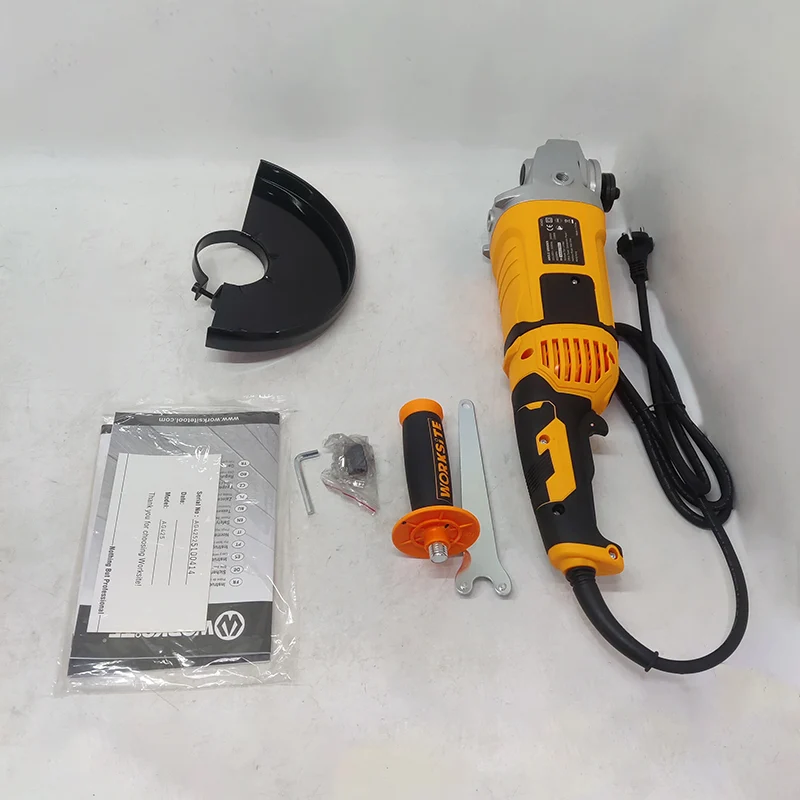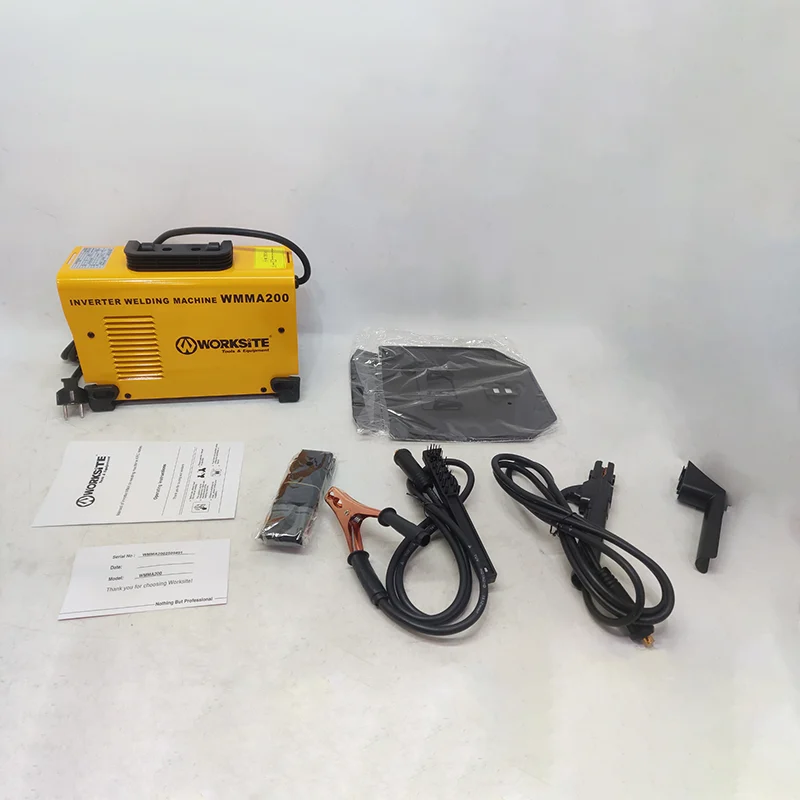


Gardening is more than just a hobby-it’s a booming industry with growing demand for high-quality plants, tools, and supplies. If you’re a retailer, landscaper, or entrepreneur looking to capitalize on this trend, sourcing bulk gardening products directly from suppliers can be a game-changer. But how do you find reliable suppliers, negotiate the best deals, and ensure profitable distribution?
We’ll explore the key steps to building strong partnerships with bulk gardening suppliers, from identifying trusted sources to maximizing your profit margins. Whether you’re stocking a garden center or launching an e-commerce store, these strategies will help you secure the best products at competitive prices—keeping your customers happy and your business thriving. Let’s dig in!
1. What Are the High-Demand Wholesale Garden Products?
In the dynamic landscape of wholesale gardening, identifying high-demand products is crucial for garden product distributors aiming to boost profitability. Understanding market trends and consumer preferences can guide strategic partnerships with suppliers and drive sales growth.
1.1 Hot-selling items from wholesale garden tools suppliers
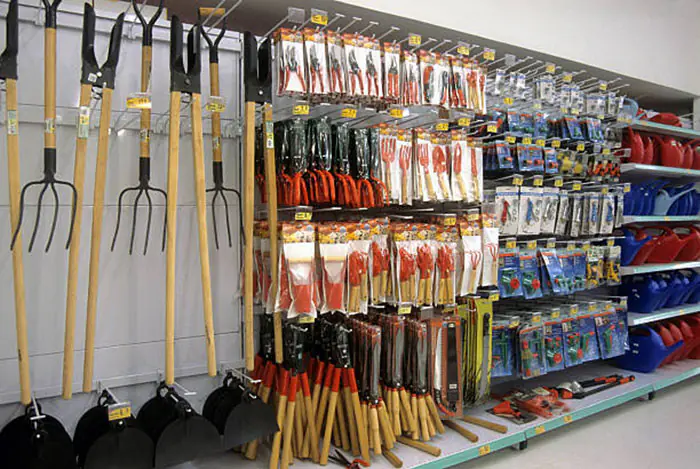
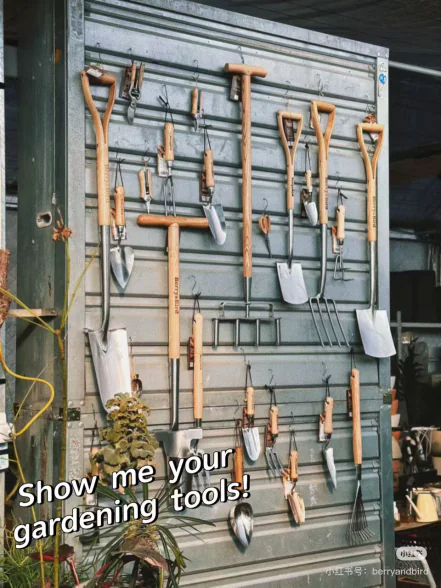
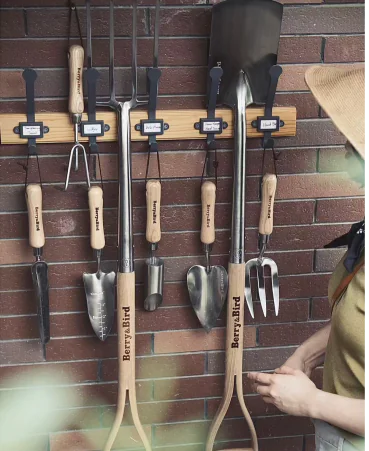
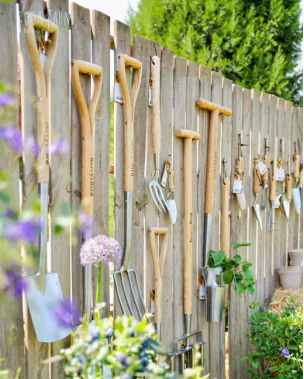
Wholesale gardening tools suppliers consistently report strong demand for a range of essential items. Durable hand tools such as stainless steel pruners, ergonomic trowels, and heavy-duty garden shears top the list, as both professional gardeners and hobbyists prioritize longevity and comfort. Power tools like cordless hedge trimmers and lightweight tillers are also gaining traction, with consumers seeking efficiency and ease of use.
In addition, specialized tools for container gardening, such as precision seeders and small-scale cultivators, are in high demand due to the rising popularity of urban gardening. Wholesale gardening tools suppliers that offer a mix of classic and innovative tools, along with reliable after-sales service, tend to be preferred partners for distributors looking to meet market needs.
1.2 In-demand bulk organic gardening supplies in the market
The shift toward sustainable gardening has made bulk organic gardening supplies a sought-after category. Organic fertilizers derived from natural sources like composted manure and bone meal are in steady demand, as consumers increasingly avoid synthetic chemicals. Organic potting soils, enriched with beneficial microbes and natural nutrients, are also popular, particularly among those growing edible plants.
Biodegradable mulches and organic pest control solutions, such as neem oil and diatomaceous earth, are seeing a surge in orders. Distributors who source these supplies from reputable suppliers can capitalize on the growing eco-conscious consumer base, positioning themselves as providers of high-quality, environmentally friendly products.
1.3 Popular products from wholesale outdoor planters manufacturers
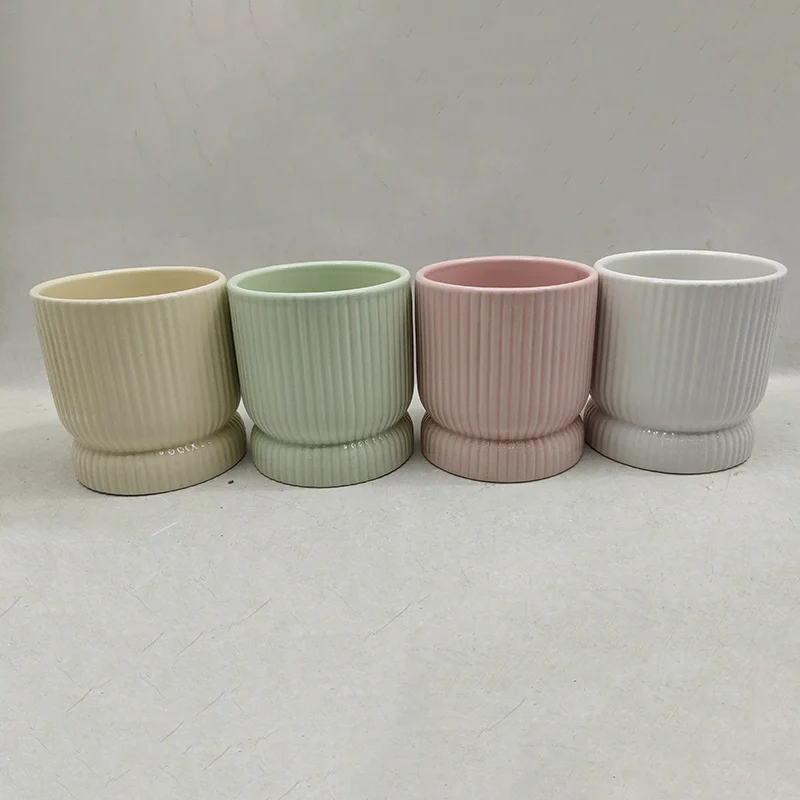
Wholesale outdoor planters manufacturers are witnessing strong demand for products that blend functionality with aesthetics. Lightweight resin planters, which are weather-resistant and easy to move, are favored by both residential and commercial buyers. Recycled plastic planters, available in a variety of colors and sizes, appeal to environmentally conscious consumers.
Large-capacity planters for trees and shrubs, as well as hanging planters for vertical gardening, are also popular. Modern designs with sleek lines and neutral tones are trending, complementing contemporary outdoor spaces. Additionally, self-watering planters are gaining ground, especially among busy gardeners who want to minimize maintenance. By partnering with manufacturers that offer these in-demand planters, distributors can cater to diverse customer needs and enhance their product portfolios.

2. How to Connect with Reliable Wholesale Gardening Tools Suppliers?
In the competitive world of bulk gardening product distribution, forging connections with reliable wholesale gardening tools suppliers is a foundational step toward ensuring a steady supply of quality products and maximizing profitability. These suppliers serve as the backbone of your inventory, directly impacting the satisfaction of your clients, whether they are retailers or other garden product distributors. The process of finding and connecting with such suppliers requires a strategic approach that combines industry insight, thorough research, and effective communication. By following a structured method, you can identify partners who not only meet your product needs but also align with your business goals for long-term success.
2.1 Effective ways to find qualified wholesale gardening tools suppliers
To locate qualified wholesale gardening tools suppliers, start by leveraging industry-specific trade shows and exhibitions. These events bring together numerous suppliers under one roof, allowing you to inspect their product ranges in person, from basic hand tools to advanced power equipment. Additionally, online B2B platforms tailored to the gardening industry are valuable resources; they often feature verified suppliers with detailed profiles, customer reviews, and product catalogs.
Another effective method is to join professional associations related to gardening and horticulture. These organizations frequently maintain directories of reputable suppliers and host networking events that facilitate direct interactions. You can also seek referrals from fellow garden product distributors who have established successful partnerships—their firsthand experiences can help you avoid potential pitfalls and identify trustworthy suppliers. Furthermore, researching industry publications and online forums dedicated to gardening trade can uncover hidden gems, as suppliers often advertise their services in these channels to reach potential partners.
2.2 Key factors to evaluate when choosing these suppliers
When evaluating wholesale gardening tools suppliers, several key factors should guide your decision. First and foremost is product quality. Request samples to test the durability, functionality, and compliance with international standards—poor-quality tools can damage your reputation and lead to customer complaints. Pricing structure is another critical aspect; compare quotes from multiple suppliers to ensure you’re getting competitive rates without compromising on quality, and inquire about bulk discounts that can boost your profit margins.
Reliability in terms of delivery is also paramount. Assess their track record for on-time shipments, especially during peak seasons when demand surges. Production capacity is equally important—can they handle large orders efficiently, and do they have contingency plans for unexpected increases in demand? Additionally, check if they offer flexible payment terms and after-sales support, such as warranty services or replacement of defective items. Finally, verify their certifications and compliance with relevant regulations, which is as crucial as it is for bulk organic gardening supplies, to ensure legal and ethical sourcing.
2.3 Tips for initial communication with potential suppliers
Initiating communication with potential wholesale gardening tools suppliers requires a clear and professional approach to set the right tone for the partnership. Start by introducing your business, including your role as a distributor, your target market, and the volume of orders you anticipate. This helps suppliers understand your needs and determine if they can meet them. Be specific about the types of gardening tools you’re interested in, whether it’s pruning shears, cultivators, or power tools, to avoid misunderstandings.
Ask detailed questions about their minimum order quantities, lead times, and customization options—for example, if you need tools branded with your logo. It’s also wise to inquire about their quality control processes and how they handle issues like damaged goods during shipping. Don’t hesitate to discuss your expectations regarding communication frequency and updates on order status. Building rapport is key; express your interest in a long-term partnership and your commitment to mutual growth, which can encourage suppliers to offer better terms. Remember, clear and respectful communication from the start lays the groundwork for a strong and profitable relationship, similar to how you’d approach discussions with bulk seed suppliers for retailers.
3. Ensuring Quality for Bulk Organic Gardening Supplies: What You Need to Do?
For garden product distributors, maintaining consistent quality in bulk organic gardening supplies is not just a matter of customer satisfaction—it’s a cornerstone of long-term profitability and reputation. Unlike conventional gardening products, organic supplies are held to stricter standards, as consumers and retailers alike prioritize purity, sustainability, and compliance with organic regulations. Failing to ensure quality can lead to costly returns, damaged relationships with clients, and even legal repercussions. As such, garden product distributors must implement rigorous processes to vet suppliers, inspect products, and address issues proactively. This commitment to quality not only protects your business but also strengthens trust with retailers who rely on your ability to deliver reliable, high-grade organic supplies.
3.1 Quality inspection methods for bulk organic gardening supplies
When it comes to bulk organic gardening supplies, thorough inspection starts long before products reach your warehouse. Begin with pre-shipment sampling: collect representative samples from each batch, focusing on critical attributes like moisture content (for soil amendments), ingredient purity (for fertilizers), and freedom from contaminants (such as pesticides or heavy metals). Partner with third-party labs accredited in organic testing to analyze samples—these labs use specialized methods like gas chromatography to detect trace chemicals that could violate organic standards.
On-site inspections at the supplier’s facility are equally vital. Verify storage conditions to ensure organic supplies are kept separate from non-organic products, preventing cross-contamination. Check packaging for proper labeling, including organic claims and batch numbers, which aid in traceability. For perishable items like organic seeds or compost, test for freshness and viability using germination rates or microbial activity assessments. By combining lab testing with physical inspections, you create a multi-layered quality control system that catches issues early, reducing the risk of distributing subpar bulk organic gardening supplies.
3.2 Certifications to look for in suppliers of these supplies
Suppliers of bulk organic gardening supplies must hold valid certifications to prove their products meet global or regional organic standards—and it’s your responsibility to verify these credentials. Start with universally recognized certifications like USDA Organic (U.S.), EU Organic (Europe), or JAS Organic (Japan), depending on your target markets. These certifications ensure products are grown, processed, and handled without prohibited substances, with strict oversight from accrediting bodies.
Beyond primary organic certifications, look for additional credentials that signal commitment to quality. For example, Fair Trade certification indicates ethical labor practices, while GMP (Good Manufacturing Practices) certification ensures consistent production standards. Suppliers should provide updated certificates with clear expiration dates, and you should cross-verify these with the issuing bodies’ databases to avoid counterfeit documents. Remember, certifications are not one-time checks—require suppliers to share annual audit reports to confirm ongoing compliance. This diligence protects your business from liability and reassures retailers that your organic supplies are authentic.
3.3 How to handle quality issues with suppliers
Even with strict prevention measures, quality issues with bulk organic gardening supplies can arise—and how you address them defines the strength of your supplier relationships. Start by documenting every issue in detail: take photos, note batch numbers, and gather lab reports to provide clear evidence. Contact the supplier promptly but professionally, outlining the problem and referencing your agreed-upon quality standards from the contract.
Negotiate solutions that balance accountability and collaboration. For minor issues, request a partial refund or credit toward future orders. For severe breaches—such as contamination—insist on full replacement of the batch and a root-cause analysis to prevent recurrence. Include clauses in your contracts that outline penalties for repeated issues, such as reduced order volumes or termination.
Maintain open communication throughout the process. Ask suppliers to share corrective action plans, and follow up to ensure implementation. In some cases, offering support—like sharing best practices from other partners, such as wholesale outdoor planters manufacturers with strong quality systems—can turn a problem into an opportunity to strengthen the partnership. By handling issues transparently, you protect your reputation while encouraging suppliers to prioritize continuous improvement.
4. Do Bulk Seed Suppliers for Retailers Offer Exclusive Pricing for Large Orders?
In the realm of bulk gardening product distribution, one question that frequently arises among retailers and garden product distributors is whether bulk seed suppliers for retailers provide exclusive pricing for large orders. The short answer is often yes, but the specifics depend on a variety of factors that shape the supplier-retailer relationship. Understanding these dynamics is crucial for maximizing profitability, as seed costs can constitute a significant portion of a retailer’s inventory expenses.
Large orders typically allow suppliers to streamline their production and shipping processes, reducing per-unit costs, which they can pass on to buyers in the form of exclusive pricing. However, this isn’t a one-size-fits-all scenario. The extent of the discount, the terms attached, and the availability of such pricing all hinge on negotiations, market conditions, and the supplier’s own business model. By delving into the factors that influence pricing, effective negotiation strategies, and additional benefits of bulk ordering, retailers can position themselves to secure the best possible deals while fostering strong partnerships with seed suppliers.
4.1 Factors affecting pricing from bulk seed suppliers for retailers
Several key factors influence the pricing offered by bulk seed suppliers for retailers, and understanding them is essential for navigating negotiations. First and foremost is the order volume—larger quantities almost always unlock better per-unit rates, as suppliers can leverage economies of scale in production, packaging, and shipping. For example, ordering 10,000 seed packets may result in a 15-20% lower per-unit cost compared to ordering 1,000.
Seed variety also plays a role. Common, high-demand seeds (such as tomato or lettuce seeds) often have more flexible pricing due to steady production, while rare or specialty seeds (like heirloom or exotic flower seeds) may have less room for discounts due to limited supply and higher production costs.
Market timing is another factor. Ordering during off-seasons, when suppliers have excess inventory, can lead to steeper discounts, whereas peak gardening seasons (spring in most regions) may bring firmer pricing due to high demand. Additionally, the supplier’s relationship with the retailer matters—long-term partners or those who commit to regular, recurring orders are more likely to receive preferential pricing. Finally, like with bulk organic gardening supplies, certifications (such as non-GMO or organic) can affect pricing, as these seeds often involve higher production costs that limit discount flexibility.
4.2 Negotiation strategies for getting better prices on large volumes
Negotiating better prices on large-volume seed orders requires preparation, clarity, and a focus on mutual benefit. Start by researching market rates to establish a baseline—know the average prices for the seeds you’re seeking, and identify where there’s room for negotiation. This data strengthens your position and shows suppliers you’re informed.
Highlight your value as a customer. Emphasize the volume of your order, your track record of timely payments, and your potential for future business. For instance, stating, “We’re looking to order 50,000 packets annually, with quarterly reorders,” signals stability, making suppliers more willing to offer discounts.
Bundle orders to increase leverage. Combine different seed varieties or pair seeds with complementary products (e.g., ordering seeds alongside gardening tools from wholesale gardening tools suppliers) to create a larger total order value, which can justify deeper discounts.
Be flexible on terms to secure lower prices. For example, agreeing to longer lead times or accepting partial shipments can give suppliers more operational efficiency, which they may pass on as cost savings. Finally, don’t hesitate to ask for tiered pricing—negotiate incremental discounts for larger volumes (e.g., 10% off for 10,000 units, 15% for 20,000 units) to incentivize scaling up your order.
4.3 Other benefits beyond pricing when ordering in bulk
While pricing is a key focus, ordering in bulk from seed suppliers offers additional benefits that enhance profitability and operational efficiency. One major advantage is improved inventory management. Large orders reduce the frequency of reorders, minimizing administrative work (such as processing purchase orders) and lowering shipping costs—fewer deliveries mean reduced transportation fees and less time spent coordinating logistics.
Priority fulfillment is another perk. Suppliers often prioritize large orders, ensuring faster processing and delivery, which is critical during peak seasons when stockouts can cost sales. This reliability helps maintain consistent inventory levels for retailers, keeping shelves stocked and customers satisfied.
Exclusive access to new or limited varieties is also common. Suppliers may reserve specialty seeds or early-release varieties for bulk buyers, giving retailers a competitive edge in the market. Additionally, bulk orders can foster stronger relationships with suppliers, leading to better support—such as access to agronomic advice or marketing materials that help sell the seeds.
Like partnering with wholesale outdoor planters manufacturers, bulk seed suppliers may offer customization options for large orders, such as private-label packaging or custom seed mixes, which enhance brand recognition. These benefits, combined with competitive pricing, make bulk ordering a strategic choice for retailers aiming to maximize success.
5. How Can Garden Product Distributors Build Profitable Partnerships?
In the complex ecosystem of bulk gardening product distribution, garden product distributors act as the critical link between suppliers and end retailers or customers. Building profitable partnerships in this space isn’t just about transactional interactions—it’s about fostering mutual trust, aligning goals, and creating value for all parties involved. A successful partnership with suppliers, whether they are wholesale gardening tools suppliers or bulk seed suppliers for retailers, can lead to better pricing, priority access to in-demand products, and enhanced market responsiveness.
Distributors who invest in strong relationships often gain a competitive edge, as suppliers are more likely to offer flexible terms, share market insights, and collaborate on growth initiatives. The key lies in understanding each party’s needs, maintaining clear communication, and working together to solve challenges. By focusing on long-term collaboration rather than short-term gains, garden product distributors can build partnerships that drive sustained profitability.
5.1 Roles and responsibilities of garden product distributors in partnerships
Garden product distributors play multifaceted roles in partnerships, each critical to ensuring smooth operations and mutual success. First and foremost, they act as the bridge between suppliers and the market, responsible for understanding customer demands and communicating them effectively to suppliers. For example, if retailers are seeking more eco-friendly tools, distributors should relay this feedback to wholesale gardening tools suppliers to guide their production.
Distributors are also tasked with managing inventory efficiently. This includes forecasting demand to avoid overstock or stockouts, coordinating timely deliveries from suppliers, and ensuring proper storage of products—especially perishable items like bulk organic gardening supplies. They must maintain quality control by inspecting goods upon receipt and addressing any issues promptly with suppliers.
Additionally, distributors often handle marketing and sales efforts for the products they distribute, promoting them to retailers through targeted campaigns or trade shows. They are responsible for ensuring timely payments to suppliers, which helps maintain cash flow stability for both parties. By fulfilling these roles reliably, distributors demonstrate their value as partners, making suppliers more inclined to offer favorable terms and support.
5.2 Strategies for maintaining long-term relationships with suppliers
Maintaining long-term relationships with suppliers requires intentional effort and a focus on mutual respect. One key strategy is to prioritize regular, transparent communication. Schedule quarterly check-ins to discuss performance, share market updates, and address any concerns proactively. For instance, if sales of a particular seed variety are declining, inform bulk seed suppliers for retailers early to adjust production, rather than waiting until issues escalate.
Another strategy is to honor commitments consistently. Pay invoices on time, adhere to order quantities, and communicate changes (like delayed orders) as soon as possible. Reliability builds trust, which is the foundation of any lasting partnership. It’s also important to recognize and reward good performance—send a note of appreciation when a supplier goes above and beyond, or increase order volumes with those who consistently deliver quality products.
Finally, invest in understanding your suppliers’ businesses. Learn about their production challenges, seasonal constraints, and growth goals. This empathy allows you to collaborate on solutions, such as adjusting order timelines to align with their manufacturing schedules. By treating suppliers as partners rather than just vendors, you create a relationship that withstands market fluctuations and grows stronger over time.
5.3 Ways to increase profitability through collaborative efforts
Collaboration with suppliers can unlock new avenues for profitability that benefit both parties. One effective approach is to co-develop products tailored to market needs. For example, work with bulk seed suppliers for retailers to create exclusive seed mixes designed for local climates, which can command higher prices and reduce competition. Similarly, partner with wholesale outdoor planters manufacturers to design custom planters that complement the seeds or tools you distribute, creating bundled products that drive higher sales.
Joint marketing initiatives are another profitable collaboration strategy. Share the cost of trade show booths, online advertising, or catalog production to reach a larger audience without increasing individual expenses. For example, a distributor and a supplier of bulk organic gardening supplies could co-sponsor a social media campaign highlighting the benefits of organic gardening, driving demand for both parties’ products.
Finally, collaborate on cost-saving measures. For instance, coordinate order schedules to allow suppliers to consolidate shipments, reducing transportation costs that can be passed on as savings. Or, agree to longer-term contracts in exchange for volume discounts, which lower your procurement costs while guaranteeing suppliers steady business. These collaborative efforts not only boost profitability but also strengthen the partnership by creating shared success.
6. Working with Wholesale Outdoor Planters Manufacturers: What to Consider?
Collaborating with wholesale outdoor planters manufacturers requires a strategic approach that balances product quality, operational efficiency, and market alignment. These manufacturers serve as critical partners for garden product distributors, supplying a key category that complements other gardening essentials like tools and seeds. To build a profitable partnership, distributors must evaluate not just pricing, but also customization capabilities, fulfillment reliability, and the manufacturer’s ability to adapt to market trends.
Unlike standardized products, outdoor planters often demand design flexibility to meet consumer preferences, making it essential to choose manufacturers who can align with your brand’s needs. Additionally, ensuring timely delivery and consistent quality is vital to avoid disruptions in your supply chain, especially during peak gardening seasons. By focusing on these key considerations, distributors can forge partnerships that drive sales and enhance their product portfolios.
6.1 Product customization options with these manufacturers
Product customization is a key differentiator when working with wholesale outdoor planters manufacturers, as it allows garden product distributors to offer unique products that stand out in the market. Start by exploring material options—manufacturers may offer planters in recycled plastic, terracotta, fiberglass, or biodegradable materials, each with distinct aesthetic and functional benefits. Many manufacturers can also adjust sizes, from small window boxes to large patio planters, to cater to diverse retail needs.
Branding customization is another valuable option. Look for manufacturers who can add your logo, color schemes, or unique patterns to planters, helping build brand recognition among retailers and end consumers. For example, a distributor focusing on eco-friendly products could partner with manufacturers to create planters made from 100% recycled materials, with custom labels highlighting sustainability—this aligns with the growing demand for green products, much like bulk organic gardening supplies.
It’s important to discuss minimum order quantities (MOQs) for customized products, as these often differ from standard items. Some manufacturers may require larger volumes for custom designs, so negotiate terms that balance your need for uniqueness with inventory management. By leveraging customization, you can create a product line that competitors can’t easily replicate, boosting customer loyalty and profitability.
6.2 Lead times and order fulfillment capabilities to check
When evaluating wholesale outdoor planters manufacturers, lead times and order fulfillment capabilities are critical factors that directly impact your ability to meet market demand. Start by clarifying production lead times—how long does it take for the manufacturer to produce an order from the moment it’s confirmed? This varies by material and complexity: custom designs or specialty materials (like hand-painted terracotta) may take 6–8 weeks, while standard plastic planters could be ready in 2–3 weeks.
Inquire about their order fulfillment process, including how they handle peak season surges. For example, do they hire temporary staff or run overtime during spring, when demand for planters spikes? Ask for historical data on on-time delivery rates—ideally, this should be above 90% to ensure reliability. Also, check their inventory management practices: do they maintain buffer stock for popular items, or will you face delays if you need to restock quickly?
Another key consideration is shipping logistics. Can the manufacturer coordinate delivery to your warehouse, or will you need to arrange third-party transportation? Do they offer consolidated shipping with other products, which can reduce costs? By verifying these details, you can avoid costly delays that leave retailers without inventory, damaging your reputation as a reliable distributor.
6.3 How to align with manufacturers for market demand
Aligning with wholesale outdoor planters manufacturers to meet market demand requires a collaborative approach that combines your market insights with their production expertise. Start by sharing regular sales data and trend reports—for example, if modern, minimalist planters are selling 30% faster than traditional styles, inform manufacturers to adjust their production mix accordingly. This data-driven approach ensures they prioritize products that will actually sell, reducing the risk of overstocking slow-moving items.
Collaborate on forecasting to anticipate seasonal or regional demand. For instance, if you operate in a region with a long growing season, work with manufacturers to extend production runs into late summer, ensuring you have stock when competitors run out. Similarly, if you distribute to both urban and rural retailers, highlight differences in demand: urban customers may prefer compact, stackable planters, while rural buyers might want larger, durable options.

7. Maximizing Profits in Bulk Gardening Product Distribution: A Comprehensive Guide
Maximizing profits in bulk gardening product distribution requires a strategic blend of cost management, targeted marketing, and operational efficiency. As garden product distributors navigate a competitive landscape, every decision—from supplier partnerships to delivery logistics—impacts the bottom line. The goal is not just to reduce costs but to create value across the supply chain, ensuring that both your business and your partners thrive. By balancing expenses, leveraging effective marketing, and continuously refining operations, you can turn bulk orders into sustainable profits. This guide breaks down the key strategies to achieve this, focusing on actionable steps that align with the needs of retailers and the demands of the gardening market.
7.1 Balancing costs from various suppliers for optimal profits
Balancing costs from different suppliers is a cornerstone of maximizing profits in bulk gardening distribution. Start by analyzing the total cost of ownership (TCO) for each product, which includes not just the unit price but also shipping, handling, storage, and potential waste. For example, while a bulk seed supplier for retailers may offer low per-unit prices, high shipping fees for small, frequent orders can erode margins—negotiate quarterly bulk shipments to reduce transportation costs.
Compare pricing structures across categories: wholesale gardening tools suppliers might offer volume discounts, while wholesale outdoor planters manufacturers could provide better rates for bundled orders of mixed sizes. Consolidate purchases from complementary suppliers to leverage economies of scale—for instance, combining orders for organic fertilizers with bulk organic gardening supplies from the same region to share shipping costs.
Negotiate flexible payment terms to improve cash flow. Some suppliers may offer 2% discounts for early payments, which can add up significantly over time. Conversely, extend payment terms with suppliers who don’t penalize for late payments, freeing up capital for other investments. Regularly review supplier contracts to identify cost-saving opportunities, such as renegotiating rates for long-term partners or switching to more affordable suppliers without compromising quality. By balancing these costs strategically, you can maintain competitive pricing while protecting your profit margins.Marketing strategies for distributed bulk gardening products.
7.2 Marketing strategies for distributed bulk gardening products
Effective marketing strategies for bulk gardening products should highlight their value to retailers, who ultimately sell to end consumers. Start by creating targeted product bundles that address specific customer needs—for example, pairing “beginner garden kits” with seeds from bulk seed suppliers for retailers, basic tools, and small planters. Bundles increase average order value and make it easier for retailers to upsell to their customers.
Leverage the unique selling points (USPs) of each product category. For bulk organic gardening supplies, emphasize certifications (like USDA Organic) and eco-friendly benefits, which resonate with environmentally conscious consumers. For tools, focus on durability and warranty terms from reputable wholesale gardening tools suppliers. Create marketing materials—such as brochures, social media content, and product videos—that retailers can use to promote these USPs, reducing their workload and increasing adoption of your products.
Build relationships with retailers through educational initiatives. Host webinars on seasonal gardening trends or share data on top-selling products, positioning yourself as a trusted advisor. Offer promotional discounts for first-time orders or volume commitments, encouraging retailers to stock more of your products. By aligning your marketing with retailers’ needs, you drive demand for your distributed products and strengthen their reliance on your supply chain.
7.3 Monitoring and optimizing the distribution process
Monitoring and optimizing the distribution process is key to reducing waste and improving profitability. Implement inventory management software to track stock levels in real time, setting reorder points for fast-moving items (like spring planters) to avoid stockouts and overstocking slow sellers (such as specialty tools). Analyze sales data to identify seasonal trends—for example, increasing stock of cold-hardy seeds in fall or shade-loving plants in summer—to align inventory with demand.
Optimize warehouse operations to reduce handling costs. Arrange products by turnover rate, placing high-demand items (like bulk organic gardening supplies) near shipping areas for faster picking. Use cross-docking for perishable goods, where incoming shipments are immediately loaded onto outbound trucks to minimize storage time and spoilage.
Regularly review supplier performance metrics, such as on-time delivery rates, quality issue frequency, and responsiveness to inquiries. Replace underperforming suppliers with more reliable partners to reduce disruptions. Finally, gather feedback from retailers to identify pain points in the distribution process—for example, if delivery times to rural areas are too long, work with logistics partners to add regional warehouses. By continuously monitoring and refining these processes, you can reduce inefficiencies and create a distribution network that drives consistent profits.

Faye Fang is a Sourcing Specialist at Unionsource, focused on connecting international buyers with reliable Chinese suppliers. She brings expertise in product sourcing, supplier evaluation, and order management, helping clients secure quality products efficiently.