

Introduction
Choosing the right port is a critical decision for exporters sourcing products from China’s bustling wholesale markets. When shipping from the Guangzhou Wholesale Market, the selection between Shenzhen Port and Guangzhou Port can significantly influence your overall shipping costs, transit time, and logistics efficiency.
Shenzhen Port vs Guangzhou Port, both ports are strategically located in the Pearl River Delta, serving as major gateways for international trade, yet they offer distinct advantages depending on the type of goods, shipment volume, and target markets.
Shenzhen Port is renowned for its high-capacity terminals, frequent sailings, and robust global connections, making it an ideal choice for time-sensitive shipments. Meanwhile, Guangzhou Port offers competitive handling fees, convenient access from the city’s wholesale hubs, and predictable customs procedures, providing a cost-effective alternative for many exporters.
Understanding the operational differences and strategic strengths of each port is essential for making informed decisions that optimize supply chain performance. In this comprehensive guide, we will compare Shenzhen Port and Guangzhou Port across cost, transit time, and logistics efficiency to help exporters determine the best choice for their business needs.

1.Why choosing the right port matters
1.1 Overview of Shenzhen Port and Guangzhou Port
When it comes to exporting goods from China, selecting the right port can significantly influence your supply chain efficiency, overall cost, and delivery reliability. Among the numerous seaports available, Shenzhen Port and Guangzhou Port stand out as two of the most strategically important gateways for international shipping, particularly for exporters sourcing products from the bustling Guangzhou Wholesale Market. Both ports serve as major hubs in southern China, but they cater to slightly different logistics needs and market demands.
Shenzhen Port, located in the Pearl River Delta, consists of several terminals including Yantian, Chiwan, and Shekou. It has earned a reputation for its high throughput capacity, modern container handling equipment, and extensive connectivity to major global trade lanes. Shenzhen’s strategic proximity to Hong Kong further enhances its appeal, providing exporters with streamlined customs procedures and efficient intermodal connections to international markets.
On the other hand, Guangzhou Port, also part of the Pearl River Delta network, comprises Nansha and Huangpu terminals. While slightly less congested than Shenzhen Port, Guangzhou offers robust infrastructure and competitive shipping options for both full container loads (FCL) and less-than-container loads (LCL). Its location closer to the heart of Guangzhou city makes it particularly convenient for businesses sourcing directly from wholesale markets, allowing faster transfer of goods from factories and warehouses to the port.
Understanding the strengths and operational differences between these two ports is crucial for exporters aiming to optimize shipping from Guangzhou Wholesale Market. Choosing the wrong port could lead to increased shipping costs, delayed transit times, and reduced logistics efficiency, which may affect customer satisfaction and overall profitability. By comparing the two ports, businesses can make data-driven decisions that align with their supply chain priorities.
In summary, Shenzhen Port vs Guangzhou Port is not just a geographical choice—it is a strategic decision that impacts costs, delivery speed, and operational reliability. Exporters who carefully evaluate the advantages of each port are better positioned to enhance their global logistics performance while minimizing unnecessary expenses.
1.2 Importance of Shipping from Guangzhou Wholesale Market
The Guangzhou Wholesale Market is renowned as one of the largest sourcing hubs in China, offering an extensive range of products from electronics and fashion to home décor and industrial supplies. For international buyers, the market serves as a one-stop solution, providing both variety and competitive pricing. However, sourcing products efficiently from this market is only half the challenge—the other half lies in choosing the right port for exporting goods.
Shipping decisions from Guangzhou Wholesale Market significantly influence the overall shipping cost, delivery speed, and supply chain reliability. With hundreds of shipments daily, small differences in port selection can translate into substantial operational savings or unexpected delays. For example, selecting Guangzhou Port might allow exporters to move goods quickly from warehouses due to its proximity, reducing inland transportation costs. Conversely, Shenzhen Port may provide faster global transit times and access to more frequent international shipping routes, even if the inland transfer is slightly longer.
Furthermore, the efficiency of port operations directly affects overall logistics efficiency. Both Shenzhen and Guangzhou ports are equipped to handle high volumes of containers, but differences in terminal management, customs clearance procedures, and booking availability can influence the speed at which goods reach their destination. Exporters must consider these operational nuances to prevent bottlenecks that could disrupt delivery schedules and impact customer relationships.
In today’s competitive global trade environment, understanding the interplay between sourcing and port selection is essential. By strategically choosing between Shenzhen Port vs Guangzhou Port, businesses can balance cost, transit time, and reliability, ensuring that shipments from the Guangzhou Wholesale Market are both timely and cost-effective. Careful planning at this stage can result in smoother supply chain management, improved profit margins, and stronger relationships with international buyers.
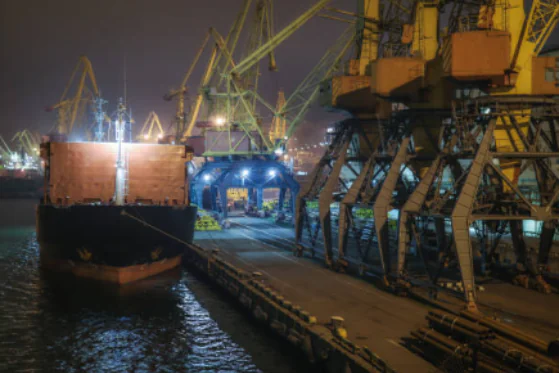
2. Cost Comparison: Shipping from Shenzhen Port vs Guangzhou Port
2.1 Average Shipping Costs and Fees
Cost is often the primary factor influencing port selection for exporters, especially for businesses sourcing from Guangzhou Wholesale Market. When comparing Shenzhen Port vs Guangzhou Port, it is essential to understand not only the basic shipping rates but also how additional charges and port-specific fees can affect the overall shipping from Guangzhou Wholesale Market cost.
Shenzhen Port is generally recognized for offering slightly higher terminal fees compared to Guangzhou, primarily due to its strategic position and high demand for international routes. However, the premium often comes with benefits such as more frequent sailings, larger vessel capacity, and faster transit time to major global markets. This can be particularly advantageous for exporters dealing with perishable goods or time-sensitive shipments.
Guangzhou Port, in contrast, may offer more competitive base rates for FCL and LCL shipments. Its proximity to central Guangzhou reduces inland transportation costs for goods sourced from the wholesale market, making it an attractive option for businesses aiming to minimize overall expenses. While transit times might be marginally longer than Shenzhen, the savings in inland logistics and port handling fees often balance out the difference.
Other cost considerations include container handling fees, documentation charges, and fuel surcharges, which can vary depending on the shipping line and the terminal. Exporters should also account for the potential impact of congestion at Shenzhen Port, which might result in temporary surcharges during peak seasons. On the other hand, Guangzhou Port, being slightly less congested, can offer more predictable scheduling and cost stability.
In summary, evaluating the average shipping costs and fees between these two ports requires a holistic approach. The choice between Shenzhen Port and Guangzhou Port should not be based solely on base shipping rates but also on factors like inland transportation, frequency of sailings, and potential surcharges, all of which contribute to total shipping from Guangzhou Wholesale Market cost. Making an informed decision ensures cost-effectiveness while maintaining reliable delivery timelines.
2.2 Hidden Charges and Cost-Saving Tips
While base shipping rates are easy to compare, many exporters underestimate the influence of hidden charges when selecting between Shenzhen Port vs Guangzhou Port. Hidden costs can quickly accumulate, affecting the overall profitability of shipments from Guangzhou Wholesale Market. These charges may include terminal handling fees (THC), documentation fees, customs inspection surcharges, and demurrage or detention fees if containers remain at the port longer than the allowed free time.
At Shenzhen Port, frequent sailings and high demand can sometimes result in higher terminal handling charges during peak seasons. Additionally, specific terminals like Yantian and Shekou may have additional surcharges for hazardous or oversized cargo. Conversely, Guangzhou Port typically offers more stable terminal fees, and its slightly lower congestion can reduce the likelihood of demurrage fees. Understanding these nuances can help exporters optimize total costs rather than focusing solely on base shipping rates.
To maximize logistics efficiency and minimize costs, exporters should consider several strategies. First, consolidating shipments can reduce the number of containers and associated fees. Second, scheduling shipments during off-peak periods can avoid peak-season surcharges. Third, working closely with reliable freight forwarders or logistics partners ensures that paperwork, customs clearance, and booking procedures are handled efficiently, reducing delays and additional costs.
Another tip is to leverage port-specific advantages. For instance, goods sourced directly from the Guangzhou Wholesale Market may benefit from faster inland transportation to Guangzhou Port, reducing truck fees and storage costs. Alternatively, Shenzhen Port’s extensive international network may allow businesses to negotiate better shipping contracts for high-volume or long-distance shipments.
In conclusion, understanding hidden charges and cost-saving opportunities is crucial for exporters aiming to reduce shipping from Guangzhou Wholesale Market cost while maintaining reliable transit time and logistics efficiency. By carefully evaluating these factors, businesses can make strategic choices between Shenzhen Port and Guangzhou Port, balancing cost and operational effectiveness to achieve optimal supply chain performance.

Guangzhou port
3. Transit Time Analysis: How Fast Can Your Goods Reach?
3.1 Average Transit Time from Shenzhen Port
When evaluating Shenzhen Port vs Guangzhou Port, one of the most critical factors for exporters is transit time. Shenzhen Port is strategically positioned near major manufacturing hubs in the Pearl River Delta, enabling fast inland transportation from factories to the port. With its modern container handling systems and high-capacity terminals such as Yantian and Chiwan, Shenzhen Port ensures that shipments are loaded and dispatched efficiently, minimizing delays.
The average transit time from Shenzhen Port to major global destinations can be slightly shorter for certain routes due to frequent sailings and strong connections with shipping lines. For exporters focusing on time-sensitive goods, Shenzhen Port often provides a competitive advantage, particularly for shipments to Europe, North America, and Southeast Asia. Moreover, its proximity to Hong Kong enhances access to additional shipping options, including air-sea combined solutions, which can further reduce delivery timelines.
However, exporters should also consider peak season congestion. During high-demand periods, the port can experience temporary delays, potentially affecting transit schedules. Planning shipments in advance and coordinating closely with freight forwarders can mitigate these risks and maintain optimal logistics efficiency.
In summary, Shenzhen Port offers reliable transit times for a wide range of destinations, making it an excellent choice for exporters who prioritize speed without compromising the overall cost of shipping from Guangzhou Wholesale Market.
3.2 Average Transit Time from Guangzhou Port
Guangzhou Port, consisting mainly of the Nansha and Huangpu terminals, is another strategic option for exporters sourcing from the Guangzhou Wholesale Market. While slightly farther from some factory clusters than Shenzhen Port, Guangzhou Port provides efficient transit time due to its well-organized terminal operations and lower congestion levels.
Typically, shipping from Guangzhou Port can take a bit longer to certain destinations compared to Shenzhen Port, especially for high-frequency international routes. However, this difference is often offset by reduced inland transportation time for goods sourced near central Guangzhou, as the port is closer to the city’s wholesale markets and industrial zones. For many exporters, this translates into a more balanced overall shipping schedule when factoring in pickup, loading, and documentation.
Another advantage of Guangzhou Port is the consistency in handling and customs clearance, which helps maintain predictable logistics efficiency. Exporters dealing with large-volume shipments or complex cargo types can rely on Guangzhou Port’s infrastructure to minimize unexpected delays, even if the pure transit time at sea is marginally longer than Shenzhen Port.
By understanding the trade-offs in transit time, businesses can strategically select the port that aligns best with their delivery deadlines, shipment frequency, and overall supply chain objectives.
Container ship
4. Logistics Efficiency: Which Port Handles Your Shipment Better?
4.1 Port Infrastructure and Capacity
Efficient logistics efficiency is crucial for exporters aiming to optimize costs and ensure timely delivery. Shenzhen Port benefits from high-tech container terminals, automated cranes, and a robust hinterland transportation network. These features support high-volume operations and faster vessel turnaround, enhancing overall supply chain reliability.
Guangzhou Port, while slightly smaller in capacity, still offers advanced facilities capable of handling diverse cargo types, including FCL, LCL, and bulk shipments. Its layout reduces congestion risks, allowing smoother coordination for inland transport from the Guangzhou Wholesale Market. Exporters can leverage this efficiency for consistent shipment scheduling and cost control.
4.2 Booking and Handling Efficiency
Shenzhen Port’s extensive global network translates into a wide range of available shipping lines and sailing schedules, giving exporters more flexibility. Meanwhile, Guangzhou Port offers a simpler, more predictable booking process, particularly for regional shipments or LCL cargo. Efficient handling ensures that containers are loaded on schedule, reducing delays and potential demurrage charges.
4.3 Customs Clearance and Documentation Speed
Customs procedures can significantly impact logistics efficiency. Shenzhen Port’s advanced digital customs systems facilitate faster clearance for compliant shipments, but heavy traffic during peak seasons may introduce occasional bottlenecks. Guangzhou Port, with less congestion, often allows smoother and more predictable customs processing, which is particularly beneficial for exporters managing multiple shipments from the Guangzhou Wholesale Market.
Shenzhen port
5. Pros and Cons: Choosing Between Shenzhen Port and Guangzhou Port
5.1 Advantages of Shenzhen Port for Exporters
- Faster sea transit time to major global hubs
- Frequent sailings with more shipping line options
- Modern infrastructure supports high-volume shipments
- Proximity to Hong Kong offers flexible logistics solutions
5.2 Advantages of Guangzhou Port for Exporters
- Lower inland transportation costs for Guangzhou-sourced goods
- Predictable handling and customs clearance
- Less congestion reduces risks of demurrage and delays
- Competitive overall shipping from Guangzhou Wholesale Market cost
5.3 Which Port Fits Your Business Needs Best?
Choosing between Shenzhen Port vs Guangzhou Port depends on your priorities. Exporters prioritizing speed and global connectivity may prefer Shenzhen, while those focusing on cost control and predictable scheduling may favor Guangzhou. Analyzing shipment volume, cargo type, and target markets is essential to making a strategic choice.
Railway transportation
6. Expert Tips for Exporters Shipping from Guangzhou Wholesale Market
6.1 How to Optimize Costs and Transit Time
- Consolidate shipments to reduce handling fees
- Schedule shipments off-peak to avoid surcharges
- Compare port fees and inland transport costs carefully
6.2 Choosing the Right Logistics Partner
Partnering with a knowledgeable freight forwarder familiar with both Shenzhen and Guangzhou ports can improve logistics efficiency, ensure compliance, and reduce the risk of delays.
Freight forward
Conclusion
In conclusion, choosing between Shenzhen Port vs Guangzhou Port is more than just a geographical decision—it’s a strategic step that impacts shipping from Guangzhou Wholesale Market, overall costs, and delivery reliability. Shenzhen Port excels in speed, global connectivity, and frequent sailings, while Guangzhou Port offers cost advantages, predictable handling, and streamlined access from the city’s wholesale hubs.
Ultimately, the right port depends on your business priorities, shipment type, and target markets. By carefully weighing cost, transit time, and logistics efficiency, exporters can make informed decisions that enhance supply chain performance and improve customer satisfaction.
If you’re planning your next shipment from the Guangzhou Wholesale Market and want expert advice on optimizing port selection, costs, and delivery times, contact us today. Our experienced team can provide tailored solutions to ensure your goods reach their destination efficiently and cost-effectively.
You can also take Google’s answer as reference,see how goole AI answer Shenzhen Port vs Guangzhou Port

Faye Fang is a Sourcing Specialist at Unionsource, focused on connecting international buyers with reliable Chinese suppliers. She brings expertise in product sourcing, supplier evaluation, and order management, helping clients secure quality products efficiently.