

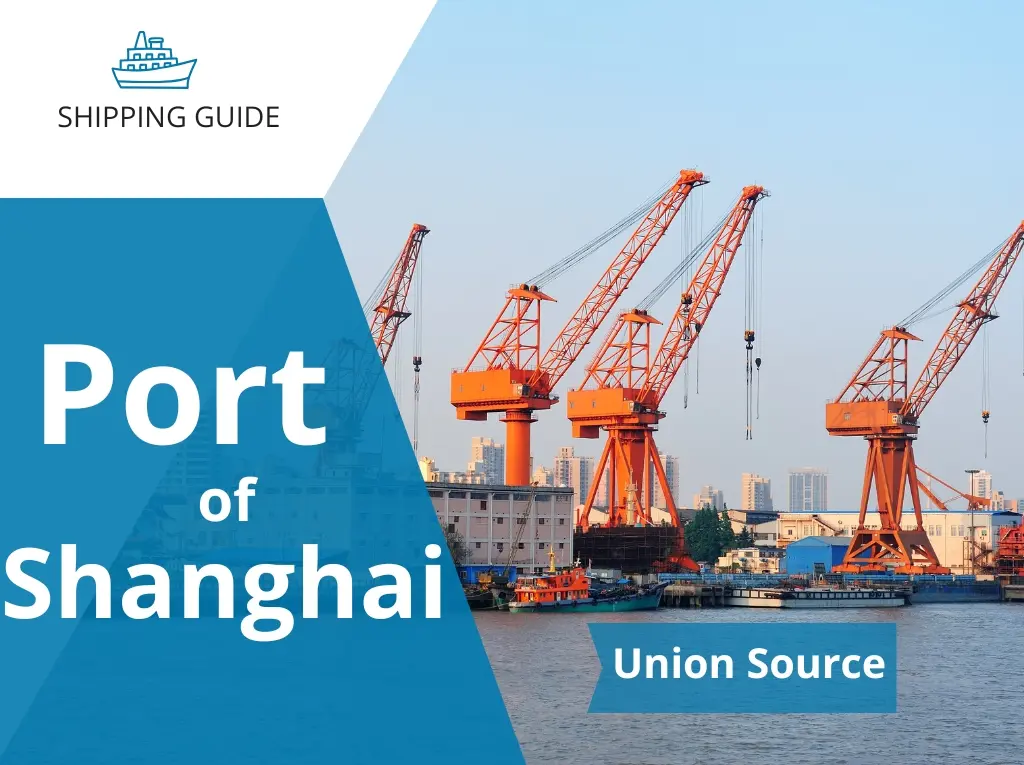
Whether you’re an importer, Amazon seller, wholesaler, or business sourcing products from China, choosing the right export port can significantly impact your shipping costs, transit times, and supply chain efficiency. As the world’s busiest container port, the Port of Shanghai offers extensive global shipping routes, advanced logistics infrastructure, and reliable connections to major markets worldwide.
In this guide, you’ll learn why the Port of Shanghai is a preferred choice for international trade, how it compares with Ningbo Port, what to know about its key terminals and customs procedures, and practical tips for avoiding common shipping challenges. Whether you’re shipping directly from Shanghai or exporting goods from Yiwu, this article will help you make more informed logistics decisions.
Port of Shanghai at a Glance: Key Statistics
The Port of Shanghai has held the title of the world’s busiest container port for more than a decade, making it the preferred export gateway for millions of shipments leaving China every year. Located at the mouth of the Yangtze River, it connects China’s largest manufacturing regions with over 700 ports across more than 200 countries and regions.
For international buyers, the Port of Shanghai represents more than just size. Its advanced infrastructure, extensive global shipping network, and highly efficient logistics ecosystem make it one of the most reliable ports for exporting products from China. Whether you’re importing consumer goods, industrial equipment, furniture, electronics, or textiles, Shanghai offers frequent sailings and competitive freight options to virtually every major destination.
Port of Shanghai Key Facts
| Item | Details |
| Location | Shanghai Municipality, China |
| Port Type | Deep-water international container port |
| Global Ranking | World’s busiest container port by throughput |
| Annual Container Throughput | Over 50 million TEUs |
| International Shipping Routes | 300+ container shipping routes |
| Connected Ports | 700+ ports worldwide |
| Major Export Markets | North America, Europe, Southeast Asia, Middle East, Australia, South America |
| Main Terminals | Yangshan Deepwater Port, Waigaoqiao Port Area |
| Supported Cargo | Full Container Load (FCL), Less than Container Load (LCL), Bulk Cargo, Ro-Ro, Breakbulk |
Strategic Advantages of Choosing Port of Shanghai
For businesses importing from China, selecting the right export port can have a direct impact on shipping costs, transit times, and supply chain reliability. While China has several world-class ports, the Port of Shanghai stands out for its unmatched shipping connectivity, mature logistics ecosystem, and ability to handle virtually every type of export cargo.
Whether you’re shipping a single LCL pallet or multiple FCL containers each month, Shanghai offers operational advantages that can help reduce risk and improve overall efficiency.
Extensive Global Shipping Network
One of Shanghai Port’s greatest strengths is its comprehensive network of international shipping routes. Nearly every major ocean carrier operates regular services from Shanghai, including direct and transshipment routes to key markets such as:
- United States and Canada
- Western and Eastern Europe
- Australia and New Zealand
- Southeast Asia
- Middle East
- Africa
- South America
This extensive coverage gives importers greater flexibility when selecting carriers and sailing schedules. Instead of waiting for limited vessel departures, businesses can often choose from multiple weekly sailings, helping shorten lead times and improve inventory planning.
For high-volume importers, increased competition among shipping lines can also translate into more competitive freight rates and better service options.
Efficient Logistics Infrastructure
Shanghai is more than just a port—it is the center of one of China’s most advanced logistics ecosystems.
Cargo moving through Shanghai benefits from:
- Modern container terminals with high automation
- Extensive highway and railway connections
- Efficient inland barge transportation
- Large-scale warehousing and distribution centers
- Professional freight forwarding and customs brokerage services
Because these services are concentrated in one region, cargo transfers between factories, warehouses, and terminals are generally faster and more predictable than in less-developed logistics hubs.
This integrated infrastructure is especially valuable for companies managing time-sensitive shipments or coordinating products from multiple suppliers.
High Capacity Reduces Shipping Bottlenecks
As the world’s busiest container port, Shanghai is built to process enormous cargo volumes every day. Its large handling capacity helps support:
- Faster container processing
- Greater equipment availability
- Frequent vessel departures
- Better resilience during peak shipping seasons
Although global events, holidays, or severe weather can still affect shipping schedules, Shanghai’s scale and operational efficiency often allow it to recover more quickly than smaller ports.
For businesses with consistent export volumes, this added reliability can help reduce costly delays and improve supply chain stability.
Strong Multimodal Transportation Network
One reason Shanghai serves as China’s primary export gateway is its excellent inland transportation network.
Manufacturers can transport cargo to the port using multiple methods, including:
- Truck transportation for nearby factories
- Rail freight from inland provinces
- Inland river barges along the Yangtze River
- Combined sea-rail logistics solutions
This multimodal system makes Shanghai an attractive export option not only for manufacturers located in Shanghai itself but also for suppliers across Jiangsu, Zhejiang, Anhui, Jiangxi, and many central Chinese provinces.
The ability to choose different transportation modes allows exporters to balance cost, speed, and cargo requirements.
Mature International Shipping Services
Over decades of international trade, Shanghai has developed a highly experienced ecosystem of logistics service providers.
Importers can easily find professional support for services such as:
- Freight forwarding
- Customs declaration
- Cargo consolidation
- Quality inspection
- Container loading supervision
- Export documentation
- Marine cargo insurance
- Cross-border e-commerce logistics
Having these services available within the same logistics hub simplifies communication and reduces coordination challenges, particularly for overseas buyers sourcing from multiple factories.
For businesses without a local team in China, working with an experienced sourcing partner can further streamline the process by coordinating suppliers, arranging inspections, consolidating cargo, and managing export logistics through Shanghai Port.
Suitable for a Wide Range of Products
Shanghai Port handles nearly every category of export cargo, making it a versatile choice for businesses across industries. Common exports include:
- Consumer products
- Furniture and home goods
- Machinery and industrial equipment
- Electronics
- Textiles and garments
- Automotive parts
- Building materials
- Toys and gifts
- Kitchenware
- Medical products
Whether shipping standard containers, oversized equipment, refrigerated goods, or consolidated LCL cargo, the port offers specialized facilities and handling capabilities to meet diverse shipping requirements.
By combining global shipping access, advanced infrastructure, and comprehensive logistics services, the Port of Shanghai provides importers with a dependable gateway that supports efficient, cost-effective international trade. This is one of the key reasons it remains the preferred export port for many businesses sourcing products from China.
Why Choose Shanghai Port for Yiwu Cargo
For international buyers sourcing products from Yiwu, one of the most common questions is: Should I ship through Ningbo or Shanghai? While Ningbo is geographically closer, many exporters and sourcing companies still choose the Port of Shanghai for Yiwu cargo because of its broader shipping network, more frequent vessel departures, and greater flexibility for international shipments.
The best choice depends on your destination, cargo volume, shipping schedule, and logistics priorities.
Well-Connected Transportation from Yiwu to Shanghai
Yiwu is located in Zhejiang Province, approximately 300 kilometers (186 miles) from Shanghai. Thanks to China’s modern transportation infrastructure, moving cargo between the two cities is fast and reliable.
Common transportation methods include:
- Truck transport: Ideal for most FCL and LCL shipments, typically arriving at Shanghai Port within one day.
- Rail freight: Suitable for larger or scheduled shipments, offering stable transit times.
- Combined logistics services: Freight forwarders often consolidate cargo from multiple Yiwu suppliers before transporting it to Shanghai for export.
Because of these efficient connections, the additional inland transportation cost is often outweighed by the shipping advantages available at Shanghai Port.
More Direct Shipping Routes to Global Markets
One of Shanghai’s biggest advantages for Yiwu exporters is its extensive network of direct international shipping services.
Compared with many other ports, Shanghai generally offers:
- More direct sailings to North America and Europe
- Higher departure frequency throughout the week
- Greater carrier selection
- More options during peak shipping seasons
For importers, this can reduce waiting times before a vessel departs and, in some cases, eliminate the need for transshipment, helping lower the risk of delays.
If your business ships regularly to major destinations such as the United States, Germany, the United Kingdom, Australia, or Canada, Shanghai often provides more flexible scheduling than smaller ports.
Better Choice for Multi-Supplier Consolidation
Many buyers visiting Yiwu purchase products from dozens—or even hundreds—of different suppliers. Instead of arranging separate shipments, they often consolidate these orders into a single container before export.
Shanghai’s mature logistics network makes this process straightforward by offering:
- Professional consolidation warehouses
- Cargo inspection services
- Repackaging and labeling
- Palletizing
- Container loading supervision
- Export customs coordination
Consolidating shipments not only reduces transportation costs but also simplifies customs procedures and inventory management at the destination.
Greater Flexibility During Peak Seasons
China’s export industry experiences predictable spikes in demand before major shopping events and holidays, such as Black Friday and the Christmas season. During these periods, vessel space can become limited.
Because Shanghai handles such a high volume of international trade, importers often benefit from:
- More available sailing schedules
- Access to multiple shipping lines
- Easier container bookings
- Alternative routing options when vessels are fully booked
This flexibility can help businesses maintain delivery schedules even when global shipping demand increases.
When Shanghai Makes the Most Sense
Although every shipment is different, Shanghai Port is often the preferred option if you:
- Source products from multiple Yiwu suppliers
- Export to North America or Europe
- Require frequent weekly departures
- Need reliable LCL consolidation services
- Ship large volumes throughout the year
- Want access to a wider selection of international carriers
On the other hand, if your cargo is destined for certain Asian markets or your supplier is located closer to Ningbo, shipping through Ningbo may offer lower inland transportation costs. Evaluating the entire logistics chain—not just the distance to the port—is the best way to determine the most cost-effective solution.
For businesses unfamiliar with China’s export process, an experienced sourcing partner can coordinate supplier pickups, consolidate goods from multiple factories, arrange quality inspections, and recommend whether Shanghai or Ningbo is the better departure port based on your shipment’s destination, budget, and delivery timeline. This end-to-end approach helps minimize logistics complexity while optimizing overall shipping efficiency.
Ningbo Port vs. Shanghai Port: Sourcing Decisions
For importers sourcing products from eastern China, both Shanghai Port and Ningbo Port are excellent export gateways. While Shanghai is known for its extensive global shipping network and frequent sailings, Ningbo may offer lower inland transportation costs for factories located in Zhejiang Province. The table below highlights the key differences to help you choose the most suitable port for your shipment.
| Factor | Shanghai Port | Ningbo Port |
| Best For | Multi-supplier sourcing, global exports, frequent sailings | Factories in Zhejiang, cost-efficient inland transport |
| Shipping Network | Extensive direct routes to major global markets | Strong international coverage with some transshipment routes |
| Departure Frequency | Very high, multiple weekly departures | High, but generally fewer sailings than Shanghai |
| Logistics Services | Comprehensive warehousing, consolidation, inspection, customs support | Efficient port operations with growing logistics services |
| Container Throughput | World’s largest container port | One of the world’s busiest container ports |
| Ideal Cargo | FCL, LCL, e-commerce shipments, high-value goods | FCL, bulk cargo, industrial products |
| Distance from Yiwu | Approximately 300 km | Approximately 170 km |
| Main Advantage | Greater flexibility and shipping options | Lower domestic transportation costs for nearby factories |
More information: Ningbo Port vs Shanghai Port: Which Shines Brighter for Yiwu Exporters?
Key Terminals: Yangshan Deepwater Port vs. Waigaoqiao
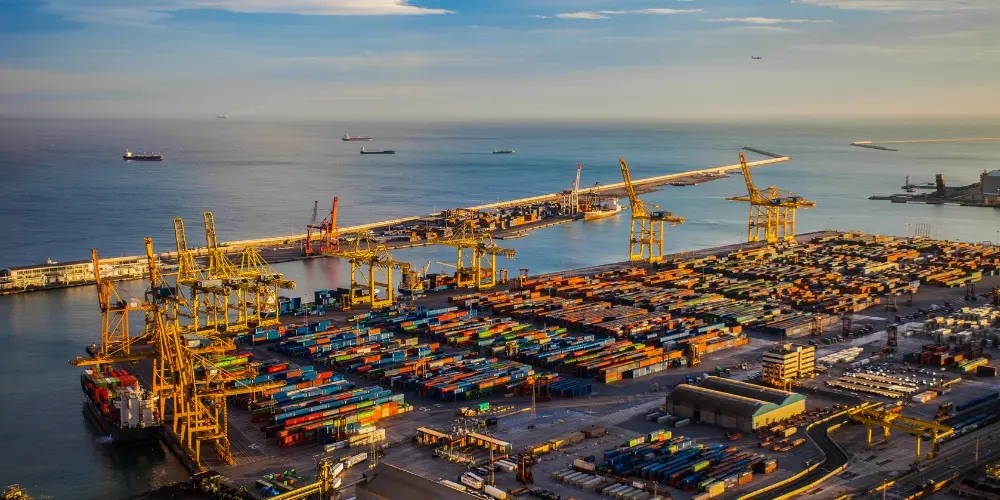
The Port of Shanghai consists of several port areas, but two terminals handle the majority of international container traffic: Yangshan Deepwater Port and Waigaoqiao Port. While both offer world-class facilities, they serve slightly different operational needs.
| Feature | Yangshan Deepwater Port | Waigaoqiao Port |
| Location | Offshore, connected to mainland by the Donghai Bridge | Pudong New Area, Shanghai |
| Water Depth | Deep-water port capable of handling ultra-large container vessels | Deep-water berths for large container ships |
| Primary Role | International deep-sea container shipping | Domestic and international container handling |
| Vessel Capacity | Accommodates the world’s largest container ships | Handles a wide range of container vessels |
| Key Advantage | Ideal for long-haul international routes with high cargo volumes | Convenient access to Shanghai’s industrial and logistics zones |
Which Terminal Will Your Cargo Use?
In most cases, exporters and freight forwarders—not buyers—determine which terminal will handle a shipment. The decision depends on factors such as:
- Shipping line and vessel schedule
- Cargo destination
- Container availability
- Terminal operating efficiency
- Port congestion at the time of shipment
For importers, the specific terminal usually has little impact on the shipping process. What matters more is working with an experienced freight forwarder or sourcing partner who can book the most efficient route and coordinate documentation, customs clearance, and container transportation.
Whether your cargo departs from Yangshan Deepwater Port or Waigaoqiao Port, both terminals are equipped with advanced handling facilities and are integrated into Shanghai’s extensive logistics network, ensuring reliable export operations for international shipments.
Customs Clearance and Documentation at Shanghai Port
Efficient customs clearance is essential for ensuring that your cargo leaves China on schedule. While the export process at the Port of Shanghai is highly streamlined, shipments must still comply with Chinese customs regulations and include accurate documentation.
Key Export Documents
Depending on the type of goods and destination country, exporters typically prepare the following documents:
- Commercial Invoice
- Packing List
- Bill of Lading (B/L)
- Export Customs Declaration
- Sales Contract (if required)
- Certificate of Origin (when requested by the importer or required under a trade agreement)
- Inspection or quarantine certificates for regulated products
Providing complete and accurate paperwork helps minimize the risk of customs delays or additional inspections.
The Typical Export Process
Most shipments follow a straightforward workflow:
- Cargo is transported from the factory or warehouse to the port.
- Export documents are prepared and submitted.
- Chinese Customs reviews the declaration and may inspect the cargo if necessary.
- Once customs clearance is completed, the container is released for loading.
- The cargo is loaded onto the scheduled vessel and departs for its destination.
With proper planning, many export shipments can be cleared efficiently, although timelines may vary depending on cargo type, documentation, and customs requirements.
Tips for Smooth Customs Clearance
To reduce the likelihood of delays, importers and exporters should:
- Ensure product descriptions and HS codes are accurate.
- Confirm that invoices and packing lists are consistent.
- Prepare all required certificates before shipment.
- Work with experienced customs brokers or freight forwarders.
- Schedule shipments early during peak export seasons.
For buyers sourcing from multiple suppliers, a sourcing partner can also help verify export documents, coordinate supplier paperwork, and communicate with logistics providers, reducing administrative errors and ensuring a smoother shipping process through Shanghai Port.
Common Pitfalls in Shanghai Port Logistics
Although the Port of Shanghai is one of the world’s most efficient shipping hubs, logistics challenges can still arise without proper planning. Understanding these common pitfalls can help importers avoid unnecessary costs and shipment delays.
Booking Too Late During Peak Seasons
Shipping demand increases significantly before major holidays and retail seasons, such as Chinese New Year, Golden Week, and the year-end shopping season. Waiting until the last minute to book container space may result in higher freight rates or limited sailing options.
Tip: Confirm production schedules early and book ocean freight as soon as your cargo is ready.
Incomplete or Incorrect Documentation
Even minor errors in commercial invoices, packing lists, or customs declarations can delay export clearance. Incorrect product descriptions or HS codes may also trigger additional inspections.
Tip: Review all shipping documents carefully before submitting them to your freight forwarder or customs broker.
Choosing a Port Based Only on Distance
Many buyers assume the nearest port is always the most economical option. In reality, factors such as sailing frequency, transit time, and freight availability can have a greater impact on total logistics costs.
Tip: Compare the complete shipping solution—including inland transport, ocean freight, and delivery time—before selecting an export port.
Poor Coordination Between Multiple Suppliers
When sourcing from several factories, uncoordinated production schedules can delay container loading and increase storage or consolidation costs.
Tip: Use a sourcing partner or logistics provider to coordinate supplier timelines, consolidate shipments, and ensure all cargo arrives before the container cutoff date.
Conclusion
The Port of Shanghai remains the leading choice for international shipping thanks to its extensive global routes, modern infrastructure, and efficient logistics network. Whether you’re exporting directly from Shanghai or shipping goods sourced from Yiwu and other manufacturing hubs, understanding the port’s terminals, customs procedures, and shipping options can help you make smarter sourcing and logistics decisions.
If you’re looking for a reliable partner to manage sourcing, supplier coordination, cargo consolidation, and international shipping from China, Union Source is here to help. Our experienced team simplifies the entire export process, ensuring your products are shipped efficiently, cost-effectively, and on time.

Zack, Marketing Manager at Union Source, brings years of experience in global sourcing and market strategy. Zack focuses on analyzing market trends and sharing practical insights that help international buyers and business partners stay ahead in the fast-changing world of wholesale trade.