

China major ports play a critical role in global trade and handle a large share of international shipments every year. For importers sourcing products from China, understanding how these ports operate is essential—not only to know where goods are shipped from, but also to make informed logistics decisions.This guide provides an overview of the top 10 major ports in China and goes beyond basic port rankings. More importantly, it explains how importers should choose the right port based on sourcing location, wholesale markets, and shipping strategy, helping buyers optimize cost, lead time, and supply chain efficiency when sourcing from key hubs such as Yiwu and Guangzhou.

| Port Name | Throughput (Cargo / Container) | Major Trade Partners | Ideal Cargo Types |
| Shanghai | ~700M tons / >50M TEU | USA, Germany, Japan, SE Asia | Electronics, kitchenware, consumer goods |
| Ningbo-Zhoushan | ~1.3–1.4B tons / >30M TEU | USA, South Korea, Japan, Germany | Bulk goods, mixed shipments |
| Shenzhen | ~350M tons / 27–28M TEU | USA, Europe, SE Asia, Japan | Consumer products, electronics, dropshipping |
| Qingdao | ~400M tons / 25–26M TEU | Europe, SE Asia, North America | Machinery, heavy equipment, mixed cargo |
| Guangzhou (Nansha) | ~320–350M tons / 23–24M TEU | North America, Europe, SE Asia | Home goods, kitchenware, consumer products |
| Tianjin | ~300M tons / 22M TEU | Europe, North America, SE Asia | Machinery, automotive, heavy exports |
| Xiamen | ~80M tons / 6–7M TEU | SE Asia, South Asia | Light industrial products, kitchenware, dropshipping |
| Rizhao | ~350–400M tons / 0.5M TEU | Japan, South Korea, SE Asia | Coal, ores, raw materials |
| Suzhou | ~120–150M tons / 5–6M TEU | Europe, SE Asia | Mixed cargo, home goods, small machinery |
| Beibu Gulf | ~100–150M tons / 1–1.2M TEU | SE Asia, South Asia, Africa | Food, consumer goods, new market exports |
1. Top 10 Major Ports in China: An Overview for Importers
1. 1 Port of Shanghai
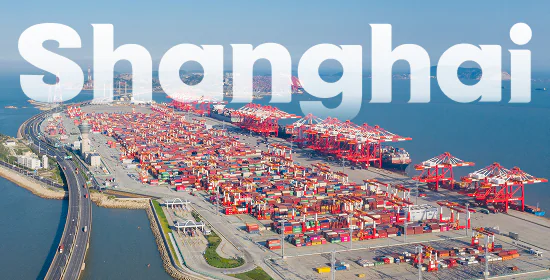
Located in Shanghai, the Yangtze River Delta hub, it is the world’s busiest container port with deepwater and highly automated terminals.
- Throughput: Cargo tonnage: ~700 million tons/Container: Over 50,000,000 TEUs
- Staff: ~50,000
- Major Trade Partners: USA, Germany, Japan, Southeast Asian countries
- Alliances: THE Alliance, CKYH
- International Shipping Routes: 200+ direct routes
- Main Terminals: Yangshan Deepwater Port, Waigaoqiao Terminal, Yangshan Phase IV
- Infrastructure: 125+ deepwater berths, automated container yards, cold chain facilities
- Connectivity & Shipping Routes: Serves Europe, North America, Southeast Asia, and Africa; core of Yangtze Delta port cluster, linked with Ningbo-Zhoushan and Suzhou ports
- Ideal Cargo Types: Large-scale exports, electronics, kitchenware, consumer goods, machinery
- Strategic Advantages: High throughput, intelligent port operations, global route coverage; ensures fast and reliable shipments for large B2B exporters
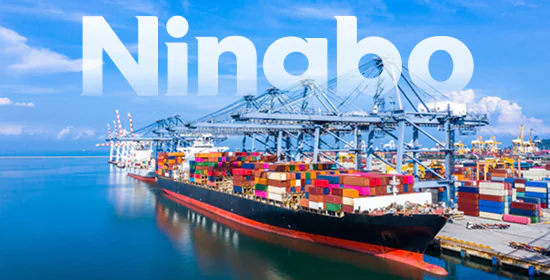
1.2 Ningbo-Zhoushan Port
Zhejiang Province, a deepwater mixed cargo port; one of China’s largest in cargo volume.
- Throughput:Cargo tonnage: ~1.3–1.4 billion tons/Container: Over 30,000,000 TEUs
- Staff: ~45,000
- Major Trade Partners: USA, South Korea, Japan, Germany
- Alliances: 2M, CKYH
- International Shipping Routes: 150+ direct lines
- Main Terminals: Beilun Terminal, Meishan Terminal, Zhoushan Phase III
- Infrastructure: Deepwater berths for vessels >200,000 DWT, automated container yards, bulk cargo terminals
- Connectivity & Shipping Routes: Direct service to North America, Europe, Southeast Asia; linked with Shanghai and other Yangtze Delta ports
- Ideal Cargo Types: Bulk commodities, mixed cargo, large-scale home goods
- Strategic Advantages: Extensive deepwater capacity, high handling efficiency, ideal for large-scale exports and mixed cargo
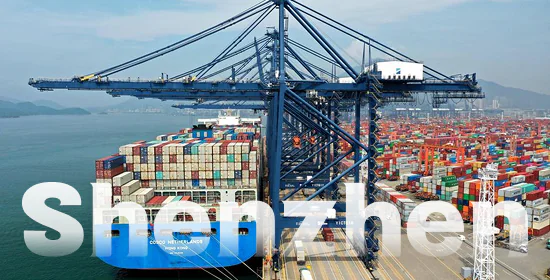
1.3 Port of Shenzhen
Guangdong Province, Pearl River Delta manufacturing hub; includes Yantian, Shekou, and Chiwan terminals.
- Throughput:Cargo tonnage: ~350 million tons/Container: ~27–28,000,000 TEUs
- Staff: ~40,000
- Major Trade Partners: USA, Europe, Southeast Asia, Japan
- Alliances: THE Alliance, 2M
- International Shipping Routes: 120+ direct lines
- Main Terminals: Yantian Terminal, Shekou Terminal, Chiwan Terminal
- Infrastructure: Deepwater berths, high-speed automated container yards, cold chain logistics
- Connectivity & Shipping Routes: Serves Europe, North America, Southeast Asia, and Africa; core of Pearl River Delta port cluster
- Ideal Cargo Types: Consumer goods, electronics, kitchenware, small appliances, dropshipping exports
- Strategic Advantages: Fast operations, close to manufacturing hubs, suitable for light industry and high-frequency small-batch exports
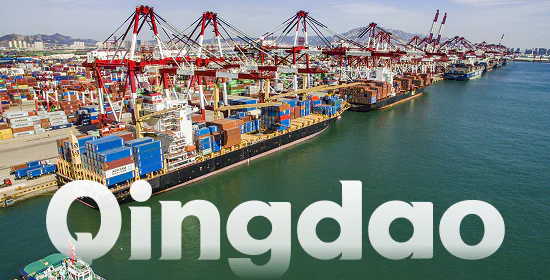
1.4 Port of Qingdao
Shandong Province, northern China deepwater port, key hub for manufacturing and raw material exports.
- Throughput:Cargo tonnage: ~400 million tons/Container: ~25–26,000,000 TEU
- Staff: ~35,000
- Major Trade Partners: Europe, Southeast Asia, North America
- Alliances: CKYH, THE Alliance
- International Shipping Routes: 100+ direct routes
- Main Terminals: Qianwan Container Terminal, Dongjiakou Bulk Terminal
- Infrastructure: 80+ berths, 15m+ water depth, automated container and bulk terminals
- Connectivity & Shipping Routes: Direct routes to Europe, North America, Southeast Asia; northern port cluster core
- Ideal Cargo Types: Machinery, heavy equipment, mixed cargo, bulk exports
- Strategic Advantages: Northern trade gateway, highly automated, ideal for bulk and heavy industry shipments
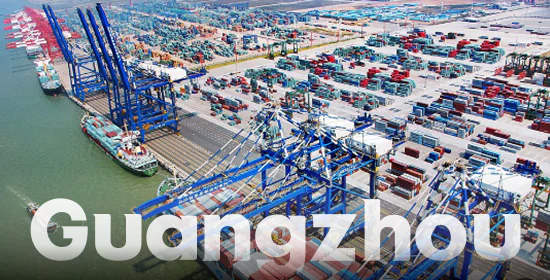
1.5 Port of Guangzhou (Nansha)
- Guangdong Province, South China manufacturing hub; handles containerized and light industry exports.
- Throughput:Cargo tonnage: ~320–350 million tons/Container: ~23–24,000,000 TEUs
- Staff: ~32,000
- Major Trade Partners: North America, Europe, Southeast Asia
- Alliances: 2M, THE Alliance
- International Shipping Routes: 110+ direct lines
- Main Terminals: Nansha Container Terminal, Huangpu Terminal
- Infrastructure: Deepwater berths, automated yards, cold storage facilities
- Connectivity & Shipping Routes: Direct routes to North America, Europe, Southeast Asia; networked with Shenzhen Port
- Ideal Cargo Types: Home goods, kitchenware, consumer products, small-batch B2B exports
- Strategic Advantages: Close to manufacturing hubs, high efficiency, suitable for fast turnover shipments
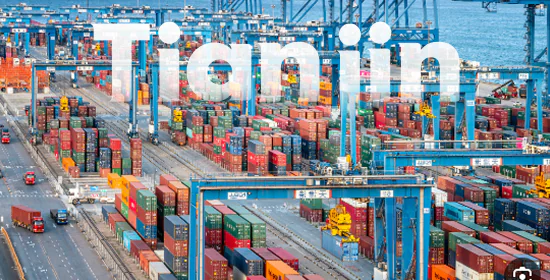
1.6 Port of Tianjin
Hebei Province, northern trade hub with strong sea-rail intermodal capacity.
- Throughput:Cargo tonnage: ~300 million tons/Container: ~22,000,000 TEUs
- Staff: ~28,000
- Major Trade Partners: Europe, North America, Southeast Asia
- Alliances: CKYH
- International Shipping Routes: 90+ direct lines
- Main Terminals: Tianjin Xingang Container Terminal, Bulk Terminal
- Infrastructure: 15m+ deepwater berths, multi-purpose bulk terminals, sea-rail connectivity
- Connectivity & Shipping Routes: Direct to Europe, North America, Southeast Asia; northern port cluster core
- Ideal Cargo Types: Machinery, automotive parts, heavy industry cargo
- Strategic Advantages: Northern bulk cargo hub, cost-effective, convenient sea-rail transport
1.7 Port of Xiamen
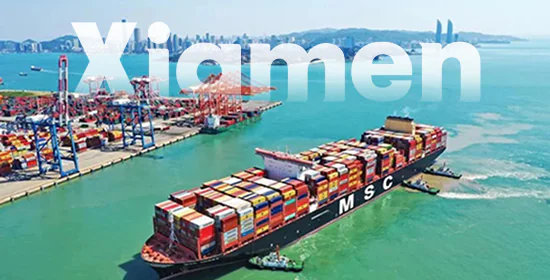
Fujian Province, southeast coast port; flexible for light industrial exports.
- Throughput:Cargo tonnage: ~80 million tons/Container: ~6–7,000,000 TEUs
- Staff: ~15,000
- Major Trade Partners: Southeast Asia, South Asia
- Alliances: THE Alliance
- International Shipping Routes: 70+ direct lines
- Main Terminals: Xiangyu Terminal, Xiamen Container Terminal
- Infrastructure: Deepwater 15–16m, automated container yards, cold chain facilities
- Connectivity & Shipping Routes: Direct to Southeast Asia and South Asia; regional port network
- Ideal Cargo Types: Light industrial products, kitchenware, small-batch B2B, dropshipping
- Strategic Advantages: Regional trade hub, flexible operations, suitable for SMEs
1.8 Port of Rizhao
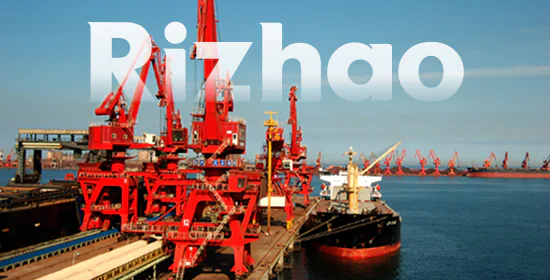
Shandong coast, northern bulk cargo hub specializing in coal, ores, and raw materials.
- Throughput: Cargo tonnage: ~350–400 million tons/Container: ~500,000 TEUs
- Staff: ~10,000
- Major Trade Partners: Japan, South Korea, Southeast Asia
- Alliances: Not part of major container alliances
- International Shipping Routes: 30+ lines
- Main Terminals: Rizhao Bulk Terminal, Coal Terminal
- Infrastructure: Deepwater berths, multipurpose bulk terminals, automated handling equipment
- Connectivity & Shipping Routes: Direct to North America, Southeast Asia, East Asia
- Ideal Cargo Types: Coal, ores, raw materials, bulk commodities
- Strategic Advantages: Northern bulk cargo hub, low shipping costs, ideal for raw materials
1.9 Port of Suzhou (Jiangsu Coastal Port Cluster)
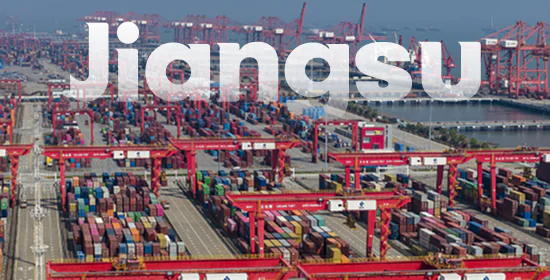
Jiangsu coastal cluster serving Yangtze River Delta, with sea-river intermodal connectivity.
- Throughput: Cargo tonnage: ~120–150 million tons/Container: ~5–6,000,000 TEUs
- Staff: ~12,000
- Major Trade Partners: Europe, Southeast Asia
- Alliances: CKYH
- International Shipping Routes: 60+ lines
- Main Terminals: Changshu Terminal, Taicang Terminal
- Infrastructure: Deepwater berths, automated yards, strong port cluster collaboration
- Connectivity & Shipping Routes: Direct to Europe, North America, Southeast Asia; integrated with Shanghai & Ningbo
- Ideal Cargo Types: Mixed cargo, home goods, small machinery, B2B exports
- Strategic Advantages: Efficient export gateway for Yangtze Delta manufacturers, strong sea-river intermodal network
1.10 Beibu Gulf Port / Southwest Coastal Port Cluster
Guangxi coastal cluster, emerging hub for Southeast Asia, South Asia, and Africa trade.
- Throughput: Cargo tonnage: ~100–150 million tons/Container: ~1–1.2 million TEUs
- Staff: ~8,000
- Major Trade Partners: Southeast Asia, South Asia, Africa
- Alliances: THE Alliance (partial coverage)
- International Shipping Routes: 40+ direct lines
- Main Terminals: Fangchenggang Terminal, Beihai Port Terminal
- Infrastructure: Deepwater berths, multipurpose container terminals, partially automated yards, cold chain
- Connectivity & Shipping Routes: Direct to Southeast Asia, South Asia, Africa; new routes expanding
- Ideal Cargo Types: Food, consumer goods, kitchenware, new market exports
- Strategic Advantages: Emerging export gateway, high growth potential, ideal for SMEs and new markets
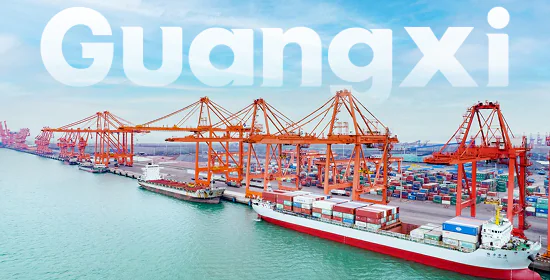
China Major Ports offer unmatched efficiency, global connectivity, and high-volume capacity for international exporters. Whether you’re shipping bulk materials, electronics, or consumer goods, choosing the right port is essential for reducing logistics costs and ensuring on-time delivery. Make the most of China’s top ports in 2025 to streamline your supply chain and scale your business with confidence.If you’re unsure which port best fits your shipping route or product category, consult a trustedChina sourcing agent to get professional guidance and end-to-end support — learn more here.
2. Beyond the Top 10 Ports: How Importers Should Choose the Right Port
Listing China’s top 10 major ports is only the first step. For importers, the real challenge is not knowing which ports are the largest, but understanding which port best fits their sourcing location, cargo type, and shipping strategy.
A well-chosen port can help reduce inland transportation costs, avoid congestion delays, and improve overall delivery efficiency. This is especially important for wholesale buyers sourcing from major production and trading hubs such as Yiwu and Guangzhou.
3. Port Selection Depends on Where You Source in China
One of the most common misunderstandings among importers is assuming that port selection is independent of sourcing location. In reality, where your suppliers are located often matters more than the port’s global ranking.
Choosing a port closer to your sourcing market can significantly reduce trucking costs, shorten lead times, and simplify coordination between factories, freight forwarders, and customs clearance.
3.1 Sourcing from Yiwu Market: Ningbo Port or Shanghai Port?
Yiwu is not a port city, but it is one of the world’s largest wholesale sourcing hubs. Most exports from Yiwu are shipped through Ningbo Port or Shanghai Port, both of which offer strong international shipping networks.
However, the two ports differ in terms of distance from Yiwu, congestion levels, shipping costs, and operational efficiency. For importers sourcing from Yiwu Market, choosing between Ningbo and Shanghai can directly affect inland transportation expenses and delivery timelines.
👉 For a detailed comparison, see our guide: Ningbo Port vs Shanghai Port.
3.2 Sourcing from Guangzhou Wholesale Markets: Shenzhen or Guangzhou Port?
Guangzhou is a major wholesale and manufacturing center in South China, particularly for electronics, apparel, home products, and consumer goods. Importers sourcing from Guangzhou typically ship via Guangzhou Port or Shenzhen Port.
While both ports serve international routes, they differ in sailing frequency, congestion risk, and suitability for certain cargo types. The right choice often depends on product characteristics, shipment volume, and delivery urgency.
👉 Learn more in our comparison: Shenzhen Port vs Guangzhou Port.
4. Major Ports vs Secondary Ports: Do Importers Always Need a Top 10 Port?
Although major ports offer extensive shipping routes and high capacity, they are not always the best option for every importer. In some cases, secondary ports can provide lower costs, faster handling, and less congestion, especially for regional or time-sensitive shipments.
For wholesale buyers sourcing from inland or specialized markets, a secondary port closer to the factory may offer better overall logistics efficiency, even if it handles lower volumes than a top-ranked port.
5. Common Port Selection Mistakes for Wholesale Buyers
Wholesale buyers often make avoidable mistakes when choosing a port, including:
Selecting a port solely based on its global ranking
Ignoring inland transportation costs from sourcing markets
Overlooking peak season congestion and delays
Assuming all ports provide the same customs and handling efficiency
Understanding these pitfalls can help importers make more informed decisions and avoid unnecessary logistics risks.
6. Do Importers Need to Decide the Port Themselves?
For simple shipments with a single supplier, port selection may not require much planning. However, for importers sourcing from multiple suppliers, wholesale markets, or different regions, port selection becomes a strategic decision.
In such cases, working with an experienced sourcing agent or logistics partner can help coordinate suppliers, optimize port choices, and ensure smoother shipping from factory to destination.
China’s top 10 major ports form the backbone of the country’s international trade network. However, for importers, choosing the right port is not just about size or global ranking—it is about matching the port to your sourcing location, product type, and logistics priorities.
Whether you are sourcing from Yiwu Market, Guangzhou wholesale markets, or multiple regions across China, understanding port differences and making informed comparisons can help reduce costs, avoid delays, and improve supply chain efficiency. With the right port strategy, importers can turn logistics planning into a competitive advantage rather than a risk.
Frequently Asked Questions (FAQ)
Q1: Which port in China is best for electronics exports in 2025?
A: Shanghai Port and Shenzhen Port are the top choices due to their high container throughput, advanced automation, and proximity to electronics manufacturing hubs.
Q2: What port should I use for bulk commodities like coal or ores?
A: Ningbo-Zhoushan Port and Rizhao Port are ideal for bulk goods. They have specialized berths, high cargo throughput, and cost-efficient handling.
Q3: Which port is suitable for dropshipping and small-scale exports?
A: Shenzhen Port, Xiamen Port, and Guangzhou (Nansha) Port are well-suited for small shipments, consumer products, and high-frequency B2B exports.
Q4: How can I find a port with good international connectivity?
A: Shanghai Port, Ningbo-Zhoushan, Shenzhen, and Qingdao Port have the most extensive international routes covering Europe, North America, Southeast Asia, and Africa.
Q5: Are there emerging ports suitable for new markets like Africa or South Asia?
A: Beibu Gulf Port and Southwest Coastal Port Cluster are strategically growing to serve Southeast Asia, South Asia, and African markets, ideal for new exporters exploring these regions.
Q6:How do I choose the right port for my shipments from China?
A: Choosing the right port depends on factors such as your supplier’s location, cargo type, shipment volume, and destination country. For example, importers sourcing from Yiwu often use Ningbo or Shanghai Port, while those sourcing from Guangzhou may choose Shenzhen or Guangzhou Port. Understanding inland transportation, port congestion, and shipping schedules is crucial for cost-efficient logistics.
Q7: Are major ports always the best choice for importing goods from China?
A:Not necessarily. While major ports offer high capacity and multiple routes, secondary ports can sometimes provide lower costs, faster handling, and less congestion. Importers should consider the proximity of the port to their suppliers and the type of cargo before making a decision.
Q8: What are common mistakes importers make when selecting a Chinese port?
A:Common mistakes include selecting a port solely based on its size or ranking, ignoring inland transportation costs, not accounting for peak season congestion, and assuming all ports offer the same customs and handling efficiency. Avoiding these mistakes can save time and reduce logistics risks.
Q9:Do I need a sourcing agent to decide which port to use?
A: For single-supplier shipments, you may manage without an agent. However, for multiple suppliers, bulk orders, or complex logistics, a sourcing agent can help coordinate shipments, optimize port selection, and ensure smooth customs clearance, reducing potential delays and extra costs.
Glossary of Key Port Terms
| Term / Parameter | Explanation |
| Throughput | Total amount of cargo handled by a port over a specific period, including bulk cargo and containers, used to measure port scale and operational capacity. |
| Cargo Tonnage | Total weight of bulk goods, liquid cargo, or general cargo handled by the port, measured in tons. |
| TEU (Twenty-foot Equivalent Unit) | Standard unit for container throughput; 1 TEU equals a standard 20-foot container. |
| Alliances | Shipping alliances (e.g., THE Alliance, CKYH) where member carriers share shipping routes and resources to improve efficiency. |
| Connectivity & Shipping Routes | Port connections to other ports and inland transport networks (sea, rail, road), facilitating logistics and cargo movement. |
Recommended References (latest, 2024–2025)
References & Further Reading
1. Shanghai International Port Group (SIPG) — Annual Port Statistics
Official data on Shanghai Port’s container throughput, terminal operations, and automation progress.
2. Ministry of Transport of the People’s Republic of China — National Port Performance Reports
China-wide cargo volume, TEU rankings, and annual port performance summaries.
3. Ningbo-Zhoushan Port Authority — Official Announcements & Throughput Updates
Reports on cargo tonnage exceeding 1.3 billion tons and container growth trends.
4. Qingdao Port (Shandong Port Group) — Industry Coverage & Port Development Updates
Insights into Qingdao’s automated terminals, TEU performance, and major infrastructure investment.
5. Global Port Rankings — International Industry Data (2024–2025)
Comparative global rankings providing context for China’s port competitiveness.

Dujuan is a sourcing specialist at UnionSource China, experienced in global procurement, product development and supplier coordination. She focuses on helping overseas buyers find quality products with reliable service, clear communication and efficient order follow-ups.