

Why Source Underwear from China?
China’s dominance in the global underwear market is no accident. It combines scale, expertise, and flexibility that few other countries can match, making it the go-to destination for B2B buyers worldwide.
Market Size and Supplier Diversity
China is the world’s largest producer and exporter of underwear, accounting for over 60% of global exports. The market boasts thousands of suppliers, ranging from small specialized factories to large-scale manufacturers capable of handling massive B2B orders. Whether you need women’s, men’s, children’s, or functional underwear, you’ll find suppliers tailored to your niche—from budget-friendly options to premium, luxury-focused brands.
Cost and Manufacturing Advantages
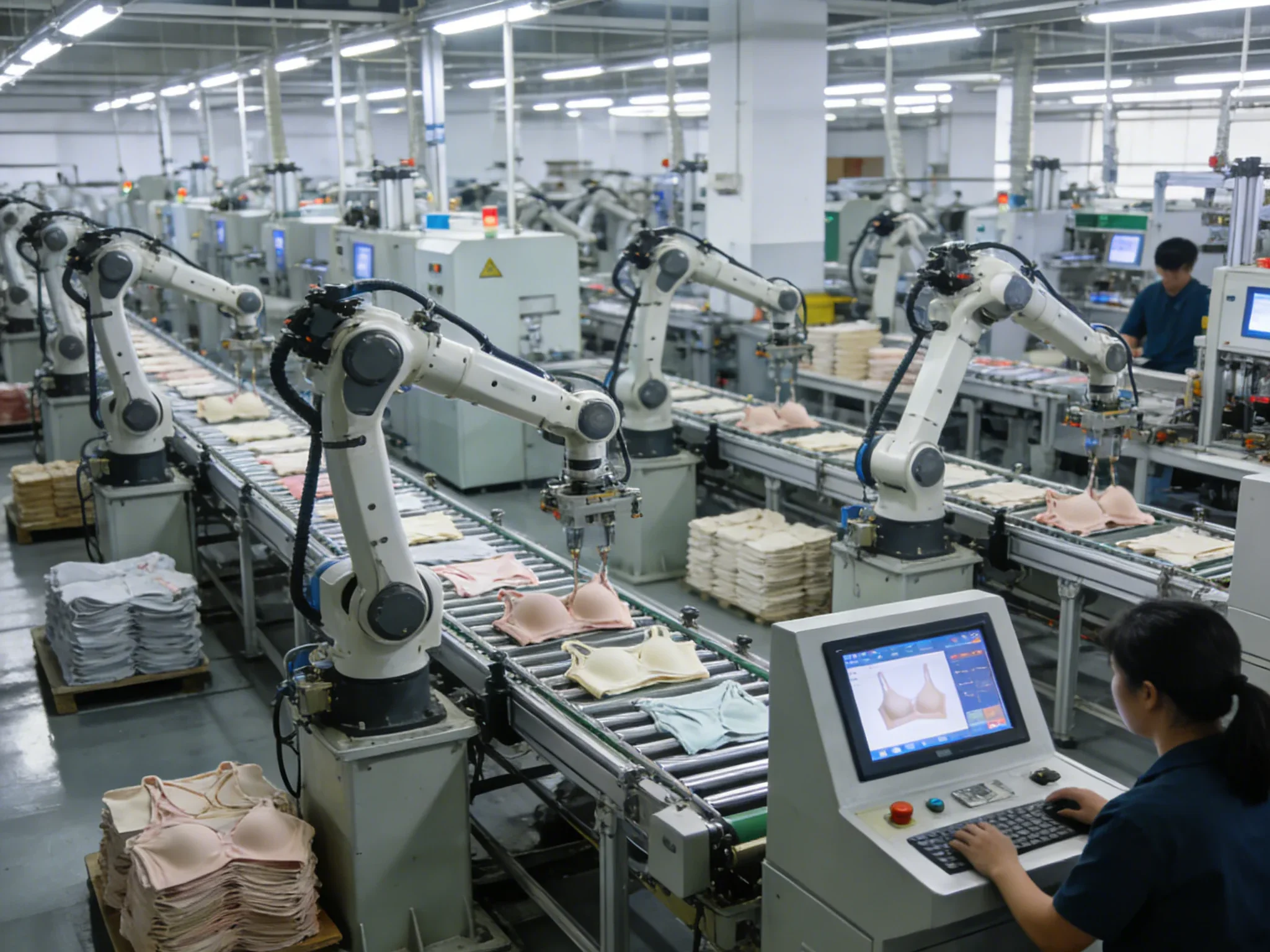
One of the biggest draws for B2B buyers is China’s cost competitiveness. Lower labor costs, a mature fabric and accessory supply chain (e.g., cotton, modal, spandex, lace), and advanced production technology reduce per-unit costs significantly—without sacrificing quality. Most factories also offer economies of scale, meaning larger B2B orders translate to even lower prices, boosting your profit margins.
Customization and OEM/ODM Opportunities
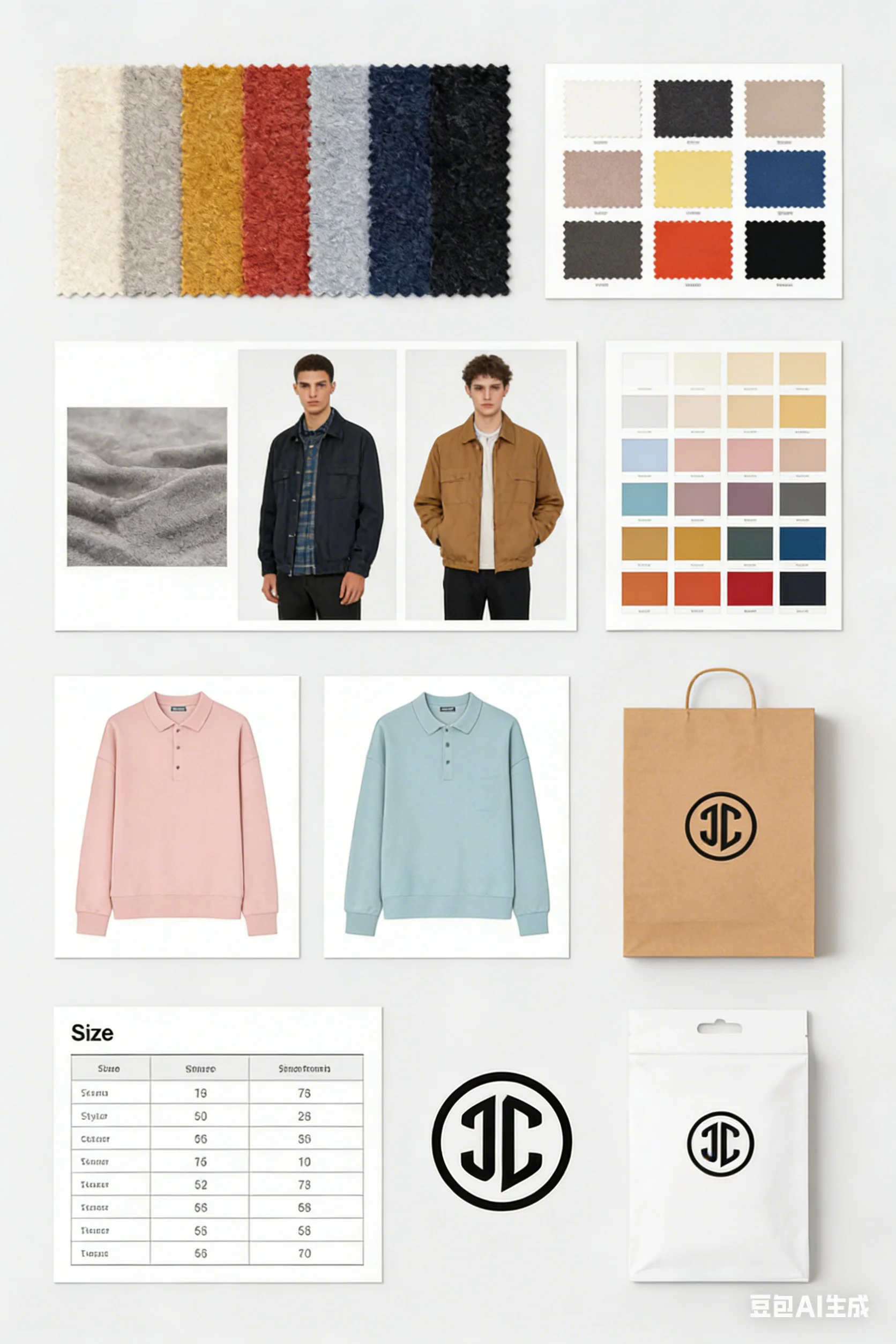
Chinese suppliers excel at customization, making them ideal for B2B buyers with unique brand needs. Most offer full OEM/ODM services, allowing you to customize fabric, style, color, size, logo, and packaging. Whether you’re launching a new private label or updating your existing line, suppliers can turn your design concepts into finished products—even with custom functional features like moisture-wicking or shapewear technology.
Preparing for Your Sourcing Journey
Before reaching out to suppliers, proper preparation is key to avoiding miscommunication and delays. Clarify your needs upfront to streamline the sourcing process and ensure alignment with potential partners.
Define Your Product Requirements
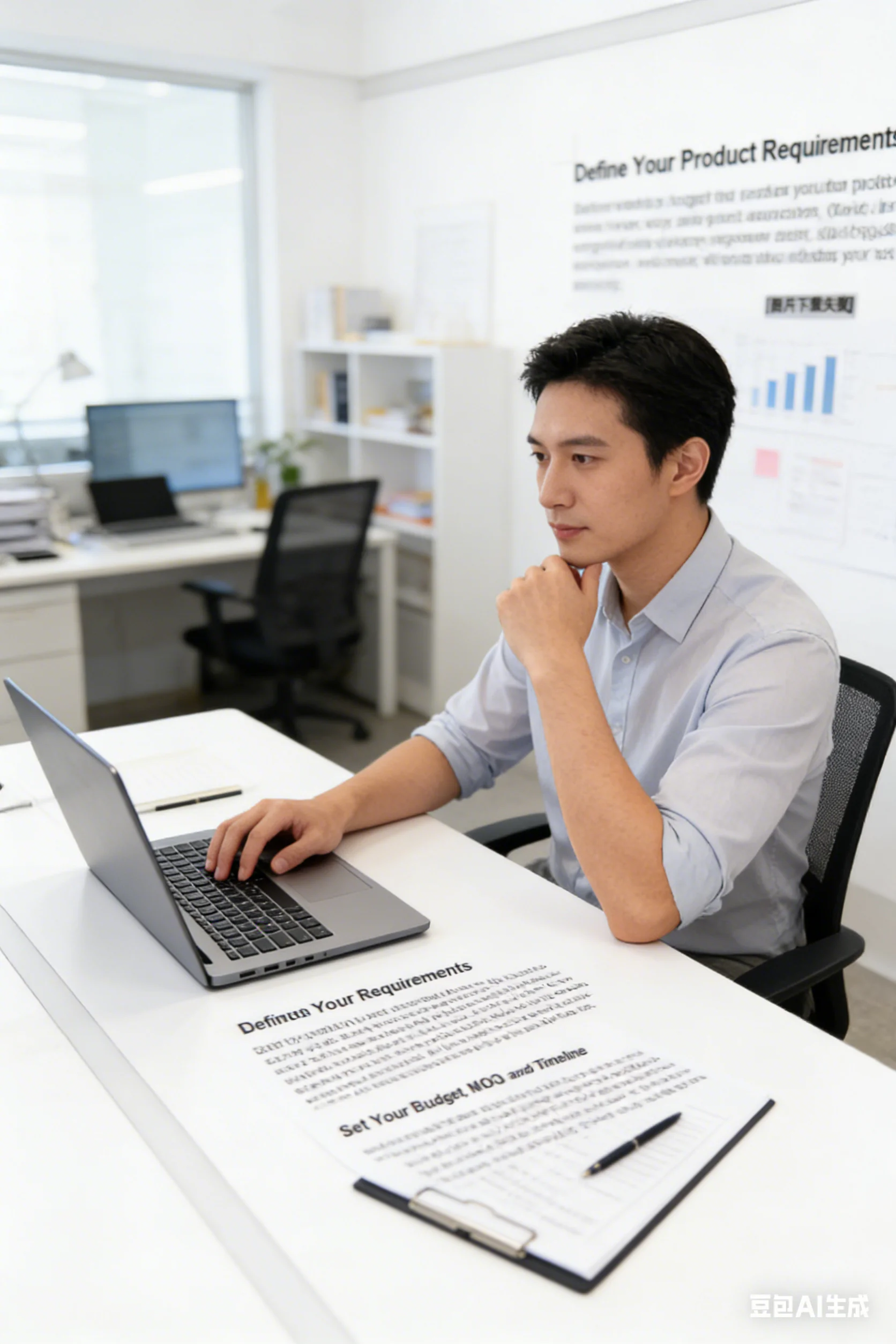
Start by outlining your exact product specifications. Identify the type of underwear (bras, panties, boxers, shapewear, etc.), target demographic, and key features: fabric type (cotton, modal, organic materials), style (seamless, high-waisted, lace-trimmed), size range (adapted to your target market), and color/pattern preferences. The more detailed your requirements, the more accurate supplier quotes and samples will be.
Set Your Budget, MOQ and Timeline
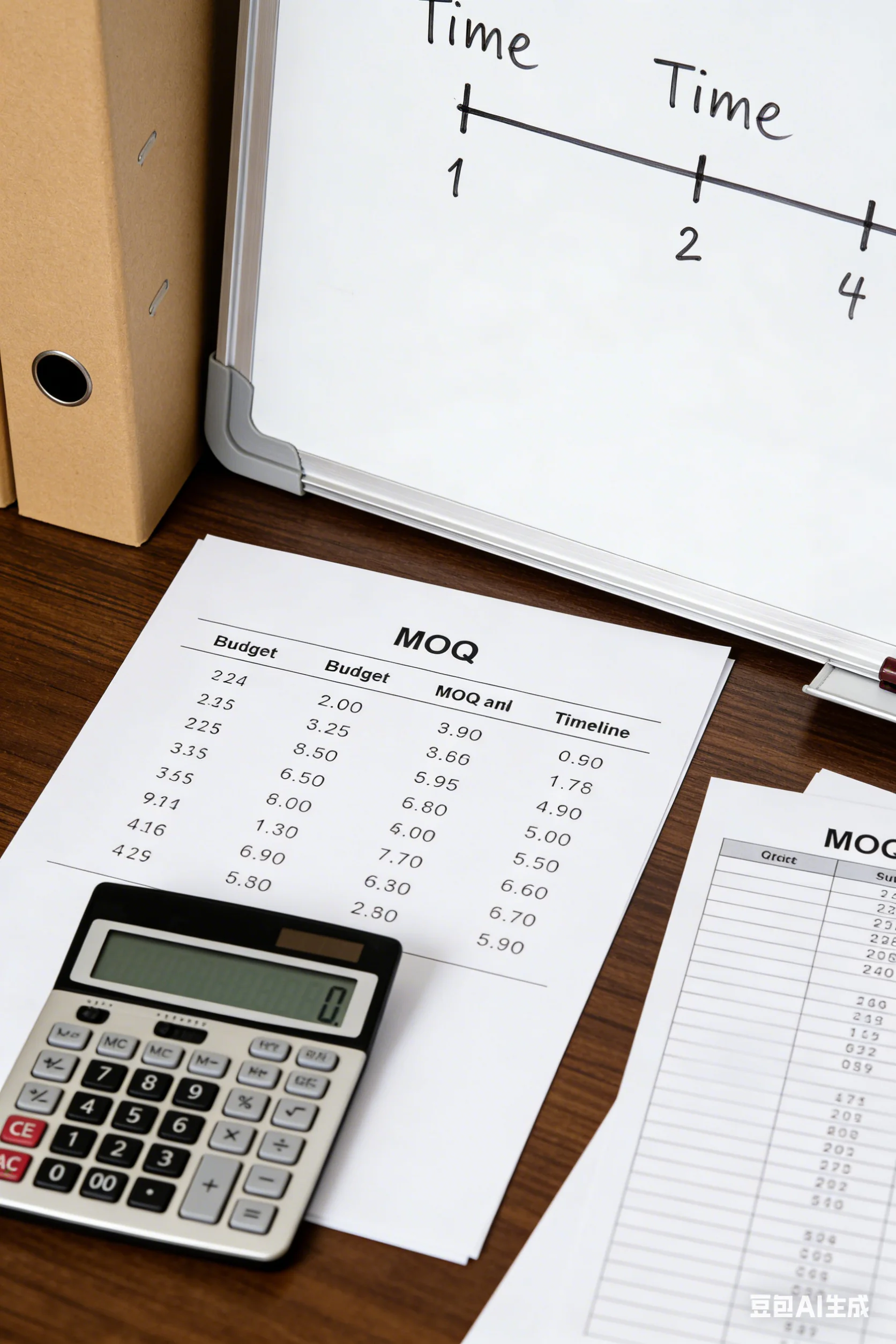
Establish a realistic budget that includes per-unit costs, shipping, customs duties, and quality control fees. Most Chinese underwear suppliers have a Minimum Order Quantity (MOQ) of 500–1000 pieces per style/color, though this can be negotiated for long-term partnerships. Also, define your timeline: sample confirmation (7–10 days), mass production (30–45 days), and desired delivery date to ensure suppliers can meet your deadlines.
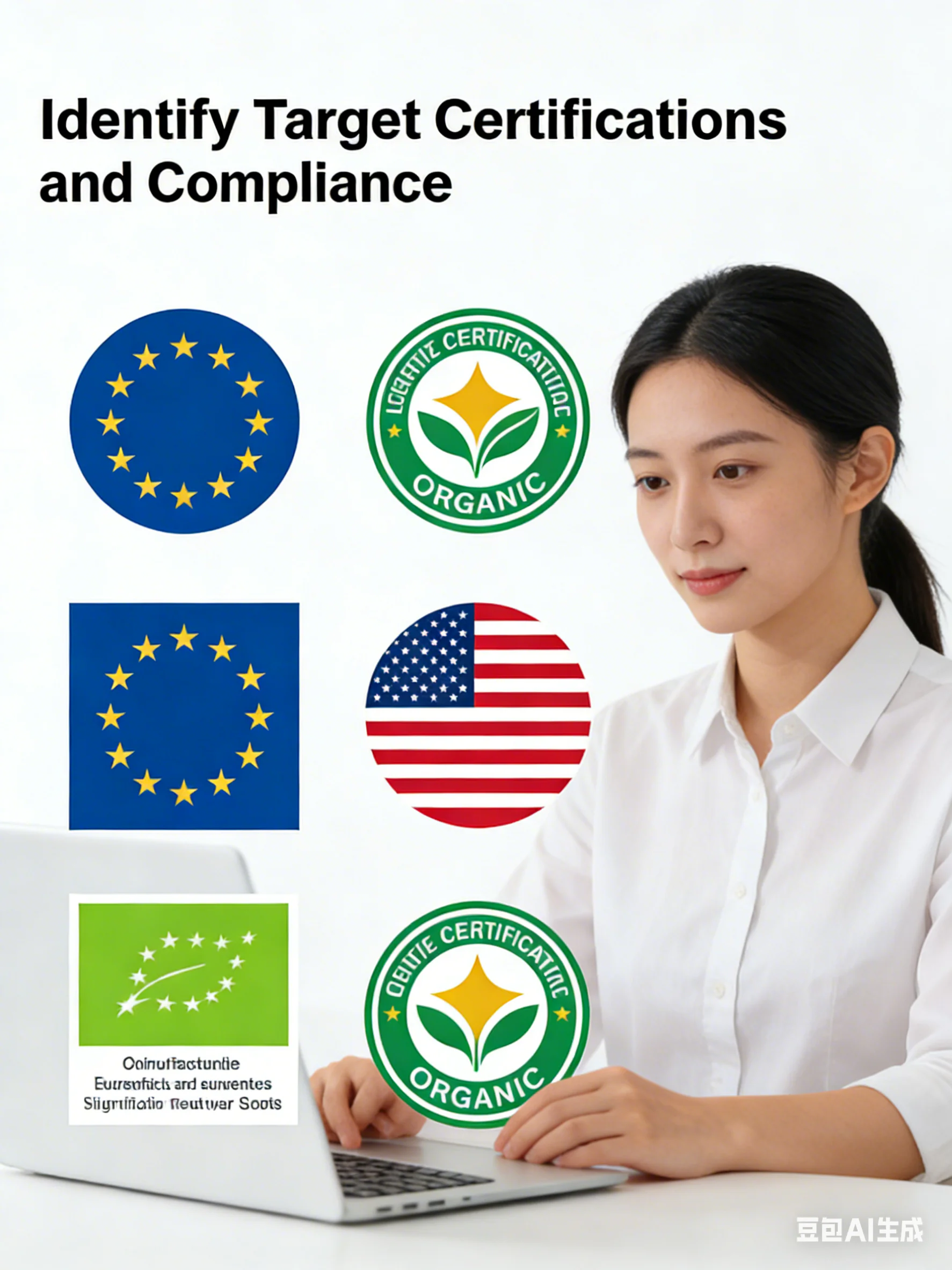
Identify Target Certifications and Compliance
Your target market will dictate necessary certifications. For example, the EU requires Oeko-Tex Standard 100 (no harmful substances), the US mandates CPSIA for children’s products, and organic underwear needs GOTS certification. Ensure suppliers can meet these standards to avoid customs issues and legal risks in your market.
Finding Reliable Underwear Suppliers
China has thousands of underwear suppliers, but not all are created equal. Use these channels to find reliable partners that align with your B2B needs.
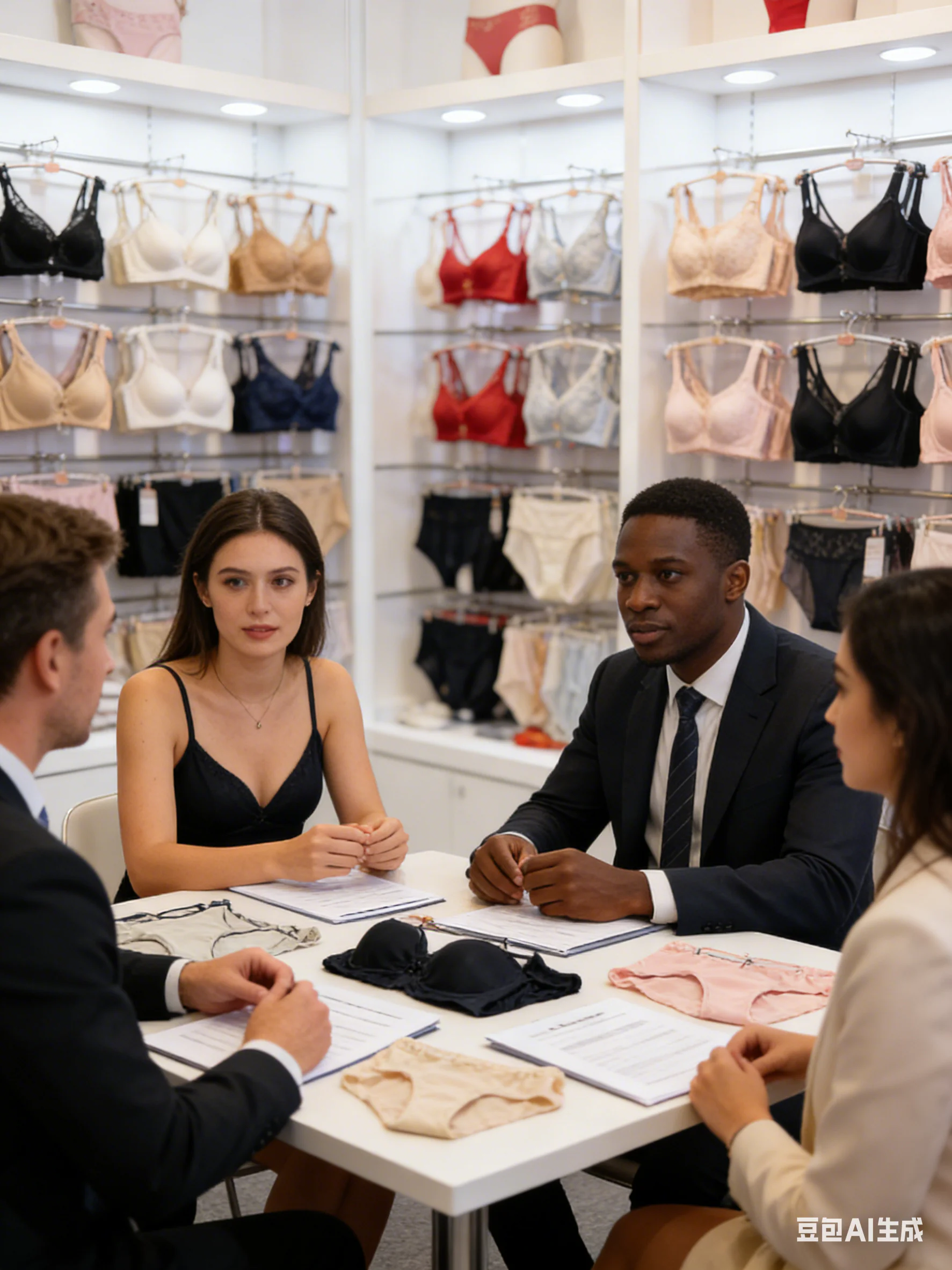
Major Manufacturing Hubs
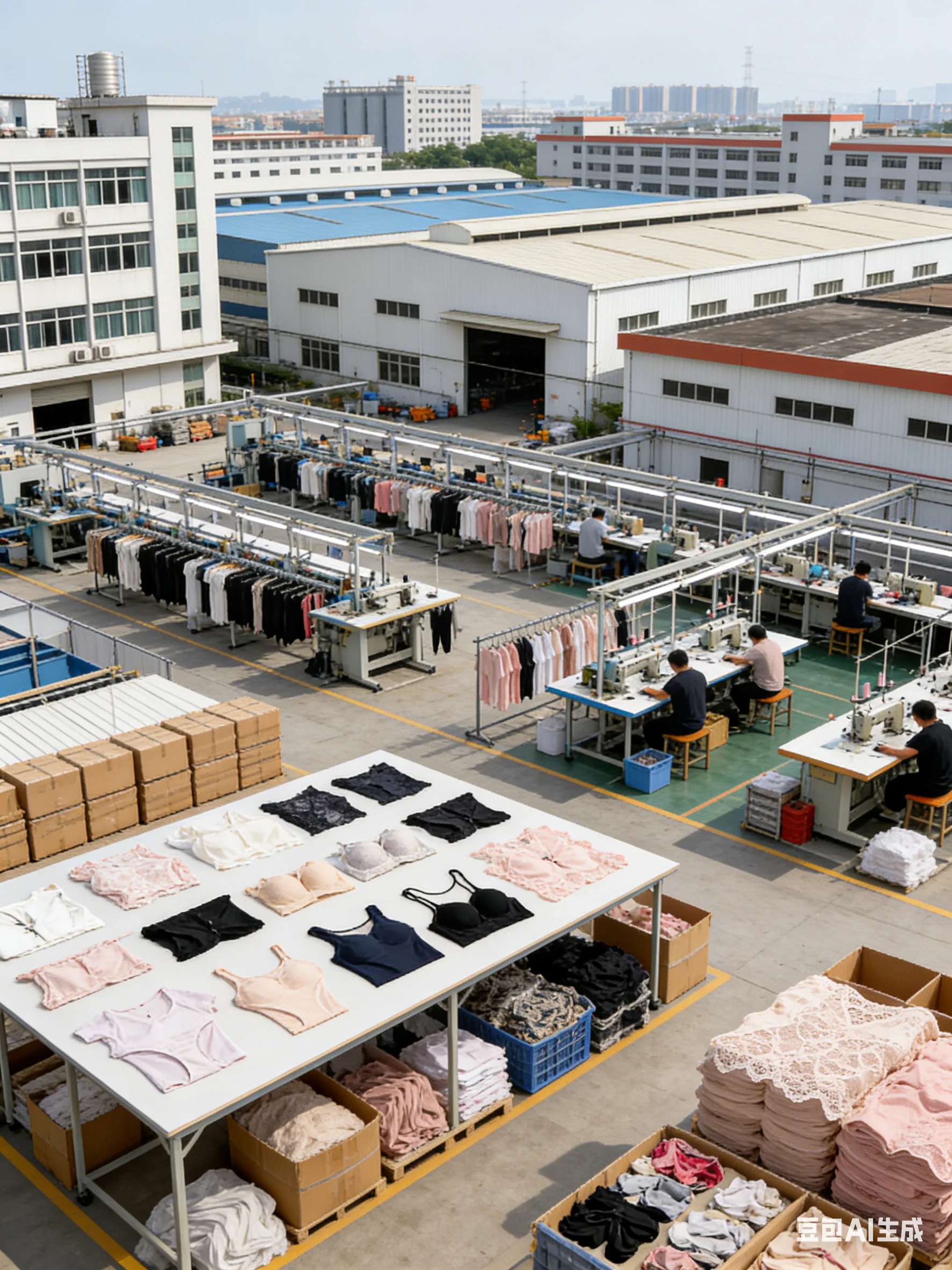
China’s underwear manufacturing is concentrated in three key hubs: Guangdong (Shenzhen, Dongguan) for high-quality OEM/ODM and seamless underwear; Zhejiang (Wenzhou, Hangzhou) for men’s underwear and cost-effective options; and Jiangsu (Suzhou) for women’s lingerie and lace products. Sourcing from these hubs gives you access to a dense network of suppliers and supporting industries (fabric, accessories).
Online B2B Marketplaces
Online platforms are the most convenient way to find suppliers for B2B buyers. Alibaba.com and Made-in-China.com host thousands of verified suppliers (look for “Gold Supplier” or “Verified Supplier” badges). Filter by product type, MOQ, certification, and production capacity, then message suppliers directly to inquire about their services and request quotes.
Trade Shows and Exhibitions
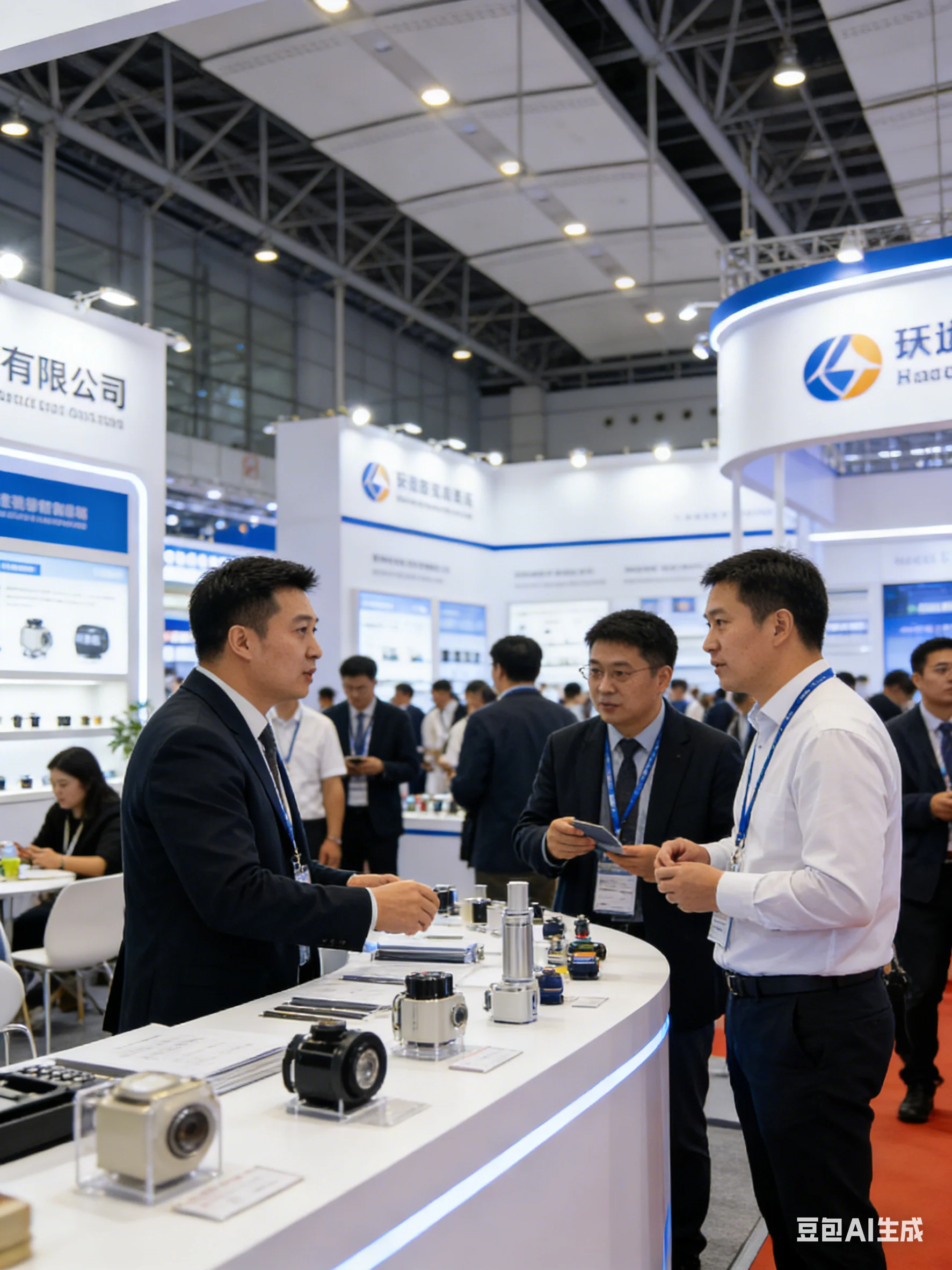
Trade shows offer face-to-face interaction with suppliers, allowing you to inspect samples, assess factory capabilities, and build trust. Key events include the Canton Fair (Guangzhou), China International Underwear Fair (Shanghai), and Shenzhen International Underwear Expo—all showcasing top manufacturers and latest industry trends.
Working With Sourcing Agents
If you’re new to China sourcing or short on time, a reputable sourcing agent can handle supplier research, negotiation, quality control, and logistics on your behalf. Agents have local expertise and established supplier networks, helping you avoid scams and ensure compliance—typically charging a 5–9% commission on the total order value.
Evaluating Suppliers
Once you have a list of potential suppliers, evaluate them thoroughly to ensure they can meet your B2B needs. Focus on reliability, quality, and alignment with your requirements.
Factory vs Trading Company
Factories offer lower prices (no middleman markup) and more control over production, but require higher MOQs. Trading companies provide flexibility (lower MOQs, one-stop service) and handle logistics, but charge higher prices. Choose based on your order volume: factories are best for large B2B orders, while trading companies suit small orders or mixed product lines.
Review Portfolio and Experience
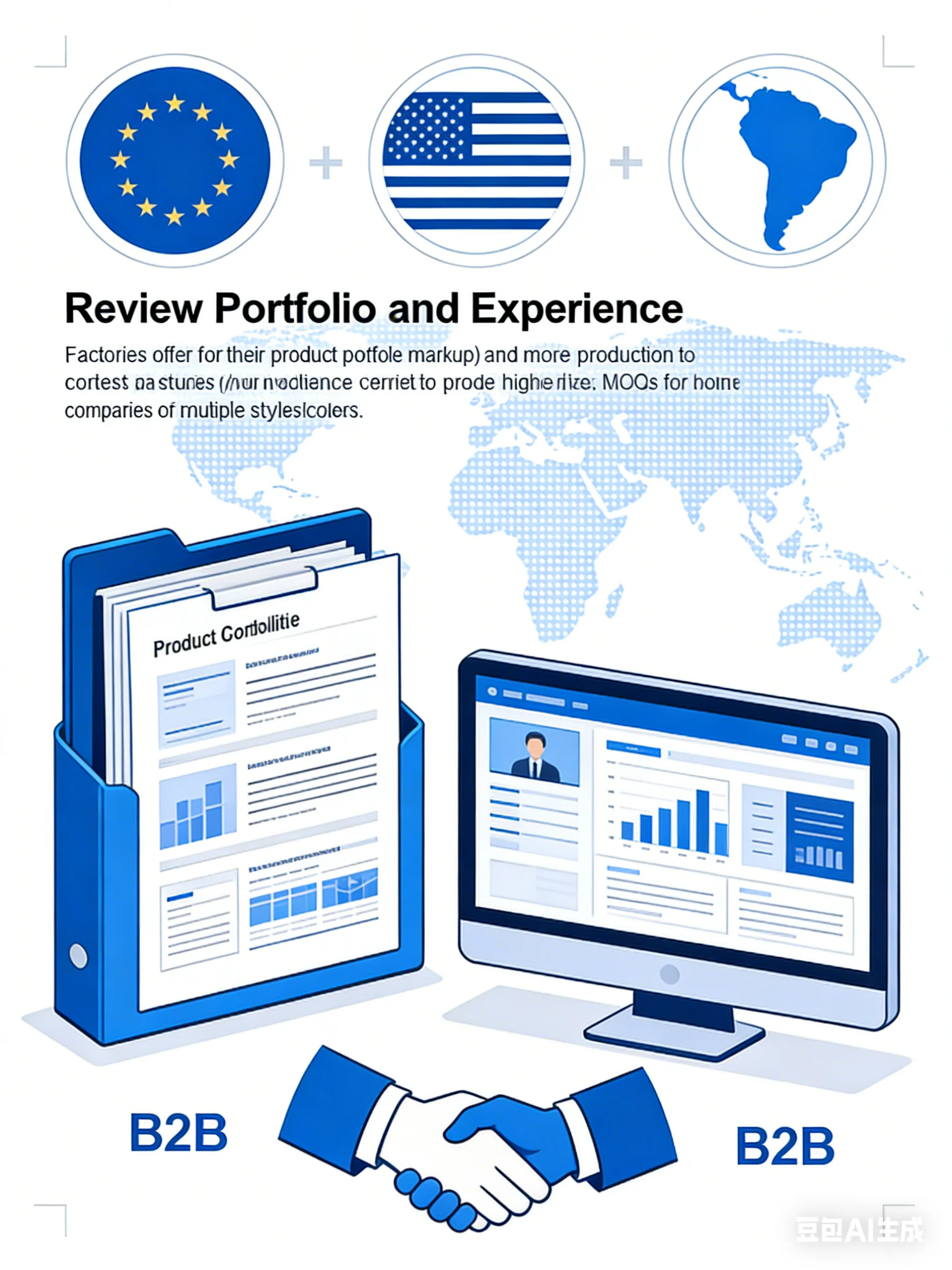
Ask suppliers for their product portfolio and case studies. Look for experience serving your target market (e.g., EU, US, South America) and similar B2B clients. A supplier with experience in your niche will better understand your requirements and compliance needs, reducing risks.
Check Production Capabilities and MOQ Flexibility
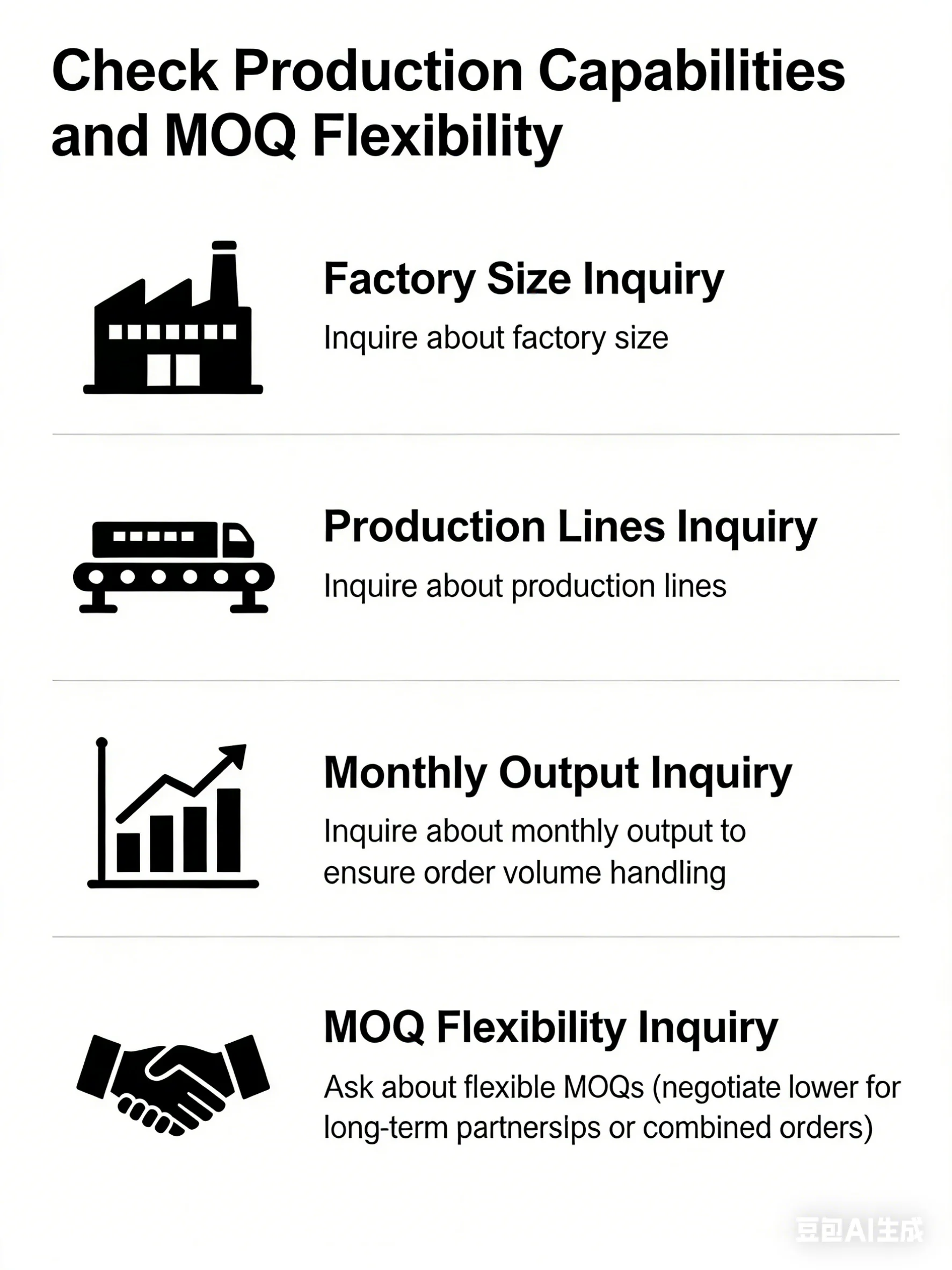
Inquire about the supplier’s factory size, production lines, and monthly output to ensure they can handle your order volume. Ask if they offer flexible MOQs—many suppliers will negotiate lower MOQs for long-term partnerships or combined orders (multiple styles/colors).
Verify Certifications and Compliance
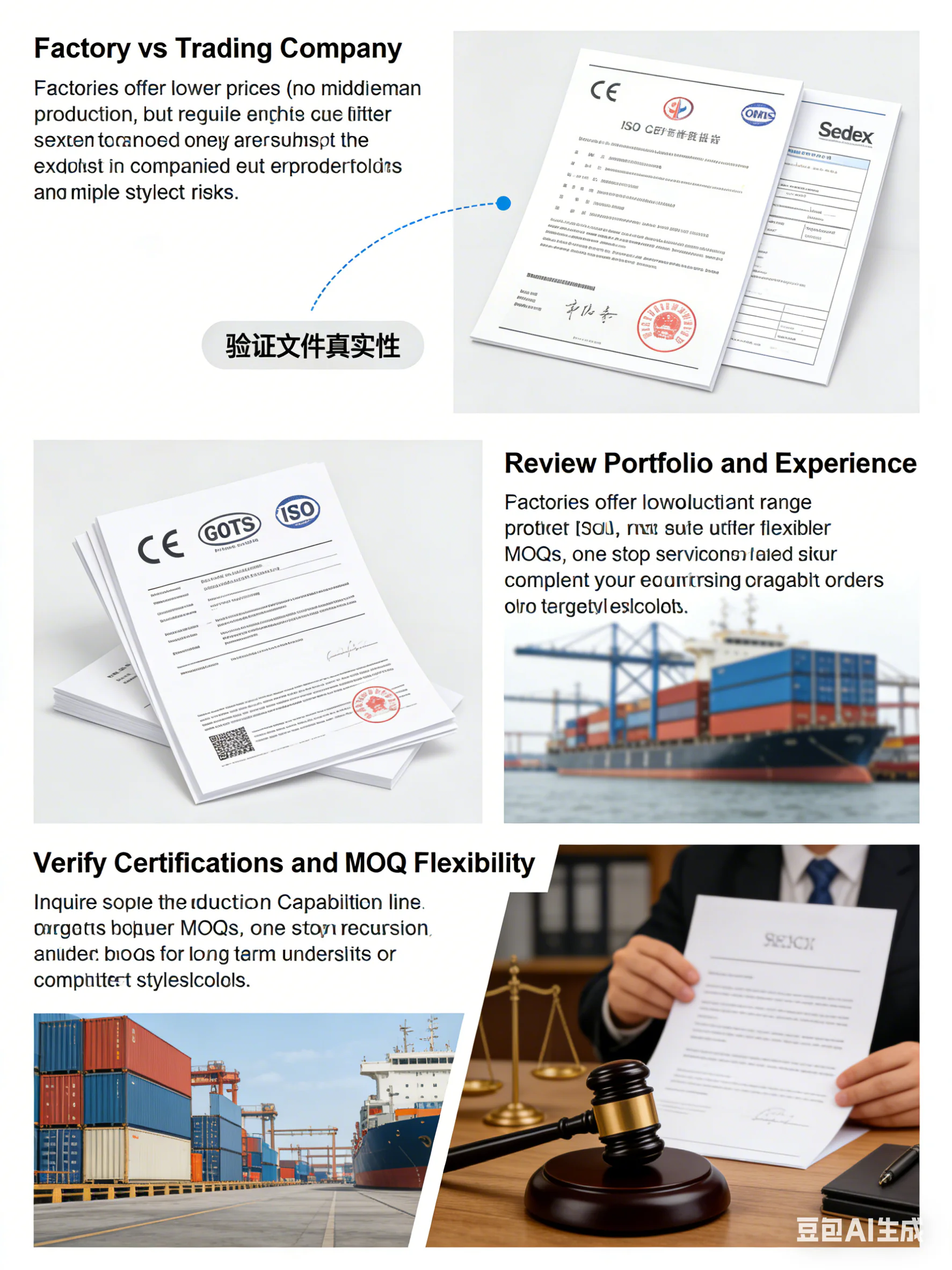
Request copies of relevant certifications (Oeko-Tex, GOTS, ISO) and factory audit reports (Sedex, BSCI). Verify these documents with the issuing bodies to avoid fake certifications. Non-compliant suppliers can lead to costly delays or legal issues in your target market.
Placing Your First Order
Once you’ve selected a supplier, follow these steps to place your first B2B order and ensure a smooth production process.
Requesting Samples and Design Confirmation
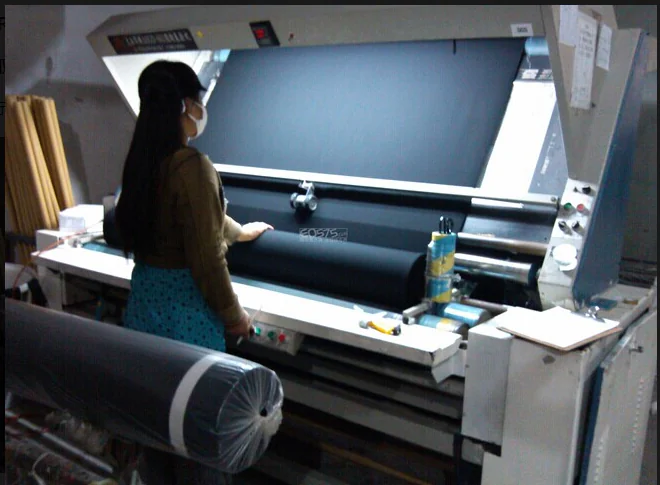
Always request pre-production samples before mass production. Most suppliers charge a sample fee ($20–$50 per sample), which is often refundable for large orders. Inspect samples for fabric quality, stitching, sizing, and custom details (logo, color). Provide clear feedback and request revised samples until they meet your standards, then sign and seal the approved sample as a reference.
Negotiating Terms and Lead Time
Negotiate key terms: pricing (use quotes from other suppliers as leverage), lead time (production + shipping), and penalties for delays. Aim for tiered pricing (lower per-unit costs for larger orders) and clarify production timelines—most suppliers take 30–45 days for mass production after sample approval.

Branding and Packaging Customization
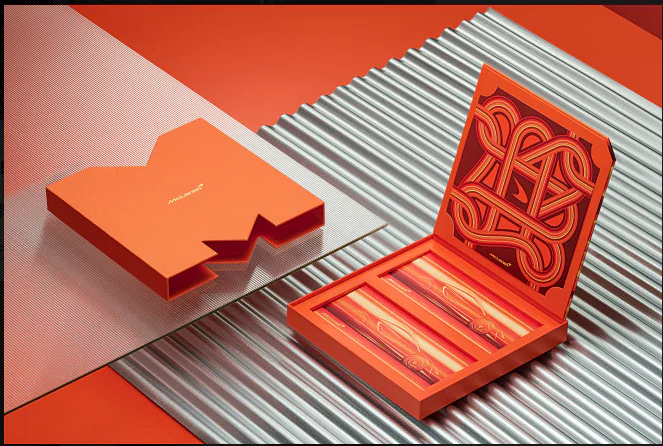
If you’re launching a private label, work with the supplier to customize branding and packaging: hangtags, labels, boxes, and plastic packaging. Provide your logo, brand colors, and packaging design specifications, and request a packaging sample to ensure it aligns with your brand image.
Payment Methods and Contracts
Choose a secure payment method for B2B orders: the most common is 30% deposit upon order confirmation, 70% balance before shipment (T/T). For large orders, use a Letter of Credit (L/C) for added security. Sign a formal contract outlining all terms (pricing, MOQ, payment, quality standards) and dispute resolution clauses to protect both parties.

Shipping, Logistics and After-Sales
Once production is complete, navigate shipping, customs, and after-sales support to ensure your order arrives safely and on time.
Export Options (FOB, CIF, DDP, FBA Prep)
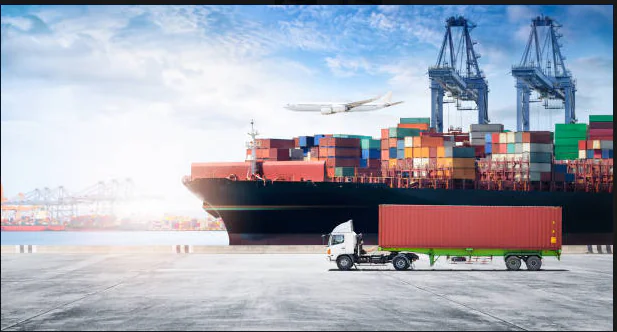
Choose the right export term for your needs: FOB (supplier delivers to port, you handle shipping/customs) is most common for B2B buyers; CIF (supplier arranges shipping and insurance); DDP (supplier handles all logistics to your door); FBA Prep (supplier prepares goods for Amazon FBA storage). Work with a freight forwarder to compare shipping costs and transit times.
Quality Checks Before Shipment
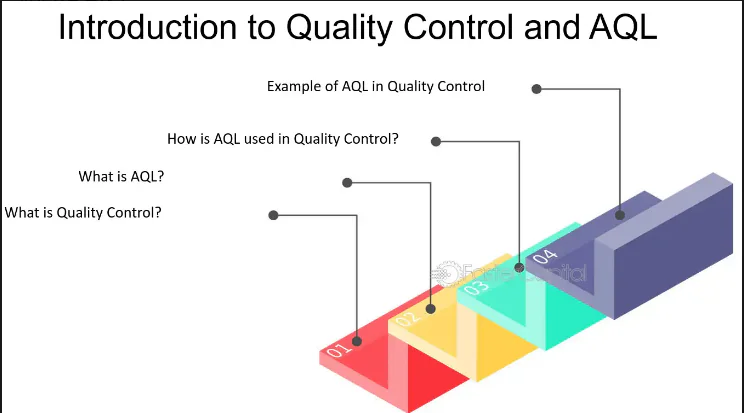
Conduct a Final Random Inspection (FRI) before shipment—hire a third-party QC company (SGS, Intertek) to inspect goods per AQL standards (Acceptable Quality Level). Check quantity, quality, packaging, labeling, and compliance. If defects are found, request rework or replacement before shipping to avoid costly returns.
Handling Returns and Production Issues
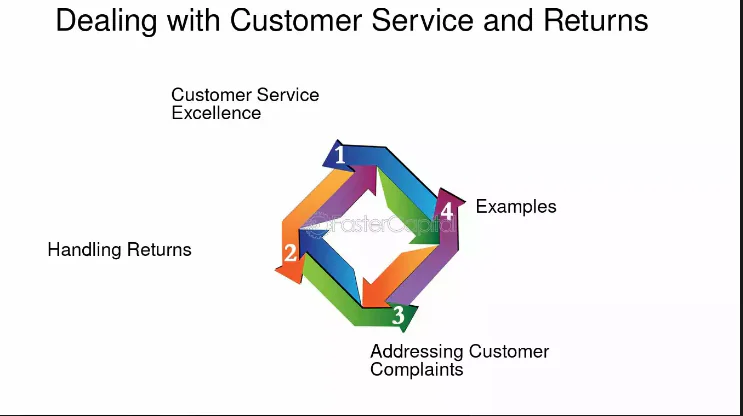
Clarify the supplier’s after-sales policy upfront. If you receive defective goods or incorrect orders, contact the supplier immediately with photos/videos as evidence. Most reliable suppliers will offer refunds, replacements, or discounts for their mistakes. For long-term partnerships, work together to resolve issues and prevent recurrence.
Tips for a Successful B2B Sourcing Experience
Follow these tips to maximize your chances of success and build long-term, mutually beneficial relationships with Chinese underwear suppliers.
Effective Communication with Suppliers
Be clear and detailed in all communications—avoid vague requirements. Use simple English (avoid idioms) and supplement with images, diagrams, or sample references. Communicate regularly (weekly updates) during production to stay informed and address issues promptly.

Building Long-Term Relationships
Chinese suppliers value loyalty—long-term partnerships lead to better pricing, lower MOQs, priority production slots, and better service. Pay on time, provide feedback, and inform suppliers of future order plans. Consider visiting their factory in person to strengthen trust.

Common Pitfalls and How to Avoid Them
Avoid these common mistakes: choosing the cheapest supplier without verifying quality/certifications; skipping sample approval; vague requirements leading to miscommunication; ignoring compliance standards; and not using third-party QC. Always verify supplier credentials, clarify terms in writing, and prioritize quality over price.
Conclusion
Sourcing underwear from China as a B2B buyer offers unparalleled advantages—cost competitiveness, customization, and a vast supplier network. By following this step-by-step guide, you’ll be able to clarify your needs, find reliable suppliers, navigate production and logistics, and build long-term partnerships. With proper preparation, effective communication, and a focus on quality and compliance, your B2B underwear sourcing journey in China will be efficient, profitable, and successful.

Cherry Hu is a lingerie purchasing manager with hands-on experience in underwear sourcing and factory coordination. She works closely with manufacturers to manage product development, fabric selection, fit standards, and cost control across different production stages.
Through her articles, Cherry shares real-world sourcing experience, common mistakes buyers should avoid, and practical tips for working with underwear suppliers. Her goal is to help brands and wholesalers make informed purchasing decisions and build long-term, reliable supply chains in the lingerie industry.