

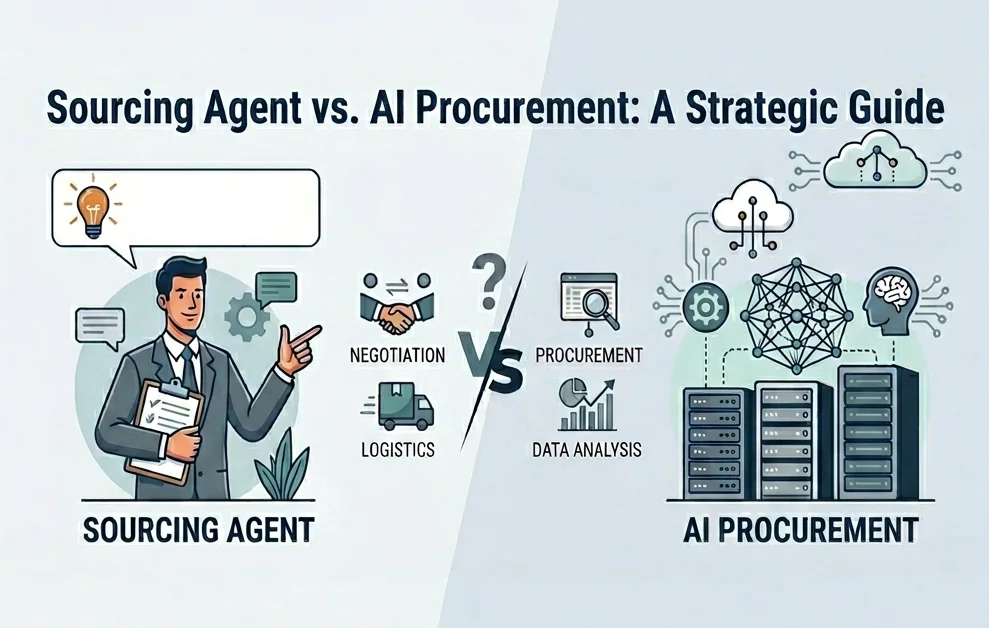
The global trade ecosystem of 2026 has transitioned from a period of experimental digitalization to one of total immersion in Generative AI.
In this landscape, the role of the traditional sourcing agent and the capabilities of advanced AI have collided, creating a dynamic where digital procurement transformation is no longer a luxury but a baseline requirement for survival. For businesses navigating the complexities of international trade, the central question has evolved.
We no longer ask if digital procurement will render the human expert obsolete; instead, we examine how the integration of a purchasing agent alongside AI-driven sourcing solutions creates a superior, hybridized safeguard for the modern supply chain.
The Strengths of AI in Procurement
| Operational Metric | Impact of AI Integration |
| Defect Reduction✅️ | Up to 50% reduction in product defects |
| Manual Task Time⌛️ | Up to 40% time saved on PO and contract review |
| Procurement Costs💰️ | 15% to 20% reduction in operational costs |
| On-Time Delivery📦️ | Up to 20% improvement in delivery performance |
| ROI (First Year)📊 | 25% to 30% Return on Investment |
Rapid Supplier Discovery and Direct Sourcing Solutions
AI excels at processing vast amounts of data, allowing procurement teams to scan catalogs, market trends, and historical purchasing data far faster than any human. Modern AI procurement portal software can interpret supplier listings and instantly recommend matches, creating efficient direct sourcing solutions that accelerate product discovery.
In practice: AI is transforming procurement by automating up to 60% of sourcing tasks. Industry-leading digital procurement platforms like SAP Ariba and Coupa now integrate AI to streamline automated RFQ processes and spend analysis. These tools allow businesses to discover suppliers 5x faster and optimize negotiation outcomes using real-time market data.
AI-Driven Supply Chain Optimization Solutions
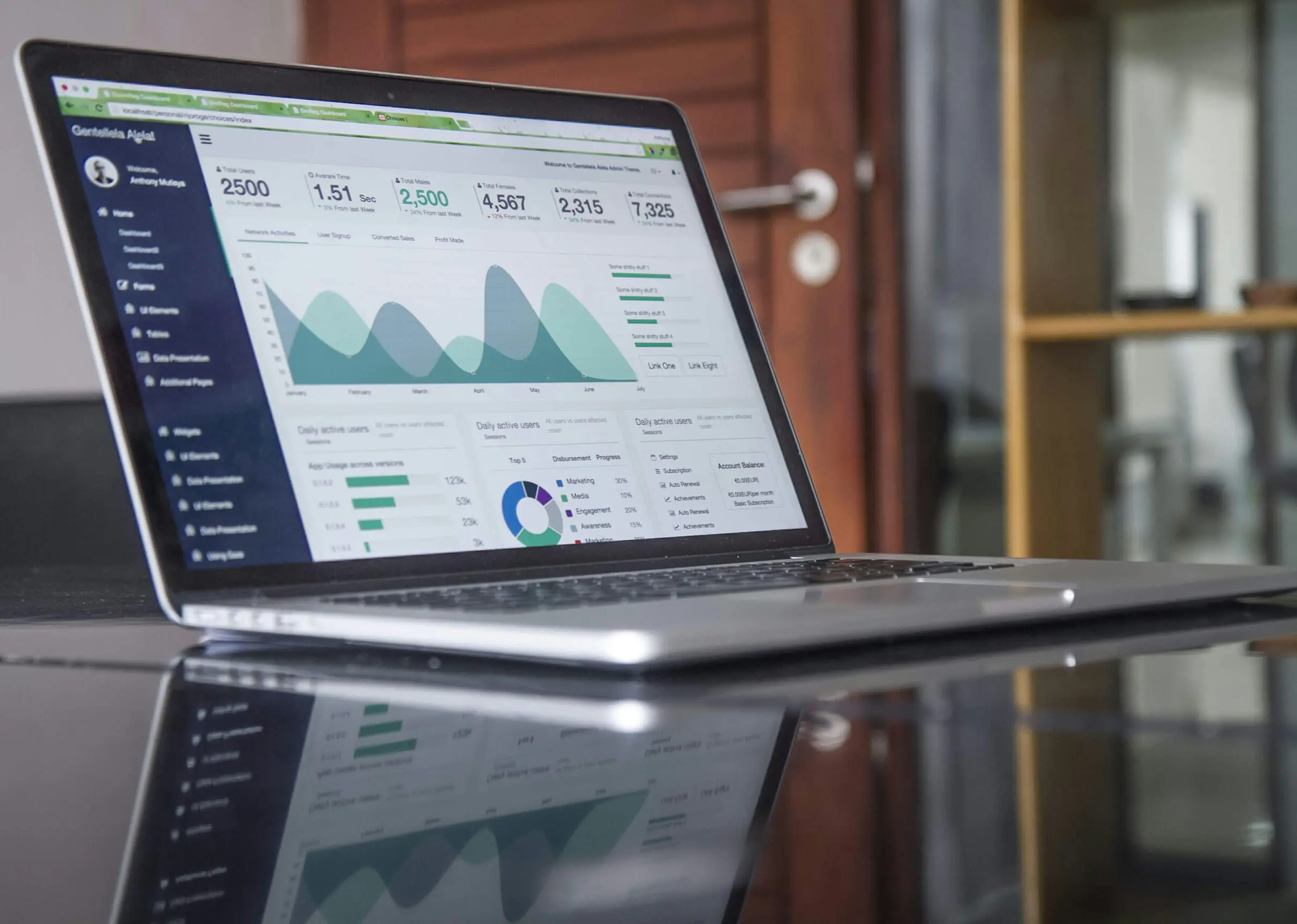
Beyond supplier search, AI delivers powerful supply chain solutions through predictive analytics and continuous monitoring. It analyzes demand signals and historical data to forecast inventory needs, potentially cutting inventory costs by 10–15% and improving planning accuracy.
Modern systems provide real-time supply chain visibility solutions, combining internal and external data to track performance and flag risks early—from shipping disruptions to market changes. AI can also monitor supplier stability, alerting teams to potential financial or compliance issues before they escalate.
Specialized AI procurement portal software—such as Kodiak Hub for supplier relationship management or Sievo for CO2 and spend tracking—identifies hidden patterns that support supply chain optimization solutions.
The “Blind Spots” of AI procurement portal software
The “Smell Test”: On-Site Verification
AI may flag a factory on a map, but it cannot verify real-world conditions. Its biggest limitation is the lack of physical oversight—it relies entirely on digital profiles and documentation.
Without this on-site “smell test,” AI remains vulnerable to deception. A sourcing agent physically present on the ground provides a critical safeguard that digital tools simply cannot replace.
Data Deception: Fake Certificates & Ghost Factories
Because AI sourcing tools rely entirely on data, they can be misled by fraud. Ghost factories and fake certificates are common in global trade, with suppliers posting fabricated documents or staged information online.
Without human oversight, AI may treat these vendors as legitimate. In contrast, a sourcing agent will verify credentials, request live checks, and cross-reference business records to ensure authenticity.
This hands-on vetting helps uncover hidden risks—such as unrealistic pricing or false claims—that AI alone may overlook, providing a critical layer of protection in supplier selection.
Detecting Nuanced Labor & Sub-Contracting Risks
AI procurement evaluates metrics like price but ignores “hidden” risks—such as unverified subcontractors or illegal labor—that are absent from public databases. These blind spots in digital procurement platforms can lead to severe compliance failures.
A sourcing agent provides the “smell test” during site visits, detecting subtle cues of forced labor or overworked facilities that algorithms miss. While data shows the “what,” human insight manages the “why” and makes the ethical trade-offs necessary for true supply chain risk management solutions.
| Fraud Mechanism | Magnitude/Impact | Human Mitigation Strategy |
| Vendor Phishing🎣 | Cost tech giants $120 million in losses | Multi-channel human confirmation |
| Phantom Vendors🕵️♀️ | 40% of fraud uses fraudulent physical docs | Rigorous background/registry checks |
| Deepfake Scams🎭️ | Baltimore lost $1.5M in a payment scheme | Established personal “safe-word” protocols |
| Material Substitution🧪 | Hidden behind routine approvals | Unannounced lab tests and physical QC |
Why Human Sourcing Agents are Irreplaceable
Complex Negotiation: Human Emotion vs. AI Logic
Negotiating with suppliers is a nuanced art that hinges on trust, relationships, and cultural understanding. AI algorithms can compare price quotes and terms, but they can’t “read the room” or build rapport.
Experienced sourcing agents know local business etiquette (the importance of relationship, appropriate gift-giving, nuanced language) that often determine success. Agents can advise clients on gift-giving protocols or the right tone for contract discussions, which are critical for building trust with suppliers.
In practice, agents interpret a supplier’s tone, adjust negotiation strategy on the fly, and salvage talks that might break down over miscommunication. This emotional intelligence enables better outcomes than raw data analysis alone. AI may handle the logical part, but human agents steer negotiations with empathy and context.

Purchasing Agent Duties: More Than Just Buying
A sourcing agent’s duties extend far beyond finding a price. They act as project managers and quality custodians. A professional agent manages every step of the procurement process to support your business growth, from vetting factories and negotiating prices to conducting quality-control checks and overseeing shipments. They bridge language gaps, handle paperwork, and even arrange logistics.
By coordinating suppliers, overseeing custom designs, and troubleshooting delays, agents serve as your eyes and ears. These hands-on services – advising on packaging design, handling branding queries, or resolving last-minute shipping issues – simply can’t be replicated by an AI script.
Strategic Sourcing Solutions: Translating Brand DNA into Product
When a brand seeks unique products (private label or custom designs), human strategy is vital. Agents translate a company’s brand values and product vision into reality. They work with R&D and design teams to create OEM/ODM solutions from scratch, supports full OEM customization – product design, material selection, colour, logo, and packaging, so clients can build recognized brands.
This level of creative collaboration – aligning a supplier’s capabilities with a client’s brand DNA – demands human insight. A sourcing agent identifies the right factories for custom projects and guides product development through every iteration. AI tools may help analyze market trends or suggest designs, but the final creative and strategic decisions rely on human experts who understand both the market and the brand story.
Supply Chain Risk Management Solutions: Digital vs. Physical
Digital Visibility vs. Physical Accountability
Digital procurement platforms and AI tools excel at creating supply chain visibility solutions: they track shipments in real time, monitor KPIs, and surface issues.
Modern systems give procurement teams dashboards of late orders or quality metrics. AI provides real-time visibility into supplier risks and market changes, allowing teams to act before disruptions spread.
However, visibility alone isn’t enough. When an issue arises – say a factory dispute or a customs holdup – an experienced agent can physically intervene. They pick up the phone to negotiate with the supplier, arrange alternate sourcing, or accelerate a rushed shipment.
In contrast, AI might only flag the problem in a dashboard. The combination of AI’s alerting and the agent’s on-the-ground follow-up is what ensures resilience. In other words, digital tools can tell you what is late; a human agent figures out why and fixes it.
Crisis Management: Human Networks vs. Algorithmic Automation
AI can detect patterns and predict risks, but in a fast-moving crisis, human networks win. Take geopolitical shocks or sudden factory shutdowns: AI models may crumble without historical data on the exact scenario.
A veteran sourcing agent, however, has lived through previous crises (COVID lockdowns, tariff changes, raw material shortages) and knows which local partners to call. Leaders who blend AI and people find that their teams can mitigate risks, ensure supply continuity, and make informed sourcing decisions even under duress. On the other hand, companies relying solely on automated rules risk rigid responses.
Put simply, the ultimate supply chain solution is a hybrid: let AI optimize routine operations, but trust humans to navigate the unexpected.
How to Select a Modern Sourcing Company
In 2026, the ideal partner is a “hybrid expert”—a firm that harnesses a digital procurement platform to enhance, not replace, human field knowledge.
When evaluating supply chain solutions providers, look for those who use AI to track price fluctuations but still personally handle vendor meetings and customs clearance. The goal is to find a team that speaks both the “tech language” (offering live tracking and online catalogs) and the “local language” of the factory floor.
The China Advantage: A professional sourcing agent in China provides a unique edge by navigating complex local regulations and securing government export incentives. By consolidating shipments and optimizing logistics, these experts can often reduce total procurement expenses by up to 20%—a feat raw AI tools cannot achieve alone.
The most effective retail industry supply chain solutions are those that turn supply chain complexity into a competitive advantage.
For instance, Union Source exemplifies this modern approach by integrating big-data product recommendations and ultra-fast digital RFQs with veteran on-the-ground factory audits. This ensures clients benefit from a high-speed digital procurement strategy without sacrificing the 24/7 dedicated human support needed for strategic sourcing and risk management.
In short, the ideal partner uses AI to scale up supply chain optimization solutions, but still puts people on the ground for strategic sourcing, risk management, and human-to-human negotiation.
Conclusion
In the age of digital procurement transformation, AI is undeniably the engine: it accelerates searches, analyzes spend, and spotlights trends. But human expertise remains the driver and navigator.
A purchasing agent provides context, relationships, and judgment that algorithms lack. As industry leaders affirm, the future belongs to organizations that “pair AI agents with humans providing judgment and understanding”. Digital tools can optimize what you do, but people still decide why and how to do it.
For success in 2026 and beyond, companies need diversified sourcing solutions – combining cutting-edge generative AI procurement platforms with the seasoned touch of real sourcing professionals.
In practice, that means embracing strategic sourcing solutions while retaining one-on-one human oversight. After all, an AI might point out a problem, but it’s the sourcing agent who gets the job done right – ensuring on-time delivery, upholding quality, and safeguarding your brand in a complex global supply chain.

Ivy is a Sourcing Specialist at Unionsource. She shares hands-on experience in supplier selection, quality control, and market trends to help global wholesalers make informed decisions. Her goal is to simplify the sourcing process and help brands build efficient supply chains in the industry.