

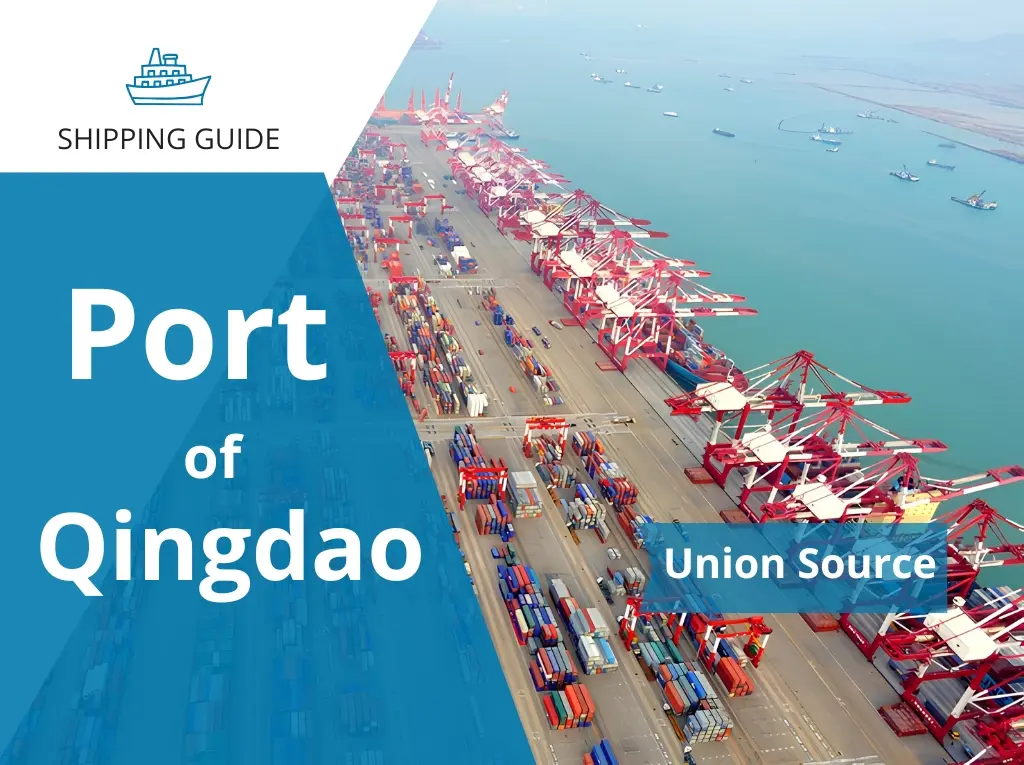
For importers, wholesalers, and businesses sourcing products from northern China, choosing the right shipping port can directly affect your logistics costs, delivery times, and overall supply chain efficiency. The Port of Qingdao has become a key export gateway for manufacturers across Shandong and nearby regions, offering reliable connections to global markets.
Whether you are importing machinery, home goods, industrial products, or consumer items, understanding how Qingdao Port works can help you make better shipping decisions and avoid common logistics challenges. In this guide, we will explore everything you need to know about the Port of Qingdao, from its main terminals and exported products to shipping advantages and practical tips for first-time importers.
What Is the Port of Qingdao?
The Port of Qingdao is one of China’s largest and busiest deep-water seaports, located on the southern coast of the Shandong Peninsula along the Yellow Sea. As a major gateway for northern China, it plays a vital role in global trade by connecting Chinese manufacturers with more than 700 ports in over 180 countries and regions.
With a history dating back more than a century, Qingdao has evolved into a world-class port equipped with advanced container terminals, automated handling systems, and efficient customs procedures. Today, it handles hundreds of millions of tons of cargo annually, making it one of the world’s leading ports for container, bulk, and energy shipments.
For international buyers, the Port of Qingdao is particularly valuable because it serves one of China’s strongest manufacturing regions. Factories throughout Shandong Province, as well as parts of Hebei, Henan, Shanxi, Jiangsu, and Inner Mongolia, rely on Qingdao as their primary export gateway. This extensive hinterland means importers can source a wide variety of products while benefiting from shorter inland transportation distances and competitive shipping costs.
Main Terminals at the Port of Qingdao
The Port of Qingdao is made up of several specialized port areas, each designed to handle different types of cargo. This division allows the port to process large shipment volumes efficiently while minimizing congestion. For importers, understanding which terminal your cargo uses can help you estimate handling times and choose the most suitable shipping solution.
Qingdao Qianwan Container Terminal (QQCT)
The Qingdao Qianwan Container Terminal (QQCT) is the port’s primary container-handling facility and one of the busiest container terminals in China. It features deep-water berths capable of accommodating the world’s largest container vessels, making it a key hub for long-haul international shipping.
QQCT is equipped with advanced automation technology, including automated cranes and intelligent yard management systems. These technologies improve loading efficiency, reduce turnaround time, and help maintain reliable shipping schedules.
This terminal mainly handles:
- Full Container Load (FCL) shipments
- Less than Container Load (LCL) cargo
- Export and import containers
- Amazon FBA shipments
- General consumer goods and industrial products
Qianwan Port Area
Located adjacent to QQCT, the Qianwan Port Area serves as a comprehensive logistics hub that supports container operations and various types of general cargo.
It has direct connections to China’s highway and railway networks, allowing goods from inland manufacturing regions to reach the port quickly and efficiently. Many freight forwarders use this area for cargo consolidation before export.
Common cargo includes:
- Machinery
- Home products
- Building materials
- Electronics
- Industrial equipment
- Consumer goods
Dongjiakou Port Area
The Dongjiakou Port Area is one of Qingdao’s newest deep-water developments. It specializes in handling bulk commodities and heavy industrial cargo while also supporting the region’s growing energy and manufacturing sectors.
Thanks to its naturally deep harbor, Dongjiakou can accommodate some of the world’s largest bulk carriers.
Typical cargo includes:
- Iron ore
- Coal
- Crude oil
- Grain
- Chemical products
- Large project cargo
For businesses importing raw materials or oversized equipment, Dongjiakou provides excellent handling capacity and modern storage facilities.
Dagang Port Area
The Dagang Port Area is the oldest section of the Port of Qingdao. Although its role in container shipping has gradually shifted to newer terminals, it continues to support regional trade through general cargo, passenger transport, and cruise operations.
Today, Dagang mainly handles:
- Domestic cargo
- Breakbulk shipments
- Passenger ferries
- Cruise vessels
- Coastal shipping services
Huangdao Port Area
The Huangdao Port Area focuses on liquid bulk cargo, energy products, and specialized industrial shipments. It plays an important role in China’s energy supply chain with dedicated facilities for safe and efficient handling.
Major cargo types include:
- Petroleum
- Liquefied chemicals
- Refined oil products
- Liquid bulk cargo
- Energy-related imports and exports
What Products Are Commonly Exported Through Qingdao Port?
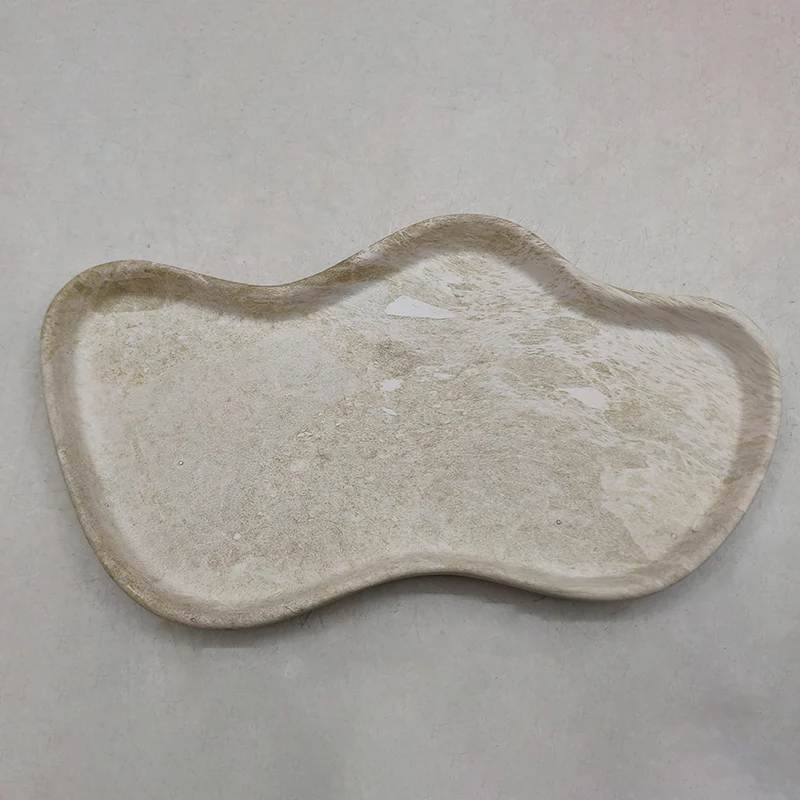
The Port of Qingdao serves one of China’s most important manufacturing and agricultural regions, making it a major export hub for a wide variety of products. Factories in Shandong Province and neighboring provinces rely on Qingdao’s efficient logistics network to ship goods to North America, Europe, the Middle East, Southeast Asia, and other global markets.
If you’re sourcing products from northern China, chances are your shipment will pass through Qingdao Port.
Machinery and Industrial Equipment
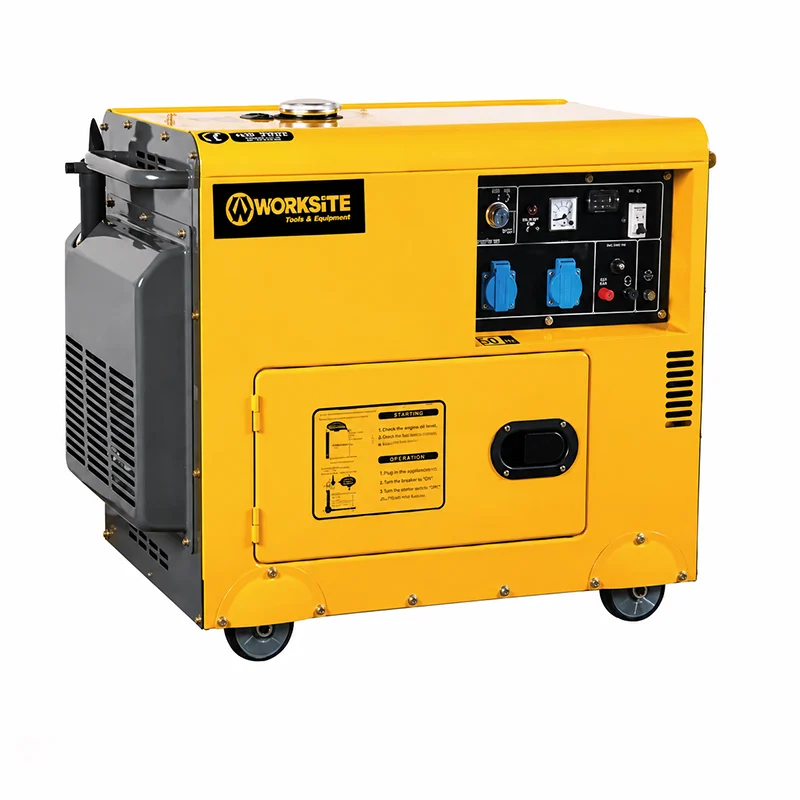
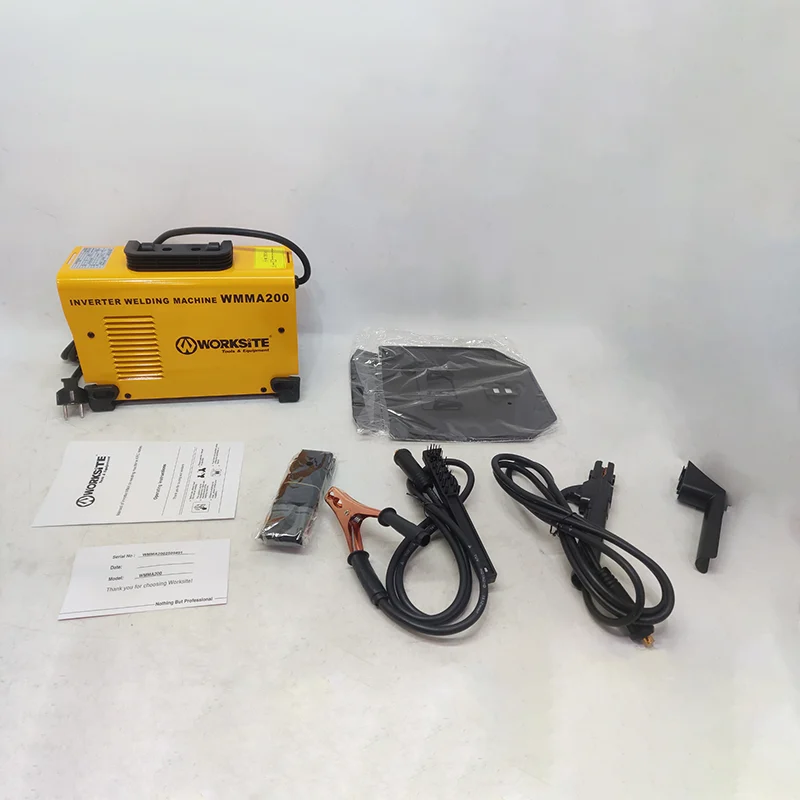
Northern China is well known for its strong manufacturing sector, and machinery is one of the largest export categories moving through the Port of Qingdao.
Common exports include:
- Construction machinery
- Agricultural equipment
- CNC machines
- Mining equipment
- Pumps and valves
- Industrial compressors
- Manufacturing equipment
These products are typically shipped in full container loads (FCL), while oversized machinery may require flat-rack containers or breakbulk shipping.
Tires and Auto Parts
Shandong Province is one of China’s leading producers of tires and automotive components, making Qingdao an important export gateway for the automotive industry.
Popular exports include:
- Passenger vehicle tires
- Truck and bus tires
- Off-road (OTR) tires
- Alloy wheels
- Brake components
- Suspension parts
- Engine accessories
Many international wholesalers and distributors source these products through Qingdao because of the region’s mature supply chain and competitive manufacturing costs.
Furniture and Home Products
Furniture manufacturers across northern China frequently ship through Qingdao Port due to its reliable container services and extensive international routes.
Common products include:
- Wooden furniture
- Metal furniture
- Office furniture
- Kitchen cabinets
- Storage shelves
- Home décor
- Lighting fixtures
These goods are often consolidated into FCL or LCL shipments, depending on order volume.
Building Materials
The region surrounding Qingdao is home to numerous manufacturers of construction materials for residential, commercial, and infrastructure projects.
Major exports include:
- Glass products
- Ceramic tiles
- Stone materials
- Steel structures
- Aluminum profiles
- Doors and windows
- Plumbing supplies
Because many of these items are heavy, importers often choose FCL shipping to maximize container space and reduce transportation costs.
Agricultural Products and Food
As one of China’s largest agricultural provinces, Shandong exports a significant volume of food products through Qingdao Port.
Popular exports include:
- Garlic
- Peanuts
- Apples
- Frozen vegetables
- Seafood
- Grain
- Animal feed
Many of these products are transported in refrigerated (reefer) containers to maintain freshness during international transit.
Chemicals and Raw Materials
The Port of Qingdao also supports the export of industrial chemicals and raw materials through its specialized bulk and liquid cargo terminals.
Typical shipments include:
- Industrial chemicals
- Plastic resins
- Rubber materials
- Fertilizers
- Chemical additives
- Petrochemical products
These exports are handled under strict safety standards to ensure compliance with international shipping regulations.
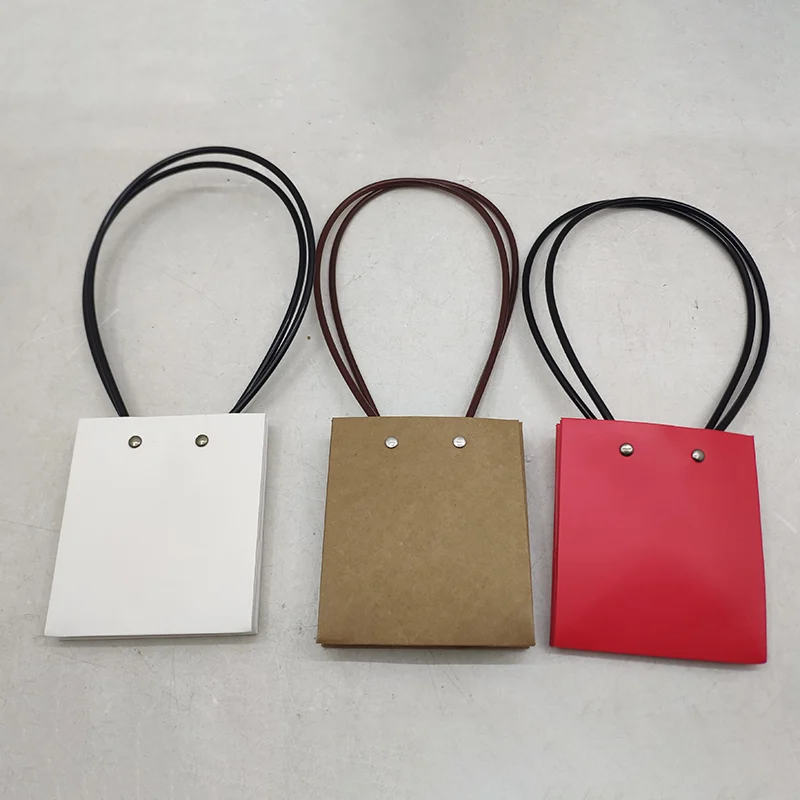
Textiles and Consumer Goods
Although southern China is traditionally associated with textile manufacturing, northern China also exports a broad range of consumer products through Qingdao.
These include:
- Apparel
- Footwear
- Bags
- Household textiles
- Promotional products
- Seasonal decorations
- Daily-use consumer goods
Many e-commerce sellers and retailers choose Qingdao Port for these shipments because of its stable sailing schedules and global shipping connections.
Advantages of Shipping from the Port of Qingdao
Choosing the right departure port can have a significant impact on your shipping costs, delivery times, and overall supply chain performance. For businesses sourcing products from northern China, the Port of Qingdao offers several advantages that make it one of the country’s most reliable export gateways.
Strategic Location Near Major Manufacturing Hubs
One of Qingdao Port’s greatest strengths is its location in Shandong Province, one of China’s largest manufacturing regions. It also provides convenient access to factories in nearby provinces such as Hebei, Henan, Shanxi, Jiangsu, and Inner Mongolia.
This strategic location helps reduce inland transportation distances for many exporters, which can lower trucking costs and shorten the time it takes for goods to reach the port.
For importers, this often means:
- Lower domestic logistics costs
- Faster factory-to-port transportation
- Reduced risk of shipping delays
- More competitive overall sourcing costs
Extensive Global Shipping Network
The Port of Qingdao has established direct shipping connections with major ports around the world. International carriers operate frequent services to key markets, giving importers greater flexibility when planning shipments.
Major destinations include:
- United States
- Canada
- Germany
- Netherlands
- United Kingdom
- Australia
- Japan
- South Korea
- Singapore
- United Arab Emirates
With regular sailings throughout the week, businesses can often secure container space more easily than at smaller regional ports.
Modern Port Infrastructure
Qingdao has invested heavily in modernizing its port facilities. Automated container terminals, advanced cargo handling equipment, and digital logistics systems help improve operational efficiency while reducing vessel turnaround times.
These investments provide several benefits:
- Faster container loading and unloading
- Improved cargo tracking
- Higher handling accuracy
- More reliable shipping schedules
- Increased capacity during peak seasons
Modern infrastructure also allows the port to accommodate some of the world’s largest container vessels, supporting efficient long-distance shipping.
Comprehensive Cargo Handling Capabilities
Unlike ports that focus mainly on containerized cargo, the Port of Qingdao can handle a wide range of shipment types.
Available shipping solutions include:
- Full Container Load (FCL)
- Less than Container Load (LCL)
- Breakbulk cargo
- Roll-on/Roll-off (Ro-Ro)
- Bulk commodities
- Refrigerated (reefer) containers
- Oversized and project cargo
This versatility makes Qingdao suitable for businesses across many industries, from consumer goods and furniture to heavy machinery and agricultural products.
Efficient Multimodal Transportation
The Port of Qingdao is supported by an extensive transportation network that connects factories throughout northern China.
Goods can reach the port through:
- National expressways
- High-speed rail freight
- Conventional rail networks
- Inland trucking routes
- Inland container depots
These multimodal connections improve logistics efficiency and provide greater flexibility when moving cargo from inland production centers to the port.
Competitive Shipping Costs
For companies sourcing products from northern China, shipping through Qingdao can often be more economical than transporting cargo to ports farther south.
Potential cost advantages include:
- Lower inland trucking expenses
- Reduced domestic handling fees
- Competitive ocean freight rates
- Efficient container consolidation
- Lower overall logistics costs for northern suppliers
While international freight rates vary depending on market conditions, choosing the nearest suitable export port is often one of the easiest ways to optimize shipping expenses.
Reliable Customs and Export Services
Qingdao Port has well-established customs procedures and extensive experience handling international trade. Combined with modern digital declaration systems, this helps streamline export processing and reduce unnecessary delays.
Experienced freight forwarders and customs brokers operating at the port can also assist with:
- Export documentation
- Customs declarations
- Cargo inspections
- Certificate preparation
- Shipping compliance
Proper preparation of shipping documents can significantly improve clearance efficiency and help avoid costly disruptions.
Ideal for Product Consolidation
Many importers purchase goods from multiple suppliers before shipping them overseas. Qingdao’s developed logistics network makes it an excellent location for cargo consolidation, allowing shipments from different factories to be combined into a single container.
This approach offers several benefits:
- Lower shipping costs per unit
- Better container utilization
- Simplified customs procedures
- Fewer international shipments to manage
- Reduced overall logistics complexity
For small and medium-sized businesses, consolidation is often an effective way to save on freight while maintaining a steady supply chain.
Tips for First-Time Importers Using Qingdao Port
Importing through the Port of Qingdao is straightforward when you plan ahead. These simple tips can help you reduce costs, avoid delays, and ensure a smoother shipping experience.
Choose Suppliers Near Qingdao
Working with suppliers in Shandong Province or nearby regions can reduce inland transportation costs and shorten delivery times. Always confirm which port your supplier normally uses before placing an order.
Select the Right Shipping Method
Choose FCL for large orders and LCL for smaller shipments. If speed is more important than cost, consider air freight for urgent deliveries.
Book Your Shipment Early
Reserve container space as early as possible, especially during peak shipping seasons. Early booking gives you more schedule options and may help secure better freight rates.
Verify Shipping Documents
Check that your commercial invoice, packing list, and bill of lading are accurate before shipment. Correct documentation helps prevent customs delays and unexpected charges.
Inspect Goods Before Shipping
Arrange a pre-shipment inspection to verify product quality, quantity, and packaging. Identifying issues before export is much easier than resolving them after the goods arrive.
Consolidate Orders When Possible
If you’re buying from multiple suppliers, consolidating your cargo into one container can reduce shipping costs and simplify logistics. Many sourcing companies offer this service.
Work with a Reliable Logistics Partner
An experienced freight forwarder or sourcing agent can handle shipping arrangements, customs documentation, and cargo coordination, making the import process much easier—especially for first-time buyers.
Frequently Asked Questions
Is the Port of Qingdao one of the largest ports in China?
Yes. The Port of Qingdao is one of China’s busiest and most important seaports, handling millions of containers each year. It serves as a major gateway for exports from northern China to markets around the world.
Which countries can I ship to from Qingdao Port?
The Port of Qingdao offers regular shipping services to destinations across North America, Europe, Southeast Asia, the Middle East, Australia, Africa, and many other regions through its extensive network of international shipping routes.
Should I choose Qingdao, Shanghai, or Ningbo Port?
It depends on where your suppliers are located. If your products are manufactured in Shandong Province or nearby areas, Qingdao is often the most efficient and cost-effective option due to shorter inland transportation distances.
Can I consolidate products from multiple suppliers before shipping?
Yes. Many importers consolidate goods from different factories into a single container before export. This helps reduce shipping costs, improve container utilization, and simplify logistics management.
What shipping methods are available at Qingdao Port?
Qingdao Port supports a variety of shipping options, including FCL (Full Container Load), LCL (Less than Container Load), breakbulk cargo, refrigerated containers, Ro-Ro shipping, and oversized project cargo.
Need Help Shipping from the Port of Qingdao?
Shipping from China involves much more than booking a container. Finding reliable suppliers, coordinating production, inspecting products, consolidating cargo, and managing export documents all require time and experience.
At Union Source, we provide a complete sourcing and shipping solution to help international buyers import from China with confidence. Whether you’re purchasing from one supplier or coordinating shipments from multiple factories, our experienced team manages every step of the process.

Zack, Marketing Manager at Union Source, brings years of experience in global sourcing and market strategy. Zack focuses on analyzing market trends and sharing practical insights that help international buyers and business partners stay ahead in the fast-changing world of wholesale trade.