




In recent years, the global demand for natural fabric underwear has surged, driven by increasing consumer awareness of comfort, skin health, and environmental sustainability. For B2B buyers seeking high-quality, market-competitive underwear products, China’s mature manufacturing ecosystem for natural fabric underwear offers abundant opportunities. This guide comprehensively covers the core aspects of natural fabric underwear, including the reasons for choosing it, common fabric types, fabric selection for different product categories, manufacturing dynamics in China, relevant certifications, and sourcing tips, providing valuable insights for B2B procurement decisions.
Why Choose Natural Fabric Underwear?
Benefits for Comfort and Skin Health
Natural fabrics are inherently superior in terms of comfort and skin-friendliness, which is a key factor driving their popularity in the underwear market. Unlike synthetic fabrics such as polyester or nylon, natural fibers have excellent breathability, allowing air circulation to keep the skin dry and reducing the risk of moisture buildup. This breathability is particularly crucial for underwear, as it minimizes discomfort caused by sweat retention and helps maintain a healthy skin microclimate. Additionally, natural fabrics are typically hypoallergenic, making them suitable for consumers with sensitive skin. They contain fewer chemical additives, reducing the likelihood of skin irritation, redness, or allergic reactions—an important consideration for B2B buyers targeting health-conscious consumer segments.
Sustainability and Eco-Friendly Advantages
With the global push for sustainability, natural fabric underwear has become a staple in eco-friendly product lines. Most natural fabrics are biodegradable, meaning they break down naturally over time without causing long-term environmental pollution, unlike synthetic fabrics that persist in landfills for centuries. Moreover, the production of many natural fabrics, such as organic cotton or bamboo fiber, involves fewer harmful chemicals compared to synthetic fiber production. For example, organic cotton cultivation avoids the use of synthetic pesticides and fertilizers, reducing soil and water contamination. This eco-friendly attribute not only aligns with global environmental goals but also meets the growing demand from consumers and retailers for sustainable products, making natural fabric underwear a lucrative option for B2B buyers looking to enhance their brand’s sustainability profile.
B2B Market Demand for Natural Fabric Products
The B2B market for natural fabric underwear has witnessed robust growth in recent years, fueled by shifting consumer preferences and increased retailer focus on sustainable and healthy products. Major retailers, department stores, and online e-commerce platforms across North America, Europe, and Asia are actively expanding their natural fabric underwear offerings, creating strong demand for reliable suppliers. According to industry reports, the global natural fiber underwear market is projected to grow at a CAGR of over 6% from 2024 to 2030, with Europe and North America being the key demand drivers. B2B buyers who prioritize natural fabrics can tap into this growing market, differentiate their product portfolios, and gain a competitive edge over rivals offering synthetic alternatives. Additionally, the premium positioning of natural fabric underwear allows for higher profit margins, further enhancing its appeal for B2B procurement.
Common Natural Fabrics Used in Underwear
Cotton
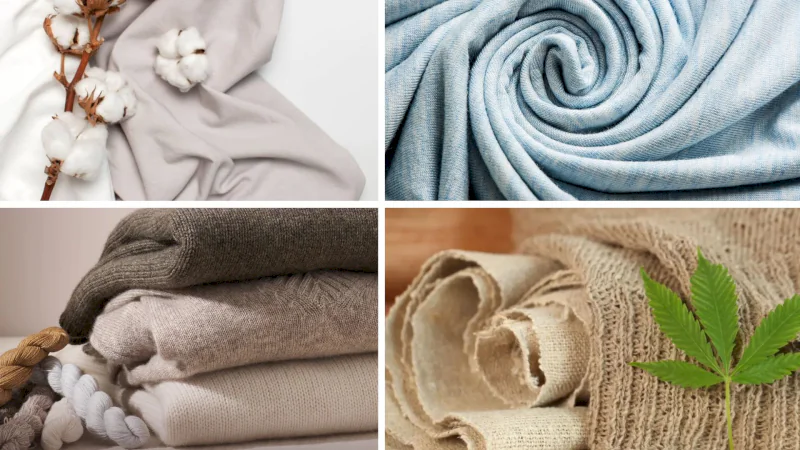
Cotton is the most widely used natural fabric in underwear production, thanks to its exceptional breathability, softness, and versatility. There are several key varieties of cotton used in underwear manufacturing, including organic cotton, Pima cotton, and Egyptian cotton. Organic cotton, grown without synthetic pesticides or fertilizers, is highly sought after for eco-friendly product lines. Pima and Egyptian cotton, known for their long fibers, offer superior softness, durability, and luster, making them ideal for premium underwear products. Cotton’s breathability ensures optimal air circulation, keeping the skin dry and comfortable throughout the day. Its moisture-wicking properties help absorb sweat, further enhancing comfort. Additionally, cotton is easy to dye and print, allowing for a wide range of design possibilities. The main advantages of cotton underwear include its skin-friendliness, durability, and wide consumer acceptance, making it a staple for both everyday and premium underwear lines.
Modal
Modal is a semi-synthetic natural fabric made from the pulp of beech trees, and it has gained significant popularity in the underwear market for its exceptional softness and moisture management capabilities. Compared to cotton, Modal is softer and more lightweight, providing a luxurious feel against the skin. It also has excellent durability, maintaining its shape and softness even after repeated washes. One of Modal’s key advantages is its superior moisture-wicking ability—it can absorb up to 50% more moisture than cotton without feeling damp, making it ideal for underwear worn during physical activity or in humid climates. Modal production is also relatively eco-friendly, as beech trees are renewable and require minimal water and pesticides. The combination of softness, moisture management, and sustainability makes Modal a preferred choice for premium everyday underwear, loungewear, and activewear.
Bamboo Fiber
Bamboo fiber is another popular natural fabric in the underwear industry, renowned for its antibacterial properties and eco-friendly characteristics. Bamboo fiber contains a natural antimicrobial agent called “bamboo kun,” which inhibits the growth of bacteria and fungi, reducing odor and promoting skin health. This makes bamboo fiber underwear an excellent choice for consumers concerned about hygiene, such as those with active lifestyles or sensitive skin. From an environmental perspective, bamboo is a fast-growing, renewable resource that requires no pesticides or fertilizers and minimal water to cultivate. Bamboo fiber is also biodegradable, further enhancing its sustainability credentials. In terms of comfort, bamboo fiber is soft, breathable, and moisture-wicking, similar to Modal. It is often used in everyday underwear, sports underwear, and period underwear, where hygiene and comfort are paramount.
Linen and Other Natural Blends
Linen, made from the fibers of the flax plant, is a natural fabric known for its exceptional breathability and cooling properties. It is ideal for warm weather underwear, as it allows heat to escape and keeps the skin cool. Linen is also durable and biodegradable, making it a sustainable option. However, linen has a slightly rough texture compared to cotton or Modal, so it is often blended with other natural fibers such as cotton or Modal to enhance softness. Other common natural blends include cotton-Modal blends, which combine cotton’s durability with Modal’s softness, and cotton-bamboo blends, which offer the breathability of cotton and the antibacterial properties of bamboo. These blends leverage the strengths of different natural fibers to create underwear that meets specific performance requirements, such as enhanced softness, moisture management, or durability. Linen and natural blends are often used in premium everyday underwear, summer collections, and loungewear.
Choosing the Right Fabric for Different Underwear Types
Everyday Underwear
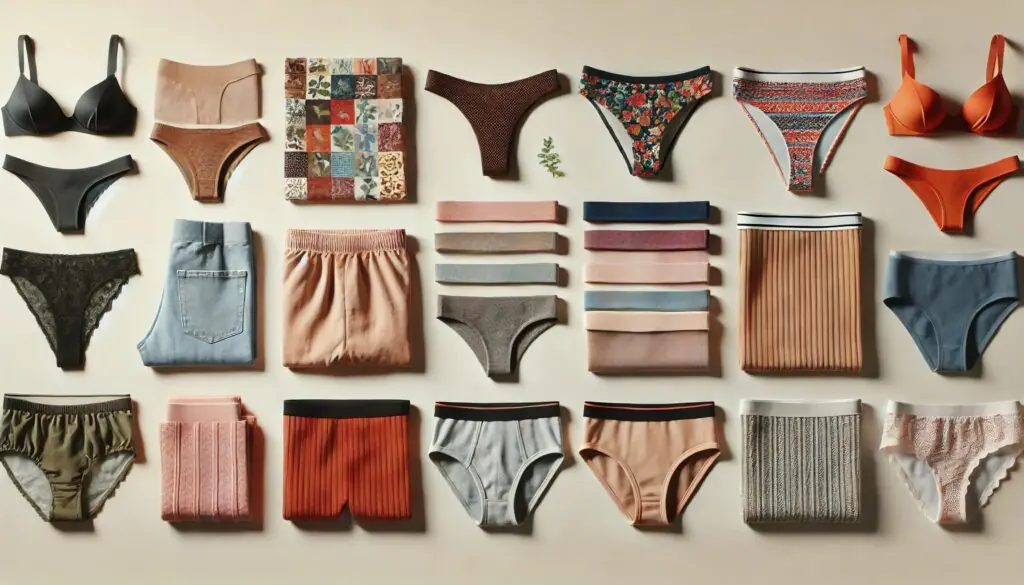
Everyday underwear requires a balance of comfort, breathability, and durability. Cotton is the most popular choice for everyday underwear due to its widespread availability, softness, and breathability. Organic cotton is an excellent option for eco-conscious consumers, while Pima or Egyptian cotton can be used for premium everyday lines. Modal and bamboo fiber are also great alternatives, offering superior softness and moisture management for all-day comfort. For everyday underwear, it is recommended to choose fabrics with a slight stretch (e.g., cotton-spandex blends) to ensure a snug yet comfortable fit. Avoid heavy or stiff natural fabrics, as they may cause discomfort during prolonged wear.
Shapewear and Supportive Pieces
Shapewear and supportive underwear require fabrics that offer both support and flexibility. Natural fabrics blended with a small percentage of spandex or elastane are ideal for this category, as they combine the comfort of natural fibers with the stretch and recovery needed for shaping. Cotton-spandex blends are commonly used for shapewear, as they provide support without compromising breathability. Modal-spandex blends are also a good choice, offering a softer feel and better moisture management. When selecting fabrics for shapewear, it is important to consider the fabric’s density and elasticity—denser fabrics provide more support, while higher spandex content ensures better stretch and recovery. Additionally, the fabric should be smooth against the skin to avoid chafing.
Sports & Active Underwear (Yoga Bra, Sports Bra)
Sports and active underwear, such as yoga bras and sports bras, require fabrics that are breathable, moisture-wicking, and quick-drying. Bamboo fiber and Modal are excellent choices for this category, as they have superior moisture-wicking capabilities and are soft against the skin. Cotton can also be used, but it is recommended to choose lightweight, breathable cotton varieties (e.g., organic cotton jersey) to avoid moisture buildup. For high-impact sports bras, natural fabrics blended with spandex or Lycra are necessary to provide the required support and stretch. Additionally, fabrics with antibacterial properties (such as bamboo fiber) are beneficial for activewear, as they reduce odor caused by sweat. It is also important to choose fabrics that are durable and can withstand repeated washes, as activewear is often laundered frequently.
Period Underwear
Period underwear requires fabrics that are absorbent, breathable, and antibacterial. Bamboo fiber is a top choice for period underwear due to its natural antibacterial properties and excellent moisture absorption. It can effectively absorb menstrual fluid while inhibiting the growth of bacteria, reducing odor and promoting hygiene. Cotton is also commonly used, often in layered constructions to enhance absorbency. Modal is another option, offering softness and moisture management. For period underwear, it is important to choose fabrics that are hypoallergenic and free from harmful chemicals, as they come into direct contact with sensitive skin. Additionally, the fabric should be durable and easy to clean, as period underwear is typically washed multiple times.
Plus Size Underwear
Plus size underwear requires fabrics that are comfortable, stretchy, and supportive. Natural fabrics blended with spandex or elastane are ideal, as they provide the necessary stretch to fit a range of body shapes while maintaining support. Cotton-spandex blends are popular for plus size underwear, as they are breathable and durable. Modal-spandex blends offer a softer feel and better moisture management, making them suitable for all-day wear. It is important to choose fabrics with good stretch recovery to ensure the underwear retains its shape after repeated wear. Additionally, the fabric should be smooth and non-restrictive to avoid digging into the skin. Bamboo fiber blends are also a good option for plus size underwear, as they are soft and antibacterial.
Manufacturing Natural Fabric Underwear in China
Major Production Regions
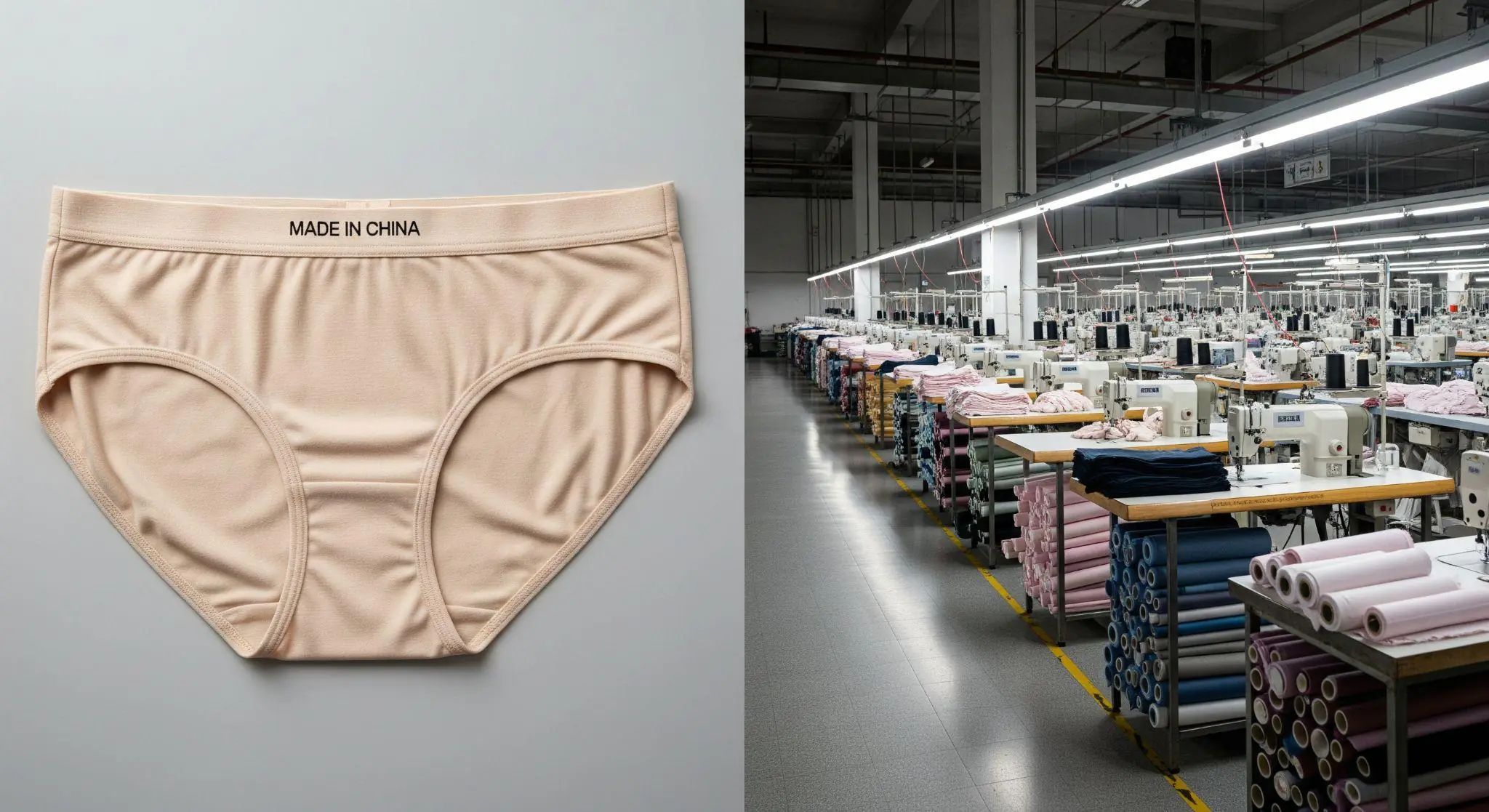
China is a global leader in underwear manufacturing, with several major production regions specializing in natural fabric underwear. The key regions include Guangdong, Zhejiang, and Jiangsu provinces. Guangdong Province, particularly the cities of Shenzhen, Dongguan, and Shantou, is known for its high-quality underwear production, with a focus on premium and functional products. Many manufacturers in Guangdong specialize in Modal, bamboo fiber, and organic cotton underwear, catering to both domestic and international B2B buyers. Zhejiang Province, including cities like Hangzhou and Ningbo, is renowned for its textile industry, with a strong emphasis on cotton underwear production. Zhejiang manufacturers are known for their cost-effectiveness and large-scale production capabilities, making them ideal for bulk orders. Jiangsu Province, particularly Suzhou and Wuxi, specializes in high-end natural fabric underwear, with a focus on innovative designs and advanced manufacturing technologies. Each region has its own specialization by product type—for example, Guangdong excels in activewear and premium everyday underwear, while Zhejiang is strong in basic cotton underwear.
Fabric Sourcing and Quality Control
Fabric sourcing is a critical part in the production of natural fabric underwear, as the quality of the fabric directly impacts the final product’s performance and durability. Chinese manufacturers typically source natural fabrics from domestic suppliers, with major cotton suppliers located in Xinjiang, Shandong, and Henan provinces. Modal and bamboo fiber suppliers are concentrated in Zhejiang and Jiangsu provinces. To ensure material authenticity and quality, reputable manufacturers implement strict quality control measures throughout the fabric sourcing process. This includes conducting fiber content tests to verify the percentage of natural fibers, checking for chemical residues (such as pesticides or dyes), and assessing fabric performance (e.g., breathability, moisture-wicking, and durability). Many manufacturers also work with certified fabric suppliers to ensure compliance with international standards, such as OEKO-TEX Standard 100 or GOTS. Additionally, in-process quality control checks are conducted during cutting, sewing, and finishing to ensure the final product meets the required specifications.
OEM & ODM Options for Natural Fabric Underwear
Chinese manufacturers offer a wide range of OEM (Original Equipment Manufacturing) and ODM (Original Design Manufacturing) options for natural fabric underwear, making it easy for B2B buyers to customize products according to their specific needs. OEM services allow buyers to leverage the manufacturer’s production capabilities to produce underwear under their own brand name. Manufacturers provide support for fabric selection, size grading, and packaging customization. ODM services, on the other hand, include design and development support—manufacturers can create custom designs based on the buyer’s requirements, including style, color, and functionality. Private label options are also available, enabling buyers to build their own brand identity with customized logos, labels, and packaging. Additionally, many manufacturers offer value-added services such as pattern making, sample development, and quality testing, ensuring a seamless procurement process for B2B buyers. Whether buyers are looking for standard products or custom-designed solutions, Chinese manufacturers can accommodate a wide range of requirements.
Certifications and Compliance for Natural Fabric Underwear
OEKO-TEX Standard 100
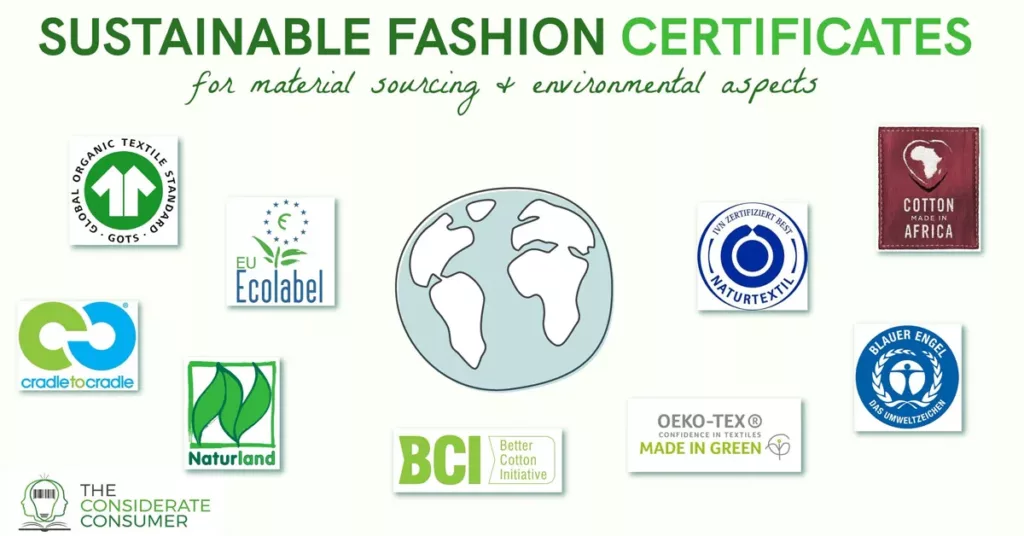
OEKO-TEX Standard 100 is one of the most widely recognized certifications for textile products, including natural fabric underwear. It ensures that the product is free from harmful chemicals and safe for human use. The certification covers a range of substances, including pesticides, heavy metals, formaldehyde, and azo dyes. Products are tested for these substances at an independent laboratory, and only those that meet the strict limits are awarded the certification. OEKO-TEX Standard 100 has several product classes, with Class I being the most stringent (for baby products) and Class II for products in direct contact with the skin (such as underwear). For B2B buyers, choosing OEKO-TEX certified natural fabric underwear ensures that the product is safe and compliant with global safety standards, enhancing consumer trust and market acceptance.
GOTS (Global Organic Textile Standard)
GOTS (Global Organic Textile Standard) is the leading certification for organic textile products, covering the entire supply chain from fiber production to finished product. For natural fabric underwear to be GOTS certified, at least 70% of the fibers must be organic, and the production process must meet strict environmental and social criteria. This includes the use of organic farming practices for fiber cultivation, the avoidance of synthetic chemicals in processing, and compliance with fair labor standards. GOTS certification is highly valued by eco-conscious consumers and retailers, as it ensures the product is truly organic and sustainable. For B2B buyers targeting the sustainable product market, GOTS certified natural fabric underwear is a key differentiator, allowing them to tap into the growing demand for organic products.
LFGB, CPSIA and Other Market-Specific Regulations
In addition to OEKO-TEX and GOTS, natural fabric underwear must comply with market-specific regulations in different regions. For example, LFGB (Lebensmittel-, Bedarfsgegenstände- und Futtermittelgesetzbuch) is a German regulation that applies to products in contact with the skin, including underwear. It sets strict limits on harmful substances and requires products to be safe for human use. CPSIA (Consumer Product Safety Improvement Act) is a U.S. regulation that applies to children’s products, including children’s underwear. It requires testing for lead and other harmful substances and sets mandatory safety standards. Other market-specific regulations include REACH in the European Union, which restricts the use of certain chemicals in textiles, and AS/NZS in Australia and New Zealand. B2B buyers must ensure that the natural fabric underwear they source complies with the relevant regulations in their target markets to avoid legal issues and ensure product safety.
Why Certifications Matter for B2B Buyers
Certifications play a crucial role in B2B procurement of natural fabric underwear, as they provide assurance of product quality, safety, and compliance. For B2B buyers, choosing certified products reduces the risk of purchasing substandard or unsafe products, which can damage their brand reputation and lead to financial losses. Certifications also enhance market acceptance—retailers and consumers are more likely to trust and purchase products that have been independently certified. Additionally, many retailers and e-commerce platforms require suppliers to provide certification documents as a condition of partnership. For example, major retailers in Europe and North America often require OEKO-TEX or GOTS certification for natural fabric underwear. Certifications also help B2B buyers differentiate their products in a competitive market, particularly in the sustainable and eco-friendly product segments. Overall, investing in certified natural fabric underwear is a smart business decision for B2B buyers looking to build long-term, successful partnerships with retailers and consumers.
Tips for Sourcing Natural Fabric Underwear from China
Finding Reliable Manufacturers
Finding a reliable manufacturer is the first step in successful sourcing of natural fabric underwear from China. B2B buyers can use several channels to identify potential manufacturers, including online B2B platforms (such as Alibaba, Made-in-China.com), trade shows (such as the Canton Fair or Intertextile Shanghai), and industry associations. When evaluating manufacturers, it is important to check their credentials, including certification documents (OEKO-TEX, GOTS), production capacity, and quality control processes. Buyers should also request references from previous clients to verify the manufacturer’s reliability and product quality. Additionally, it is recommended to visit the manufacturer’s factory in person (or arrange a virtual visit) to assess their production facilities, working conditions, and quality control measures. Building a long-term relationship with a reliable manufacturer can ensure consistent product quality and timely delivery.
Requesting Samples and Testing Fabrics
Requesting samples is a critical step in the sourcing process, as it allows B2B buyers to evaluate the quality, fit, and performance of the natural fabric underwear. Buyers should request samples of the specific fabric types and product styles they are interested in, and conduct thorough testing to ensure they meet their requirements. Fabric testing should include checks for fiber content, breathability, moisture-wicking, durability, and colorfastness. It is also recommended to test the product for fit and comfort by having a sample group try on the underwear. Buyers should ask the manufacturer to provide test reports from independent laboratories to verify the fabric’s performance and compliance with relevant standards. If the samples do not meet the required standards, buyers should communicate their concerns with the manufacturer and request revisions before placing a bulk order.
Negotiating MOQ and Pricing for Natural Materials
Minimum Order Quantity (MOQ) and pricing are key negotiation points when sourcing natural fabric underwear from China. Natural fabrics, such as organic cotton or Modal, are often more expensive than synthetic fabrics, so buyers should be prepared to negotiate pricing based on the quantity of the order. Most manufacturers have a minimum MOQ for natural fabric underwear, which can vary depending on the fabric type, product style, and customization requirements. B2B buyers can negotiate lower MOQs by committing to long-term orders or combining multiple product styles into a single order. It is also important to clarify the pricing structure, including whether the price includes fabric, labor, packaging, and shipping. Buyers should compare pricing from multiple manufacturers to ensure they are getting a competitive rate, but should not compromise on quality for the sake of lower prices. Additionally, buyers should negotiate payment terms that are favorable to both parties, such as a percentage of the payment upfront and the remainder upon delivery.
Shipping and Logistics Considerations
Shipping and logistics are important considerations when sourcing natural fabric underwear from China. B2B buyers should work with the manufacturer to determine the most suitable shipping method based on the order quantity, delivery time, and budget. For small orders or urgent deliveries, air freight is the fastest option, but it is more expensive. For large bulk orders, sea freight is more cost-effective, but it takes longer. Buyers should also consider the packaging requirements to ensure the products are protected during shipping. Additionally, buyers should be aware of the customs clearance process in their target market, including the required documentation (such as commercial invoices, packing lists, and certification documents). It is recommended to work with a reputable logistics provider who has experience in shipping textile products from China to the target market, as they can help navigate the customs process and ensure timely delivery. Buyers should also factor in the cost of shipping, customs duties, and taxes when calculating the total cost of procurement.
Conclusion
Natural fabric underwear offers numerous advantages, including comfort, skin health benefits, and sustainability, making it a highly sought-after product in the global B2B market. China’s mature manufacturing ecosystem for natural fabric underwear provides B2B buyers with abundant opportunities to source high-quality, cost-effective products. By understanding the different types of natural fabrics, choosing the right fabric for different product categories, selecting reliable manufacturers, and ensuring compliance with relevant certifications and regulations, B2B buyers can successfully source natural fabric underwear from China and tap into the growing global demand. With the right sourcing strategy, natural fabric underwear can be a profitable addition to any B2B product portfolio, helping buyers differentiate their brands and build long-term, successful partnerships with retailers and consumers.

Cherry Hu is a lingerie purchasing manager with hands-on experience in underwear sourcing and factory coordination. She works closely with manufacturers to manage product development, fabric selection, fit standards, and cost control across different production stages.
Through her articles, Cherry shares real-world sourcing experience, common mistakes buyers should avoid, and practical tips for working with underwear suppliers. Her goal is to help brands and wholesalers make informed purchasing decisions and build long-term, reliable supply chains in the lingerie industry.


