




When shopping for underwear, a tiny loose thread, an asymmetrical cut, or even slight fabric fading can be enough to make a customer abandon a brand. For manufacturers and buyers, these seemingly minor issues are governed by a rigorous quality control system that separates market leaders from the rest.
1. Fabric Inspection: The Foundation of Comfort and Safety
Before any cutting begins, the journey of quality control starts with the fabric itself. This stage is not just about checking color or texture—it’s a scientific evaluation.
What we examine:
- Composition & Weight: Ensuring the fabric blend (like cotton, modal, or bamboo) matches specifications exactly
- Colorfastness: Testing how well dyes resist fading after washing and exposure to light
- Shrinkage Rate: Predicting how much fabric will shrink during laundering
- Stretch Recovery: Measuring how well elastic fabrics return to their original shape
- Safety Compliance: Screening for restricted substances according to international standards
I’ve seen entire production batches fail because this first checkpoint was rushed. Once, a supplier used fabric with incorrect elasticity that looked perfect initially but lost shape after three washes. The cost of remaking that collection far exceeded the time saved by skipping proper testing.
Further Reading:
2. Pattern and Sample Approval: Where Design Meets Reality
The transition from design sketch to wearable garment happens here. This stage catches issues that would be catastrophic at scale.
The process includes:
- Creating samples in multiple sizes to test fit across different body types
- Adjusting seams and tension based on wear testing
- Establishing clear tolerance standards for all measurements
A colleague once shared how a “simple” waistband adjustment during sampling prevented thousands of returns. The original design pinched slightly at the hips—barely noticeable on the pattern but uncomfortable in real wear. Catching this before bulk production saved both reputation and revenue.
Industry Resources:

3. In-Production Monitoring: The Art of Consistent Execution
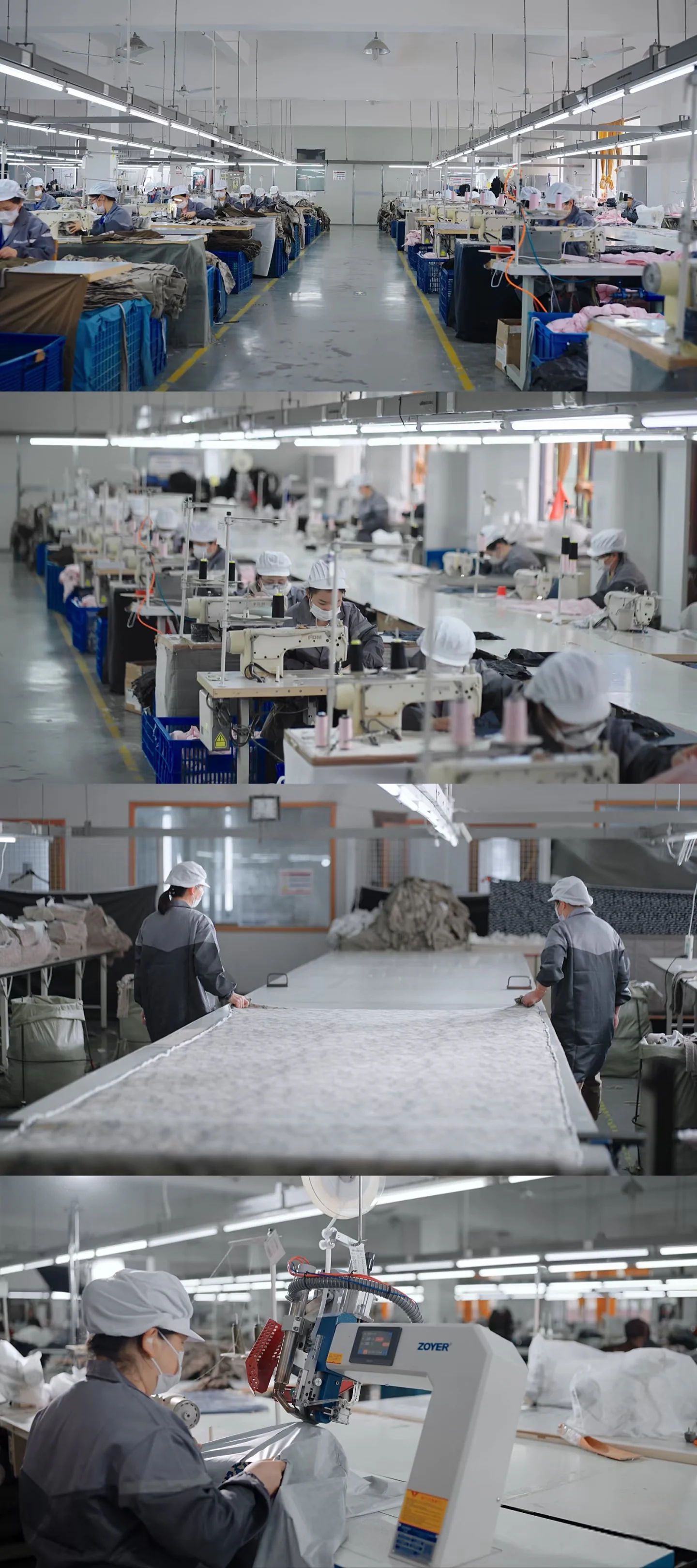
While machinery hums and production lines move, this is where consistency is either maintained or lost. Unlike the quiet of a lab, this checkpoint happens in the rhythm of active manufacturing.
Key focus areas:
- Stitch Density and Strength: Ensuring seams withstand stress without breaking
- Measurement Accuracy: Regular checks against approved samples
- Component Alignment: Precise placement of elastics, labels, and closures
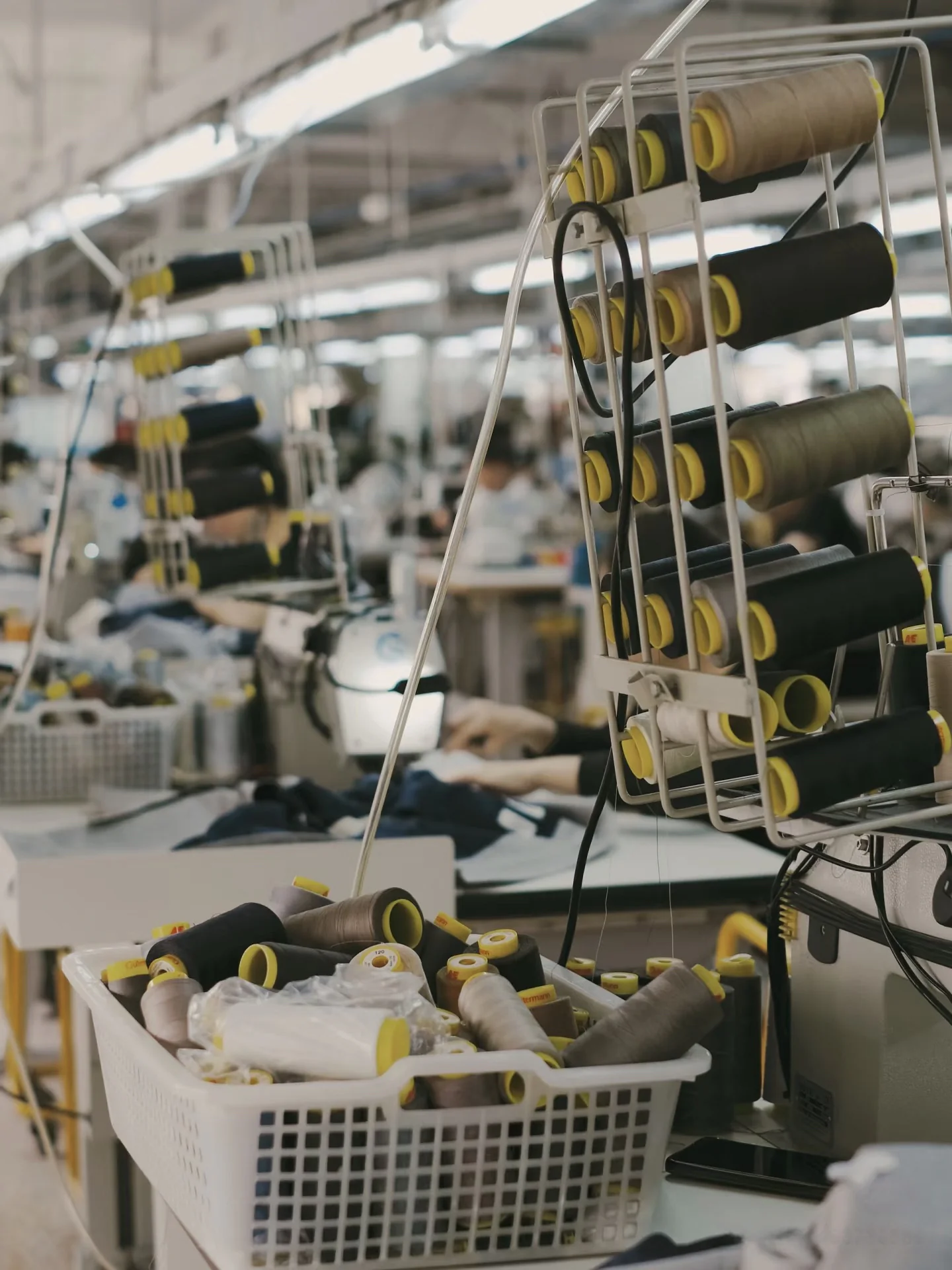
I recall visiting a factory where quality controllers used specially colored threads at the start of each production run. If they found even one incorrect stitch type or tension, the entire section was reworked immediately. This discipline transformed their defect rate from industry average to exceptional.
Technical References:

4. Pre-Shipment Verification: The Final Gateway
Before packaging, every garment undergoes what might be its most comprehensive evaluation. This is the last opportunity to catch what earlier stages might have missed.
The final checklist covers:
- Overall appearance and finishing
- Functionality of closures and adjustments
- Accuracy of labels, tags, and packaging
- Conformity to order specifications
A buyer once told me how her company’s “golden sample”—the perfect reference garment—traveled with their inspector to every final review. This physical benchmark, more than any document, ensured every shipment matched expectations precisely.
Helpful Tools:
5. Performance Testing: Beyond the Factory Gates
The truest test happens not in factories but in daily life. This stage simulates real-world conditions to ensure garments perform as promised.
Testing includes:
- Wash Durability: How well colors, shapes, and elasticity hold up through repeated laundering
- Wear Testing: How garments perform during movement and extended wear
- Safety Validation: Final confirmation that all materials meet skin-contact standard.
Research and Standards:
Why This Systematic Approach Matters
These checkpoints represent more than a checklist—they form a philosophy of prevention over correction. When we implement them thoroughly:
For Brands: Returns decrease by up to 40%, customer loyalty increases, and market reputation strengthens.
For Manufacturers: Production efficiency improves, material waste reduces, and partnerships with buyers become more stable and long-term.
For Consumers: The result is underwear that fits right, feels comfortable, lasts longer, and safely delivers what the label promises.
The reality is that quality cannot be inspected into a product at the end—it must be built in from the beginning. In an industry where trust is worn against the skin, these five checkpoints don’t just control quality; they protect relationships between brands and the people who wear them.
Additional Industry Perspectives:
- The Business Case for Quality Control in Fashion
- Global Textile Compliance Regulations
- Lean Manufacturing in Apparel Production
What quality considerations matter most in your experience with underwear or clothing manufacturing? Share your perspective in the comments below.

Cherry Hu is a lingerie purchasing manager with hands-on experience in underwear sourcing and factory coordination. She works closely with manufacturers to manage product development, fabric selection, fit standards, and cost control across different production stages.
Through her articles, Cherry shares real-world sourcing experience, common mistakes buyers should avoid, and practical tips for working with underwear suppliers. Her goal is to help brands and wholesalers make informed purchasing decisions and build long-term, reliable supply chains in the lingerie industry.


