


1. What’s the Real Difference Between Ningbo Port and Shanghai Port?
When comparing Ningbo Port vs Shanghai Port, the key differences lie in each port’s structure, handling approach, and suitability for Yiwu-based supply chains. Ningbo Port is known for its natural deep-water advantage, allowing it to handle ultra-large container vessels with minimal congestion. This gives it strong logistics efficiency, especially during peak seasons when delays can cause cost overruns.
Shanghai Port, on the other hand, is the world’s busiest container port—a mega-hub with unmatched carrier options, route diversity, and integrated logistics services. Its scale makes it attractive for exporters needing frequent sailings and flexible scheduling.
For Yiwu exporters, the comparison often centers on predictability and overall cost impact. Ningbo offers more stable vessel turnaround, while Shanghai tends to provide broader schedule availability. The differences in inland trucking routes also influence shipping cost, making both ports competitive depending on season and destination.
Ultimately, Ningbo Port vs Shanghai Port is not a simple size comparison but a strategic choice. Companies must weigh reliability, route options, and desired transit time to decide which port best fits their export needs.
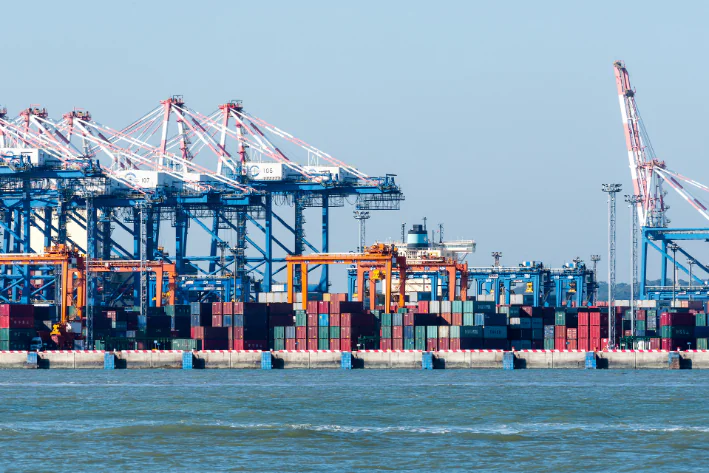
1.1 How each port ranks globally in capacity & performance
Globally, the discussion of Ningbo Port vs Shanghai Port often highlights their strong positions among the world’s largest container hubs. Shanghai Port consistently ranks No.1 worldwide, supported by advanced automation, high-density traffic handling, and robust network coverage. Its leadership reflects exceptional logistics efficiency and deep integration with major carrier alliances.
Ningbo Port, meanwhile, is firmly within the global top three. Its rapid growth comes from deep-water terminals, large-scale capacity expansion, and strong links to Zhejiang’s manufacturing base. This makes it particularly appealing for Yiwu exporters, who rely on stable scheduling and reduced seasonal congestion.
Performance differences impact cost and planning. Shanghai’s scale offers more frequent sailings, benefiting exporters needing tight transit time windows. Ningbo, however, often provides more competitive shipping cost structures due to smoother vessel handling and lower peak-season surcharges.
Thus, the global ranking context of Ningbo Port vs Shanghai Port is not merely about volume but about operational reliability and how each port supports exporters’ long-term logistics strategies.
1.2 Why Yiwu exporters consistently compare these two ports
The ongoing comparison of Ningbo Port vs Shanghai Port among Yiwu exporters is driven by three practical factors: cost, speed, and stability. Yiwu’s proximity to both ports allows exporters to choose based on daily operational needs rather than fixed routes.
Many compare the ports due to differences in shipping cost. Shanghai sometimes offers lower ocean freight because of extensive carrier options, while Ningbo Port often yields lower overall logistics expenses when inland trucking and peak-season fees are considered.
Another reason is transit time performance. Shanghai provides more frequent weekly sailings, but Ningbo’s deep-water terminals give carriers faster turnaround with fewer congestion risks—critical for high-volume, time-sensitive goods.
Operational logistics efficiency also influences decision-making. During peak seasons, Ningbo tends to maintain smoother flow, while Shanghai Port may experience temporary bottlenecks due to high cargo density.
Ultimately, Ningbo Port vs Shanghai Port becomes a continuous evaluation because choosing the right port directly affects order fulfillment, customer satisfaction, and total export cost. Yiwu exporters must reassess port selection based on seasonality, shipment urgency, and carrier availability.
2. How Do Logistics Costs Compare for Yiwu → Ningbo vs Yiwu → Shanghai?
For many businesses evaluating Ningbo Port vs Shanghai Port,logistics cost is often the deciding factor. While the two ports are geographically close, the cost structure for moving goods from Yiwu can differ significantly depending on trucking distance, route efficiency, carrier availability, and seasonal demand patterns. This makes cost assessment crucial for Yiwu exporters, especially those shipping large volumes of general merchandise or time-sensitive international orders.
The most noticeable cost difference comes from inland trucking. Transporting cargo from Yiwu to Ningbo Port is generally shorter and more direct compared with routes heading to Shanghai Port, which usually involves more urban traffic and toll-heavy expressways. These differences don’t always translate into dramatic cost gaps on ordinary days, but during high-demand seasons, trucking companies often adjust fuel charges and capacity-related fees, causing the price gap to widen.
Beyond inland transportation, shipping cost variations also come from port-side factors. Ningbo often offers more competitive rates during peak seasons because its deep-water terminals allow for efficient vessel scheduling, reducing waiting times and minimizing vessel congestion. This can indirectly reduce total costs for exporters by shortening handling timelines. Shanghai, while offering more carrier choices, may face periodic bottlenecks due to its high cargo density.
When analyzing Ningbo Port vs Shanghai Port, exporters should also consider reliability. A port with fewer delays can reduce cumulative logistics expenses by preventing storage fees, demurrage, and extended transit time. For this reason, many companies balance cost with logistics efficiency, ensuring that the selected route aligns with shipment urgency and inventory turnover targets.
Overall, cost differences are dynamic rather than fixed. Exporters must regularly compare quotes, evaluate seasonal patterns, and choose the port that aligns with their financial and operational strategy.
2.1 Inland trucking cost comparison
The inland trucking route from Yiwu to the coastline is a major factor in choosing between Ningbo Port vs Shanghai Port. While both ports are viable options, trucking distance, road conditions, toll fees, and driver availability influence the final inland freight price. These factors matter considerably for Yiwu exporters, especially those operating under tight cost structures for global shipments.
The route to Ningbo Port is typically shorter, more straightforward, and less affected by major metropolitan traffic. As a result, trucking companies usually offer more stable rates, and even during busy periods the fluctuations remain moderate. This reliability gives exporters greater predictability when calculating total shipping cost for each container.
In contrast, the route to Shanghai Port often incurs higher toll charges and longer travel times. Drivers must navigate busier expressways and areas with stricter traffic controls, which can lead to occasional delays. These conditions do not always result in higher costs on normal days, but during national holidays, export surges, or Q4 peak seasons, inland trucking rates to Shanghai can increase faster than those to Ningbo.
Furthermore, inland trucking affects overall transit time. Cargo delivered earlier to a port often secures better loading windows, reducing the risk of rollovers. Exporters choosing between Ningbo Port vs Shanghai Port should consider that timely cargo arrival at the terminal can help avoid demurrage or unexpected storage charges.
Even though route distance is one component, logistics efficiency is equally important. Roads leading to Ningbo generally support smoother traffic flow, while Shanghai’s scale can introduce unpredictability despite its extensive infrastructure.
For exporters prioritizing cost stability and punctual cargo delivery, Ningbo tends to be the more reliable inland trucking choice, though Shanghai remains beneficial when shipment schedules demand maximum carrier flexibility.
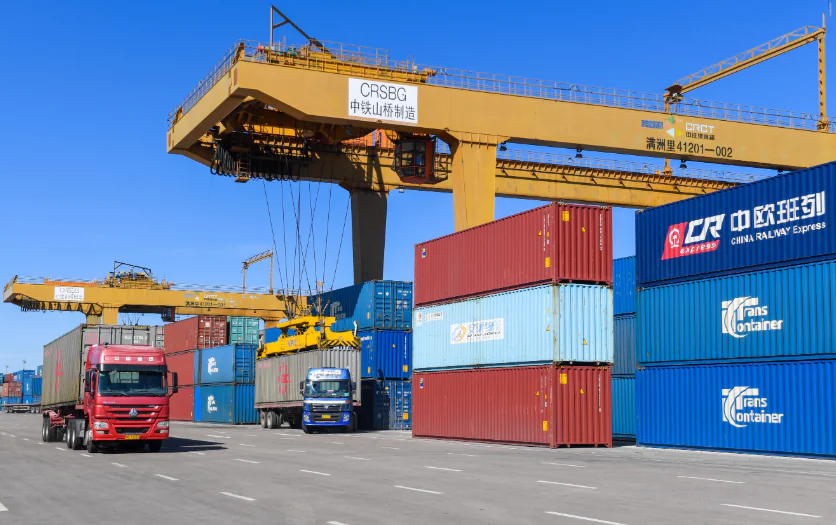
2.2 Hidden transportation fees Yiwu exporters must watch for
Beyond standard charges, hidden fees often play a major role in comparing Ningbo Port vs Shanghai Port. These costs are not always visible in initial quotations, yet they can significantly influence the total expense for Yiwu exporters as they plan end-to-end logistics operations.
At Ningbo Port, hidden fees typically arise from seasonal equipment shortages, container pickup charges, or chassis usage costs. Although these fees tend to be moderate, they can still accumulate for exporters shipping multiple containers. On the positive side, Ningbo’s strong logistics efficiency helps reduce congestion-related charges, such as waiting fees or extended terminal handling durations.
For shipments moving through Shanghai Port, additional fees sometimes emerge due to its higher traffic density. Exporters may encounter peak-hour gate congestion fees, appointment-based entry surcharges, or temporary yard storage charges if terminals reach capacity. While these fees may seem minor individually, they can influence the final shipping cost, especially for tightly budgeted export operations.
Another frequently overlooked factor is transit time impact. Any delay—whether caused by late truck arrival, customs queueing, or terminal congestion—can lead to rollovers. Rollover-related fees, including rebooking charges or extra port handling costs, are more common at ports with denser vessel traffic. This is a recurring reason exporters reassess Ningbo Port vs Shanghai Port, especially during high-volume seasons.
Moreover, administrative fees such as documentation corrections, seal changes, or emergency trucking adjustments can vary by port. Exporters should also monitor port-specific security fees or government-regulated surcharges that may change quarterly.
Ultimately, Yiwu exporters who track these hidden fees gain a clearer picture of overall logistics cost and can negotiate better with forwarders. A proactive review of fee components ensures more predictable budgeting, whether routing cargo through Ningbo or Shanghai Port.
3. Which Port Offers Faster and More Reliable Customs Clearance?
For exporters shipping out of Yiwu, customs clearance speed is often just as important as ocean freight selection. When comparing Ningbo Port vs Shanghai Port, the core difference lies in how each port manages cargo volume, clearance workflows, and the integration between customs systems and terminal operations. These factors directly shape the experience of Yiwu exporters who must meet tight overseas deadlines.
Ningbo Port is widely recognized for its streamlined clearance processes and lower daily cargo density. Its customs departments work closely with shipping lines and forwarders to accelerate inspections, documentation verification, and cargo release. This results in fewer hold-ups, more consistent processing times, and higher overall logistics efficiency during peak seasons.
Shanghai Port, although technologically advanced, handles significantly higher cargo volumes. Its massive throughput means more frequent inspections, more documentation checkpoints, and occasional system bottlenecks during busy export cycles. While clearance is still efficient by global standards, exporters may experience fluctuations in processing time during high-demand periods.
The customs environment is also linked to transit time performance. Cargo that clears quickly gets loaded sooner, reducing the risk of rollovers or shipment delays. In this regard, Ningbo often provides more predictable timelines, while Shanghai offers broader carrier options but at the cost of occasional congestion.
Ultimately, evaluating Ningbo Port vs Shanghai Port for customs reliability depends on shipment priorities. Exporters needing stable, predictable clearance patterns may lean toward Ningbo, while those prioritizing schedule flexibility may still prefer Shanghai Port, especially for long-haul routes.
3.1 Clearance speed, efficiency, and documentation differences
When analyzing clearance performance between Ningbo Port vs Shanghai Port, the operational workflow becomes a critical factor. Ningbo is known for its efficient terminal–customs integration, where real-time data sharing and AI-based inspection selection reduce unnecessary cargo checks. This benefits Yiwu exporters handling high-frequency shipments, as clearances often proceed smoothly without repeated verification steps.
At Ningbo Port, authorities emphasize risk-based inspections, meaning most compliant exporters experience quick processing. This improves overall logistics efficiency, especially for full-container shipments bound for the U.S. and Europe, where customs documentation is typically standardized. Exporters often cite fewer last-minute document corrections and reduced waiting times at the terminal.
Shanghai Port operates on a larger scale, supported by automated systems, smart gates, and digital-paperless clearance procedures. However, its larger cargo volume creates greater variance. During holidays or carrier schedule changes, even minor delays can accumulate, occasionally affecting transit time for exporters with strict deadlines. Shanghai remains strong for complex cargo types or buyers that require specific carrier alliances, but for general merchandise, clearance stability fluctuates more frequently.
Documentation differences also play a role. Ningbo’s customs tend to process standard commercial documents quickly, while Shanghai Port applies more detailed checks in certain hotspots due to the volume of global trade moving through its terminals. Though beneficial for compliance, it can add minor but notable delays.
In the discussion of Ningbo Port vs Shanghai Port, Ningbo often appears as the more predictable clearance option, while Shanghai offers broader service options but with more potential variability. Exporters whose margins are sensitive to clearance-related delays should weigh these differences carefully, especially when managing tight shipping cost structures.
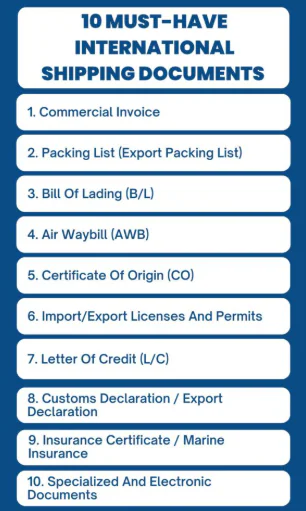
3.2 How peak-season congestion affects each port
Peak seasons present one of the clearest points of differentiation between Ningbo Port vs Shanghai Port. During export surges—such as Q4 holiday shipments, Chinese New Year prep, or global replenishment cycles—the way each port manages congestion directly impacts clearance reliability, cost, and total delivery performance. For Yiwu exporters, this seasonal behavior often determines which port they choose for time-sensitive cargo.
Ningbo Port typically handles peak volume with more stability due to its deep-water terminals, balanced berth allocation, and controlled vessel flow. Its terminals rarely experience prolonged yard congestion, meaning trucks enter and exit more efficiently. This helps exporters avoid extra storage fees and maintain consistent transit time estimates. Ningbo’s structure also prevents clearance queues from escalating quickly, preserving predictable cargo movement even during national shipping rushes.
Shanghai Port, because of its enormous throughput, feels peak-season pressure more intensely. Vessel bunching, full yards, and increased customs activity can create temporary bottlenecks. While advanced automation reduces the severity of congestion, clearance slowdowns can still occur when cargo density spikes. During these periods, exporters may also notice higher shipping cost components due to emergency handling or short-term surcharges.
From a performance standpoint, logistics efficiency diverges more during peak demand than during normal weeks. Exporters with time-critical shipments often favor Ningbo because the chance of rollover or inspection-related delay is lower.
Still, the flexibility and route variety of Shanghai Port remain attractive for certain cargo types. Thus, in the context of Ningbo Port vs Shanghai Port, peak-season planning becomes a strategic decision: Ningbo for stability, Shanghai for carrier diversity—depending on the shipment’s margin, urgency, and destination.

4. Shipping Schedules: Does Ningbo or Shanghai Provide Better Route Options?
For many Yiwu exporters, shipping schedules directly determine how quickly orders can move from factory to global markets. When comparing Ningbo Port vs Shanghai Port, schedule flexibility, carrier choice, and route depth become decisive factors—especially for sellers managing tight delivery commitments or seasonal sales spikes. Although both ports are major gateways, their operational dynamics differ in ways that meaningfully impact exporters’ planning, logistics efficiency, and overall shipping cost.
Shanghai remains one of the busiest and best-connected ports in the world, which naturally translates into an extensive global route map. Exporters with diverse markets often value Shanghai for its ability to offer multiple carriers on nearly every major lane. Meanwhile, Ningbo has strategically grown into a competitive alternative, becoming a favorite among shippers who prioritize operational stability and reliable space availability.
Ultimately, evaluating which port offers “better” schedules requires looking at three core variables: weekly sailing frequency, carrier capacity, and realistic transit time performance across various destination regions. For many Yiwu exporters, the winning port is usually the one that balances both choice and predictability.
4.1 Weekly Sailing Frequency & Carrier Availability
Shanghai Port stands out as China’s largest international shipping hub, which naturally gives it an advantage in weekly sailing frequency. On high-demand routes—such as the U.S. West Coast, the U.S. East Coast, Northern Europe, and the Middle East—Shanghai often offers more sailings per week compared to Ningbo. This provides greater flexibility for exporters booking last-minute shipments or adjusting container loads during peak seasons.
However, the rise of Ningbo Port has shifted the landscape. Carriers have increasingly allocated capacity to Ningbo due to its lower congestion and faster vessel turnaround. For Yiwu exporters, this means higher odds of securing space during tight market conditions, even if the absolute number of weekly departures may be slightly lower than Shanghai’s. Many freight forwarders also note that Ningbo’s terminals maintain smoother cut-off workflows, reducing the risk of rollovers for time-sensitive cargo.
Another factor is consolidation freight. Ningbo has become a preferred LCL hub, with strong weekly consolidation schedules supporting small and medium-sized exporters. This appeals to cross-border e-commerce sellers who require consistent export cycles.
In short, when comparing Ningbo Port vs Shanghai Port, Shanghai offers quantity and route diversity, while Ningbo delivers steadier operational consistency and easier booking conditions. The best choice depends on whether the exporter values flexibility or stability.
4.2 Transit-Time Differences for Major Destinations (US/EU/SEA)
On most global routes, the transit time difference between Ningbo and Shanghai is minimal—typically within 1–2 days. Carriers often operate shared loops that call at both ports, meaning the vessel proceeds from one port to the other before heading overseas. As a result, transit times across the U.S., Europe, and Southeast Asia are largely comparable.
For U.S.-bound shipments, Shanghai may have a slight advantage on certain loops due to more direct services to Los Angeles and Long Beach. But Ningbo frequently compensates with more stable loading processes, which helps exporters avoid delays caused by port congestion—an advantage that sometimes outweighs the theoretical one-day transit difference.
For European destinations, both ports perform similarly. Many Asia–Europe services include back-to-back calls at Ningbo and Shanghai, making the difference negligible. Exporters usually decide based on inland trucking time rather than sea transit. Since Ningbo is closer to Yiwu, total door-to-door time can actually be faster when including the land leg.
For Southeast Asia, Ningbo has improved its schedule density, but Shanghai still offers more diverse direct connections. Even so, the performance gap is small enough that many Yiwu exporters choose based on cost or space availability rather than transit duration.
Viewed objectively, Ningbo Port vs Shanghai Port offers near-equal transit performance for most destinations, with only marginal differences on specific lanes. What matters more is the predictability of loading, container availability, and overall route stability—areas where Ningbo often delivers a smoother operational experience.
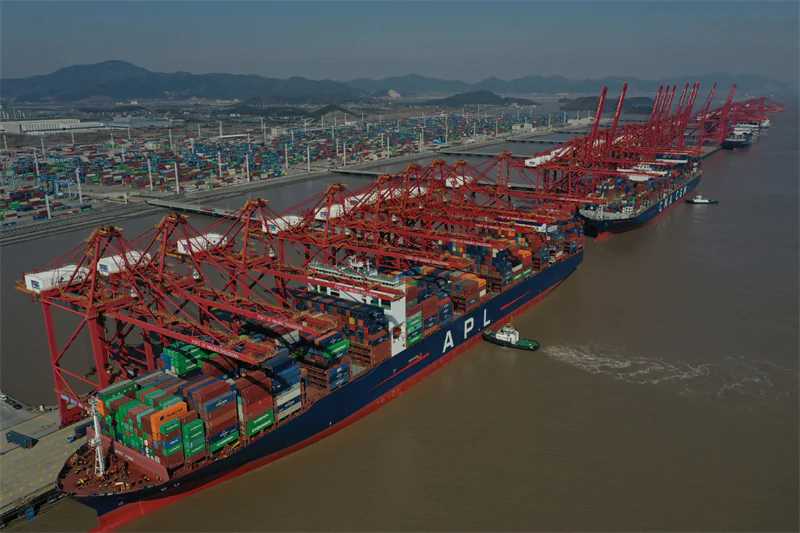
5. Case Study: Yiwu Exporter Shipment Comparison (Cost, Time, Risk)
Understanding the practical impact of choosing between Ningbo Port vs Shanghai Port is easier with a real-world comparison. For Yiwu exporters, decisions often hinge on total shipping cost, transit time, and operational risk rather than theoretical advantages. This case study highlights how these factors play out in typical export scenarios.
Many small-to-medium Yiwu businesses handle mixed shipments to major markets like the U.S. and Europe. Exporting through Shanghai often provides more route options and frequent sailings, but the port’s sheer volume can create congestion during peak periods. This occasionally leads to extended container dwell times, impacting schedules and increasing total landed cost. Meanwhile, Ningbo offers slightly fewer weekly departures but delivers smoother handling and faster inland trucking from Yiwu, helping exporters avoid hidden costs like demurrage or storage fees.
In our case study, a medium-sized exporter shipping 20 containers per month observed that Ningbo’s predictability reduced unexpected fees by up to 8%, while Shanghai’s broader schedule flexibility allowed faster rescheduling for urgent orders. This demonstrates the tradeoff: Ningbo excels at logistics efficiency and risk management, while Shanghai shines in schedule flexibility.
By evaluating Ningbo Port vs Shanghai Port based on real shipping outcomes, exporters can make informed decisions. The choice depends on whether the priority is cost and reliability or route diversity and backup options.
5.1 Yiwu → Ningbo Real Shipment Example
A typical shipment from Yiwu to the U.S. via Ningbo Port involves a short inland trucking route, efficient terminal handling, and reliable weekly sailings. For a 40-foot container, total shipping cost was slightly lower than comparable routes through Shanghai, and transit time remained consistent at 35–38 days to Los Angeles. Minimal port congestion also reduced delays, making it easier to meet strict delivery deadlines for Amazon FBA and retail clients.
The exporter noted that, while Ningbo has fewer carrier choices than Shanghai, the deep-water port’s operational stability compensated for limited options. The lower risk of rollover and smooth customs clearance enhanced logistics efficiency, especially during peak Q4 shipping. This demonstrates why Ningbo is a favorite among Yiwu exporters focused on predictable delivery schedules and cost control.
5.2 Yiwu → Shanghai Real Shipment Example
Shipping the same cargo via Shanghai Port provides more route options and frequent sailings. The exporter enjoyed a marginally faster transit time on certain direct services to the U.S. East Coast, but during peak season, trucking delays and container queueing sometimes extended the total door-to-door time. Shipping cost was slightly higher due to port congestion surcharges and toll variability.
However, Shanghai’s broad carrier network allowed the exporter to quickly reschedule urgent shipments, providing flexibility that Ningbo could not match. For exporters handling multiple destinations or time-sensitive orders, this flexibility can outweigh slightly higher costs or congestion risks
6. Pros & Cons: When Should Yiwu Exporters Choose Ningbo Port vs Shanghai Port?
Choosing the right port can significantly influence cost efficiency, delivery reliability, and operational risk for Yiwu exporters. When comparing Ningbo Port vs Shanghai Port, both have clear advantages and trade-offs that exporters should consider before making strategic shipping decisions.
6.1 Best Scenarios for Choosing Ningbo Port
Ningbo Port stands out for its operational predictability and streamlined processes. Its deep-water terminals, lower vessel density, and efficient customs clearance contribute to smooth logistics efficiency, especially during high-demand periods such as Q4 or Chinese New Year.
Yiwu exporters shipping medium-to-large volumes of standard goods often benefit from Ningbo because:
Inland trucking routes are shorter and more predictable, reducing unexpected shipping cost spikes.
Vessel handling is consistent, minimizing delays that can extend transit time.
Peak-season congestion is less severe, lowering the risk of demurrage or storage fees.
Exporters prioritizing cost stability and reliable timelines often find Ningbo the superior choice, particularly for FCL shipments or high-frequency exports.
6.2 Best Scenarios for Choosing Shanghai Port
Shanghai Port, as the world’s busiest container hub, offers unparalleled route diversity and carrier options. This makes it ideal for:
Exporters needing frequent weekly sailings for multiple destinations.
Businesses handling urgent shipments that may require quick rescheduling.
Complex cargo or specialized containers that require specific carrier alliances.
While shipping cost can be higher and inland trucking less predictable, Shanghai’s robust global connectivity provides flexibility that can offset minor delays. For Yiwu exporters serving multiple regions simultaneously, or who require schedule flexibility for e-commerce replenishment, Shanghai often becomes the preferred option.
When weighing Ningbo Port vs Shanghai Port, the choice depends on priorities: Ningbo is best for predictable operations, cost control, and steady transit time, while Shanghai excels in route diversity, carrier availability, and emergency rescheduling. Understanding these trade-offs allows Yiwu exporters to align port selection with their business model, shipment urgency, and customer expectations.
7. Final Verdict: Ningbo Port vs Shanghai Port — Which Shines Brighter for Yiwu Exporters?
After analyzing operational characteristics, shipping schedules, costs, and real-world examples, it becomes clear that the choice between Ningbo Port vs Shanghai Port is not about which is “better” universally, but about which aligns best with a Yiwu exporter’s specific priorities.
Ningbo offers superior logistics efficiency, smoother inland trucking, and more predictable transit time—making it ideal for exporters who value stable costs and reliable delivery. Shanghai, on the other hand, provides unmatched carrier diversity, flexible weekly sailings, and broader route options, appealing to businesses that prioritize schedule flexibility and last-minute adjustments.
To make the decision simpler, here’s a concise comparison:
| Feature / Factor | Ningbo Port | Shanghai Port |
| Proximity to Yiwu | Shorter inland trucking routes | Slightly longer routes |
| Logistics Efficiency | High, fewer congestion risks | Moderate, occasional peak delays |
| Shipping Cost | Generally lower and more predictable | Slightly higher during peak seasons |
| Transit Time | Consistent and reliable | Similar, but can vary due to congestion |
| Weekly Sailing Frequency | Moderate, stable | High, more carrier options |
| Route Options | Fewer direct destinations | Extensive global network |
| Best For | Cost-conscious, predictable schedules | Flexibility, urgent or multi-destination shipments |
For most Yiwu exporters, the decision depends on shipment priorities:
Choose Ningbo Port if stable costs, predictable clearance, and reliable inland transport are top priorities. Ideal for high-frequency, standard FCL shipments.
Choose Shanghai Port if flexibility, route variety, and rapid rebooking options are essential. Perfect for exporters with multi-destination orders or urgent delivery requirements.
By carefully evaluating Ningbo Port vs Shanghai Port, exporters can optimize shipping cost, manage transit time, and improve overall supply-chain efficiency, ensuring that each shipment aligns with business strategy and customer expectations.
You can also take Google’s answer as reference,see how goole AI answer Ningbo Port vs Shanghai Port.

Faye Fang is a Sourcing Specialist at Unionsource, focused on connecting international buyers with reliable Chinese suppliers. She brings expertise in product sourcing, supplier evaluation, and order management, helping clients secure quality products efficiently.