

Introduction: The Global Supply Chain Truth
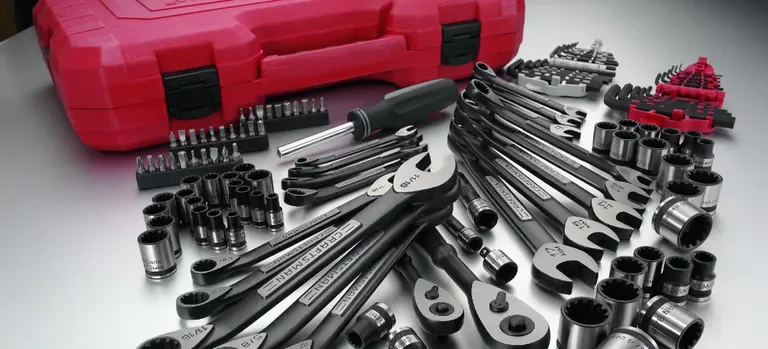
When you buy a Craftsman tool at Lowe’s today, you’re buying into a global manufacturing network spanning Texas to Taiwan, Ohio to Shenzhen. For businesses sourcing tools or making informed purchasing decisions, understanding Craftsman’s manufacturing reveals the realities of modern tool production and what “American-made” actually means in 2026.
The Short Answer: A Global Manufacturing Network
Current manufacturing breakdown:
- China & Taiwan: 60-70% of hand tools (sockets, wrenches, ratchets)
- United States: Select power tools, tool storage, some tape measures
- Mexico & India: Growing share of mid-tier products
- Vietnam & Thailand: Emerging production for specific categories
The reality: Stanley Black & Decker (SBD), which acquired Craftsman in 2017, operates a distributed manufacturing model prioritizing cost efficiency over the early promises to “re-Americanize” the brand.
Manufacturing Evolution: From Sears to Stanley Black & Decker
The Sears Era (1927-2017): Contract Manufacturing Model
Sears never manufactured Craftsman tools directly. Key OEM suppliers included:
- Apex Tool Group: Ratchets, sockets, wrenches
- Western Forge: Screwdrivers, adjustable wrenches
- Waterloo Industries: Tool storage
- Techtronic Industries: Portable power tools
The shift to overseas production began around 2010 as Sears faced financial difficulties.
The Stanley Black & Decker Era: The Reshoring Failure
The Fort Worth facility (2019-2023):
- $90 million investment
- Closed March 2023 after never reaching full production
- Key lesson: High-tech automation couldn’t compete with established Asian supply chains on cost
This failure proves reshoring isn’t just about politics — it’s about economics. US-made mechanics tools would need retail prices 40-60% higher than Asian equivalents to maintain profitability.
Where Specific Craftsman Products Are Made (2026)
Hand Tools
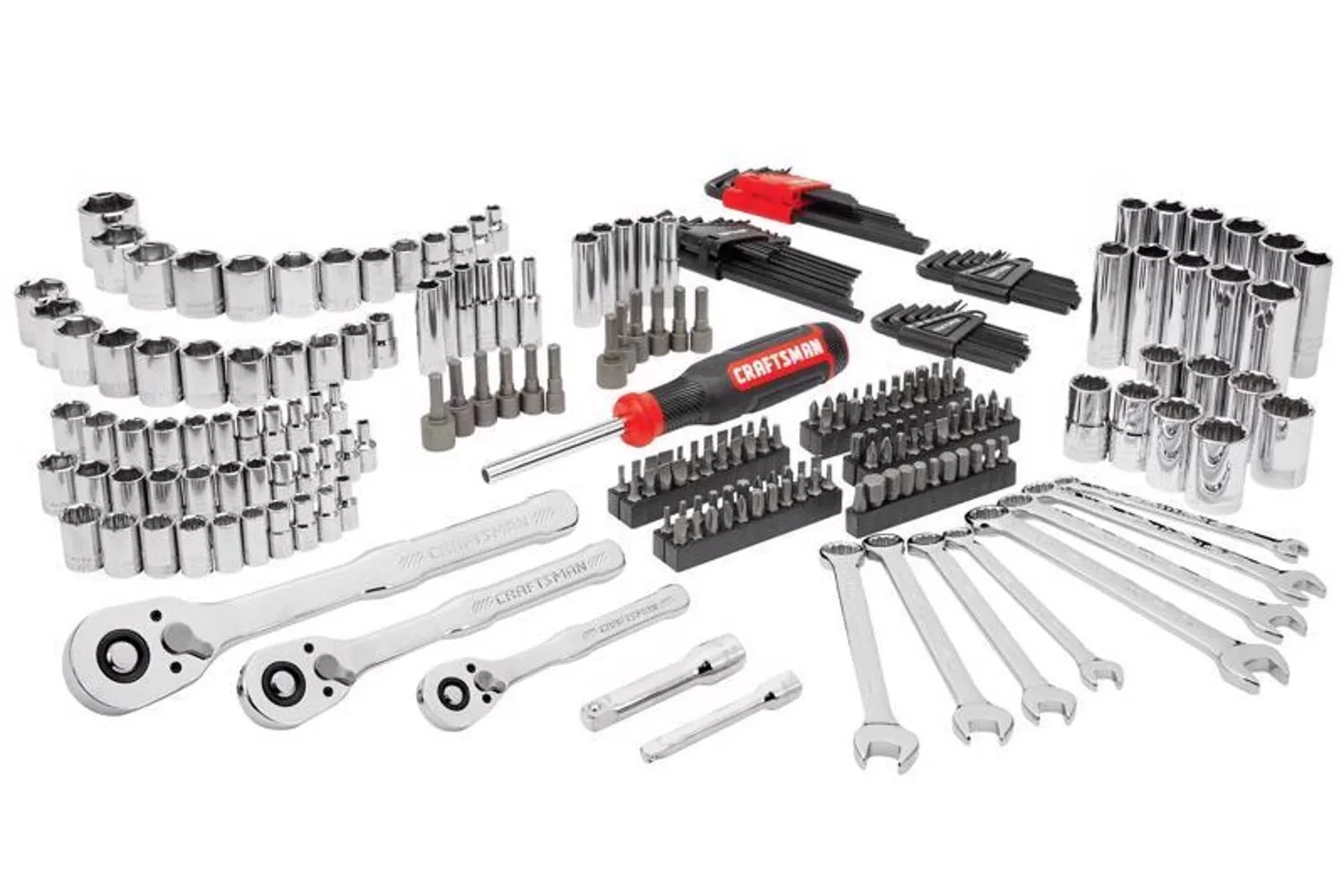
- Sockets & Ratchets: 60% China, 30% Taiwan (via Apex Tool Group)
- How to identify: Look for product codes like “D-AI” where “D” = Danaher/Apex, “AI” = 2019 production year
- Wrenches: India (growing), China, Taiwan. Some “Made in USA with global materials”
- Screwdrivers: Primarily Asian manufacturing
Power Tools

- V20 Cordless System: China, Vietnam. Some US assembly in Fort Mill, SC
- Reality: “US-assembled” tools have 70-80% imported content value
- Reading labels: “Assembled in USA” ≠ “Made in USA”
Tool Storage

- Main production: Sedalia, Missouri (Waterloo Industries)
- These remain among the highest US-content Craftsman products
Outdoor Power Equipment

- Assembly: Some US facilities
- Critical components: Engines, batteries (Asian production)
- For businesses looking to source garden tools, understanding that outdoor equipment follows similar supply chain patterns reveals opportunities in the Asian manufacturing ecosystem
What “Made in USA” Actually Means
Three Labels, Three Realities
- “Made in USA”: Requires substantial US transformation and value. Very few Craftsman products qualify
- “Assembled in USA with Global Materials”: Final assembly domestic, components imported. Most common Craftsman claim
- “Designed in USA”: Only design work done domestically. Growing usage
The Real Economics Behind Offshoring
Labor cost comparison (2025):
- USA manufacturing: $25-35/hour base ($50-70 loaded cost)
- Taiwan skilled labor: $8-12/hour
- China tier-1 factory: $5-8/hour
- India emerging facilities: $3-5/hour
The full cost picture:
- Tooling/dies: 40-60% cheaper in Asian facilities
- Raw materials: Chinese steel 20-30% below US prices
- Minimum efficient scale: Asian factories operate at 50,000+ unit volumes
- Supply chain integration: Established component networks (springs, pins, fasteners)
Fort Worth’s failure in numbers: Internal estimates showed US-made mechanics tools would need 40-60% higher retail prices than Asian equivalents to maintain profitability — impossible for DIY market Craftsman targets.
Quality Control: Location vs. Process
Critical distinction: Manufacturing location doesn’t determine quality — the QC system does.
Country-Specific Quality Patterns
- Taiwan: Generally highest QC, especially for precision tools
- China (tier-1 factories): Comparable to Taiwan when using established suppliers
- China (tier-2/3 factories): More variable; quality can drift over time
- India: Emerging; quality improving but inconsistent
Quality Markers to Look For
- Chrome finish: Uniform, bright finish indicates good plating controls
- Dimensional precision: Check gaps in adjustable wrenches, socket fit
- Material hardness: Tools shouldn’t flex excessively under moderate torque
How Craftsman Quality Has Changed Over Time
The “Golden Era” (Pre-2010)
- Manufacturing: Predominantly USA (Western Forge, Apex domestic facilities)
- Materials: Consistently high-grade alloy steels
- Warranty mindset: Lifetime warranty backed by local replacement
- Build quality: Tighter tolerances, better heat treatment
- User perception: Professional-acceptable for most applications
The Transition Period (2010-2017, Under Sears)
- Manufacturing shift: Gradual move to Asian suppliers
- Quality drift: Inconsistent as new suppliers onboarded
- Cost cutting: Material specifications reduced to hit price points
- Warranty changes: Replacement became more bureaucratic
- Market position: Began losing professional user trust
Current Era (2017-Present, Under SBD)
- Manufacturing: 60-70% Asian, strategic US for specific products
- Quality stabilization: Better than late-Sears era, but not pre-2010 levels
- Target market shift: Explicitly DIY-focused, not professional
- Price positioning: Budget to mid-range consumer tools
- Competition: Now competes with Harbor Freight, Husky, not Snap-on
What Changed Materially
Specific degradations from pre-2010 to current:
- Ratchet mechanisms: Tooth count often reduced (72 → 45 in some models)
- Steel quality: Alloy composition optimized for cost, not maximum durability
- Chrome plating: Thinner application, faster wear in heavy use
- Tolerances: Looser fits, more play in adjustable tools
- Packaging: Reduced protection, more tools shipped in plastic clamshells
What improved under SBD:
- Design consistency: Better industrial design across product lines
- Power tool performance: V20 system is genuinely competitive
- Availability: Much better distribution through Lowe’s network
The B2B Sourcing Opportunity
Why Direct Sourcing Makes Sense
Craftsman doesn’t own most factories — they use OEM suppliers. This creates opportunities:
Direct sourcing advantages:
- Same factories, different branding (30-40% cost reduction)
- Customization control (features, packaging, labeling)
- Access to Craftsman-quality manufacturing without brand markup
Key OEM suppliers:
- Apex Tool Group: Hand tools (also makes Gearwrench, Husky)
- Techtronic Industries: Power tools
- Taiwan manufacturers: Precision tools, high-end ratchets
How sourcing agents help: Professional procurement partners can identify which factories produce Craftsman products, negotiate pricing, manage QC, and handle logistics. Companies specializing in hardware tools sourcing provide expertise and access to the Asian supplier network.
Quality Specifications for Direct Sourcing
When sourcing Craftsman-quality tools, demand:
- Materials: Chrome vanadium steel (ASTM standard), specific heat treatment specs
- Tolerances: Dimensional specs for drive sizes, ratchet mechanisms
- Testing: Torque testing to failure, salt spray for corrosion resistance
- Certifications: ISO 9001:2015 minimum
Vetting Suppliers: Key Questions
- Which other brands do you manufacture for? (Capability indicator)
- What’s your sampling and testing protocol? (QC system depth)
- Can we audit your facility? (Legitimate suppliers welcome this)
- What are MOQs and lead times? (Typically 1,000-5,000 units, 30-45 days)
- Do you have ISO certifications? (Baseline quality system)
Breaking the “Made in China” Stigma
Myth: “Chinese tools are always inferior”
Reality:
- Quality is factory-specific, not country-specific
- Top Chinese factories (often Taiwan-managed) produce for premium brands
- The difference lies in QC rigor and material specifications, not manufacturing capability
The quality hierarchy:
- Taiwan factories: Highest consistent QC
- China tier-1 (often Taiwan-managed): Comparable to Taiwan
- China tier-2: Variable; requires careful vetting
- India: Emerging; lowest cost but requires extensive QC oversight
Understanding Quality Tiers
Entry tier (Craftsman’s main focus): Chinese tier-2 factories, minimal testing, cost-optimized. Suitable for light DIY use.
Mid tier (Better Craftsman products): Taiwan/Chinese tier-1 factories, standard testing, good materials. Suitable for serious DIY, light professional use.
Premium tier (Craftsman Industrial, limited): US/Taiwan production, extensive testing. Suitable for professional daily use.
Future Manufacturing Trends (2026+)
Reshoring Reality
Post-Fort Worth closure, expect:
- Limited strategic reshoring: High-margin products, heavy items (shipping cost justification)
- Core hand tools remain offshore: DIY market price sensitivity prevents major reshoring
- Supply chain diversification: Vietnam, Mexico, India gaining share beyond China
Manufacturing Location Trends
- Vietnam: Growing power tool production, US trade advantages
- Mexico: USMCA benefits, proximity for bulky products
- India: Lowest labor costs, improving quality systems
Buyer’s Guide: Making Informed Decisions
For DIY Consumers
- Don’t assume US-made; check labels carefully
- Taiwan-made tools generally show better QC than mainland China
- Older USA-made Craftsman (pre-2010) available used; often better quality
- Best current value: Tool storage, select V20 power tools
For Professional Users
Current Craftsman targets DIY market. Better pro alternatives:
- US-made premium: Wright Tool, SK Tools, Proto
- Import premium: Gearwrench, Tekton (better specs than current Craftsman)
- When Craftsman works: Budget setups, backup tools, non-critical applications
For Businesses and Resellers
Option 1: Sell Craftsman brand
- Pros: Brand recognition, established supply
- Cons: Limited margins, exclusivity restrictions
Option 2: Source from Craftsman’s suppliers
- Pros: Better margins (30-40%), customization control
- Cons: MOQs (typically 1,000-5,000 units), QC responsibility
- Key resource: Experienced sourcing agents can identify qualified factories
Option 3: Hybrid approach
- Stock Craftsman for brand pull
- Private label for higher-margin categories
Conclusion: Manufacturing Location Matters, But It’s Not Everything
The question “where are Craftsman tools made?” in 2026 has a complex answer: mostly in Asia, with select US production for specific categories. But more important than geography is understanding:
- Quality is specification-driven, not location-determined
- Economics drive manufacturing location — reshoring sounds good politically but faces real cost challenges
- The OEM model means many brands share the same factories
- For businesses, knowing the supply chain opens sourcing opportunities
Whether you’re a DIY enthusiast choosing tools, a professional evaluating brands, or a business considering sourcing options, understanding Craftsman’s global manufacturing footprint helps you make informed decisions based on your actual needs — not marketing claims.
Key Takeaways for Different Audiences:
Consumers: Judge tools by specs and testing, not just country of origin. Taiwan-made tools generally show the best quality-to-price ratio in current Craftsman lineup.
Professionals: Current Craftsman targets DIY market; consider alternatives for daily professional use.
Businesses: Craftsman’s supply chain is accessible for direct sourcing with the right partners — often at significantly better margins than selling branded products.
FAQ
Q: Are Craftsman tools still good quality? Current Craftsman is “good enough” for DIY but generally not at pre-2010 USA-made levels or current professional brand standards. Quality varies by product category.
Q: Can I still buy USA-made Craftsman tools? Very limited. Some tool storage, select power tools assembled domestically, and limited Craftsman Industrial line. Most catalog is imported.
Q: Why did Craftsman move manufacturing overseas? Cost pressures. Offshore manufacturing offered 30-50% cost savings when Sears faced financial difficulties in 2000s-2010s. Post-acquisition, SBD found the economics don’t work at Craftsman’s consumer price points.
Q: Is Taiwan-made the same as China-made? Generally no. Taiwan factories often have better quality systems and stricter process controls. Top-tier Chinese factories (often Taiwan-managed) can match Taiwan quality.
Q: How can businesses source directly from Craftsman’s factories? Through procurement partners with relationships to OEM suppliers. MOQs typically 1,000-5,000 units. Experienced sourcing agents familiar with tool manufacturing are essential.
Q: Will Craftsman return to primarily US manufacturing? Unlikely for hand tools. Economics don’t support it at DIY price points. Limited strategic reshoring will continue for specific categories (heavy items, high-margin products).
For businesses interested in exploring tool sourcing opportunities, procurement solutions, or understanding the Asian manufacturing landscape for tools and hardware, working with experienced partners who understand both the manufacturing ecosystem and quality requirements is essential. Whether you’re looking to source Craftsman-quality tools for your business or explore direct manufacturing relationships, the key is understanding that country of origin is just one factor in a complex equation of cost, quality, and market positioning.
Learn more about professional hardware tools sourcing and garden tools procurement from China’s manufacturing hubs.

Dujuan is a sourcing specialist at UnionSource China, experienced in global procurement, product development and supplier coordination. She focuses on helping overseas buyers find quality products with reliable service, clear communication and efficient order follow-ups.