




Underwear is an indispensable part of our daily wardrobe, acting as the first layer of contact between our skin and clothing. Its quality directly impacts our comfort, physical health, and even overall well-being. Among the various factors that determine the quality of underwear, the choice of fabric stands out as the most critical. The right fabric can provide breathability, moisture-wicking, elasticity, and softness, while the wrong one may lead to discomfort such as itching, irritation, or even skin problems. In this comprehensive guide, we will explore the world of underwear fabrics, delving into the characteristics, advantages, disadvantages, and suitable scenarios of common materials. We will also provide practical advice to help you make informed choices that align with your needs for quality, comfort, and well-being. So how to choose underwear made of 5 high-quality fabrics?
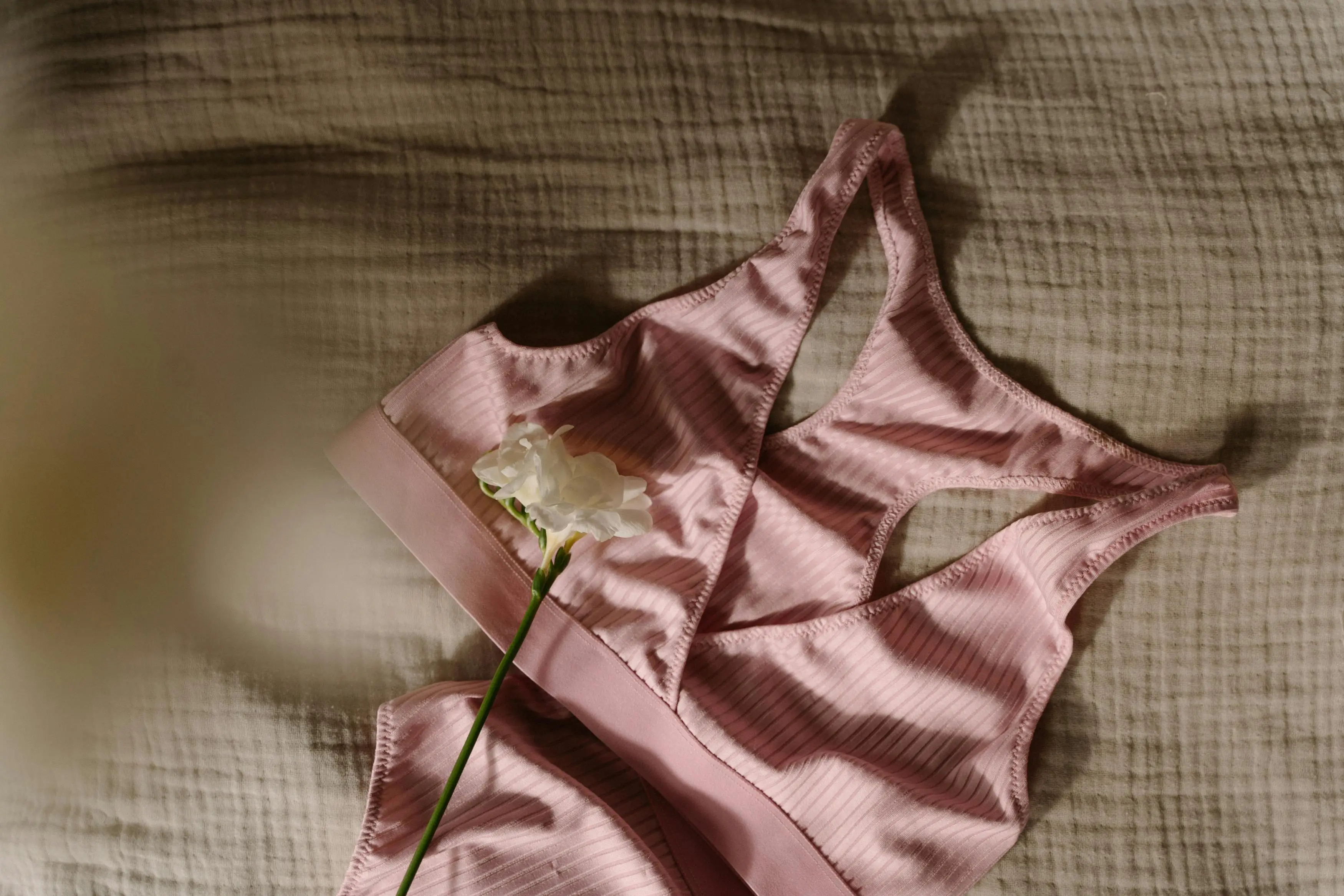
1.The Importance of Choosing the Right Underwear Fabric
Before exploring different fabrics, it’s critical to understand why choosing the right underwear fabric matters so much. Our skin, the body’s largest and most sensitive organ, stays in prolonged contact with underwear, making the fabric key to skin health.
Comfort is a top priority—soft fabrics prevent friction and irritation, letting you move freely, while rough materials cause chafing and distract you throughout the day. Breathableness is equally vital: the groin area sweats easily, and breathable fabrics wick moisture away, avoiding bacterial growth, odors, and skin infections. Poorly breathable fabrics trap sweat, creating a damp, bacteria-friendly environment.
Good elasticity ensures a snug, supportive fit that moves with your body without losing shape. Durability is also practical—quality fabrics resist fading, shrinking, and wear after repeated washes, saving money in the long run. Finally, fabric choices reflect personal style, with options like luxurious silk and casual cotton letting you express your taste even in undergarments.
2.Common Underwear Fabrics: Characteristics, Pros&Cons
2.1Cotton
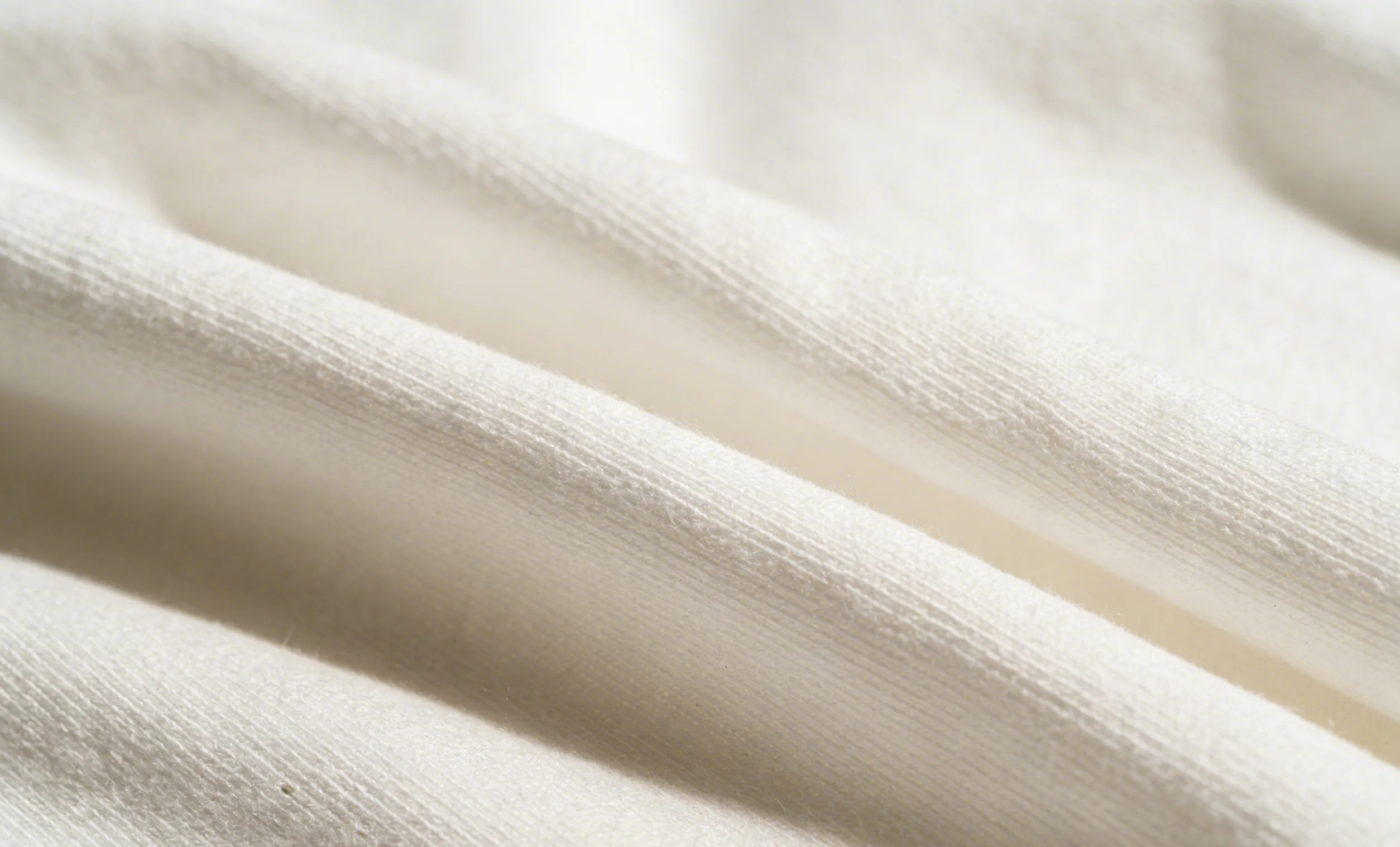
Cotton is undoubtedly one of the most widely used fabrics in the production of underwear, and for good reason. It is a natural fiber derived from the cotton plant, known for its exceptional breathability, softness, and durability.
Characteristics
Cotton fibers are hollow, which allows air to circulate freely, making cotton underwear highly breathable. This breathability helps to wick away moisture from the skin, keeping you dry and comfortable throughout the day. The softness of cotton is another standout feature—its fibers are gentle and smooth, providing a luxurious feel against the skin. Cotton is also highly durable, able to withstand repeated washing and wearing without losing its shape or softness. Additionally, cotton is hypoallergenic, making it suitable for people with sensitive skin.
Pros
- Breathability: Cotton’s hollow fibers promote air circulation, preventing moisture buildup and keeping the skin dry.
- Softness: The natural texture of cotton is gentle and comfortable, reducing friction and irritation.
- Durability: Cotton underwear can last for a long time with proper care, maintaining its quality and shape.
- Hypoallergenic: It is less likely to cause allergic reactions, making it ideal for sensitive skin.
- Versatility: Cotton can be blended with other fibers to enhance its properties, such as adding Lycra for elasticity.
Cons
- Wrinkle-prone: Pure cotton underwear tends to wrinkle easily, which may require ironing to maintain a neat appearance.
- Shrinkage: If not washed and dried properly, cotton can shrink, affecting the fit of the underwear.
- Slow drying: Compared to synthetic fabrics, cotton absorbs moisture and takes longer to dry, which may be a drawback in humid environments or for people who sweat heavily.
Suitable Scenarios
Cotton underwear is perfect for everyday wear, thanks to its comfort and breathability. It is suitable for all seasons, but particularly ideal for summer when breathability is a top priority. Cotton is also a great choice for people with sensitive skin, as it minimizes the risk of irritation. Additionally, cotton underwear is suitable for casual occasions, such as daily commutes, weekends, or lounging at home.
2.2Lycra (Spandex)
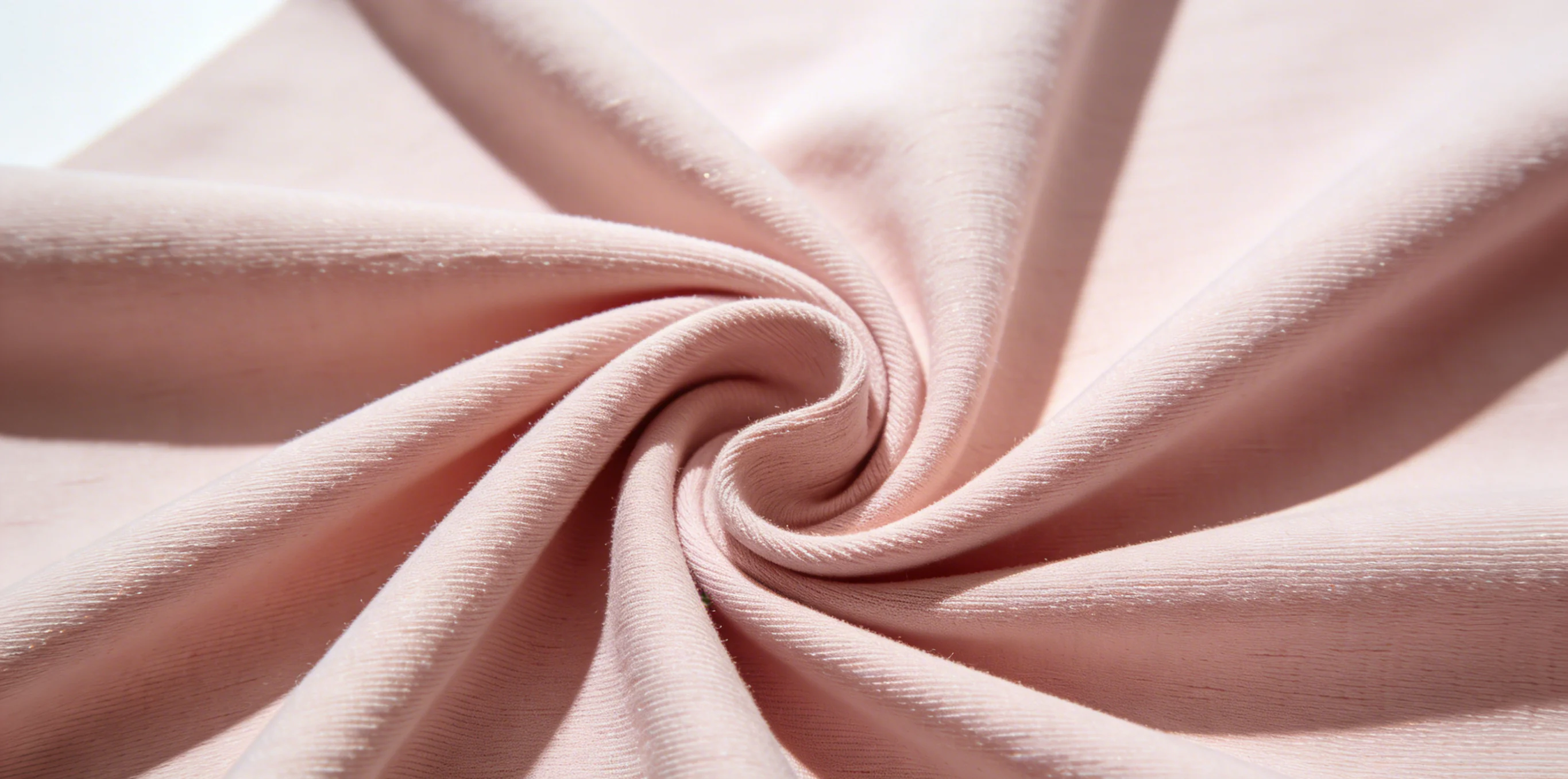
Lycra, also known as Spandex, is a synthetic fiber that has revolutionized the underwear industry with its exceptional elasticity and recovery capacity. It is often blended with other fabrics to enhance their stretch and fit.
Characteristics
Lycra is known for its remarkable elasticity—it can stretch up to 600% of its original length and return to its original shape without losing elasticity. This makes Lycra-blended underwear highly flexible, allowing for unrestricted movement. Lycra also has excellent recovery properties, ensuring that the underwear maintains its shape even after repeated stretching. It is lightweight and soft, providing a comfortable fit that hugs the body without feeling restrictive.
Pros
- Exceptional elasticity: Lycra allows underwear to stretch and move with the body, providing a snug and comfortable fit.
- Good recovery: It retains its shape even after frequent use and washing, ensuring long-lasting fit.
- Lightweight and soft: Lycra-blended fabrics are lightweight and gentle against the skin, reducing friction.
- Enhances fit: When blended with other fabrics such as cotton or polyamide, Lycra improves the fit and flexibility of the underwear.
Cons
- Poor breathability: Pure Lycra has limited breathability, so it is rarely used alone in underwear. It is usually blended with other breathable fabrics to address this issue.
- May cause irritation for some: While Lycra is generally hypoallergenic, some people may be sensitive to the synthetic fibers, especially if the blend has a high percentage of Lycra.
- Requires careful care: Lycra can be damaged by high heat, so it is important to wash and dry Lycra-blended underwear at low temperatures.
Suitable Scenarios
Lycra-blended underwear is ideal for activities that require a lot of movement, such as sports, workouts, or dance. The elasticity of Lycra provides support and flexibility, allowing for a full range of motion without the underwear slipping or bunching. It is also a great choice for everyday wear, as it offers a comfortable and snug fit that adapts to the body’s contours. Additionally, Lycra-blended underwear is popular for shapewear, as it helps to smooth and contour the body while providing support.
2.3Polyamide
Polyamide, also known as nylon, is a synthetic fiber that is widely used in the production of underwear. It is valued for its stretch, durability, and moisture-wicking properties.
Characteristics
Polyamide has excellent stretch and recovery capabilities, similar to Lycra, but with a slightly stiffer texture. It is highly resistant to wear and abrasion, making it durable and long-lasting. Polyamide is also known for its moisture-wicking properties—it can absorb moisture from the skin and quickly wick it away to the outer surface of the fabric, where it evaporates, keeping the skin dry and cool. Additionally, polyamide is soft to the touch and has a smooth, sleek appearance.
Pros
- Stretch and recovery: Polyamide offers good stretch and recovery, ensuring a comfortable and snug fit that maintains its shape.
- Durability: It is highly resistant to wear and tear, making it suitable for frequent use.
- Moisture-wicking: Polyamide effectively wicks away moisture, keeping the skin dry and preventing the growth of bacteria.
- Soft and smooth: It has a soft, smooth texture that feels comfortable against the skin.
- Quick-drying: Compared to cotton, polyamide dries quickly, making it ideal for humid environments or for people who sweat heavily.
Cons
- Breathability: While polyamide is moisture-wicking, it is not as breathable as cotton. In hot weather, it may trap some heat, leading to discomfort.
- May cause static electricity: Polyamide is prone to static electricity, which can be annoying, especially in dry environments.
- Not biodegradable: As a synthetic fiber, polyamide is not biodegradable, which may have environmental implications.
Suitable Scenarios
Polyamide underwear is a great choice for sports and activewear, as its moisture-wicking and stretch properties provide comfort and support during physical activity. It is also suitable for everyday wear, especially for people who prefer a snug, form-fitting style. Additionally, polyamide is often used in the production of lingerie, as its smooth texture and stretch allow for attractive and flattering designs.
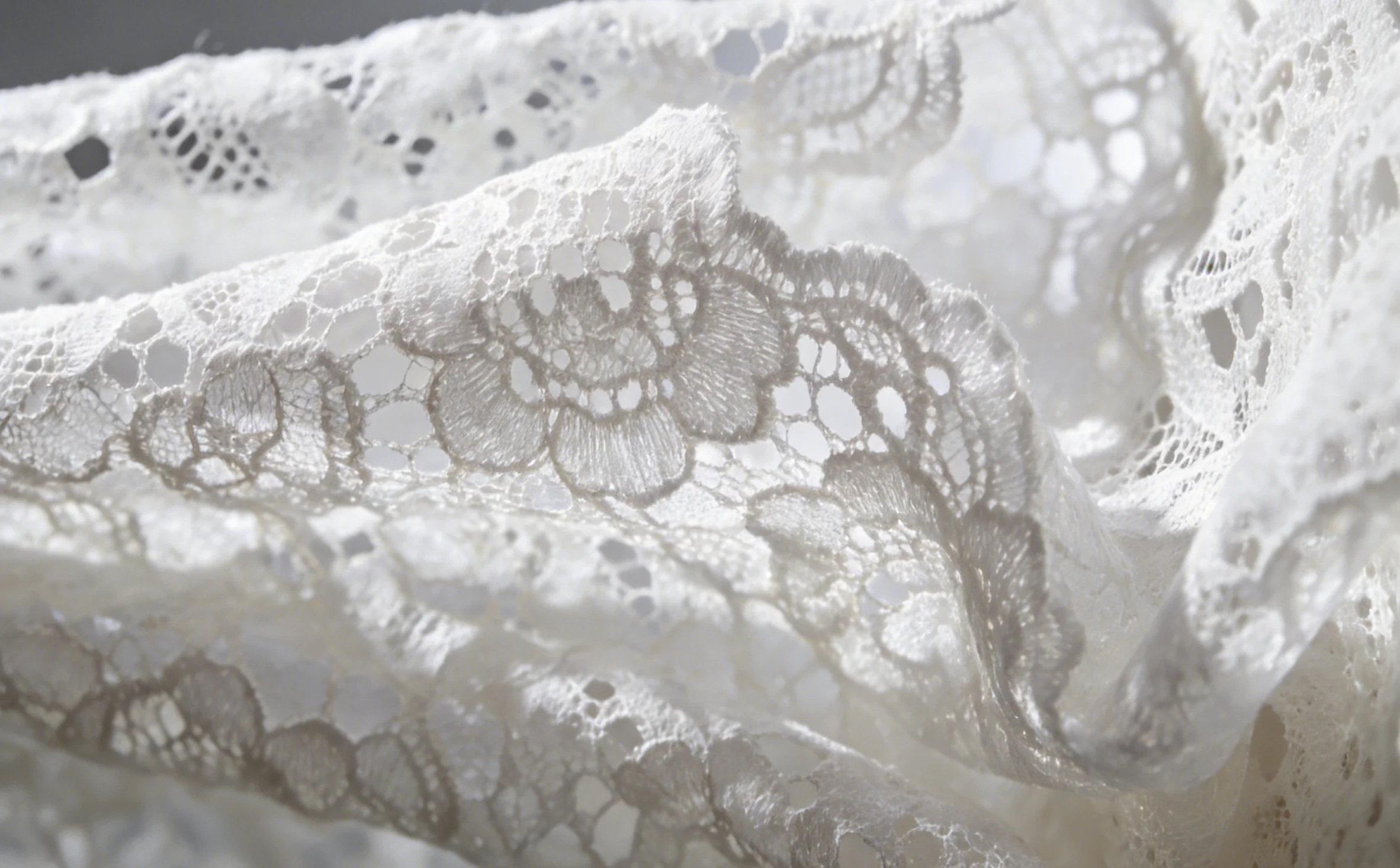
2.4Lace
Lace is a delicate, decorative fabric that is widely used in lingerie for its feminine and romantic appeal. It is typically made from cotton, silk, nylon, or a blend of these fibers.
Characteristics
Lace is known for its intricate patterns and open-weave structure, which gives it a lightweight and breathable quality. It has a slightly elastic nature, allowing it to adapt to the body’s contours without losing its shape. Lace can be either soft and delicate or more structured, depending on the type of fibers used and the weaving technique. It is often used as an overlay or accent on lingerie, adding a touch of romance and femininity.
Pros
- Feminine and romantic appearance: Lace’s intricate patterns and delicate texture make it a popular choice for romantic lingerie.
- Breathable: The open-weave structure of lace allows for air circulation, making it relatively breathable.
- Elasticity: Lace has a slight stretch, which ensures a comfortable fit that adapts to the body.
- Versatile: It can be used in a variety of lingerie designs, from bras and panties to nightgowns and bodysuits.
Cons
- Delicate: Lace is a delicate fabric that can easily tear or fray if not handled with care.
- May cause irritation: Some types of lace, especially those made from synthetic fibers, may have rough edges that can irritate the skin.
- Requires gentle care: Lace requires gentle washing and drying to preserve its delicate structure.
Suitable Scenarios
Lace is ideal for romantic and feminine lingerie, such as bras, panties, bodysuits, and nightgowns. It is perfect for special occasions or for adding a touch of elegance to your everyday underwear collection. When choosing lace underwear, it is important to look for high-quality lace with smooth edges to minimize the risk of irritation.
2.5Silk
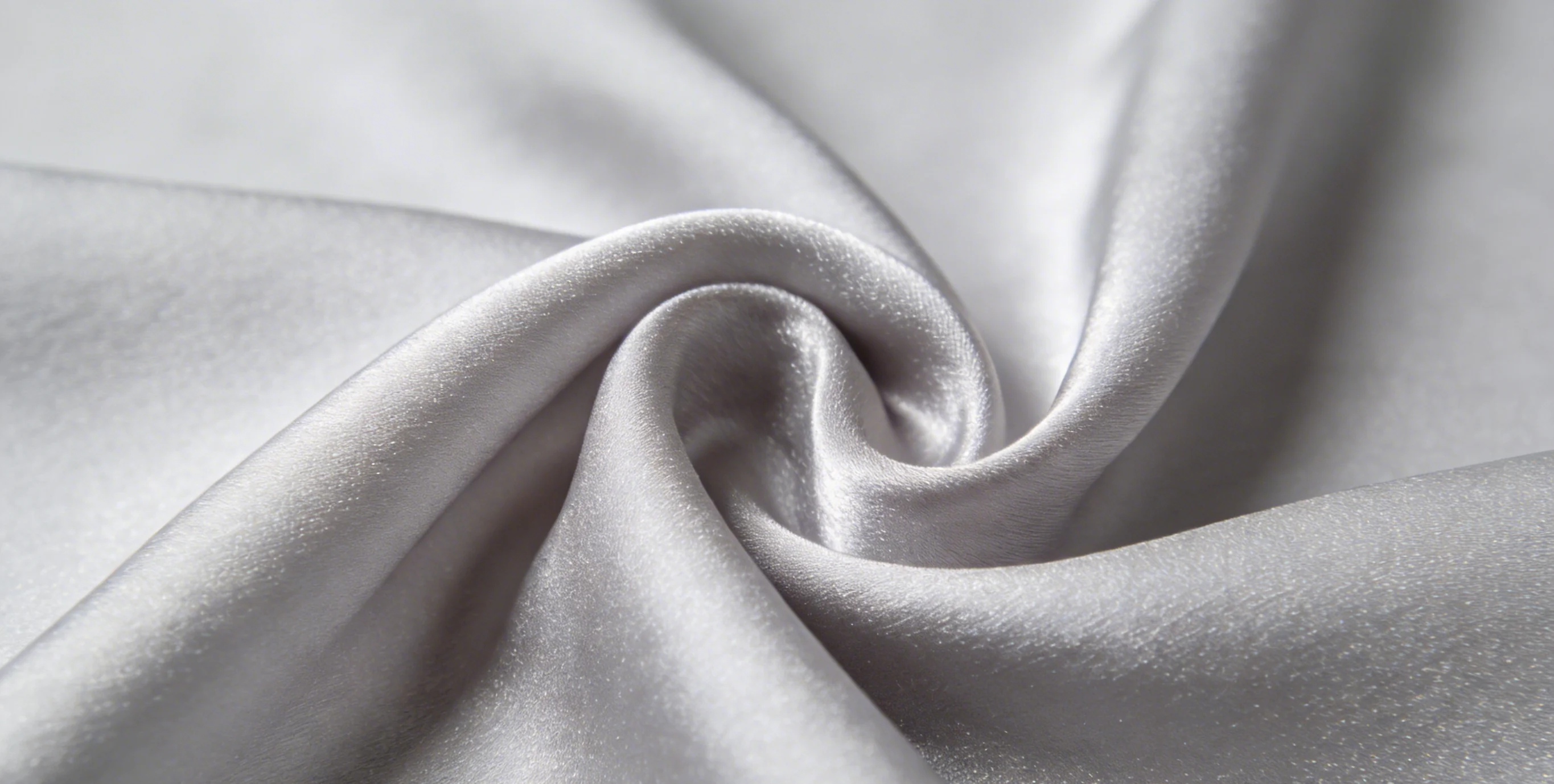
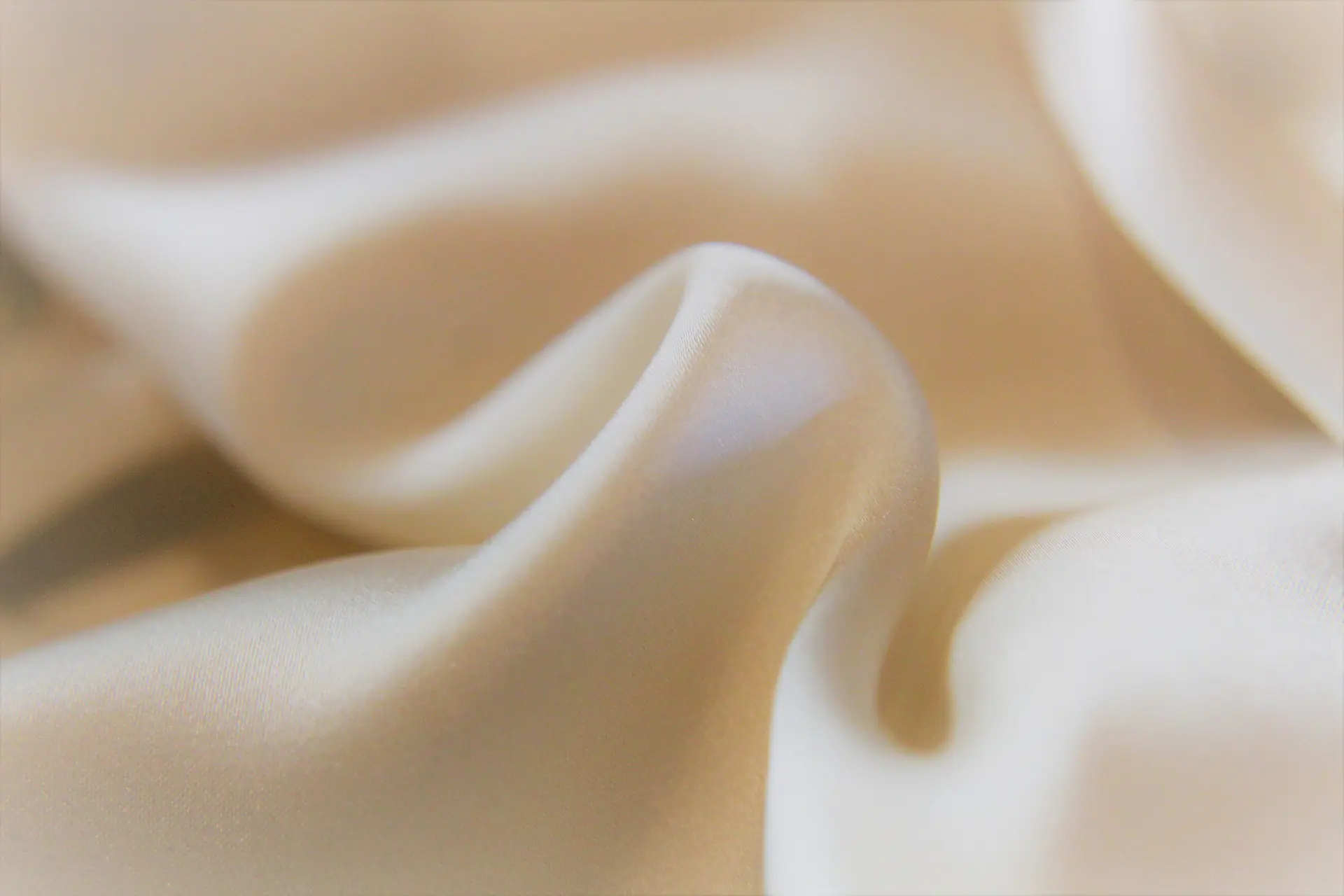
Silk is a luxurious, natural fabric that is highly prized for its softness, luster, and durability. It is derived from the cocoons of silkworms and is one of the most expensive fabrics used in underwear production.
Characteristics
Silk is known for its exceptional softness and smoothness, providing a luxurious feel against the skin. It has a natural luster that gives it a lavish appearance, making it a popular choice for high-end lingerie. Silk is also highly breathable, allowing air to circulate freely and wicking away moisture from the skin. Additionally, silk is strong and durable, with good resistance to wear and tear. It is a natural protein fiber, which makes it hypoallergenic and suitable for sensitive skin.
Pros
- Luxurious softness: Silk’s soft and smooth texture provides an unparalleled wearing experience.
- Natural luster: It has a beautiful, radiant appearance that adds a touch of elegance to lingerie.
- Breathability and moisture-wicking: Silk allows air circulation and wicks away moisture, keeping the skin dry and comfortable.
- Durability: High-quality silk is strong and long-lasting, with proper care.
- Hypoallergenic: It is suitable for sensitive skin, as it is less likely to cause irritation.
Cons
- High cost: Silk is one of the most expensive underwear fabrics, making it a luxury choice for many consumers.
- Delicate: Silk is a delicate fabric that requires gentle care, including hand washing or dry cleaning.
- Wrinkle-prone: Silk tends to wrinkle easily, which may require ironing or steaming to maintain a neat appearance.
- Not suitable for heavy sweating: While silk is breathable, it absorbs moisture and takes longer to dry than synthetic fabrics, making it less ideal for heavy physical activity or hot weather.
Suitable Scenarios
Silk underwear is perfect for special occasions, such as anniversaries, dates, or weddings, as it adds a touch of luxury and romance. It is also suitable for everyday wear for those who are willing to invest in high-quality, comfortable undergarments. Silk is ideal for people with sensitive skin, as its soft and hypoallergenic properties minimize irritation. Additionally, silk nightgowns and loungewear are popular for their comfort and elegance, perfect for relaxing at home.
3.Factors to Consider When Choosing Underwear Fabrics
With so many different underwear fabrics available, it can be overwhelming to choose the right one. However, by considering the following factors, you can make an informed decision that meets your needs for quality, comfort, and well-being.
3.1Skin Type
Your skin type is one of the most important factors to consider when choosing underwear fabrics. If you have sensitive skin, you should opt for hypoallergenic fabrics such as cotton, silk. These fabrics are gentle on the skin and less likely to cause irritation or allergic reactions. Avoid synthetic fabrics such as pure Lycra or low-quality polyamide, which may contain chemicals that can irritate sensitive skin. If you have oily or acne-prone skin, choose breathable fabrics that wick away moisture, such as cotton or polyamide, to prevent the buildup of sweat and bacteria.
3.2Activity Level
Your activity level also plays a role in determining the best underwear fabric for you. If you lead an active lifestyle and engage in regular exercise, you should choose fabrics with good moisture-wicking and stretch properties, such as Lycra-blended polyamide or cotton. These fabrics will keep you dry and comfortable during physical activity, providing support and flexibility. For everyday wear or low-intensity activities, cotton is a excellent choice, as they offer breathability and comfort. If you spend most of your day sitting or in a cool environment, you may prefer a warmer fabric such as silk or a cotton blend.
3.3Climate
The climate in which you live also affects your choice of underwear fabric. In hot and humid weather, breathable and moisture-wicking fabrics are essential to keep you cool and dry. Cotton, and polyamide are all good choices for hot weather, as they allow air circulation and wick away moisture. In cold weather, you may prefer a warmer fabric such as silk or a cotton blend with a thicker weave. Additionally, quick-drying fabrics are ideal for humid climates or for people who sweat heavily, as they prevent moisture buildup and keep you comfortable.
3.4Style and Preference
Your personal style and preferences also play a role in choosing underwear fabrics. If you prefer a casual, comfortable look, cotton is a great choice. For a more luxurious and elegant appearance, silk or Lyocell are ideal. If you like form-fitting underwear that hugs your body, Lycra-blended fabrics are the way to go. Additionally, consider the design of the underwear—some fabrics are better suited for certain styles, such as lace for romantic lingerie or organza for decorative details.
3.5Quality and Durability
When choosing underwear fabrics, it is important to consider the quality and durability of the material. High-quality fabrics will last longer, maintain their shape and softness, and provide better comfort and support. Look for fabrics that are well-constructed, with strong seams and no loose threads. Additionally, check the care instructions for the fabric—some fabrics require more delicate care than others, which may affect their durability if not followed properly. Investing in high-quality underwear fabrics may cost more upfront, but it will save you money in the long run, as you won’t have to replace your underwear as frequently.
4.Care Tips for Five Underwear Fabrics to Extend Their Lifespan
4.1Cotton
- Washing: Wash cotton underwear in cold or warm water, using a mild detergent. Avoid using bleach or fabric softeners, as they can damage the fibers and reduce the fabric’s absorbency.
- Drying: Tumble dry cotton underwear on low heat or hang them to dry. Avoid drying them in direct sunlight, as this can cause fading.
- Ironing: If necessary, iron cotton underwear on a low heat setting. Avoid ironing over prints or embellishments, as this can damage them.
4.2Lycra (Spandex)
- Washing: Wash Lycra-blended underwear in cold water, using a gentle cycle. Avoid using harsh detergents or bleach, as they can break down the elastic fibers.
- Drying: Tumble dry on low heat or hang to dry. Do not dry Lycra underwear in direct sunlight or use high heat, as this can damage the elasticity.
- Avoiding friction: Avoid washing Lycra underwear with rough fabrics, such as denim, as this can cause pilling and damage to the elastic.
4.3Polyamide
- Washing: Wash polyamide underwear in cold or warm water, using a mild detergent. Avoid using bleach or fabric softeners, as they can affect the fabric’s moisture-wicking properties.
- Drying: Tumble dry on low heat or hang to dry. Polyamide dries quickly, so there is no need to use high heat.
- Static control: To reduce static electricity, add a fabric softener sheet to the dryer or spray the underwear with a static control spray.
4.4Lace
- Washing: Hand wash organza and lace underwear in cold water, using a mild detergent. Avoid machine washing, as this can cause fraying and damage to the delicate fibers.
- Drying: Lay flat to dry or hang to dry. Do not tumble dry, as this can damage the fabric.
- Storage: Store organza and lace underwear in a cool, dry place, away from direct sunlight. Avoid folding them tightly, as this can cause wrinkles.
4.5Silk
- Washing: Hand wash silk underwear in cold water, using a mild, pH-neutral detergent. Avoid using bleach, fabric softeners, or harsh detergents, as they can damage the silk fibers.
- Drying: Lay flat to dry or hang to dry. Do not tumble dry or dry in direct sunlight, as this can cause the silk to fade and lose its luster.
- Ironing: If necessary, iron silk underwear on a low heat setting, using a pressing cloth to protect the fabric.
- Dry cleaning: For delicate silk underwear, consider dry cleaning to maintain their quality and appearance.
Conclusion
Choosing the right underwear fabric is a crucial decision that impacts your comfort, skin health, and overall well-being. With a wide range of fabrics available, each with its own unique characteristics, advantages, and disadvantages, it is important to consider your skin type, activity level, climate, style preferences, and quality requirements when making a choice.
Cotton remains a popular choice for its breathability, softness, and affordability, making it ideal for everyday wear. Lycra-blended fabrics offer exceptional elasticity and fit, perfect for active lifestyles and form-fitting designs. Polyamide provides durability and moisture-wicking properties, suitable for sports and humid environments, while silk offers luxurious comfort and sophistication.
By understanding the characteristics of different fabrics and following proper care instructions, you can ensure that your underwear remains comfortable, durable, and in good condition for a long time. Whether you prefer the casual comfort of cotton, the stretch of Lycra, or the luxury of silk, there is an underwear fabric that meets your needs. Invest in high-quality underwear fabrics that prioritize your comfort and well-being, and you will enjoy the benefits of comfortable, healthy, and stylish undergarments every day.


Cherry Hu is a lingerie purchasing manager with hands-on experience in underwear sourcing and factory coordination. She works closely with manufacturers to manage product development, fabric selection, fit standards, and cost control across different production stages.
Through her articles, Cherry shares real-world sourcing experience, common mistakes buyers should avoid, and practical tips for working with underwear suppliers. Her goal is to help brands and wholesalers make informed purchasing decisions and build long-term, reliable supply chains in the lingerie industry.


