

If you’re an importer, wholesaler, Amazon seller, or business sourcing products from China, choosing the right shipping port can have a major impact on your costs, transit times, and overall supply chain efficiency. As one of the world’s busiest container ports, the Port of Shenzhen is a top choice for exporting everything from electronics and furniture to machinery and consumer goods.
In this Port of Shenzhen Guide, you’ll learn about the key differences between Yantian and Shekou ports, available shipping methods, major international routes, and practical tips for avoiding common logistics challenges. Whether you’re shipping your first order or managing regular imports, this guide will help you make informed decisions and streamline your shipping process.
What Is the Port of Shenzhen?
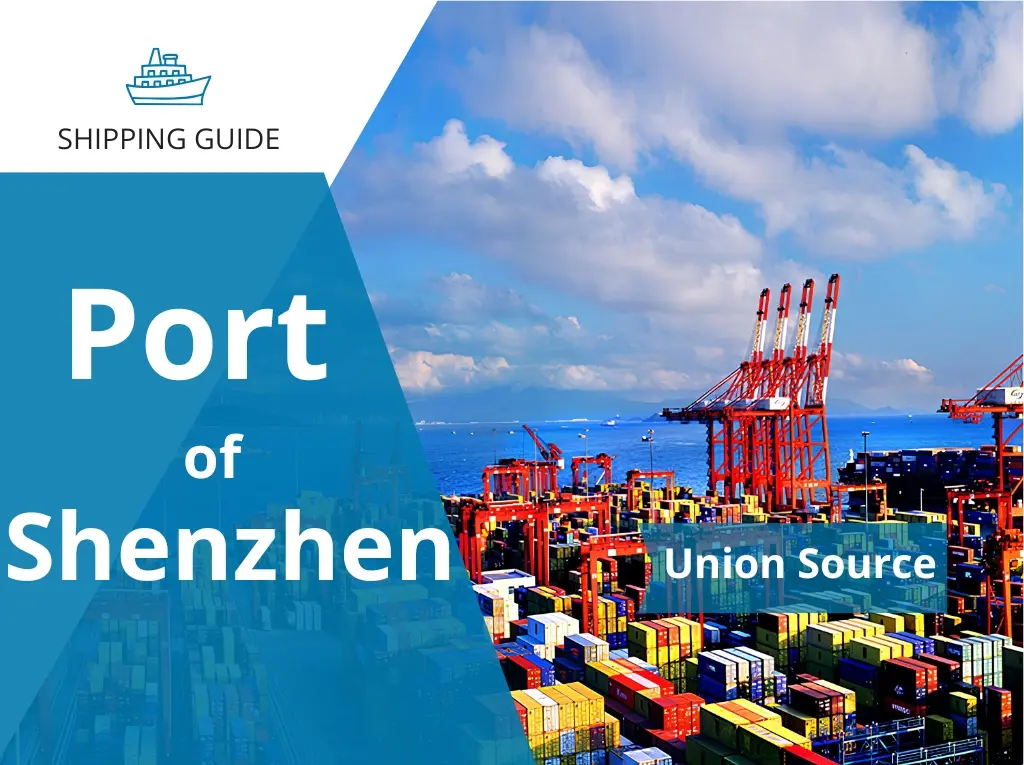
The Port of Shenzhen is one of the world’s busiest container ports and a major gateway for China’s international trade. Located in Guangdong Province in southern China, it connects manufacturers across the Pearl River Delta with hundreds of ports worldwide through extensive shipping routes.
Rather than a single terminal, the Port of Shenzhen consists of several port areas, including Yantian, Shekou, Chiwan, and Dachan Bay. Together, they handle a wide range of cargo, from electronics and consumer goods to machinery and industrial equipment. Thanks to its modern facilities, efficient customs procedures, and proximity to major manufacturing hubs, the Port of Shenzhen is a preferred choice for importers seeking fast and reliable ocean freight from China.
Major Port Areas of Shenzhen
The Port of Shenzhen is made up of several modern port areas, each serving different shipping needs. Among them, Yantian Port and Shekou Port are the most important for international container exports, while Chiwan Port and Dachan Bay Port also play key roles in handling cargo efficiently.
Yantian Port
Yantian Port is the largest and busiest terminal within the Port of Shenzhen. It specializes in deep-sea container shipping and offers frequent direct services to North America, Europe, and other major international markets. Because of its high handling capacity and efficient operations, many exporters choose Yantian for long-distance ocean freight.
Best for:
- Electronics and consumer goods
- Furniture and home products
- Large-volume FCL shipments
- Direct routes to the U.S. and Europe
Shekou Port
Located closer to central Shenzhen, Shekou Port is a major international container terminal known for its flexible shipping services. It handles both full container load (FCL) and less than container load (LCL) shipments and provides frequent connections to Southeast Asia, the Middle East, Europe, and beyond.
Best for:
- Mixed cargo and consolidated shipments
- Small and medium-sized export orders
- Regional and global container shipping
Chiwan Port
Chiwan Port primarily serves containerized cargo, industrial products, and project cargo. Its convenient location and integrated logistics facilities make it a reliable option for manufacturers in western Shenzhen and nearby industrial areas.
Best for:
- Industrial equipment
- Machinery and project cargo
- General container exports
Dachan Bay Port
Dachan Bay Port is one of Shenzhen’s newer deep-water terminals, designed to accommodate large container vessels and support growing international trade. It has become an important gateway for cross-border e-commerce and general merchandise exports.
Best for:
- E-commerce products
- Consumer goods
- High-volume container shipments
What Products Are Commonly Shipped Through Shenzhen Port?
As one of China’s leading export gateways, the Port of Shenzhen handles a wide variety of products destined for markets around the world. Its location in the heart of the Pearl River Delta—one of the world’s largest manufacturing regions—makes it the preferred shipping port for countless industries.
Here are some of the most commonly exported products through Shenzhen Port:
Electronics and Consumer Electronics
Shenzhen is known as China’s electronics manufacturing hub. Products such as smartphones, tablets, smart home devices, computer accessories, LED lighting, and electronic components are shipped daily through Yantian and Shekou Ports to buyers worldwide.
Home Goods and Furniture
Importers frequently use Shenzhen Port to export furniture, kitchenware, home décor, storage products, and household essentials. Many of these products are manufactured in nearby cities such as Dongguan and Foshan, allowing for fast inland transportation to the port.
Machinery and Industrial Equipment
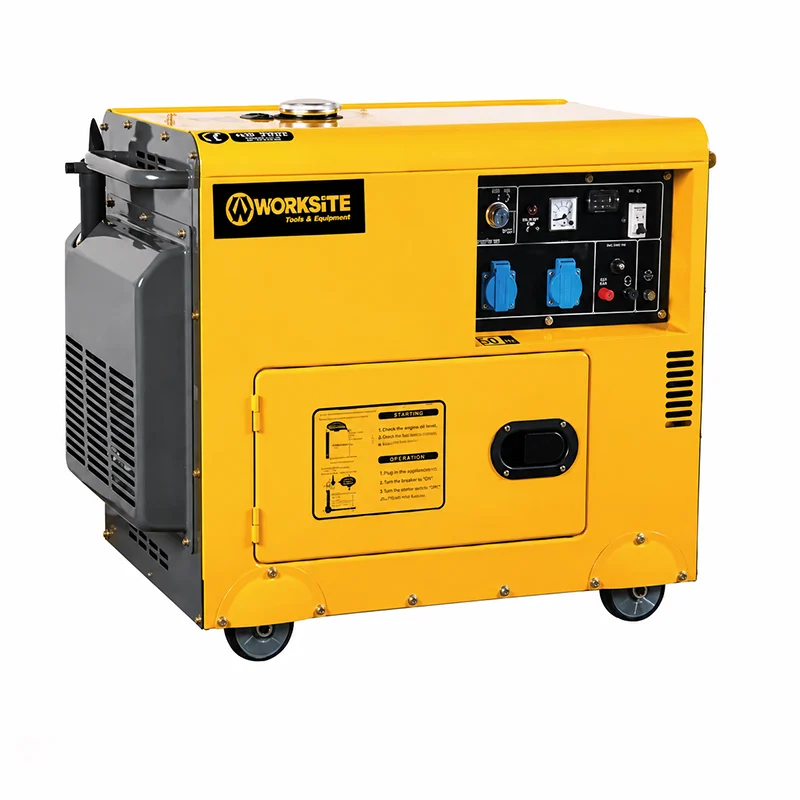
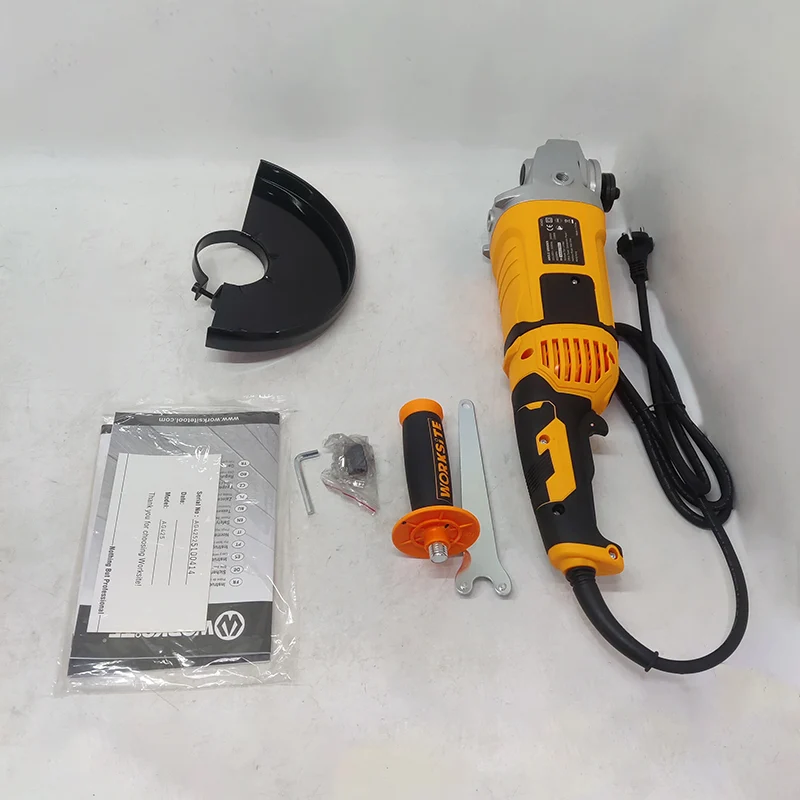
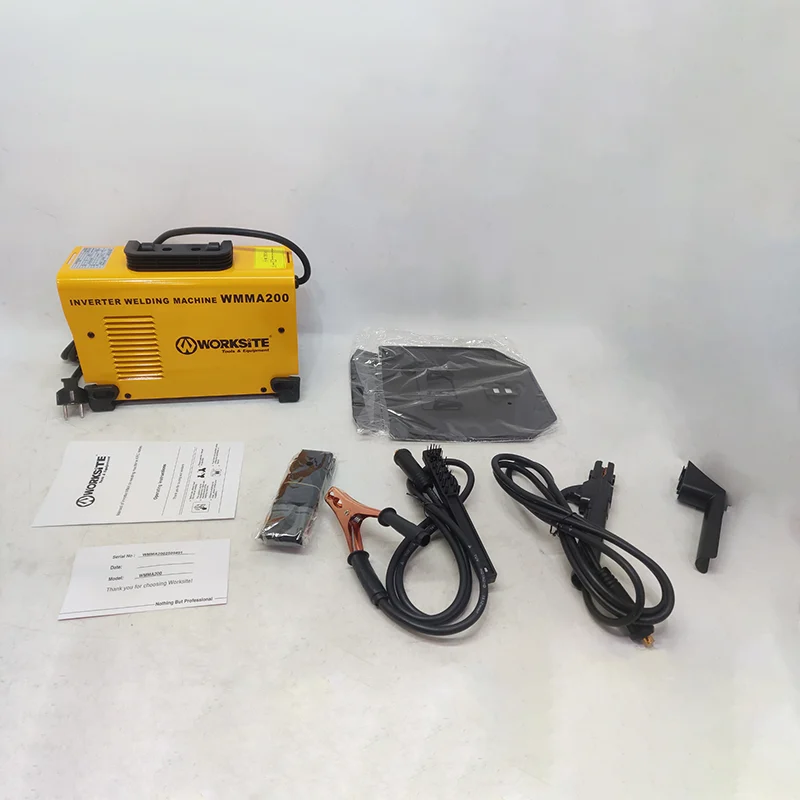
Factories across Guangdong Province export machinery, power tools, construction equipment, and industrial components through Shenzhen’s deep-water terminals. These products are typically shipped in full containers to North America, Europe, and Southeast Asia.
Toys and Gifts
China is the world’s largest producer of toys, gifts, and seasonal products. Many importers sourcing from Shenzhen, Dongguan, or nearby Yiwu consolidate their orders before shipping through Shenzhen Port, especially during peak holiday seasons.
Textiles, Apparel, and Fashion Accessories
Clothing, footwear, bags, hats, jewelry, and fashion accessories are also commonly exported through Shenzhen. Both FCL and LCL shipping options make it easy for businesses of different sizes to transport these products internationally.
Auto Parts and Hardware
Automotive components, metal hardware, tools, fasteners, and building materials are another major export category. Shenzhen’s efficient logistics network supports the safe handling of both standard and heavy industrial cargo.
Why Importers Choose the Port of Shenzhen
The Port of Shenzhen has become one of the world’s leading export hubs because it combines strategic location, modern infrastructure, and extensive international shipping connections. For importers, these advantages translate into faster deliveries, competitive freight costs, and a more reliable supply chain.
Close to Major Manufacturing Hubs
Shenzhen is located in the heart of the Pearl River Delta, one of China’s largest manufacturing regions. Factories in Shenzhen, Dongguan, Guangzhou, Foshan, Zhongshan, and Huizhou can transport goods to the port quickly, reducing inland transportation costs and shortening export lead times.
Extensive Global Shipping Network
The Port of Shenzhen offers regular container services to major destinations across North America, Europe, Southeast Asia, the Middle East, Australia, and Africa. Frequent vessel departures provide importers with greater flexibility when planning shipments and help minimize delays.
Efficient Port Operations
With advanced container terminals, modern cargo handling equipment, and streamlined customs procedures, Shenzhen Port is built to process large volumes of cargo efficiently. Faster loading and clearance times help ensure goods leave China on schedule.
Flexible Shipping Options
Whether you’re shipping a full container (FCL), consolidating smaller orders into an LCL shipment, or combining products from multiple suppliers, Shenzhen Port offers flexible logistics solutions for businesses of all sizes.
Competitive Shipping Costs
As one of China’s busiest export ports, Shenzhen benefits from strong competition among shipping lines and freight forwarders. This often results in more route options and competitive ocean freight rates, especially for high-volume trade lanes.
Shipping Methods Available at Shenzhen Port
The Port of Shenzhen offers a variety of shipping solutions to meet different cargo sizes, budgets, and delivery schedules. Choosing the right shipping method can help reduce logistics costs while ensuring your products arrive on time.
Full Container Load (FCL)
FCL (Full Container Load) is the best option when your cargo can fill most or all of a container. Your goods are loaded into a dedicated container, reducing handling during transit and lowering the risk of damage.
Best for:
- Large-volume orders
- Heavy or high-value products
- Importers with regular shipments
Advantages:
- Faster handling and transit
- Better cargo security
- Lower cost per unit for large shipments
Less than Container Load (LCL)
LCL (Less than Container Load) allows multiple shippers to share a single container. It is an economical choice for businesses that don’t have enough cargo to fill an entire container.
Best for:
- Small and medium-sized orders
- New importers
- Trial or sample shipments
Advantages:
- Lower upfront shipping costs
- No need to wait until you have a full container
- Flexible shipping for smaller volumes
Container Consolidation
Many importers purchase products from several factories across China. Instead of shipping each order separately, goods can be consolidated into one container before export.
Best for:
- Multi-supplier sourcing
- Mixed product orders
- Businesses looking to reduce freight costs
Advantages:
- Lower overall shipping expenses
- Simplified customs documentation
- Easier inventory management
- Fewer international shipments to coordinate
Sea-Air Combined Shipping
For shipments that are too urgent for ocean freight but too expensive for full air freight, sea-air shipping offers a practical balance. Goods are transported by sea to a regional hub before continuing by air to the final destination.
Best for:
- Time-sensitive shipments
- Medium-value products
- Orders with tight delivery deadlines
Advantages:
- Faster than sea freight
- More affordable than air freight
- Greater flexibility for international shipping
Port of Shenzhen vs. Port of Ningbo vs. Port of Shanghai
China is home to several of the world’s busiest ports, with Shenzhen, Ningbo, and Shanghai among the most important for international trade. While all three offer excellent global shipping connections, the best choice depends on where your products are manufactured, your target market, and your logistics requirements.
| Feature | Port of Shenzhen | Port of Ningbo | Port of Shanghai |
| Primary Service Area | Guangdong & Pearl River Delta | Zhejiang & Eastern China | Shanghai, Jiangsu & Yangtze River Delta |
| Common Export Products | Electronics, furniture, home goods, machinery | Consumer goods, textiles, machinery, chemicals | Industrial equipment, automotive parts, electronics, consumer goods |
| Best For | Products sourced from Southern China | Exports from Zhejiang manufacturers | Shipments from Eastern China |
| International Routes | Strong connections to North America, Europe, Southeast Asia, Middle East | Extensive global network | Extensive global network with high sailing frequency |
| Key Advantages | Close to manufacturing hubs, flexible shipping options | Deep-water port with large container capacity | Excellent infrastructure and comprehensive logistics services |
How to Ship Goods Through the Port of Shenzhen
Shipping through the Port of Shenzhen is a straightforward process when each stage is carefully planned. Whether you’re importing a full container or consolidating products from multiple suppliers, following the right steps can help avoid delays and unnecessary costs.
1. Source and Confirm Your Products
Choose reliable suppliers and confirm product specifications, pricing, production timelines, and packaging requirements before placing your order. Clear communication at this stage helps prevent issues later in the shipping process.
2. Inspect the Goods Before Shipment
Arrange a quality inspection once production is complete. Verifying product quality before the goods leave the factory is much easier and more cost-effective than resolving problems after they arrive at the destination.
3. Prepare Export Documents
Ensure all required shipping documents are complete and accurate. Depending on your shipment and destination country, these may include:
- Commercial Invoice
- Packing List
- Bill of Lading
- Certificate of Origin (if required)
- Other destination-specific certificates or permits
Incomplete or inaccurate documentation can lead to customs delays.
4. Choose the Right Shipping Method
Select the shipping solution that best fits your order size and delivery requirements. For example:
- FCL for large shipments
- LCL for smaller orders
- Container consolidation for products sourced from multiple suppliers
- Sea-air shipping for faster delivery when time is critical
5. Book Ocean Freight
Once your cargo is ready, reserve space with a shipping line or freight forwarder. During busy seasons, booking early is recommended to secure container space and avoid higher freight rates.
6. Customs Clearance and Container Loading
After export customs clearance is completed, your cargo is loaded onto the container and transported to the assigned terminal, such as Yantian or Shekou, before being loaded onto the vessel.
7. Ocean Transportation and Final Delivery
Your shipment is transported to the destination port, where it undergoes import customs clearance before being delivered to your warehouse or final destination.
Frequently Asked Questions
Is the Port of Shenzhen the largest port in China?
No. The Port of Shanghai handles the highest container volume in China. However, the Port of Shenzhen is one of the world’s busiest container ports and is a leading export gateway for products manufactured in southern China.
Which is better, Yantian Port or Shekou Port?
It depends on your shipment. Yantian Port is often preferred for large international container shipments and direct long-haul routes, while Shekou Port offers flexible services for both FCL and LCL cargo with strong regional and global connections. Your supplier’s location and destination market will also influence the best choice.
How long does it take to ship from Shenzhen?
Transit time varies by destination and shipping route. As a general guide:
- Southeast Asia: 3–10 days
- Australia: 10–20 days
- Europe: 25–40 days
- North America: 15–35 days
Actual transit times may vary depending on the shipping line, destination port, weather conditions, and customs clearance.
Can I combine products from multiple suppliers into one shipment?
Yes. Many importers consolidate products from different factories into a single container before export. This helps reduce shipping costs, simplifies customs procedures, and improves logistics efficiency.
How can Union Source help with shipping from Shenzhen?
Union Source provides end-to-end support, including factory sourcing, supplier verification, price negotiation, quality inspection, cargo consolidation, export documentation, and international shi pping coordination. By managing the entire process, we help importers save time, reduce costs, and ship goods from Shenzhen with greater confidence.
Conclusion
The Port of Shenzhen is one of the world’s most important shipping hubs, offering efficient logistics, modern port facilities, and direct connections to major markets across the globe. Whether you’re exporting electronics, furniture, machinery, or consumer goods, choosing the right port area, shipping method, and logistics strategy can significantly improve your supply chain and reduce overall costs.
If you’re sourcing products from China, Union Source can simplify every step of the process—from finding reliable factories and inspecting product quality to consolidating cargo and arranging worldwide shipping. Contact our team today to make your next shipment from Shenzhen more efficient, reliable, and cost-effective.

Zack, Marketing Manager at Union Source, brings years of experience in global sourcing and market strategy. Zack focuses on analyzing market trends and sharing practical insights that help international buyers and business partners stay ahead in the fast-changing world of wholesale trade.