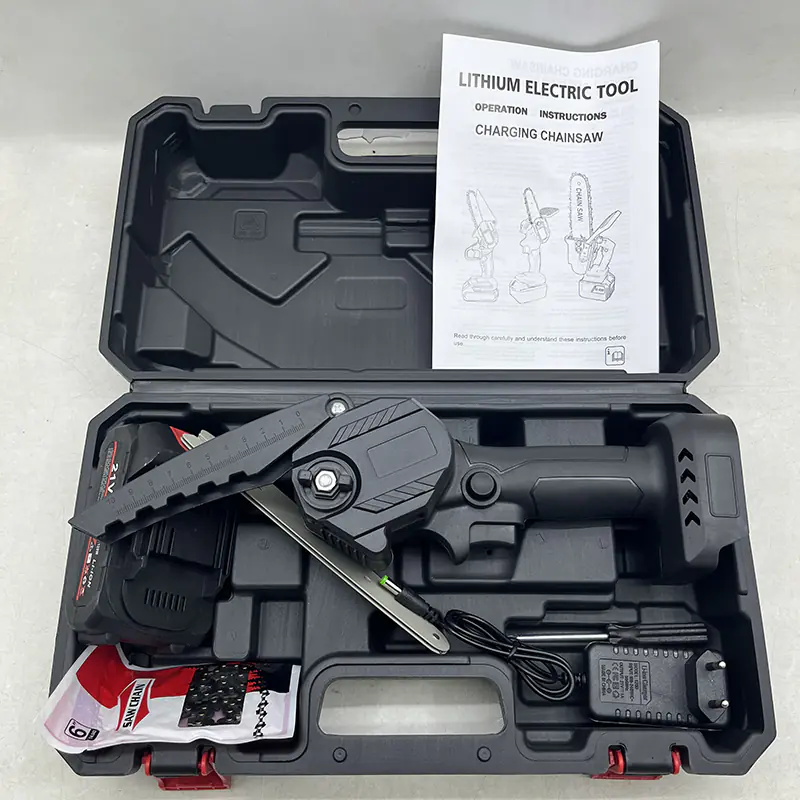


The factory price is only the first line in an import budget. The cost of importing from China also depends on samples, inspection, freight, insurance, destination charges, customs duties, import taxes, and delivery to your warehouse. Use this China-specific checklist to find missing charges before you compare supplier quotes or place a bulk order.
Key Takeaways
- Calculate landed cost to your actual delivery point, then divide by the number of saleable units
- Ask for an itemized freight quote and name the delivery point in your purchase contract
- Check duties and import taxes against the destination’s current rules; Incoterms® 2020 allocates shipment costs and risk, but does not set tax rates

What drives the cost of importing from China?
Landed cost is what you expect to spend to get saleable goods to the agreed destination. Start with the product price, then add every charge that your quoted trade term leaves to the buyer. The US International Trade Administration explains that Incoterms® 2020 has 11 rules assigning shipment tasks, costs, and risk. Your contract needs one rule, a named place, and the edition.
Use this planning formula:
Estimated delivered cost = goods + development + quality/compliance + origin charges + freight + insurance + destination charges + customs duty/tax + inland delivery + financing or contingency. For the broader calculation method, see our landed cost guide.
| Cost group | What to request before ordering |
|---|---|
| Goods and development | Unit price, quantity, samples, tooling, packaging, labels, and any buyer-provided materials |
| Quality and compliance | Factory audit or inspection, product testing, certificates, and required labeling |
| Origin | Pickup, export paperwork, terminal handling, and consolidation if your trade term makes these buyer costs |
| International transport | Freight, fuel and peak-season surcharges, insurance, and any transit or transshipment fees |
| Arrival | Destination terminal charges, customs brokerage, storage exposure, and inland delivery |
| Government charges | Duty, additional trade measures, import VAT/GST or other tax, and applicable entry fees |
| Finance | Currency conversion, transfer fees, financing, and a documented contingency |
The table is a quote checklist, not a list of charges that apply to every shipment. Several items may already be included in a supplier or forwarder price. Mark each item included, quoted separately, or still unknown to prevent double counting.
How do product development and procurement change the unit cost?
One-time costs should be spread across the units that will actually sell. If samples and tooling cost $600 and the first order contains 1,000 saleable units, the first order carries $0.60 per unit before freight or tax. That $0.60 is an illustrative calculation, not a standard China sourcing fee.
Ask the supplier to separate the sample, mold or tooling, bulk unit, packaging, and labeling prices. Confirm whether tooling belongs to you, whether the supplier will credit any sample charge against the order, and what happens if the approved sample differs from production. The WTO’s customs valuation resources are a reminder that customs value follows legal rules; buyer-provided inputs can require special review. Ask your customs broker how your specific arrangement affects the declaration.
Procurement cost changes with quantity, specifications, payment terms, and currency. Compare quotes using the same specification and delivery term. A $9.50 unit price with testing and export packing excluded may cost more than a $10 quote that includes them. For a first order or a changed design, budget for a pre-shipment inspection before the goods leave the factory.
Who pays freight and insurance under FOB, CIF, and other terms?
The trade term determines which transport costs belong in the buyer’s estimate, but payment and risk are separate questions. The ICC’s Incoterms® 2020 guidance sets out 11 rules. A contract should state, for example, “CIF Port of Los Angeles, Incoterms® 2020,” rather than “CIF China.”
| Term | Cost point to check | Risk point to check |
|---|---|---|
| EXW, named place | Buyer arranges collection and most subsequent transport; confirm export formalities with the forwarder | Goods are made available at the named place |
| FCA, named place | Seller delivers to the buyer’s carrier at the agreed place and handles export clearance | Delivery to the carrier at the named place |
| FOB, named loading port | Buyer normally arranges main carriage and any desired cargo insurance | Goods are on board the vessel at the loading port |
| CIF, named destination port | Seller pays freight and obtains the required cargo insurance to that port | Risk still transfers when goods are on board at the loading port |
| DAP, named destination | Seller pays carriage to the named destination; buyer generally handles import clearance and duty | Goods arrive ready for unloading at the named destination |
This is a planning summary. The exact rule and named place control the handoff. For containers delivered to a terminal before loading, check whether FCA fits the actual handoff better than FOB; see the site’s Incoterms® 2020 guide for more detail.
CIF does not mean the seller carries all risk until arrival. The seller pays the agreed freight and obtains insurance for the buyer’s benefit, while risk transfers at loading. The ICC notes that CIF’s default insurance level under Incoterms® 2020 is Institute Cargo Clauses (C), unless the parties agree on more cover. Check the policy, exclusions, insured value, and claims process before relying on it.
What should a freight quote include?
Request a quote to the same final destination used in your budget. An ocean rate to a port leaves destination handling and inland delivery open; a door quote may bundle those items but leave duties and taxes out. Ask the forwarder to list what is included, the quote’s validity period, and the assumptions about cargo size and weight.
Provide the pickup address, destination, number and dimensions of cartons, gross weight, cargo value, product description, and ready date. For an LCL shipment, ask how chargeable volume is calculated and which destination charges are excluded. For FCL, confirm the container type, free time, and potential storage or demurrage exposure. Compare ocean and air only after both quotes reach the same destination. The site’s shipping cost guide covers ways to review the freight side of the estimate.
Cargo insurance is another separate line. Ask what events the policy covers and whether the sum insured includes the goods and freight. If the supplier’s CIF quote includes insurance, request the certificate and read its terms rather than assuming that all losses are covered.
How do you estimate customs duty and import tax?
Classify the product first, then check the rules in force at the destination on the expected entry date. A supplier’s HS code is a starting point. The importer must confirm the destination’s full tariff classification, origin, customs value, and any additional trade measures before using a rate in a budget.
For the United States, use the current USITC Harmonized Tariff Schedule and review any relevant additional provisions. For the European Union, the European Commission’s Access2Markets portal is a starting point for product and destination requirements. Other markets have their own tariff schedules and import tax rules. A customs broker can check classification and valuation where the product or transaction is uncertain.
Do not apply a percentage found in a general blog post to every product. Duties can differ by material, function, origin, and entry date. Import VAT/GST and government fees may use a different calculation base from customs duty. Keep each amount as a separate budget line, then verify the destination’s current rules directly.
What does a worked landed cost estimate look like?
In this hypothetical example, $10,000 of goods become $14,500 delivered, or $14.50 per saleable unit. It assumes 1,000 units, one stated destination, and broker-provided duty and tax estimates. The amounts illustrate the arithmetic only; they are not current freight prices, tariff rates, or a quote for any country.
| Budget line | Illustrative amount |
|---|---|
| 1,000 units at $10 | $10,000 |
| Samples and development | $300 |
| Inspection | $200 |
| Origin handling | $250 |
| International freight | $1,500 |
| Cargo insurance | $100 |
| Destination handling | $400 |
| Customs brokerage | $150 |
| Duty estimate supplied for the example | $500 |
| Import tax estimate supplied for the example | $800 |
| Inland delivery | $300 |
| Estimated delivered total | $14,500 |
| Cost per saleable unit | $14.50 |
The $500 duty and $800 tax are example inputs, not calculated legal rates. In a real budget, obtain both from the destination’s current rules and the transaction’s customs value. Recheck the unit count after inspection: if fewer units are saleable, the cost per saleable unit rises even when the shipment bill stays the same.
<!– [UNIQUE INSIGHT] Unit economics should divide by accepted saleable units, not merely the quantity ordered. –>
Purchase order cost checklist
Get written answers for every cost you cannot yet price. The US International Trade Administration lists the commercial invoice, packing list, and transport documents among common trade records. Consistent descriptions and quantities across those documents help the buyer, forwarder, and customs broker work from the same shipment facts.
- Product specification, quantity, packaging, samples, tooling, and inspection terms
- Unit price, currency, payment schedule, and quote validity
- Named Incoterms® 2020 rule and exact delivery point
- Carton dimensions, gross weight, cargo ready date, and freight inclusions
- Insurance coverage, exclusions, insured amount, and claims contact
- Destination classification, origin, customs value, duty and tax assumptions
- Destination handling, brokerage, storage exposure, and inland delivery quote
If you are buying across suppliers, a China sourcing agent can help collect consistent product and shipment data. The importer and its customs adviser still need to verify destination entry requirements.
Frequently asked questions
Is the factory price the total cost of importing from China?
No. Add any buyer-paid development, inspection, origin, freight, insurance, destination, customs, tax, and inland delivery charges. Check the named Incoterms rule first so you do not double count costs already included in the supplier’s price.
Is CIF cheaper than FOB?
Neither term is automatically cheaper. Request comparable quotes to the same destination and include the buyer’s remaining charges. Under CIF, the seller pays freight and obtains the required insurance to the named destination port, but risk transfers when the goods are on board at the loading port.
Can I use one import duty rate for all products from China?
No. Duty depends on the destination’s classification, origin rules, customs value, entry date, and any additional measures. Check the destination authority’s current tariff schedule for each product. Ask a customs broker to review uncertain classifications before committing to a selling price.
How do I turn a shipment total into a unit cost?
Divide the estimated delivered total by the number of saleable units. In the hypothetical example above, $14,500 divided by 1,000 units is $14.50 each. If inspection rejects units, recalculate with the accepted quantity.
Build the budget before you order
An itemized landed cost sheet makes supplier and forwarder quotes comparable. Use it before you approve the purchase order, then update it when freight, customs, and delivery amounts are confirmed. If you need coordinated supplier quotations and inspection details, send Union Source your product list.

Dujuan is a sourcing specialist at UnionSource China, experienced in global procurement, product development and supplier coordination. She focuses on helping overseas buyers find quality products with reliable service, clear communication and efficient order follow-ups.