



Why Choose Artificial Flowers?
Low Maintenance:
Artificial flowers are the perfect solution for those who appreciate floral beauty but may lack the time or inclination to care for live plants. Unlike real flowers, which require regular watering, sunlight, and occasional pruning to stay fresh, artificial flowers simply need an occasional dusting to keep them looking vibrant. This convenience allows you to enjoy beautiful arrangements without the pressure of upkeep.
Allergies No More:
For individuals with allergies, the beauty of flowers can often come at a price—sneezing, itching, and other allergic reactions. Artificial flowers allow you to enjoy the aesthetic appeal of blooms without these unwanted side effects. You can fill your home with lovely arrangements and not worry about triggering allergy symptoms, making them a practical choice for sensitive individuals.
Long-lasting Beauty:
One of the most significant advantages of artificial flowers is their durability. Fresh flowers have a limited lifespan, typically lasting a week or two before wilting and fading. In contrast, high-quality artificial flowers can maintain their color and form for years, providing a consistent and long-lasting source of beauty in your decor. This longevity means that you can invest in stunning arrangements that will continue to brighten your space for seasons to come.
Versatility:
Artificial flowers come in a vast array of styles, colors, and materials, making them incredibly versatile for various settings. Whether you prefer classic roses, exotic orchids, or whimsical wildflowers, there’s an artificial version to suit your taste. Additionally, these flowers can seamlessly fit into any decor style, from modern and minimalist to traditional and rustic. You can use them in vases, centerpieces, wall art, or even as part of larger arrangements, enabling endless creative possibilities.
Cost-effective:
While the initial purchase price of artificial flowers can vary, they represent a cost-effective choice over time. Fresh flowers, although beautiful, can be expensive and need to be replaced frequently. In contrast, a one-time investment in high-quality artificial arrangements can provide ongoing enjoyment without the recurring costs associated with buying fresh blooms. This makes them a savvy choice for budget-conscious decorators.
Seasonal Flexibility:
Artificial flowers give you the freedom to change your decor according to the seasons or special occasions without worrying about the wilting of live plants. You can easily switch out arrangements to reflect seasonal themes—bright sunflowers for summer, rich autumnal hues for fall, and festive reds and greens for winter celebrations. This versatility allows you to keep your home feeling fresh and inviting throughout the year.
Safe for Pets and Children:
Another major consideration for many households is safety. Some real flowers can be toxic to pets and children, posing a risk if ingested. Artificial flowers eliminate this concern, allowing you to decorate freely without fear of harming your loved ones. With artificial options, you can create beautiful, safe environments in your home.
Eco-Friendly Options:
Many artificial flowers are now made from sustainable materials, offering an eco-friendly alternative to fresh blooms. By choosing artificial flowers, you can reduce waste and minimize the environmental impact associated with flower production and transportation.
Top Artificial Flowers to Consider
Silk Flowers
Silk flowers are known for their lifelike appearance and soft texture. They come in a vast array of species, allowing for beautiful bouquets and arrangements.
Best Use: Bouquets for dining tables or living room displays.
Tip: Choose high-quality silk flowers that mimic the natural variations in color and size for a more realistic look.
Polyester Flowers
These flowers are durable and often more affordable than silk. Polyester flowers maintain their shape and color well over time.
Best Use: Everyday arrangements in high-traffic areas.
Tip: Mix in some greenery to create dimension and enhance realism.
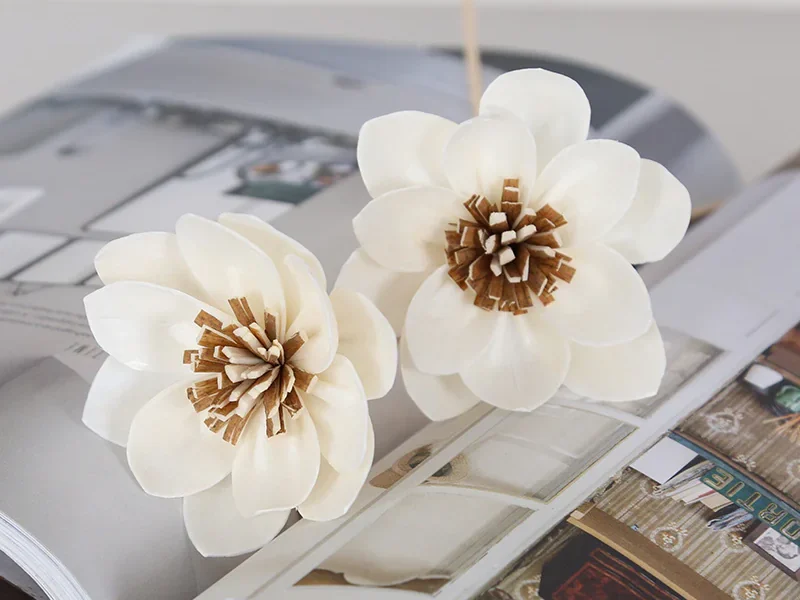
Paper Flowers
For a unique and artistic touch, consider paper flowers. These can be crafted into various shapes and sizes, making them highly customizable.
Best Use: Wall decor or special occasions like weddings and parties.
Tip: Create a flower wall or garland for a stunning focal point.
Plastic Flowers
Ideal for outdoor settings, plastic flowers are weather-resistant and easy to clean.
Best Use: Patio arrangements or garden decorations.
Tip: Pair them with natural elements like rocks or wood to soften the overall look.
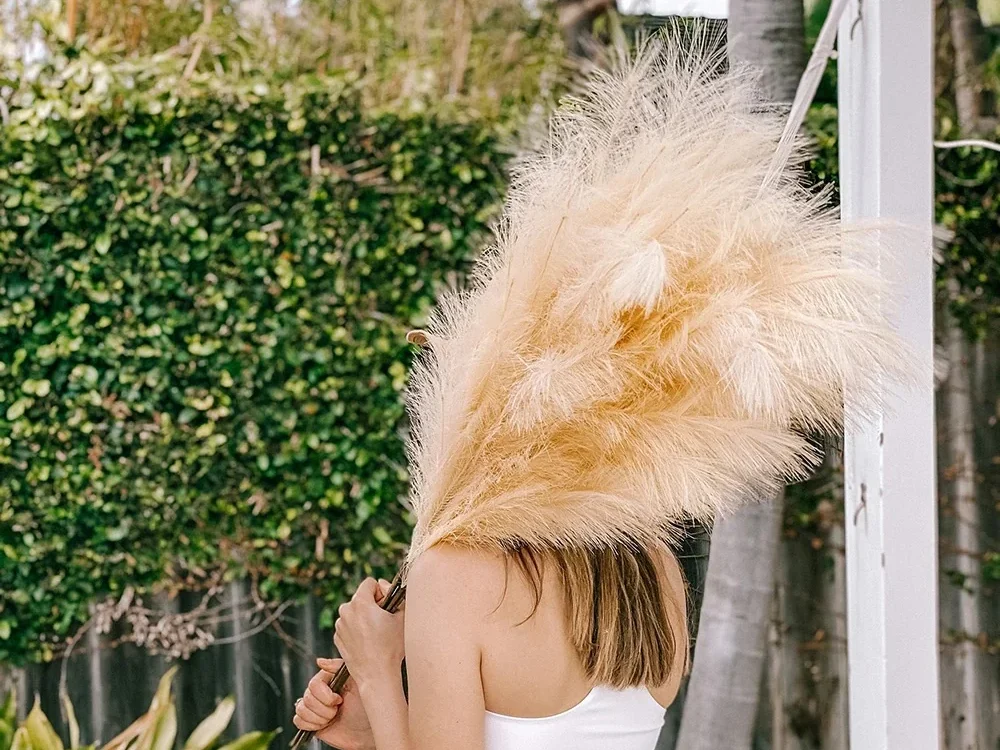
Dried Floral Arrangements
Dried flowers offer a rustic charm and bring a sense of warmth to any space. They’re perfect for creating a cozy atmosphere.
Best Use: Accent pieces on shelves or coffee tables.
Tip: Combine different textures and colors for a more dynamic arrangement.
Tips for Styling Artificial Flowers
Choose the Right Containers
Material Matters: Opt for containers made from materials that complement your decor style. Glass vases offer a sleek, modern look, while ceramic or terracotta pots provide a more rustic vibe. Metal containers can add an industrial touch.
Size and Shape: Consider both the height and width of your flowers when selecting a container. A tall vase works well with long-stemmed flowers like lilies or roses, while shorter, wider containers suit fuller blooms like peonies or hydrangeas. Experiment with asymmetrical shapes for a contemporary feel.
Mix and Match Flowers
Color Coordination: Choose a color palette that resonates with your overall decor. Use a mix of complementary colors, such as pastels for a soft look or bold hues for vibrant energy. You can also incorporate seasonal colors to keep your arrangements fresh and relevant.
Variety of Textures: Combine different flower types along with varied foliage to create an arrangement with depth. For example, pairing smooth roses with textured thistles or spiky greenery can create visual contrast that draws the eye.
Use Grouping Techniques:
Odd Numbers Rule: Arranging flowers in odd numbers (like three, five, or seven) often results in a more visually appealing arrangement. This mimics natural growth patterns and creates a sense of balance.
Height Variation: Create interest by varying the heights of your flowers. Place taller stems in the center or back of the arrangement, gradually lowering the height towards the front. This layered approach helps create a full, lush look.
Incorporate Foliage and Greens
Layering Greens: Use a variety of greens, such as ferns, eucalyptus, or ivy, to add fullness and texture to your arrangements. These elements not only enhance the visual appeal but also help to create a more realistic look.
Placement Strategy: Position greenery at the base of the flowers to create a natural foundation. Also, consider adding trailing vines or cascading leaves for a more dynamic appearance.
Consider Seasonal Themes
Seasonal Colors and Textures: Adapt your arrangements to reflect the changing seasons. In spring, use light pastels and floral prints; in summer, opt for bright colors; in fall, embrace rich oranges and browns; and in winter, incorporate deep reds and evergreens.
Themed Decorations: Pair your flower arrangements with seasonal decor items, like pumpkins in the fall or pinecones in winter, to create a cohesive seasonal theme.
Play with Height and Scale
Creating Balance: When arranging flowers, think about the overall scale of your display in relation to the space. Taller arrangements can make a statement on console tables, while smaller arrangements work well on coffee tables or bedside stands.
Dynamic Displays: Use varying heights within a single arrangement to draw the eye. Combine show-stopping tall flowers with short, delicate blooms to create a visually interesting focal point.
Create Centerpieces
Table Settings: For dining tables, choose arrangements that are low enough to allow for conversation across the table. Consider using multiple small arrangements or a single larger one depending on your table size.
Festive Touches: Enhance your centerpieces with decorative elements like candles, fairy lights, or seasonal accents to enrich the overall look and feel of your dining experience.
Add Texture
Diverse Materials: Incorporate flowers made from various materials such as silk, fabric, or paper to create a multi-dimensional arrangement. Mixing textures adds depth and interest.
Experiment with Shapes: Use flowers with different petal shapes—like the round blooms of hydrangeas paired with more angular blossoms like lilies—to keep the arrangement lively and engaging.
Use in Unexpected Places
Decorative Accents: Consider placing small arrangements in areas like the bathroom, kitchen, or hallway to add unexpected pops of color and life. Even a small bud vase on a windowsill can brighten up the space.
Functional Decor: Use artificial flowers to style bookshelves, mantels, or entryways, ensuring they coordinate with other decorative items for a cohesive look.
Maintain and Clean
Regular Care: Keep your artificial flowers looking their best by regularly dusting them with a soft cloth or feather duster. For more thorough cleaning, gently wash them with soap and water if the material allows.
Avoid Sunlight: To prevent fading, place your arrangements in areas with indirect sunlight. This can help maintain the vibrancy of the colors and ensure they last longer.
Recommended Types of Flowers
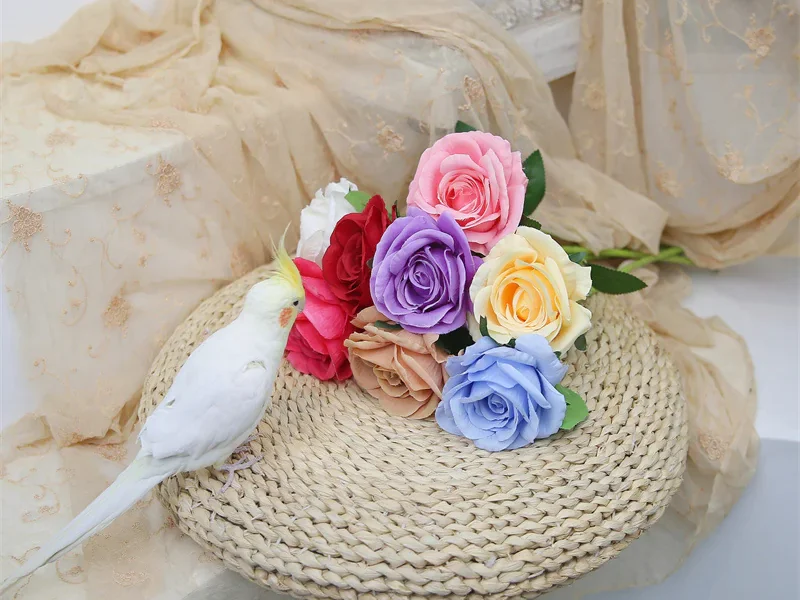
Roses
Characteristics: Roses are a timeless choice, known for their classic beauty and romantic appeal. They come in various sizes, from miniature to large blooms.
Colors: Available in almost every color imaginable, including red, pink, white, yellow, and even blue.
Styles: Ideal for wedding bouquets, elegant centerpieces, or as standalone decor in any room. Mix different colors for a vibrant arrangement or stick to monochrome for a sophisticated look.
Peonies
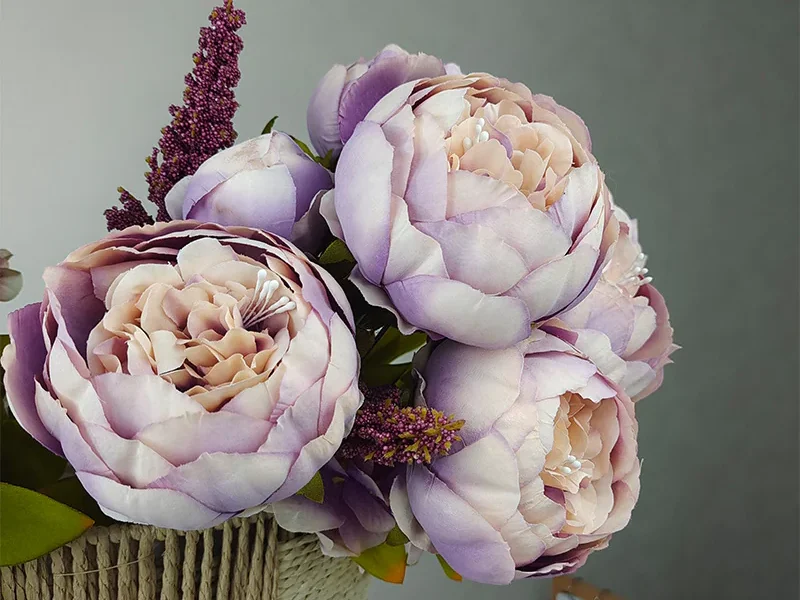
Characteristics: Peonies are lush, full blooms that add softness and volume to arrangements. Their rounded shape and layers of petals create a romantic feel.
Colors: Typically found in pastel shades, such as soft pinks, creams, and whites, but also available in deeper hues like burgundy.
Styles: Perfect for spring and summer themes, they work beautifully in bridal bouquets and can be combined with greenery for a fresh garden look.
Tulips
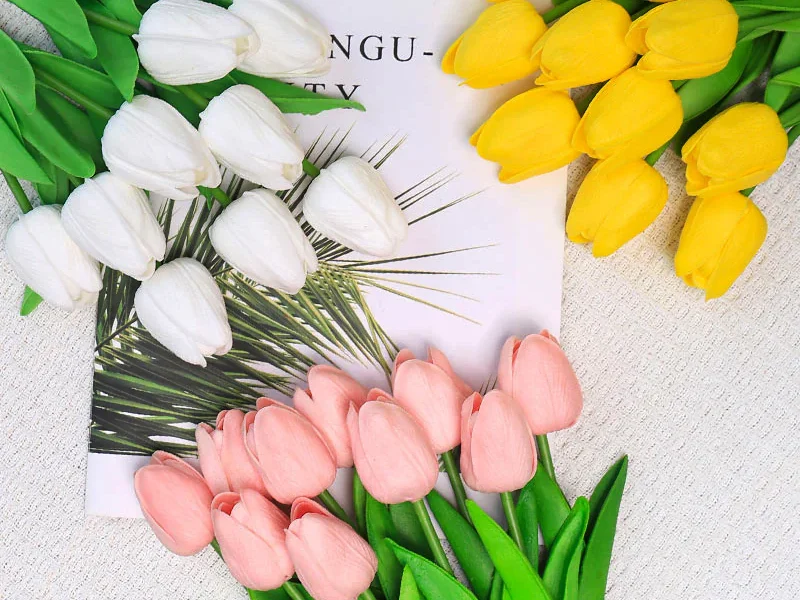
Characteristics: Tulips have a simple yet elegant shape, with smooth petals that create a clean aesthetic. They’re often associated with springtime.
Colors: Come in a wide range of colors, from vibrant reds and yellows to softer pastels like lavender and peach.
Styles: Great for modern and minimalist designs. Use them in clusters for a bolder look or mix with other flowers for texture.
Lilies
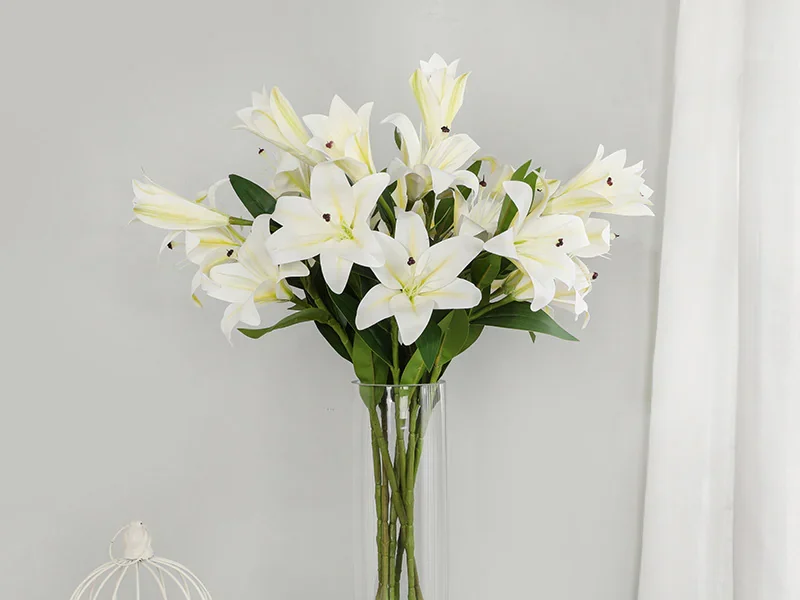
Characteristics: Lilies are striking flowers known for their large, star-shaped blooms and delightful fragrance. They add height and drama to arrangements.
Colors: Available in white, orange, pink, yellow, and even spotted varieties.
Styles: Excellent for formal settings and can be used as focal points in larger arrangements or combined with softer flowers to balance their boldness.
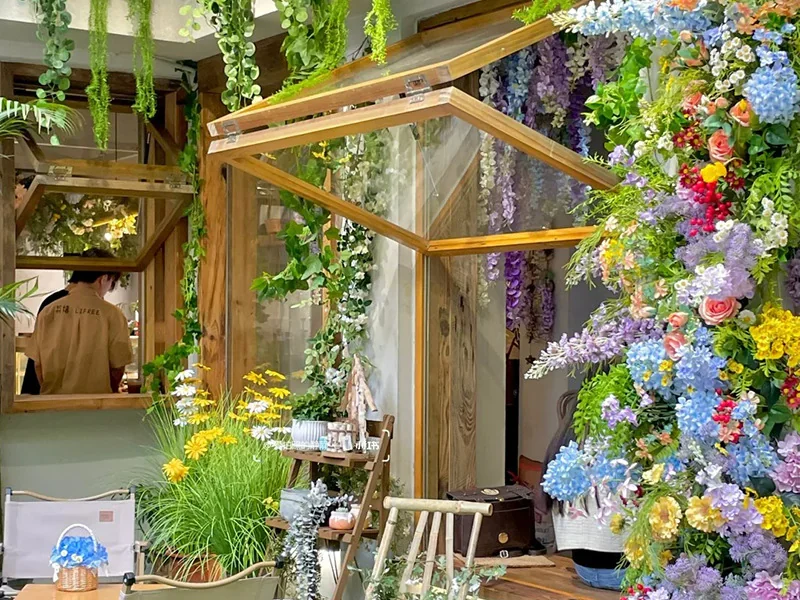
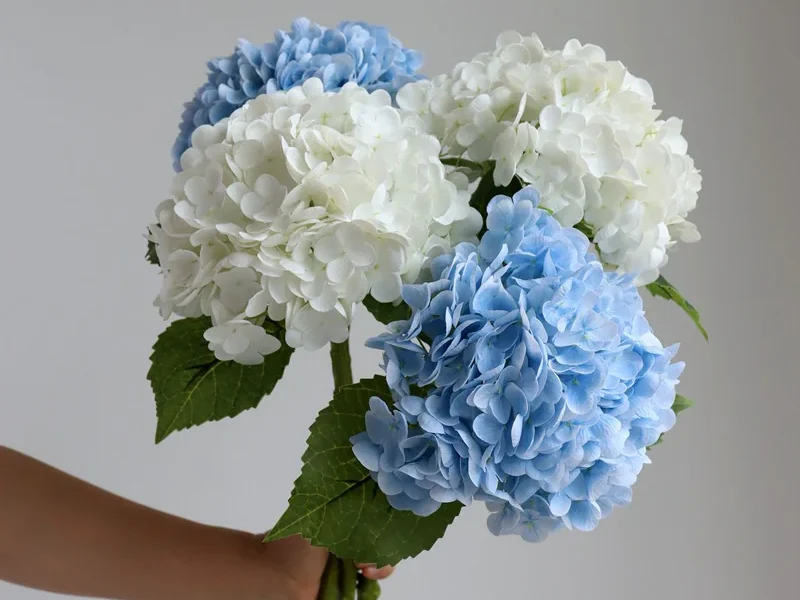
Hydrangeas
Characteristics: Hydrangeas boast densely packed petals that create a fluffy, voluminous appearance. They can fill space effectively and provide texture.
Colors: Commonly found in shades of blue, pink, white, and purple, with some varieties displaying multi-toned petals.
Styles: Ideal for lush, garden-style arrangements or as fillers in bouquets. They pair well with roses and greenery for a romantic touch.
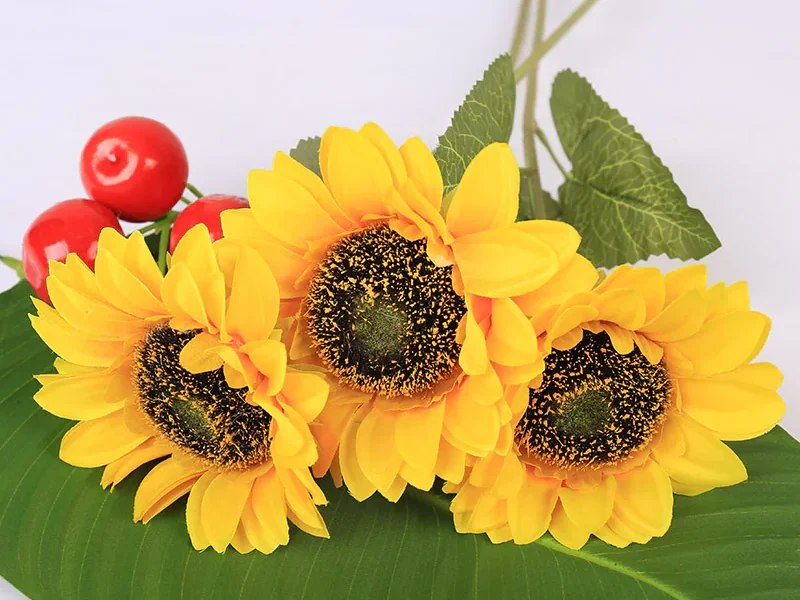
Sunflowers
Characteristics: Sunflowers are cheerful and vibrant, characterized by their large, round heads and dark centers. They evoke a sense of warmth and happiness.
Colors: Primarily yellow, but can also be found in orange and red varieties.
Styles: Perfect for rustic-themed decor or seasonal arrangements, especially in the fall. They can stand alone or be mixed with other blooms for a sunny bouquet.
Daisies
Characteristics: Daisies are simple yet charming flowers with a bright, cheerful appearance. They symbolize innocence and purity.
Colors: Most commonly white with yellow centers, but they also come in pink, red, and purple varieties.
Styles: Great for casual, informal arrangements. Use them in wildflower mixes or as accents in a more structured design.

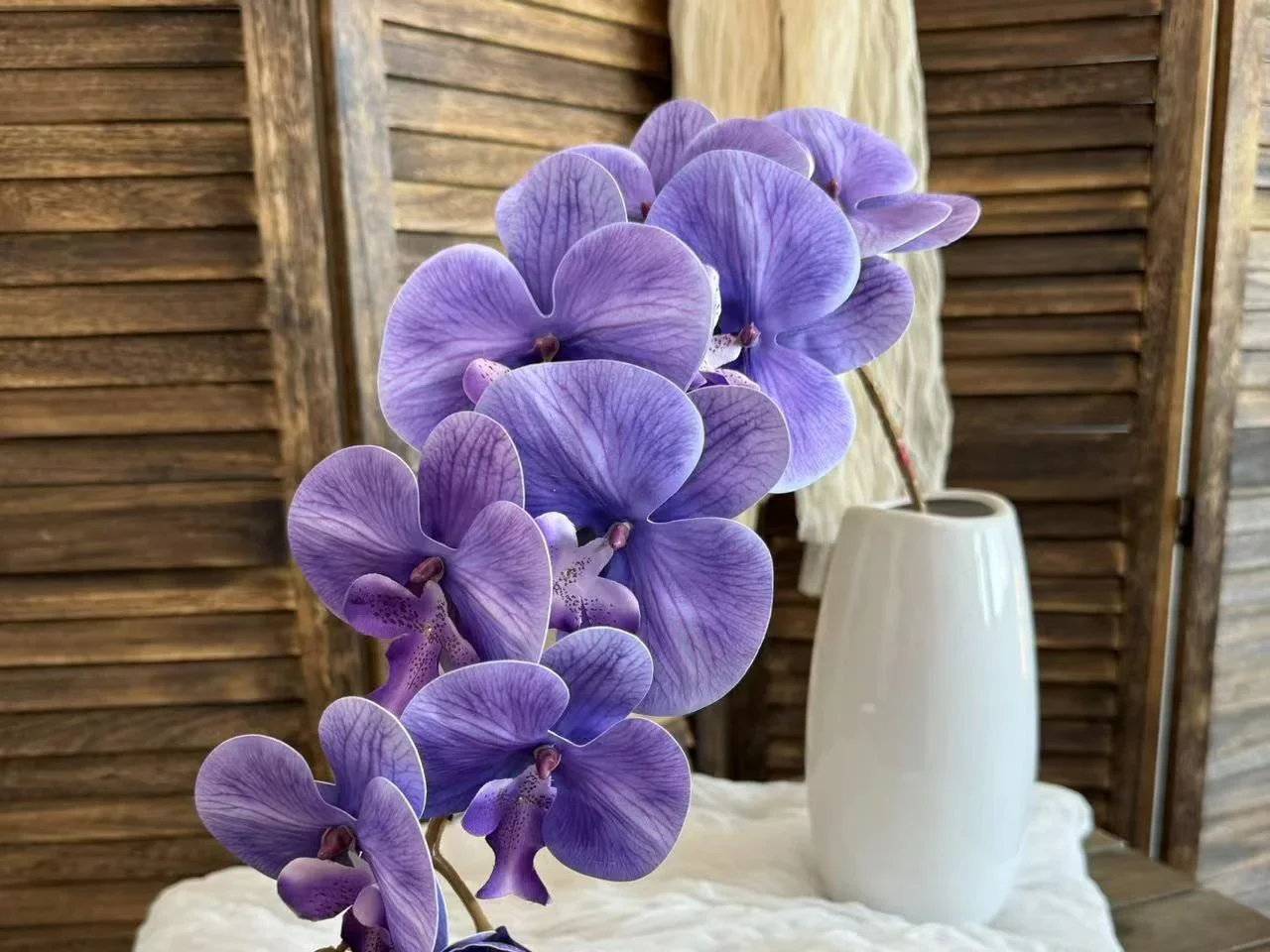
Orchids
Characteristics: Orchids are exotic and sophisticated, known for their unique shapes and intricate patterns. They can add a touch of luxury to any arrangement.
Colors: Available in an array of colors, including white, pink, purple, and yellow, often with striking markings.
Styles: Ideal for upscale or modern decor. Use them in sleek vases or as part of tropical arrangements for a striking effect.
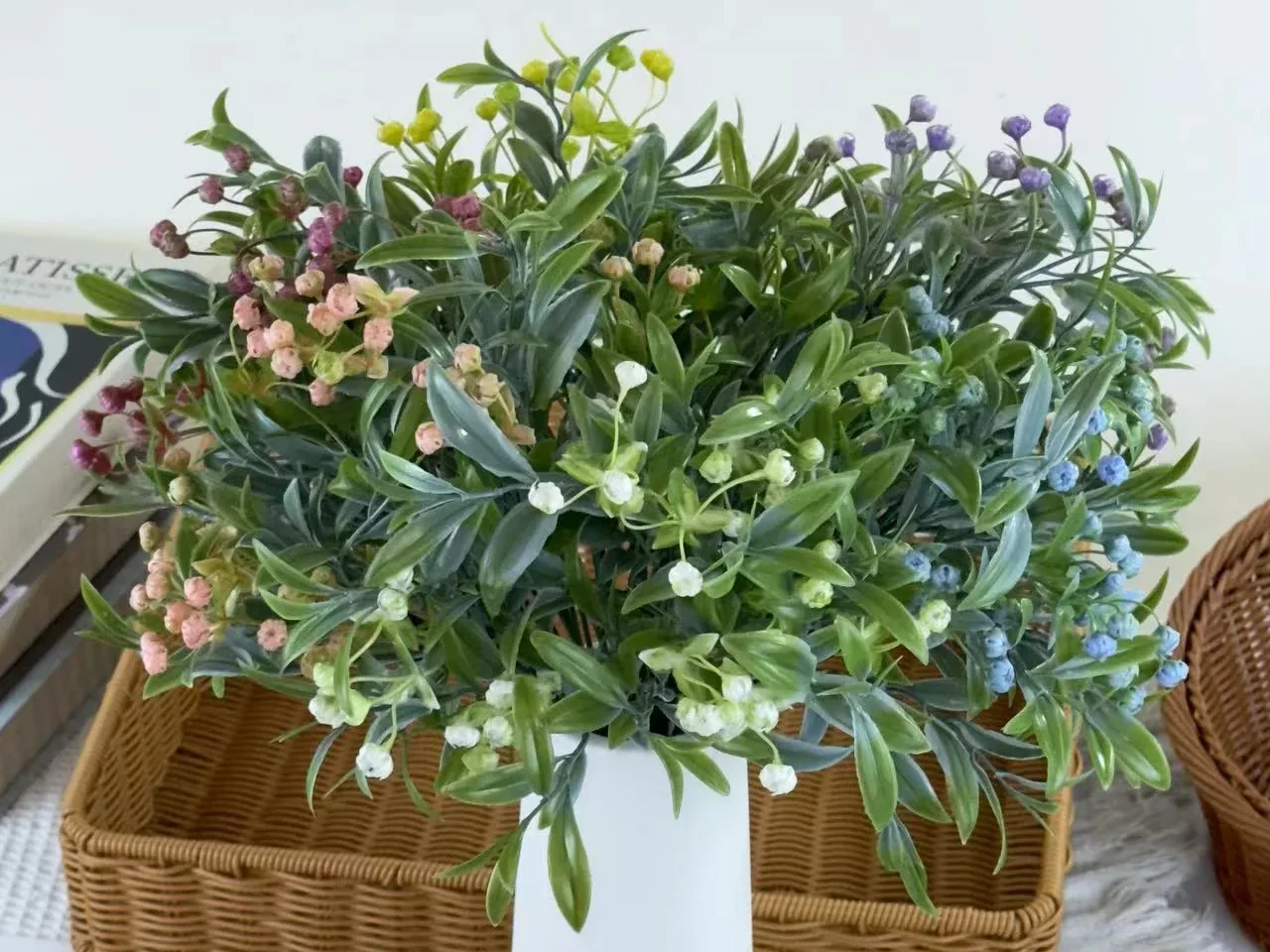
Foliage and Greens
Characteristics: While not flowers, incorporating foliage such as eucalyptus, ferns, or ivy adds depth and fullness to arrangements. They provide a natural backdrop for the blooms.
Styles: Essential for creating a realistic look. Use trailing vines for a cascading effect or structured greens to support taller arrangements.
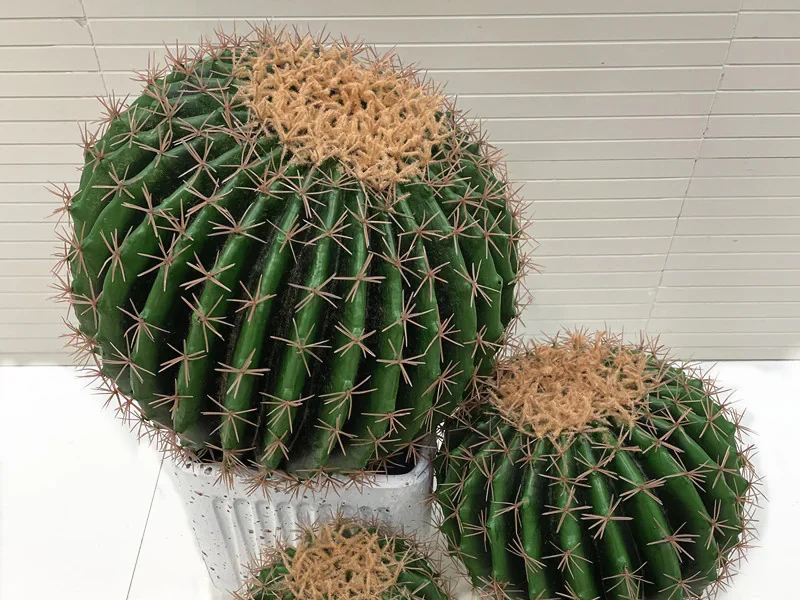
Cacti and Succulents
Characteristics: These plants offer a unique, contemporary look with their interesting shapes and textures. They require minimal maintenance, making them perfect for busy lifestyles.
Colors: Typically found in greens and blues, with some varieties showing purples and pinks.
Styles: Ideal for modern decor, they can be arranged in small pots or terrariums for a trendy, low-maintenance display.
Conclusion
Incorporating artificial flowers into your home decor is an excellent way to bring life and color into your space without the hassle of maintenance. With so many beautiful options available, you can easily find arrangements that suit your style and enhance your home. Whether you opt for silk, polyester, or even paper flowers, the right choices will help you create a warm and inviting atmosphere. So why not explore the world of artificial blooms today? Your home will thank you!


