

1. Why Do You Need a China Sourcing Agent for Wholesale Sourcing?
1.1 The Challenges of Sourcing Directly in China
Sourcing wholesale products directly from China without a local agent presents multifaceted challenges. First, the sheer scale of China’s supplier network—with millions of manufacturers listed on platforms like Alibaba—creates a daunting filtration task. Inexperienced buyers often struggle to distinguish between genuine factories, trading companies, and even scams, leading to wasted time and potential financial losses. For example, a clothing retailer might unknowingly partner with a middleman posing as a factory, resulting in inflated prices and delayed production. Additionally, navigating complex logistics—from customs clearance to international shipping—can be overwhelming for those unfamiliar with China’s import-export regulations. Faulty documentation or misdeclared goods can lead to shipment delays or even seizures, further disrupting supply chains. Fortunately, there are many professional China sourcing agents who can help you find the most reliable wholesale China suppliers, saving time and reducing costly mistakes.
1.2 How a Sourcing Agent Bridges Language & Cultural Gaps
Language barriers alone can derail sourcing efforts. While many Chinese suppliers claim English proficiency, nuanced product specifications or negotiation terms are often lost in translation. A sourcing agent fluent in both Mandarin and business English acts as a cultural interpreter, ensuring clear communication. For instance, they can clarify ambiguous phrases like “high-quality materials” into specific standards (e.g., ISO certifications) and prevent misinterpretations that might lead to defective products. Culturally, agents understand unwritten business norms, such as the importance of guanxi (relationships) or proper negotiation etiquette. They can advise clients on gift-giving protocols or the right tone for contract discussions, which are critical for building trust with suppliers—something a foreign buyer might overlook.
1.3 Leveraging Local Market Expertise for Supplier Vetting
China’s regional industrial hubs demand specialized knowledge. A sourcing agent knows that electronics suppliers in Shenzhen’s Futian District have different quality standards than textile manufacturers in Zhejiang. They leverage this expertise to vet suppliers through on-site factory audits, checking for production capacity, quality control processes, and even labor compliance. For example, an agent can identify red flags like outdated machinery or unhygienic working conditions during inspections—details that online profiles rarely disclose. Moreover, agents tap into their established networks to source referrals, often gaining access to hidden suppliers not listed on public platforms. This insider knowledge ensures buyers connect with reliable partners who meet both price and quality expectations, minimizing the risk of supply chain disruptions.

2. Do I Actually Need a Sourcing Agent in China?
2.1 Key Indicators You Should Hire a Sourcing Agent
Several red flags signal that hiring a sourcing agent is non-negotiable. First, if your product requires specialized certifications (e.g., CE for electronics or FDA for medical devices), an agent’s local knowledge is essential. They can navigate China’s complex regulatory landscape, ensuring suppliers meet international standards—something a foreign buyer might overlook. For instance, a cosmetics brand seeking organic ingredients would struggle to verify China’s agricultural certification processes without an agent’s expertise. Second, when dealing with large orders (over $50,000), the risk of fraud or quality issues escalates. Agents conduct on-site factory audits to check production capacity and quality control, preventing losses from fake suppliers. Finally, if your supply chain demands tight deadlines (e.g., seasonal products), an agent’s logistics coordination—from expediting shipping to managing customs—becomes critical. Without this, delays during Chinese New Year or Golden Week can cripple delivery schedules. There are also numerous benefits of working with a Yiwu agent, from leveraging trusted supplier networks to streamlining every step of the sourcing and logistics process.
2.2 When Self – Sourcing Might Be Feasible
Self-sourcing makes sense in specific scenarios. For buyers with established operations in China—such as a branch office or fluent Mandarin – speaking staff—direct negotiations may be feasible. For example, a multinational retailer with a Shanghai team could handle supplier relations independently. Additionally, off – the – shelf products with clear specifications (like standard USB cables) require less agent intervention, as platforms like Alibaba offer transparent reviews and standardized quality checks. Small – scale orders (under $5,000) might also justify self – sourcing, as agent fees could eat into thin profit margins. However, even here, agents can add value by bundling orders from multiple suppliers to reduce shipping costs—a strategy many solo buyers miss.
2.3 Risk Analysis: Sourcing Alone vs. With an Agent
The risks of self-sourcing versus using an agent differ significantly. Solo buyers face a 30% higher chance of encountering counterfeit suppliers, according to industry reports, as they lack access to agents’ verified networks. A furniture importer, for instance, might pay for solid wood cabinets only to receive particleboard units with veneer—an issue an agent’s pre – production inspection would catch. Financially, self-sourcing carries hidden costs: misdeclared customs values can lead to 20 – 50% higher duties, while logistics mistakes (e.g., choosing air freight over sea cargo) inflate expenses. Agents, however, mitigate these risks with contract clauses that hold suppliers accountable for defects and negotiate bulk shipping discounts. Culturally, solo buyers often damage relationships by violating unwritten norms—like pressing for immediate price cuts instead of building guanxi first—whereas agents smooth negotiations by aligning with local business etiquette.
3. How to Find a Reliable Shipping Agent in China?
3.1 Step – by – Step Guide to Agent Selection
Finding a trustworthy shipping agent starts with a systematic approach. Begin by defining your logistics needs: air freight for urgent orders, sea cargo for bulk shipments, or rail transport for cross-border goods. This clarity helps narrow down agents specializing in your required services. Next, compile a shortlist through reputable channels: industry forums like Freightos, B2B platforms such as Alibaba’s logistics directory, or referrals from other importers. For example, a fashion brand shipping seasonal collections might prioritize agents with express shipping partnerships in Guangzhou’s garment hubs. Once shortlisted, request detailed service proposals outlining pickup, customs clearance, and delivery timelines. Compare at least three agents to gauge responsiveness and transparency—red flags include vague quotes or delayed replies.
3.2 Credential Verification: Licenses & Industry Memberships
Never overlook credential checks. Legitimate Chinese shipping agents must hold a Ministry of Transport – issued International Freight Forwarder License, which can be verified via the government’s public database. Agents lacking this license may outsource logistics to unregulated partners, increasing shipment risks. Additionally, memberships in organizations like the China International Freight Forwarders Association (CIFA) signal professional standards. CIFA members adhere to a code of ethics and undergo annual compliance reviews, reducing the chance of fraud. For example, an agent certified by CIFA is more likely to handle hazardous goods documentation correctly, avoiding customs penalties. Always ask for license copies and cross – verify memberships before signing contracts.
3.3 Evaluating Communication & Logistics Capabilities
Effective communication is the backbone of reliable logistics. Prioritize agents fluent in both English and Mandarin, as mistranslations in customs declarations or delivery addresses can cause costly delays. Test their responsiveness by sending detailed inquiries—agents that provide clear, prompt answers (within 24 hours) demonstrate professionalism. Logistics capabilities require deeper scrutiny: ask for case studies of similar shipments (e.g., electronics from Shenzhen to Europe) and track record data on on – time deliveries. A robust agent will have partnerships with major carriers (DHL, Maersk) and real – time tracking systems, allowing you to monitor shipments from factory to warehouse. For instance, an agent using GPS – enabled containers can provide live updates on temperature – sensitive cargo, critical for perishable goods like pharmaceuticals.
4. What’s the Cost Structure of a China Sourcing Agent?
Navigating the cost landscape of China sourcing agents is crucial for businesses aiming to optimize procurement budgets. The right pricing model can mean the difference between profitable partnerships and unexpected financial burdens. This article dissects the three core components of agent cost structures—commission-based models, fixed-fee vs. hybrid pricing, and hidden contract costs—to empower buyers with informed decision-making.
4.1 Commission – Based Models Explained (3% – 15% Range)
Commission-based pricing remains the industry standard, anchoring agent compensation to a percentage of the order value. Rates typically fluctuate between 3% and 15%, influenced by three variables: product complexity, order volume, and service scope. For instance, sourcing generic goods like USB cables might incur a 3-5% fee, while specialized medical equipment requiring FDA compliance could command 10-15% due to rigorous vetting processes.
This model creates a symbiotic relationship: agents earn more from higher-value orders, incentivizing them to negotiate lower wholesale prices for clients. A fashion brand importing \(1 million worth of textiles might pay a 7% commission (\)70,000), but the agent’s price negotiation skills could save \(100,000, resulting in net savings for the buyer. However, this structure carries risks—some agents inflate supplier quotes to boost their commission. Mitigation strategies include requesting itemized invoices, cross-verifying prices with multiple suppliers, and insisting on tiered commission discounts for bulk orders (e.g., 5% for orders under \)500K, 3% for orders over $1M).
Transparency is key here. Reputable agents provide clear rate cards that outline how commissions scale with order size and product complexity. For example, a tech distributor sourcing 5,000 smartwatches might face a 6% commission, while a repeat order of 50,000 units could qualify for a 4% rate, reflecting economies of scale.
4.2 Fixed – Fee vs. Hybrid Pricing Models
Fixed – Fee Structures
Fixed-fee pricing offers cost predictability for projects with defined scopes, such as sample procurement or small-batch orders. Agents typically charge \(500 to \)3,000 per project, depending on complexity. A startup seeking three product samples from different Yiwu suppliers might pay a flat $1,200 fee, covering supplier research, sample coordination, and basic quality checks. This model suits businesses testing the Chinese market without long-term commitments, as it eliminates commission-based variables.
However, fixed fees lack the volume discounts of commission models. A buyer placing \(100,000 in quarterly orders under a \)2,000 fixed fee would pay \(8,000 annually, whereas a 5% commission would cost \)5,000—making fixed fees less economical for high-volume sourcing.
Hybrid Models
Hybrid pricing blends a monthly retainer with a reduced commission, balancing stability and performance incentives. Common structures include a \(1,500 monthly retainer plus 2% on orders, ideal for mid-sized businesses with ongoing needs. A furniture retailer placing \)300,000 in annual orders would pay \(18,000 (12 x \)1,500) plus \(6,000 (2% of \)300K), totaling $24,000—more cost-effective than a fixed fee but with guaranteed agent availability.
Hybrid models shine in scenarios requiring continuous support, such as annual factory audits or supply chain management. The retainer ensures agents prioritize the client’s needs, while the commission aligns their interests with cost-saving negotiations. For example, an agent earning 2% on a \(500,000 order stands to gain \)10,000, motivating them to secure a 15% price discount that saves the buyer $75,000.
4.3 Hidden Costs to Avoid in Agent Contracts
Unspecified Service Add – Ons
Many contracts bury extra fees in ambiguous clauses like “administrative charges” or “logistics surcharges.” An agent quoting a 6% commission might later add 4% for “quality inspection services” not detailed in the scope, inflating costs by 67%. To prevent this, demand itemized service breakdowns: factory audits should cost \(300-\)500 per visit, customs clearance \(100-\)200 per shipment, and sample shipping \(50-\)150 per item. Transparent agents provide fee schedules that separate these costs from the base commission.
Cancellation or Amendment Fees
Steep penalties for order changes can cripple budgets. A clause stipulating a 20% fee for cancelling an order within 30 days—even if production hasn’t started—could cost \(20,000 on a \)100,000 order. Negotiate caps (ideally ≤5% of order value) and ensure they align with supplier policies. Seasonal businesses should prioritize flexible contracts that allow order adjustments with minimal fees, such as a $500 flat fee per amendment.
Currency Conversion Markups
Agents handling payments may apply hidden conversion fees. While banks charge 1-2%, some agents add 3-5% under the guise of “transaction fees,” costing buyers \(3,000-\)5,000 on a $100,000 USD-CNY conversion. Mitigate this by using transparent payment methods like PayPal (which discloses rates upfront) or negotiating a fixed conversion rate tied to the daily mid-market rate. Avoid agents who refuse to itemize currency fees.
Post-Shipment Charges
Delays in customs clearance or port storage can become hidden liabilities. An agent might pass on \(1,000 in storage fees for goods held due to their documentation errors, leaving the buyer liable. Include clauses holding agents accountable for delays caused by their negligence and cap storage fees at \)50 per day. Requiring daily shipping updates helps identify issues early, preventing prolonged storage costs.
5. Who Are the Best Sourcing Agents in China?
Identifying the best sourcing agents in China requires a blend of objective criteria and industry-specific insights. The right agent can transform supply chains, while a poor choice risks costly delays and quality issues. This article outlines critical selection benchmarks, highlights top industry-focused agencies, and shares real-world case studies to guide your decision.
5.1 Critical Selection Criteria: Experience & Track Record
Industry Specialization
The best agents excel in niche sectors, leveraging deep networks and technical knowledge. A technology buyer should prioritize agents with 5+ years in Shenzhen’s electronics hubs, while a fashion brand needs specialists in Zhejiang’s textile clusters. For example, agents like Sourcing Monster, with a decade of experience in Guangdong’s hardware industry, can distinguish between high-grade stainless steel suppliers and those using subpar materials—a skill generic agents lack.
Verifiable Success Metrics
Insist on concrete performance data: on-time delivery rates, supplier vetting success ratios, and average client savings. Reputable agents like China Sourcing Solutions publish case studies showing they’ve reduced client costs by 15-25% through strategic supplier negotiations. Avoid agents who hesitate to share client references or audit reports—transparency is a hallmark of reliability.
5.2 Why Importers Choose Union Source as Their China Sourcing Agent
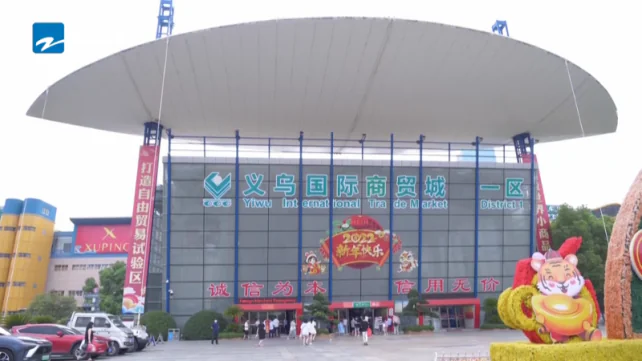
Unlike generic marketplaces, a dedicated agent should bring verifiable, local advantages to your supply chain. Union Source operates from Yiwu — China’s largest wholesale hub — with a 20,000㎡ showroom where buyers inspect samples before ordering.
What sets a reliable agent apart:
- Local presence: on-the-ground QC and factory audits, not just middleman forwarding.
- Category depth: proven networks in underwear, home décor, furniture, artificial flowers, kitchenware, drinkware, and bags.
- Transparent fees: commission-based pricing with no hidden inspection or consolidation charges.
- One-stop service: supplier vetting → negotiation → QC → shipping from a single point of contact.
5.3 Case Studies: Successful Sourcing Agent Partnerships
Case 1: Beauty Brand Scales Globally
US skincare startup GlowCo partnered with Beauty Source China to source organic facial serums. The agent’s vetting revealed 80% of initial suppliers lacked proper COSMOS certifications. By connecting GlowCo with a Zhejiang factory that met EU standards, the agent enabled a 200% sales increase within 18 months, with zero product recalls.
Case 2: Food Importer Avoids Disaster
A Canadian food distributor hired Food Source China to source bulk tea leaves. The agent’s pre-shipment inspection uncovered mold contamination in 30% of a supplier’s inventory—an issue missed by the distributor’s initial online checks. By quickly redirecting the order to a certified Yunnan farm, the agent saved the client $150,000 in potential recalls and reputational damage. – Union Source

6. Can I Buy from China Without an Agent?
While purchasing from China without a sourcing agent is technically possible, it requires navigating significant risks and operational challenges. This article weighs the feasibility of DIY sourcing, outlines alternative solutions for small orders, and identifies scenarios where an agent becomes essential for business survival.
6.1 Risks of DIY Sourcing: Quality Control & Scams
The Quality Conundrum
DIY buyers often face a 40% higher risk of receiving substandard goods compared to those using agents. A US furniture retailer, for example, ordered solid wood chairs from an Alibaba supplier only to receive particleboard frames with veneer finishes—an issue an agent’s pre-production inspection would have caught. Without on-site verification, buyers rely on supplier-provided samples that may differ from bulk orders. China’s complex manufacturing landscape means even seemingly reputable factories can cut corners on materials or skip quality checks to reduce costs.
Scam Vulnerabilities
Fraudulent suppliers cost global buyers (2.3 billion annually, according to a 2024 B2B fraud report. Common scams include “bait-and-switch” tactics (sending inferior products), advance payment fraud, and fake factory certifications. A UK electronics reseller lost £ 80,000 after wiring funds to a supplier who vanished before shipping—an outcome preventable by an agent’s due diligence, which includes verifying business licenses and conducting bank reference checks.
6.2 Alternative Solutions for Small Orders
Platforms with Built – in Protection
For orders under $5,000, platforms like Alibaba Trade Assurance or DHgate offer escrow services that withhold payment until buyers confirm product quality. These platforms also provide supplier ratings and dispute resolution, reducing scam risks. A Canadian jewelry designer used Alibaba to source 200 custom pendants, leveraging the platform’s 100% refund policy when the first batch arrived with flawed plating.
Sample – Only Sourcing
Startups testing the market can focus on sample orders (5-50 units) without an agent. Websites like Made – in – China allow direct sample requests, often for \(50-\)200 per item. A US eco – brand ordered 10 prototypes of bamboo cutlery sets directly from a Zhejiang factory, using detailed CAD drawings to minimize miscommunication. While this approach requires meticulous documentation, it avoids agent fees for small-scale trials.
6.3 When an Agent Becomes Non – Negotiable
Complex Products & Regulations
For goods requiring specialized certifications (e.g., medical devices needing CFDA approval or electronics with CCC marks), an agent’s regulatory expertise is indispensable. A German medical equipment firm tried self-sourcing ventilator components but failed to navigate China’s strict medical device registration process—hiring an agent reduced approval time from 18 months to 6.
Large – Scale Orders & Supply Chains
Orders exceeding \(100,000 carry too much financial risk for DIY sourcing. An agent’s ability to coordinate multiple suppliers, manage production schedules, and oversee logistics becomes critical. A Brazilian retailer’s \)500,000 clothing order was saved by an agent who identified a dyeing defect in the first production run, preventing a mass recall. Without this intervention, the retailer would have lost $300,000 in returns and reputational damage.
Cultural & Linguistic Barriers
Negotiating with Chinese suppliers without fluency in Mandarin and business etiquette often leads to strained relationships. A French buyer’s insistence on immediate price cuts (a cultural faux pas) caused a supplier to deliberately delay production—an issue an agent could have mitigated by building guanxi (relationship trust) first. For long-term partnerships, agents act as cultural translators, ensuring negotiations align with local business norms.
Conclusion
While small orders and simple products may allow DIY sourcing, complex goods, large budgets, and regulatory landscapes demand professional agency support. The key is balancing cost savings against risk tolerance: agents act as insurance against quality disasters and fraud, while direct sourcing suits those willing to invest time in due diligence and risk management. For most businesses, especially those scaling operations, the question isn’t whether to use an agent—but when to make the investment for long-term supply chain stability.
7. Pro Tips: Maximizing Your Sourcing Agent Partnership
A successful partnership with a sourcing agent is crucial for businesses aiming to secure high – quality resources efficiently and cut costs. Here are some professional tips across communication, negotiation, and relationship management to help you unlock the full potential of such collaborations.
7.1 Effective Communication Strategies
Clear and efficient communication serves as the cornerstone of a fruitful partnership. When interacting with your sourcing agent, it’s essential to articulate your requirements precisely. Provide detailed information regarding product specifications, quality standards, and delivery schedules, leaving no room for ambiguity. Establish a regular communication cadence, such as weekly or bi – weekly progress update meetings, to promptly address any emerging issues. Leverage modern communication tools, like project management software, to share information in real – time and track task progress, ensuring seamless information synchronization among all parties involved.
7.2 Negotiation Techniques with Suppliers
Negotiation is a vital skill for obtaining favorable procurement terms. Before entering into negotiations, conduct thorough research on market trends and supplier backgrounds to gain a comprehensive understanding of the landscape. During the negotiation process, focus on core interests, including price, payment terms, and delivery timelines, while remaining flexible on non – essential clauses to facilitate deal closure. Don’t shy away from breaking deadlocks; introducing alternative suppliers at the right moment can significantly strengthen your bargaining position.
7.3 Long – Term Relationship Building for Cost Savings
Fostering long – term relationships with suppliers can yield substantial cost savings. Reward top – performing suppliers with increased order volumes, incentivizing them to offer more competitive prices and enhanced services. Collaborate closely on product design and production process optimization by pooling resources, creating a win – win situation. Regularly conduct supplier evaluations and provide constructive feedback, helping them identify areas for improvement and continuously enhance the quality of cooperation.
By implementing these strategies, you can significantly enhance the value derived from your sourcing agent partnerships. If you have any real – world experiences or new requirements in this area, feel free to share them. Let’s explore more ways to optimize these partnerships together.

FAQ
Q: Do I need a sourcing agent to buy from China?
A: Not always — if you have Mandarin-speaking staff or very large order volumes, self-sourcing works. For most SMEs, an agent cuts risk on QC, logistics, and supplier vetting.
Q: How much does a China sourcing agent cost?
A: Commission models typically run 3%–15% of order value, depending on product complexity, volume, and service scope. Fixed-fee and hybrid models also exist.
Q: Can I source from 1688.com without an agent?
A: Technically yes, but 1688 is Chinese-language, supplier-facing, and rarely ships abroad — most overseas buyers use an agent to bridge language, payment, and logistics.

Dujuan is a sourcing specialist at UnionSource China, experienced in global procurement, product development and supplier coordination. She focuses on helping overseas buyers find quality products with reliable service, clear communication and efficient order follow-ups.